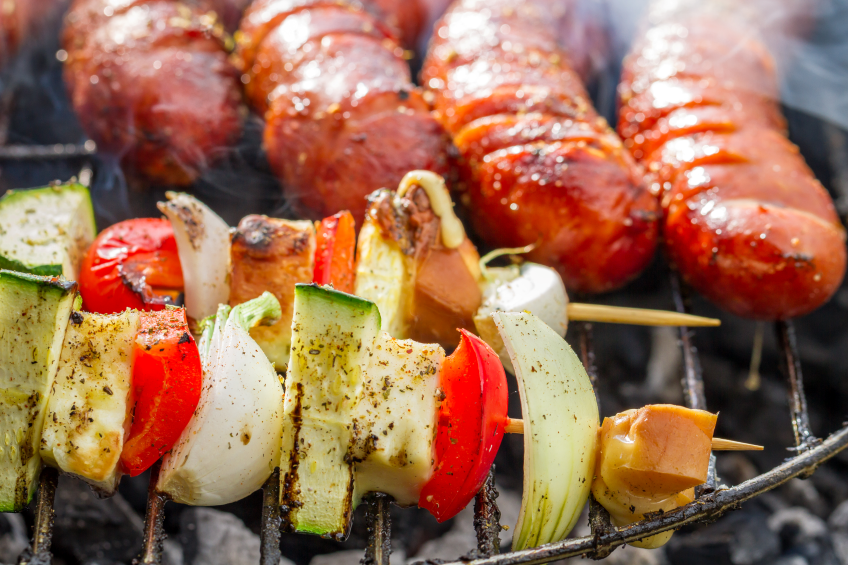

 Grilling fans still argue about whether wood or charcoal makes food taste better.
Wood brings out deeper, richer flavors with its natural smoke, while charcoal gives steady heat and a subtle smokiness that highlights the food itself.
It really comes down to what you like and what you want out of your grilling.
Your choice between wood and charcoal does more than change flavor. It affects how you manage heat, how long your fuel lasts, and how much work you put into the process.
Each type needs different techniques and works best for certain foods. This guide lays out the main differences between grilling with wood and charcoal.
You’ll see how fuel changes flavor, how to control temps, and which option fits your cooking style—or even your environmental worries.
How Fuel Type Impacts Grilled Flavor
 Your fuel choice changes the chemical reactions that happen as food cooks. That’s what gives grilled food its unique taste and smell.
Different fuels pump out different smoke particles and aromatic compounds that seep into the meat’s surface.
Flavor Profiles Explained
Charcoal gives you a clean, mild smoky flavor. It burns hot and steady, so you get a consistent taste that doesn’t overpower what you’re cooking.
Wood, though, adds more layers. Hickory’s bold with bacon notes. Apple or cherry woods bring in sweet, fruity hints. Oak sits in the middle—smoky, but not too much for delicate meats.
The amount of smoky flavor depends on how much smoke hits your food and for how long. Wood cranks out more smoke than charcoal, especially in the first 30-45 minutes. That’s when you get those big flavors and aromas.
The Chemistry of Smoke: Lignin and Guaiacol
Lignin lives in wood cell walls and breaks down when things get hot—over 500°F. As it breaks down, it sends hundreds of aromatic compounds into the smoke.
Guaiacol is the big one—it’s what makes grilled food smell and taste smoky. The amount you get depends on the wood’s density and how wet or dry it is.
Hardwoods have more lignin than what you find in charcoal briquettes. Lump charcoal keeps some lignin, but not as much as real wood. That’s why wood usually tastes smokier than charcoal when you compare them side by side.
Compound Effects on Taste and Aroma
Smoke has over 400 compounds that shape how your food tastes and smells.
The main ones:
- Phenols (like guaiacol): Smoky, bacon-like flavors
- Carbonyls: Sweet, caramel notes
- Furans: Nutty, roasted hints
- Syringol: Spicy, clove-like aromas
These melt into fats and stick to proteins on the surface. Higher temps make more of these, but too much smoke or heat can turn things bitter.
Wood chips and chunks let out these compounds faster than charcoal. That creates more visible smoke, but you have to watch it—too much can make your food taste harsh or even ruin it.
Charcoal Grilling: Flavor, Heat, and Technique
 Charcoal grilling stands out for its smoky flavor and high-heat searing. The type of charcoal, how you manage heat, and your technique all play a part in how things turn out.
Charcoal Types and Characteristics
Lump charcoal uses pure hardwood, lights fast, and burns hot—sometimes up to 1000°F. It makes little ash and lasts a couple hours, but the embers can be uneven, so you’ll need to keep an eye on it.
Briquettes are pressed blocks of wood char, coal dust, and binders. They burn longer—think four to six hours—and keep heat steady. You’ll get more ash, but they’re cheaper and easier to arrange for even heat.
If you want something special, coffee charcoal or mangrove charcoal can burn for 6.5 hours and stay hot. These make less ash and are great for long cooks without refueling.
Managing Temperature and Heat Zones
Managing temp on a charcoal grill comes down to how much fuel you use, how you arrange the embers, and how you adjust airflow. More charcoal means more heat. Spread them out or pile them up to make different temp zones.
Vents are your main tool for controlling heat. Open both top and bottom vents for higher temps—more oxygen feeds the fire. Partially close them to drop the heat for slow cooking.
A chimney starter is the best way to light charcoal without lighter fluid, which can mess with flavor. Fill it up, stick some crumpled newspaper underneath, and in about 15-20 minutes your coals will glow orange and be ready.
For two heat zones, bank the coals to one side for direct grilling, and leave the other side empty for indirect. Sear over the hot side, then move food to finish cooking more gently.
Direct and Indirect Grilling Methods
Direct grilling means your food sits right over the coals for fast, high-heat cooking. Perfect for steaks, burgers, chicken pieces, and veggies that cook in under 25 minutes. That intense heat gives you the Maillard reaction—caramelized, flavorful crusts.
Indirect cooking shifts food away from the fire, turning your grill into an oven. Put coals on the sides and a drip pan in the middle. It’s the way to go for bigger cuts like whole chickens, roasts, or ribs that need time to get tender without burning.
When you cook indirectly, keep temps between 225-350°F. Add 6-8 fresh briquettes every 45-60 minutes to keep things steady. Use a thermometer—either built-in or a probe—so you don’t have to keep opening the lid and losing heat.
Wood-Fired Grilling: Signature Tastes and Cooking Styles
 Wood-fired grilling is all about the flavors you get from smoke. Every wood species brings something different. But you do need to pay more attention to fuel and temperature if you want solid results.
Choosing Wood Types for Distinctive Flavors
Each wood type makes its own set of aromatic compounds that bond with fats and proteins. Oak is a go-to for beef and lamb because its medium smoke doesn’t overpower. Hickory’s bold and works great with pork. Mesquite is intense and earthy—good for quick sears on red meat.
Fruitwoods are milder. Applewood brings a gentle sweetness to poultry and pork. Cherry wood adds a light, fruity note that works with both light and dark meats. Applewood and other fruitwoods burn cooler, so you’ll need to tweak your fire a bit.
Always use seasoned wood with less than 20% moisture. Wet wood makes too much smoke and keeps your fire from getting hot enough. Wood chunks are better than chips for longer grilling—they burn slower and make steadier smoke.
Techniques for Grilling with Wood
Start by building a base of burning wood to make a bed of hot coals before you add food. That’s your main heat source. Toss fresh logs on top for more smoke and flavor. It usually takes 30 to 45 minutes to get your fire ready.
Control smoke by adding fresh wood as needed. If you see heavy smoke, your wood’s flaming too much. Thin, almost blue smoke is what you want—thick white smoke can make things taste bitter.
Adjust how close your food sits to the coals to control how fast it cooks. Sear close to the heat, move away to roast or avoid burning. If you want just a hint of wood flavor, soak chips and use a smoker box, but it’s not as intense as a full wood fire.
The Art of Temperature Control with Wood
You control wood fire heat by managing airflow. Open vents for more oxygen and higher temps. Close them to drop the heat or keep it steady. This takes more attention than charcoal or gas grilling.
Wood fires can hit over 700°F near the coals. Make thicker and thinner ember beds to create different heat zones. That way you can sear or finish cooking without having to move food to another grill.
Keep an eye on your wood supply. Add new logs before the old ones burn out. Each new log bumps up smoke and can spike the temp until it settles into coals.
Flavor Face-Off: Wood vs Charcoal
 Charcoal and wood give you different levels of flavor intensity and complexity. Wood brings unique aromas and bigger flavors. Charcoal is steady, smoky, and lets the food’s own taste stand out. What you pick also changes how much work you’ll put into managing your fire.
Taste Differences Across Protein Types
Different proteins react differently to wood and charcoal. Wood grilling shines with fish and poultry—these lighter meats soak up the subtle flavors without getting overpowered. Hickory or applewood sweetens chicken, while cherrywood flatters salmon with a mild fruitiness.
Charcoal is king for beef—think steaks, burgers, brisket. Its high, steady heat gives you a killer crust and seals in juices. That’s what you want for thick cuts that need even cooking.
Pork ribs are flexible. Wood brings out more layered flavors—like mesquite for earthiness or oak for a classic BBQ vibe. Charcoal gives you the steady heat for slow cooks and that classic char.
Protein recommendations:
- Fish and poultry: Wood (applewood, cherry)
- Steaks and burgers: Charcoal
- Brisket: Charcoal for heat control
- Pork ribs: Either method works
Hybrid Methods: Mixing Charcoal and Wood
You can mix charcoal and wood to get the best of both worlds. Start with charcoal for reliable heat, then toss on wood chunks or chips for extra flavor. This way, you control the temp with charcoal and get that wood smoke you crave.
Most people put wood right on top of the hot charcoal. The wood burns and smokes, flavoring your food without needing a full wood fire. This is great for longer BBQ sessions when you want steady heat and wood flavor.
Competition pitmasters love this trick. Charcoal keeps the temp just right for hours, and adding wood at different times builds up complex flavors. You get the reliability of charcoal, plus the ability to tweak the smoke profile as you go.
Cooking Experience and Culinary Skills
Your experience matters here. Wood grilling takes more skill—you have to watch temps, adjust airflow, and avoid flare-ups. Beginners usually have a hard time with wood’s unpredictable burns and slow start.
Charcoal is more forgiving. It heats up faster and stays steady with just a few vent tweaks. You can focus on timing and technique instead of fighting the fuel.
Wood grilling rewards patience and practice. Learning how each wood changes flavor takes time. You’ve got to get a feel for wood moisture, seasoning, and how to build up flavors over hours of smoking.
Burn Time, Heat Output, and Efficiency
 Charcoal gives you higher, steadier heat than wood. Wood burns longer, but you’ll need to stay on top of heat management. These differences shape how well you can control your grill and keep temperatures stable.
Heat Consistency and Control
Charcoal gives you steadier heat during your cook, which honestly makes temperature control way less stressful. Once you get it going, it’ll hold temperatures between 225°F and 700°F, depending on how much you use and how you manage the airflow.
If you want different cooking zones, just pile the coals on one side. That way, you get both direct and indirect heat without much fuss.
Wood, on the other hand, burns hotter at first, but it’s kind of unpredictable as it burns down. You’ll end up watching your grill thermometer more and tossing on more wood to keep your target temp.
This means you’ve got to keep an eye on things and tweak the vents all the time to control the flames and airflow. It’s a little more hands-on, and honestly, it can get annoying if you’re not into babysitting your grill.
Charcoal’s high carbon content makes it burn cleaner, with less smoke and ash. So, you spend less time fiddling with the fire and more time actually cooking.
With wood, you’ll work harder to keep the heat even, since different pieces burn at their own pace, especially if some are drier or chunkier than others.
Longer Burn Time Considerations
Wood logs can burn for hours, especially the big ones—anywhere from 45 minutes to 2 hours per log. Charcoal briquettes usually last 30 to 60 minutes before you need to add more.
This long burn time makes wood great for low-and-slow cooks, like when you’re aiming for that perfect brisket over 4 to 8 hours. But here’s the thing: just because wood burns longer doesn’t mean it’s easier to manage.
Wood’s burn pattern is unpredictable, so you’ll often toss more on just to keep the temperature steady. Charcoal’s shorter burn time actually helps when you want to tweak the heat, since you can add a handful and dial things in.
If you’re cooking for hours, you’ll need to refuel either way. Most people add charcoal every 45 minutes or so, while wood users throw on new logs every hour or two, depending on what they’re aiming for.
Environmental and Health Factors
 Wood and charcoal each have their own environmental and health quirks. Your choice affects air quality, carbon output, and, yeah, the planet in general.
Sourcing and Sustainability
Charcoal usually needs more processing than just burning wood, which bumps up its environmental cost. Making charcoal involves burning wood in a low-oxygen setup to get those briquettes or lumps.
Wood from responsibly managed forests is a renewable pick with less processing. If you grab wood from certified sustainable sources, you’re helping out forest management and encouraging new growth.
Charcoal briquettes often have additives like coal dust, limestone, and starch. These extras mean more processing and sometimes introduce chemicals you might not want in your fuel. Lump charcoal is a bit more natural, since it’s just charred hardwood without the extra stuff.
Where your fuel comes from matters a lot. Using wood from local, managed forests cuts down on transportation emissions and supports good forestry practices.
Emissions and Carbon Footprint
Both wood and charcoal throw off polycyclic aromatic hydrocarbons (PAHs) and carbon emissions when you burn them. Charcoal usually makes less visible smoke, but its production process can mean higher carbon emissions overall.
Wood gives you more smoke—sometimes a lot more—which bumps up PAH exposure around your grill. The kind of wood matters, too; hardwoods like oak burn cleaner than softwoods full of resin.
Charcoal manufacturing creates extra carbon emissions before you even fire up the grill. The carbonization process releases greenhouse gases, which you don’t get from just burning raw wood.
Once it’s burning, charcoal tends to be more efficient and produces less ongoing smoke than wood. Still, how you grill probably matters more than what you burn.
If you control your temps, avoid flare-ups, and keep things well-ventilated, you’ll cut down on harmful compounds, no matter which fuel you choose.
Health and Safety in Fuel Choices
Natural lump charcoal and untreated wood usually carry fewer health risks than briquettes with chemical additives. When you burn briquettes, those additives can give off some questionable fumes.
With wood grilling, you really have to watch what you’re throwing on the fire. Burning treated or painted wood releases toxic chemicals—definitely not what you want in your food.
Stick with food-safe woods like hickory, oak, apple, or cherry. That way, you’re cutting down on unnecessary health risks.
Both wood and charcoal can create heterocyclic amines (HCAs) when meat juices hit hot surfaces. Marinating meat, steering clear of direct flames, and cooking at lower temps all help reduce HCAs.
Honestly, those tips work for either fuel. It’s not rocket science, but it makes a difference.
Ventilation really matters for your lungs. Wood tends to make more smoke particles, which can be rough on your respiratory system.
Charcoal, on the other hand, gives off carbon monoxide, so you’ll need decent airflow. Bottom line: always grill outside in a well-ventilated spot, no matter what fuel you’re using.