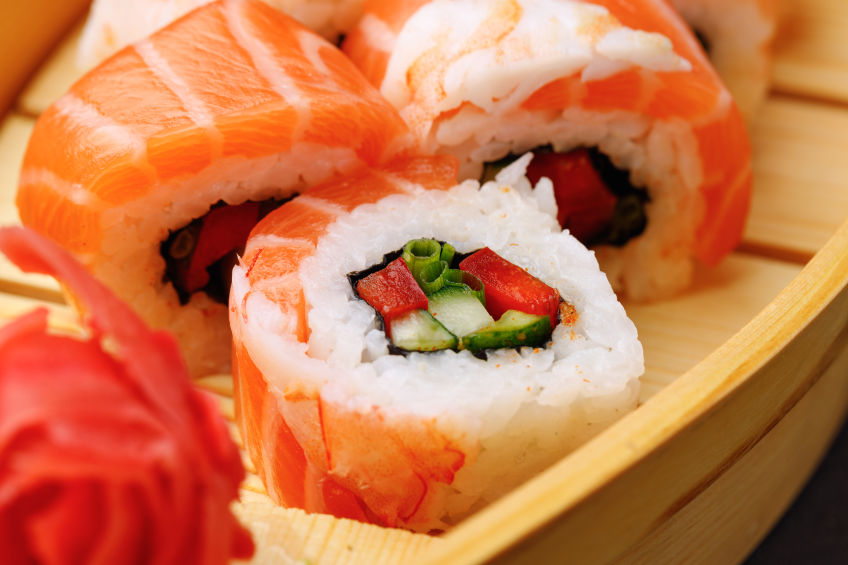

 Making sushi at home starts with one critical decision: choosing the right rice. You can’t just grab any rice from your pantry and expect good results.
The type of rice you select affects everything from how well your sushi holds together to how it tastes.
Sushi requires short-grain Japanese rice, specifically Japonica rice, which becomes sticky when cooked and holds its shape in rolls.
This rice has a round, plump grain with high moisture content and starch levels that create the signature texture sushi needs.
When seasoned with rice vinegar, sugar, and salt, this prepared rice becomes what’s known as sushi rice.
Understanding which rice works best and why will help you make better sushi. This guide covers the key qualities that make rice suitable for sushi, the specific varieties chefs prefer, and how to prepare and store your rice properly.
You’ll learn what to look for when shopping and how to avoid common mistakes that can ruin your sushi before you even start rolling.
Key Qualities of Sushi Rice
 Sushi rice needs specific physical and chemical properties to work properly in rolls and nigiri. The grain structure, starch composition, and seasoning absorption make it fundamentally different from other rice varieties.
Stickiness and Texture
The sticky texture of sushi rice allows it to hold together when shaped into rolls or pressed into nigiri. This stickiness comes from a careful balance that keeps the rice cohesive without becoming gummy or mushy.
Short-grain Japanese rice contains higher levels of amylopectin starch compared to long-grain varieties. This particular starch creates the adhesive quality you need for sushi that won’t fall apart when you pick it up with chopsticks or dip it in soy sauce.
The texture should feel firm but tender when you bite into it. Each grain stays distinct while still clinging to its neighbors.
Long-grain rice like basmati or jasmine won’t work for sushi because it stays too dry and separate after cooking.
Professional chefs serve sushi rice at body temperature, around 30-40°C (86-104°F). This warmth helps maintain the ideal texture while releasing the rice’s natural aroma.
Starch Content and Grain Size
Short-grain rice measures roughly 5mm in length, making it noticeably rounder and plumper than medium or long-grain varieties. The compact shape plays a direct role in how the rice behaves during cooking and forming.
The high amylopectin content in short-grain rice absorbs water differently than other types. You’ll notice the grains swell uniformly and create that characteristic sticky consistency when cooked properly.
Medium-grain rice like Calrose can work as an alternative for sushi in a pinch. It has enough starch to provide adequate stickiness, though it won’t match the quality of authentic Japanese short-grain varieties like Koshihikari or Sasanishiki.
Flavor Absorption and Aroma
Sushi rice must absorb the seasoning mixture of rice vinegar, sugar, and salt while the grains are still hot. The rice’s structure allows it to soak up this flavored liquid without becoming soggy or breaking apart.
Quality sushi rice has a mild, slightly sweet natural flavor that doesn’t compete with fish or other toppings. This neutral base lets the seasoning shine through and complements delicate seafood flavors.
Fresh rice provides better aroma than older grains. Shinmai (newly harvested rice) offers superior fragrance due to its higher moisture content.
The rice releases subtle nutty notes that enhance the overall sushi experience without overwhelming your palate.
Types of Rice Used for Sushi
 Not all rice works for sushi, and understanding the differences between rice types helps you pick the right one. The grain size and starch content determine whether rice will stick together properly or fall apart when you try to make rolls.
Japanese Short-Grain Rice (Japonica)
Japanese short-grain rice is the standard choice for sushi. These grains are short, plump, and almost round in shape.
You’ll often notice a small white spot on one end of each grain. This rice type contains high amounts of amylopectin starch, which makes it sticky when cooked.
The stickiness lets the rice hold together in rolls and nigiri without falling apart. When you cook it properly, the grains stay moist and slightly chewy.
Popular varieties include:
- Koshihikari – The most prized variety in Japan
- Akitakomachi – Known for its sweet flavor
- Sasanishiki – A traditional choice with good texture
You should look for packages labeled “sushi rice” or “Japanese short-grain rice” at the store. Fresh rice from the latest harvest, marked as shinmai, gives you the best flavor and texture.
Medium-Grain Rice and Calrose
Calrose rice is a medium-grain variety developed in California. It’s slightly longer than Japanese short-grain rice but still works for sushi.
Is Calrose rice sushi rice? Yes, it’s an acceptable substitute that many home cooks use. This rice costs less than imported Japanese rice and you can find it in most grocery stores.
The grains stick together well enough to form rolls, though the texture isn’t quite as authentic as true short-grain varieties. Medium-grain rice has less starch than short-grain, so it won’t be quite as sticky.
You’ll notice it works better for simple rolls than for delicate nigiri that needs to hold its shape perfectly.
Why Long-Grain Rices Don’t Work
Long-grain rice like jasmine rice for sushi doesn’t work because the grains stay separate after cooking. These varieties contain more amylose starch, which prevents them from sticking together.
When you try to make sushi with long-grain rice, the grains fall apart. You can’t form them into rolls or shape them for nigiri.
The texture stays dry and fluffy instead of moist and sticky. Jasmine rice and basmati rice are designed for dishes where you want separate grains, like fried rice or curry.
They lack the sticky quality that holds sushi together.
Popular Sushi Rice Varieties
 Several rice varieties have earned recognition among sushi chefs for their distinct characteristics.
Koshihikari dominates with over 30% of Japan’s rice production, while Sasanishiki remains valued for traditional preparations, and regional varieties like Hitomebore offer balanced alternatives.
Koshihikari
Koshihikari stands as Japan’s most widely grown rice variety, accounting for about one-third of the country’s total rice production. This variety grows in 43 of Japan’s 47 prefectures.
The rice has a naturally sweet flavor and sticky texture when cooked. Each grain maintains a glossy appearance and plump shape.
Koshihikari contains high levels of amylopectin, which creates its characteristic stickiness. Sushi chefs appreciate how this rice holds its form while still separating easily in your mouth.
The grains absorb sushi vinegar well and maintain their texture even after cooling. You’ll find Koshihikari at restaurants like Sushi Saito and many other established sushi venues.
The variety originated in Niigata and Fukui prefectures about 70 years ago. Despite being tall and vulnerable to disease initially, improved cultivation methods made widespread production possible.
Sasanishiki
Sasanishiki was developed in Miyagi Prefecture in 1963 and once shared the top position with Koshihikari. Now it represents only 1% of Japan’s rice farming space, earning it the nickname “rice of dreams” due to its scarcity.
This variety has less stickiness than Koshihikari and a lighter, more delicate flavor. The grains separate cleanly in your mouth, which makes them ideal for traditional sushi preparation.
Each grain shows a glossy, wet finish when cooked. Sasanishiki has a low lipid content and refreshing taste that doesn’t overpower the fish.
High-end sushi restaurants continue using it despite limited availability. The rice does have a shorter usable period after harvest compared to Koshihikari because it’s less resistant to oxidation.
Hitomebore and Other Regional Varieties
Japan produces a wide range of regional rice varieties, each valued for its unique balance of flavor and texture. Hitomebore is one of the most widely grown, developed in Miyagi Prefecture in 1981 from a cross between Koshihikari and Hatsuboshi.
Today, it accounts for about 9.4% of Japan’s rice production.
Hitomebore is prized for combining the rich flavor of Koshihikari with a lighter, cleaner finish. Its moderate stickiness makes it especially versatile for sushi, and its consistency has made it a favorite at restaurants such as Higashiazabu Amamoto.
Another notable variety is Tsuyahime from Yamagata Prefecture. With exceptionally high levels of glutamic and aspartic acids, it delivers pronounced sweetness and umami. Some chefs prefer Tsuyahime when they want the rice to play a central role in the dish, and it is served at restaurants like Sushi Yuu and Takagaki-no-Sushi.
Akitakomachi, developed in 1984, is known for its higher water content, allowing it to remain tender and flavorful even after cooling. Its glossy appearance also makes it a popular choice for nori rolls.
Together, these varieties highlight how regional rice differences can shape both flavor and presentation in sushi
Alternative Rice Options for Sushi
 When you can’t find traditional short-grain Japanese rice, medium-grain and long-grain varieties can work as substitutes with some adjustments. These alternatives won’t match authentic sushi rice perfectly, but they can produce acceptable results for home sushi making.
Calrose Rice as a Substitute
Calrose rice is the closest alternative to traditional sushi rice. This medium-grain variety has enough starch content to create the sticky texture you need for sushi rolls and nigiri.
Is Calrose rice sushi rice? While not technically traditional Japanese sushi rice, Calrose rice works well because it becomes sticky when cooked. The grains are slightly longer than short-grain rice but still clump together properly.
To prepare Calrose rice for sushi, rinse it until the water runs clear. Use a 1:1.2 ratio of rice to water.
Cook it using a rice cooker or the absorption method on your stovetop. Season the warm rice with your sushi vinegar mixture (rice vinegar, sugar, and salt).
The rice should be sticky enough to hold together when you form rolls or nigiri. This makes Calrose rice ideal for beginners who are learning to make sushi at home.
Jasmine Rice for Sushi: Pros and Cons
Jasmine rice for sushi requires special preparation because it’s naturally less sticky than short-grain varieties. This long-grain rice separates more easily, which creates challenges for rolling and forming sushi.
To make jasmine rice work, skip the rinsing step to keep the surface starch. Use more water than usual (1:1.5 ratio) and cook on lower heat.
Add a tablespoon of rice flour or cornstarch while cooking to increase stickiness. The main advantage of jasmine rice is its availability in most grocery stores.
It also adds a subtle floral aroma to your sushi. However, it won’t hold together as well as short-grain rice, making it difficult to work with for tight rolls or shaped nigiri.
Jasmine rice works best for simple rolls and sushi bowls where perfect binding isn’t required. You’ll need to handle it more gently and work quickly to prevent the rice from falling apart.
How to Prepare Sushi Rice
 Making sushi rice requires three key steps: washing away excess starch, cooking the rice to the right texture, and mixing it with a vinegar seasoning.
Each step affects how well your rice holds together and tastes.
Washing and Soaking the Rice
Rinse your rice several times before cooking to remove excess surface starch. Place it in a large bowl, cover with cold water, and swirl gently with your hand.
Drain the cloudy water, then repeat this process about three to five times. Stop once the water looks mostly clear—otherwise, you risk ending up with gummy rice.
After rinsing, let the rice soak in fresh water for 20 to 30 minutes. This short wait really helps the grains cook more evenly and take up water more efficiently.
Cooking Methods for Best Texture
If you have a rice cooker, it’s the simplest way to get consistent results. Use a 1:1 ratio of rice to water, or maybe just a touch less water than rice, and let the cooker handle the rest.
For the stovetop, combine your rinsed rice and water in a heavy-bottomed pot. Bring it to a boil over high heat, then immediately reduce to the lowest setting and cover tightly.
Simmer for 15 to 20 minutes, letting the water absorb completely. Remove from the heat, but don’t lift the lid—let it steam for another 10 minutes.
This final steaming step is what ensures the grains are cooked through, not mushy or underdone. It’s tempting to peek, but try to resist.
Seasoning with Rice Vinegar
While the rice cooks, mix up your seasoning. Combine 1/4 cup rice vinegar for sushi, 2 tablespoons sugar, and 1 teaspoon salt in a small saucepan.
Heat gently over low, stirring until dissolved, but don’t let it boil. The goal is just to blend everything smoothly.
Transfer the cooked rice to a wide, shallow bowl. Pour the cooled vinegar mixture evenly over the hot rice.
Use a rice paddle to cut and fold the vinegar in with gentle slicing motions. Avoid mashing or stirring too aggressively—the grains should stay intact.
Fan the rice as you mix to cool it quickly. This gives a glossy finish and helps the grains firm up. Once it’s at room temperature, your rice is ready.
Tips for Selecting and Storing Sushi Rice
 Quality sushi really starts with fresh rice, properly stored. Good selection and the right storage keep your rice sticky, flavorful, and easy to work with.
Choosing Quality and Freshness
Look specifically for rice labeled for sushi—short-grain types with higher starch content. If possible, check the packaging date; fresher rice just tastes and feels better.
Buy from stores with high turnover, like Asian groceries, to increase your chances of getting a recent batch. The grains should be white and uniform, with no yellowing or odd colors.
Quality indicators to check:
- Clear packaging so you can actually see the grains
- No visible moisture or condensation inside the bag
- Uniform grain size and color
- Harvest or packaging date within the past year
Proper Storage for Optimal Taste
Store uncooked sushi rice in an airtight container. Keep it in a cool, dry spot out of direct sunlight.
A pantry or cupboard usually does the trick. This helps prevent moisture from sneaking in and keeps insects at bay.
Try to use your rice within six months. After that, it tends to lose both moisture and flavor, which is a bit disappointing if you’re after that perfect texture.
Mark the purchase date on the container so you can keep an eye on freshness. It’s a simple step, but easy to forget.
Don’t refrigerate uncooked rice. Cold storage can actually introduce unwanted moisture, and that never helps with cooking quality.
Also, keep rice away from strong-smelling foods. It’s surprisingly good at picking up odors you probably don’t want in your sushi.
Once you’ve cooked and seasoned the rice, it’s best to use it the same day. That’s really the only way to keep the texture just right and ensure food safety.
If you need to save it, store the rice in an airtight container at room temperature for no more than four hours. Refrigeration makes sushi rice hard and dry, which can ruin the whole experience.