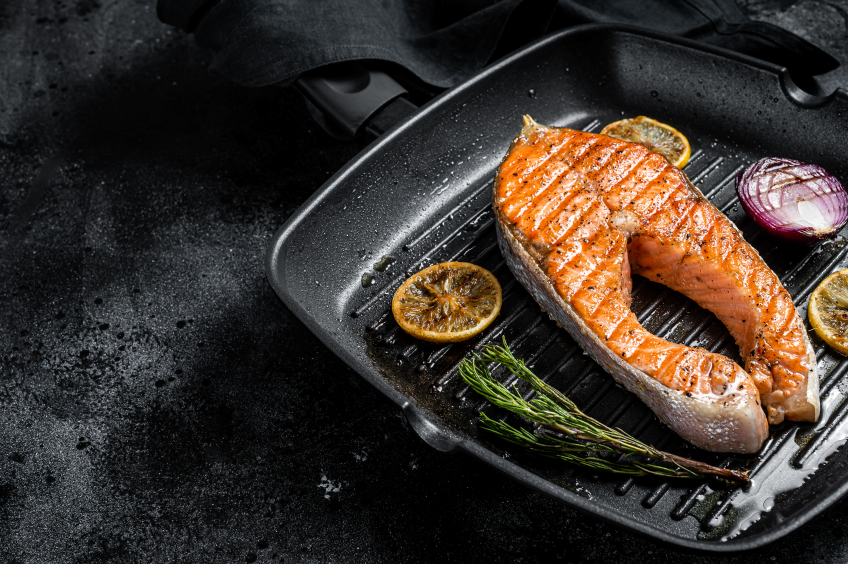


Grilling fish brings out rich, smoky flavors that other cooking methods can’t achieve. The heat caramelizes the exterior and keeps the interior moist, creating a contrast in texture and taste that appeals to seafood lovers.
Salmon consistently ranks as the tastiest grilled fish due to its natural oils, firm texture, and ability to develop a flavorful crust while staying moist inside.
The “tastiest” fish ultimately depends on your personal preferences for flavor intensity, texture, and how well the fish absorbs smoky, charred notes from the grill.
Some people prefer the mild sweetness of snapper or halibut. Others enjoy the bold, rich taste of tuna or mackerel.
The key to finding your favorite grilled fish is understanding how different species behave on the grill and what flavor profiles appeal to your palate. You’ll discover which fish hold up best to high heat and which cooking techniques bring out the most flavor.
Learn how to select and prepare fish that will impress at your next cookout.
Top Picks for the Tastiest Grilled Fish
 Salmon, swordfish, tuna, and several specialty fish deliver the best flavor and texture when grilled. Each offers distinct characteristics that make grilling the ideal cooking method.
Why Salmon Dominates the Grill
Salmon ranks as the most popular grilled fish because of its high fat content and bold flavor. The natural oils keep the flesh moist during cooking and create a rich taste that pairs well with smoke from the grill.
Grilled salmon develops a crispy, caramelized exterior while maintaining a tender center. The fat content ranges from 10-15% in varieties like King and Sockeye, which prevents drying even at high temperatures.
Grill salmon with the skin on to protect the flesh and add texture. Cook it for 4-5 minutes per side over medium-high heat.
The skin crisps beautifully and helps hold the fillet together during flipping. Atlantic, Coho, and Sockeye salmon all grill successfully, though wild-caught varieties typically offer stronger flavor than farm-raised options.
Swordfish: The Steak of the Sea
Swordfish features a meaty, dense texture that resembles beef more than traditional fish. This firm structure makes it one of the easiest fish to grill without worrying about it falling apart.
Grilled swordfish holds up to direct heat and develops excellent grill marks. The thick steaks, typically cut 1-1.5 inches, require 5-6 minutes per side to reach the FDA-recommended internal temperature of 145°F.
The mild, slightly sweet flavor works with various marinades and seasonings. Swordfish absorbs Mediterranean ingredients like olive oil, lemon, and garlic particularly well.
Its low flake separation allows you to flip it confidently with standard grill tools. The flesh stays intact even when moved multiple times during cooking.
Tuna Steaks: Bold Flavor and Perfect Texture
Tuna steaks deliver a steak-like experience with their dense, firm texture and rich flavor. Yellowfin and Bluefin tuna are the top choices for grilling because of their meaty consistency.
Grill tuna steaks quickly over high heat—just 2-3 minutes per side. This creates a caramelized crust while keeping the center rare or medium-rare, which preserves the best flavor and texture.
Overcooking tuna results in dry, tough meat. The flesh should remain pink in the center for optimal taste and moisture.
Grilled tuna pairs exceptionally well with Asian-inspired marinades featuring soy sauce, ginger, and sesame oil. The low fat content compared to salmon means tuna benefits from light oil coating before grilling to prevent sticking.
Unique Choices: Snapper, Mahi Mahi, and Halibut
Mahi mahi offers firm flesh with a slightly sweet, mild flavor that holds together well on the grill. Cook it for 3-4 minutes per side over medium heat to maintain moisture.
The fish develops attractive grill marks and resists breaking apart during flipping. Halibut provides thick, meaty fillets that stay intact under high heat.
Grilled halibut has a mild taste that accepts various marinades and sauces. Its moderate fat content prevents excessive drying when cooked for 4-5 minutes per side.
Snapper, particularly red snapper, grills best when cooked whole with the skin on. Grilled red snapper benefits from stuffing the cavity with lemon slices and fresh herbs.
The skin protects the delicate flesh and crisps nicely after 6-7 minutes per side. Grilled sea bass and grilled branzino (European sea bass) deliver delicate yet firm flesh with naturally rich flavor.
Both work well grilled whole, developing crispy skin while the interior stays moist and flaky.
Flavor Profiles of Popular Grilled Fish
 Grilled fish offers a wide range of tastes and textures based on fat content, meat structure, and natural flavor intensity. Understanding these differences helps you choose the right fish for your preferences and cooking style.
Comparing Fatty vs. Lean Fish
Fatty fish contain higher levels of natural oils and omega-3 fatty acids, which keep them moist during grilling. Salmon steaks exemplify this category with their rich, buttery taste that intensifies when exposed to heat.
These fish develop beautiful caramelization on the outside while staying tender inside. Other fatty options like mackerel and tuna carry bold, distinctive flavors that stand up well to smoke and char.
The natural oils in these fish prevent drying and create a more forgiving grilling experience for beginners. Lean fish like halibut, snapper, and grouper have less fat content and require more attention during cooking.
Brush lean fish with butter or oil before grilling to prevent sticking and drying. These fish offer cleaner, more subtle tastes that showcase grill marks and smoky notes without competing flavors.
Texture: Firm, Flaky, and Everything in Between
Firm fish hold their shape on the grill and won’t fall apart when you flip them. Swordfish, tuna, and mahi-mahi have dense, meaty textures similar to steak.
You can flip these multiple times without worry. Flaky fish like trout, tilapia, and branzino have more delicate structures that separate into tender pieces when cooked.
These work best in grill baskets or cooked whole with skin on for protection. The skin crisps up and creates a barrier that keeps the meat moist.
Salmon offers a middle ground with moderately firm flesh that flakes gently when done. Grouper provides thick, chunky white flakes that maintain structure while still offering that classic fish texture.
Mild, Sweet, and Bold Tastes
Mild fish like tilapia, halibut, and mahi-mahi have subtle flavors that take on whatever seasonings you apply. These neutral options pair well with bold marinades, spice rubs, and sauces.
Snapper carries a slight natural sweetness alongside its mild taste. Sweet fish including lobster, scallops, and branzino develop candy-like qualities when grilled.
The high heat caramelizes their natural sugars and creates depth. Red snapper falls into this category with its delicate sweetness that intensifies over flames.
Bold fish like mackerel, tuna, and salmon have distinctive, rich flavors that don’t need much seasoning. These stand up to smoke and char without losing their character.
Simple salt and pepper often work best to let the natural taste shine through.
Best Cooking Methods for Maximum Flavor
 The right grilling technique affects how your fish tastes more than the type of fish you choose. Direct heat creates a crispy exterior on thick cuts, while foil packets lock in moisture for leaner varieties.
A grill basket prevents delicate fillets from falling apart.
Direct Heat Grilling
Direct heat works best for thick, firm fish like salmon, tuna, and swordfish that can handle high temperatures without drying out. Place your fish directly on a clean, well-oiled grill grate over medium-high heat.
Preheat your grill to 375-450°F before adding the fish. Oil both the grill grates and the fish surface to prevent sticking.
For most fish steaks or thick fillets, cook 4-5 minutes per side without moving them. Flip fish when grilling only once to get clean grill marks and keep the fish intact.
Use a wide spatula and slide it gently under the entire piece before turning. Your fish is ready to flip when it releases easily from the grates.
Cook until the internal temperature reaches 145°F. Fatty fish like grilled salmon steak develop a beautiful crust while staying moist inside when cooked over direct heat.
Grilling with Foil Packets
Foil packets trap steam and natural juices around the fish, making this method ideal for lean varieties like halibut, snapper, or cod. The enclosed environment prevents the fish from drying out while infusing it with aromatics.
Place your fish on a large piece of heavy-duty aluminum foil. Add thin slices of lemon, herbs, butter, or vegetables around the fillet.
Fold the foil over and crimp the edges to seal completely. Grilled salmon in foil takes 10-15 minutes over medium heat depending on thickness.
The packet creates a mini-oven that cooks the fish evenly without the risk of it sticking to grates. Open the packet during the last 2-3 minutes to let excess moisture escape and concentrate flavors.
Using a Grill Basket for Delicate Fish
A grill basket solves the problem of fragile fish breaking apart when you try to flip it. Whole trout, tilapia fillets, and panfish stay intact inside the basket’s protective cage.
Choose a basket with a non-stick coating or oil it thoroughly before use. Place your seasoned fish inside and close the latch.
The basket sits directly on the grill grates and you flip the entire basket instead of handling the fish itself. Cook thin fillets for 3-4 minutes per side and whole small fish for 5-7 minutes per side.
The basket’s bars create grill marks while the mesh design allows smoke flavor to penetrate. This method gives you the char and taste of direct grilling without the technical difficulty.
Regional and Specialty Grilled Fish Delights
 Different regions transform grilled fish into signature dishes that reflect local ingredients and cooking traditions. From Mexican fish tacos to Mediterranean sea bass, these preparations showcase how grilling techniques adapt to cultural flavors.
Grilled Fish Tacos and Classic Fish Dishes
Grilled fish tacos represent one of the most popular ways to serve grilled seafood. You can use mahi mahi, snapper, or halibut for tacos, seasoning the fish with cumin, chili powder, and lime before grilling.
Flake or cut the fish into chunks after grilling, then place it in warm tortillas. Top your tacos with cabbage slaw, pico de gallo, and salsa verde for a bright, acidic contrast to the smoky fish.
Crema or avocado adds richness. Grilled panfish also works well in tacos when you remove the bones after cooking.
The crispy skin and tender meat create good texture variety in each bite.
Global Inspirations and Mediterranean Flavors
Mediterranean grilled sea bass uses olive oil, garlic, oregano, and lemon zest as the main seasonings. Grill sea bass whole with herbs like thyme or rosemary stuffed in the cavity, which keeps the flesh moist while the skin crisps.
The Mediterranean approach emphasizes simple preparation that lets the fish flavor come through. Garlic butter works as a finishing sauce for many grilled fish dishes, particularly when you add fresh parsley and lemon juice.
Jerk-style grilling brings Caribbean flavors to fish like snapper or mackerel. The spice blend includes allspice, thyme, scotch bonnet peppers, and ginger.
Use fattier fish varieties that can handle the bold seasoning without being overwhelmed.
Seafood for Fish and Chips
Traditional fish and chips uses battered and deep-fried fish, not grilled fish. However, you can create a lighter version by grilling thick white fish like halibut or cod instead of frying.
Grilled fish for this purpose needs to be firm enough to hold together when served with chips. Season the fish simply with salt, pepper, and lemon to keep the classic flavor profile recognizable.
The fish won’t have the crispy coating you get from frying, but grilling reduces the oil content significantly. Serve your grilled fish with malt vinegar and tartar sauce to maintain the traditional accompaniments.
Lesser-Known and Local Favorites
 Grilled branzino, mackerel, and freshwater species like trout and perch offer unique flavors that rival popular choices.
These fish bring delicate textures and distinct tastes that work perfectly on the grill.
Branzino and Sea Bass on the Grill
Grilled branzino delivers a mild, slightly sweet flavor with tender, flaky flesh that stays moist over high heat.
This Mediterranean fish has a thin skin that crisps beautifully when grilled whole.
You can prepare grilled sea bass using the same techniques as branzino.
Both fish benefit from simple seasonings like lemon, olive oil, and fresh herbs.
The meat separates easily from the bone when cooked properly.
Grill these fish whole at medium-high heat for 4-5 minutes per side.
The skin protects the delicate meat and adds a satisfying crunch.
Stuff the cavity with herbs and citrus slices to enhance the natural flavors without overpowering the fish.
Mackerel, Panfish, and Bluegill Secrets
Mackerel has a rich, oily texture with bold flavor that stands up to direct grilling.
Spanish mackerel and king mackerel both work well on the grill when you use high heat to crisp the skin while keeping the inside moist.
Panfish and bluegill are freshwater options with sweet, mild meat.
These smaller fish grill quickly and develop a light char that complements their delicate taste.
You need to clean them thoroughly and keep the skin on for grilling.
Oil the grill grates well before cooking these fish to prevent sticking.
Mackerel pairs with mustard glazes or pickled vegetables that cut through its richness.
Panfish and bluegill need only butter, garlic, and lemon to bring out their natural sweetness.
Trout, Perch, and Other Freshwater Options
Trout offers a nutty, clean flavor that grills exceptionally well.
Rainbow trout and brook trout both have tender flesh that cooks evenly over medium heat.
The skin crisps nicely while the meat stays flaky.
Perch has a slightly sweet taste with firm white meat that holds together on the grill.
Yellow perch and walleye respond well to simple preparations that let their mild flavor shine through.
Grill trout whole or as fillets, depending on size.
Larger trout work better whole with the bones in, while smaller fillets cook faster.
Perch fillets need only 3-4 minutes per side on a well-oiled grill.
Use a fish basket for smaller pieces to make flipping easier and prevent them from falling through the grates.
Choosing and Preparing Fish for Grilling
 Success with grilling fish starts at the market and continues through your prep work.
The right selection and proper preparation techniques prevent common problems like sticking, breaking, and drying out.
Selecting the Freshest Fish
Fresh fish should smell clean like the ocean, not fishy or ammonia-like.
Look for firm flesh that springs back when pressed gently with your finger.
Whole fish need clear, bright eyes and bright red gills.
Fish steaks and fillets should have moist, glossy flesh without any discoloration or brown edges.
Avoid pieces with gaps between the muscle segments or any that look dried out.
At the counter, fish should rest on ice and stay cold.
Firm-fleshed fish work best for grilling. Salmon, swordfish, tuna, mahi mahi, and halibut hold up well to high heat.
These varieties have dense muscle structure and won’t fall apart on the grates.
Fattier fish like salmon and mackerel resist drying out better than lean options like halibut or swordfish.
If you choose leaner fish, watch cooking times closely to prevent overcooking.
Prepping Fillets, Steaks, and Whole Fish
Thickness matters more than anything else. Portions between 3/4 inch and 1 1/2 inches thick cook evenly without burning outside or staying raw inside.
Cut thinner pieces into chunks for salmon skewers or use a grilling basket.
Pat all fish completely dry with paper towels before seasoning.
Excess moisture creates steam and prevents proper browning.
For skin-on fillets, leave the skin intact as it protects the flesh and prevents sticking.
Scale whole fish first, then trim all fins with kitchen shears to prevent burning.
Make diagonal slashes through the thickest parts, spacing them 1-2 inches apart.
These cuts help thick sections cook at the same rate as thinner belly areas.
Oil the fish directly rather than the grill grates.
Brush both sides with neutral oil like canola or grapeseed to create a barrier that reduces sticking.
Marinades, Rubs, and Flavor Pairings
Limit marinade time to 30-60 minutes maximum for fish.
Acidic ingredients like lemon juice, vinegar, or wine change the texture and make flesh mushy if left too long.
This differs from meat, which can marinate for hours.
Dry rubs work better than marinades for maintaining firm texture.
Mix salt, pepper, and dried herbs or spices, then coat fish 15-30 minutes before grilling.
Bold spices like cumin, paprika, or chili powder pair well with richer fish like salmon and mackerel.
Delicate white fish like halibut and snapper need lighter seasoning.
Simple salt, pepper, and fresh herbs like dill or parsley let the natural flavor show through.
Rich, oily fish can handle stronger flavors including garlic, ginger, soy sauce, or aggressive spice blends.
Pair fatty fish with acidic elements to cut richness.
Serve grilled mackerel with citrus, pickled onions, or vinegar-based sauces.
Delicious Grilled Fish Recipes to Try
 Grilled fish recipes range from straightforward preparations that highlight natural flavors to more complex dishes featuring marinades and toppings.
The best approaches depend on the type of fish and how much time you have for preparation.
Simple Grilled Salmon and Steaks
Salmon steaks and fillets are among the easiest fish to grill because they hold together well and develop a flavorful crust.
For basic grilled salmon steak, brush both sides with olive oil and season with salt and pepper, then grill 4-5 minutes per side over medium-high heat.
A maple soy marinade creates depth without overwhelming the fish.
Mix equal parts maple syrup and soy sauce, add minced garlic, and marinate the salmon for 30 minutes before grilling.
Tuna steaks require even less time on the grill.
Coat them in sesame oil and sear 2-3 minutes per side for a medium-rare center.
The high fat content in both salmon and tuna prevents them from drying out during cooking.
For salmon skewers, cut the fish into 1.5-inch cubes and thread onto soaked wooden skewers.
These cook faster than whole pieces and work well for appetizers or parties.
Citrus and Herb Flavors for White Fish
White fish like cod, tilapia, and halibut benefit from bright, acidic marinades that complement their mild taste.
Grilled cod pairs well with a mixture of lemon juice, olive oil, and fresh herbs like dill or parsley.
For grilled tilapia, combine lime juice with cilantro and garlic for a quick 15-minute marinade.
The delicate texture means you should use a fish basket or grill directly on well-oiled grates to prevent sticking.
A garlic butter adds richness to grilled halibut without masking its natural sweetness.
Simply mix softened butter with minced garlic, chopped cilantro, and a squeeze of lemon, then top the cooked fish with a dollop.
Swordfish handles bold flavors like citrus salsa made from diced oranges, grapefruit, red onion, and jalapeño.
The firm texture of swordfish makes it one of the most forgiving white fish options for grilling.
Creative Uses: Skewers, Sandwiches, and More
Fish tacos transform grilled fish into a complete meal. Grill seasoned tilapia or mahi mahi, then break it into chunks and serve in warm tortillas with cabbage slaw and chipotle-lime dressing.
Use firm white fish like grouper or cod for grilled fish sandwiches. Season the fillets and grill them until cooked through.
Serve the fish on toasted buns with lettuce, tomato, and tartar sauce or aioli.
Try skewers with cubes of swordfish, cherry tomatoes, bell peppers, and red onion. Brush them with olive oil and grill, turning every 3 minutes until the fish becomes opaque.
Stuff whole trout with fresh herbs, lemon slices, and garlic for an impressive presentation. Grill the stuffed trout directly on the grates for 5-6 minutes per side.
The skin protects the meat and adds flavor during cooking.
Choosing the Right Serving Platter for Effortless Entertaining
 When it comes to serving food at the table, the right platter can quietly elevate the entire meal. Whether you’re hosting guests or simply enjoying a relaxed family dinner, a well-chosen serving dish helps food look more intentional and inviting without extra effort.
The Sweese 2-Pack Porcelain Oval Serving Platters are a practical yet elegant option for everyday meals and special occasions alike. Their 14.5-inch oval shape offers plenty of space for serving main dishes, from roasted meats and grilled seafood to seasonal vegetables and shared appetizers. The elongated design feels balanced and visually appealing, especially when presenting food meant to be shared.
Made from high-grade, durable porcelain, these platters strike a nice balance between professional quality and home-kitchen usability. They feel sturdy in hand, resist everyday wear, and clean up easily after meals — an important detail when you’re entertaining or cooking multiple dishes at once. The classic white finish also makes them incredibly versatile, pairing well with any table setting or style.
Having two matching platters in the set adds even more flexibility. You can serve multiple dishes at once or keep one ready for sides, bread, or garnishes. If you’re looking to simplify your serving setup while still maintaining a polished look, these porcelain platters from Sweese are a smart addition to any kitchen.