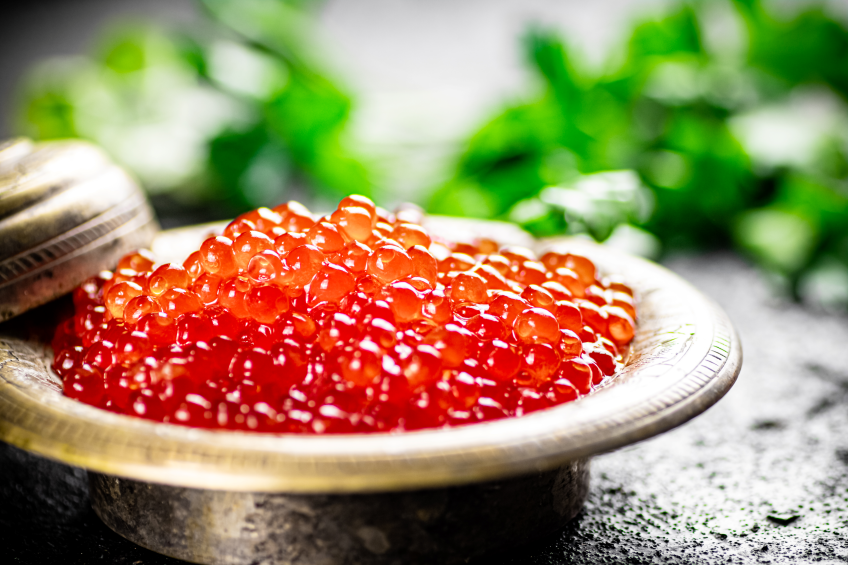

 Roe offers a unique eating experience. These fish eggs have been enjoyed across cultures for centuries, yet many people aren’t quite sure how to approach them.
The good news is that roe can be enjoyed in many ways, from simple to fancy preparations.
The best way to eat roe is raw and chilled, served with minimal accompaniments like toast points, blinis, or as a garnish on dishes such as sushi, pasta, or eggs.
This method lets you taste the natural briny flavor and pop of the eggs without altering their texture. Raw roe is especially suited for high-quality options like salmon roe or caviar.
That said, eating roe raw isn’t your only choice. You can also cook roe through pan-frying, steaming, or grilling, each method bringing out slightly different flavors and textures.
Understanding which type of roe you have and what you want from the eating experience will help you pick a preparation method. Let’s look at how to select, handle, and enjoy roe in ways that work for your taste and skill level.
Understanding Roe: Types, Qualities, and Selection
 Roe comes in many varieties with distinct flavors, textures, and price points. Knowing how to spot quality roe and what makes each type unique can help you make better choices when buying and serving it.
Common Varieties of Roe and Their Distinct Flavors
Sturgeon roe produces true caviar and offers a rich, buttery flavor with a smooth texture. The eggs range from dark gray to golden, depending on the sturgeon species.
Beluga, Osetra, and Sevruga are the most prized types. Salmon roe features large, bright orange eggs with a noticeable pop when you bite them.
The flavor is bold and a bit sweet, with a clean ocean taste. You’ll often see salmon roe in sushi restaurants, where it’s called ikura.
Trout roe looks similar to salmon roe but is smaller. The eggs have a mild, delicate flavor that can be appealing to those new to eating roe.
Tobiko comes from flying fish and appears in bright colors like orange, red, green, or black. These tiny eggs add a crunchy texture and a subtle smoky taste to dishes.
Masago is capelin roe with very small eggs and a mild flavor. It costs less than tobiko and is a budget-friendly option for everyday meals.
How to Choose High-Quality Roe
Fresh roe should smell like clean ocean water, not fishy or sour. The eggs need to look firm and intact, not mushy or broken.
Each egg should be separate, not clumped together. Check the packaging date and buy from trusted sellers who store roe at proper temperatures.
Quality roe has consistent color and size throughout the container. Avoid roe that looks dull, has excess liquid, or shows signs of damage.
The eggs should glisten a bit and hold their shape. If you press gently on the container, the eggs should move freely.
Refrigerated roe lasts longer and maintains better quality than roe stored at room temperature.
Differences Between Roe and Caviar
Caviar refers only to salt-cured roe from sturgeon fish. All caviar is roe, but not all roe is caviar.
The term “caviar” legally applies to sturgeon roe in many countries. Other fish eggs are called roe, even if they’re salt-cured the same way.
Salmon roe, trout roe, and other varieties can’t be labeled as caviar. The distinction matters for pricing, since true caviar costs significantly more than other types of roe.
Both caviar and roe undergo similar preparation processes. Salt curing preserves the eggs and enhances their flavor.
The main difference comes down to the source fish rather than the preparation method.
Safe Handling and Preparation of Roe
 Roe requires careful attention from purchase to plate. It spoils quickly and may carry bacteria if not handled well.
Proper cleaning and cold storage protect both flavor and safety. Start by gently rinsing your roe under cold running water to remove debris, blood, or membrane fragments that could affect taste or texture.
Cleaning and Rinsing Techniques
Use your hands to feel for any remaining pieces of membrane or tissue. Remove these gently to avoid breaking the delicate eggs.
Pat the roe dry with paper towels after rinsing.
Important cleaning steps:
- Keep water pressure low to prevent egg damage
- Work quickly to minimize temperature exposure
- Discard any roe that smells strongly fishy or looks dull
- Check for discoloration or signs of spoilage
Fresh roe should appear glossy and bright with a mild, briny ocean smell. If you notice a strong odor or cloudy appearance, it’s best not to use it.
Optimal Storage Methods for Freshness
Store roe in the coldest part of your refrigerator right after purchase. This is usually the back of the bottom shelf, where temperatures are most consistent.
Place the roe in a sealed container or wrap it tightly in plastic wrap. This keeps air out and prevents other food odors from affecting the flavor.
Use fresh roe within 1-2 days of purchase for best quality. You can freeze roe for longer storage, but this does change the texture.
Frozen roe works better for cooked dishes than for raw preparations. Thaw frozen roe slowly in the refrigerator, never at room temperature.
Keep your refrigerator at 32-38°F for optimal preservation. Higher temperatures speed up spoilage and bacterial growth.
Enjoying Roe Raw: The Purest Experience
 Raw roe delivers the most authentic taste and delicate texture of fish eggs. The fresh, briny flavor comes through without interference from cooking.
Savoring Roe Plain or with Minimal Accompaniments
Eating roe plain lets you experience its true ocean flavor and pop-in-your-mouth texture. Place a small spoonful directly on your tongue and let the eggs burst gently as you press them against the roof of your mouth.
This approach works best with high-quality, fresh roe. Simple accompaniments can highlight roe without covering its natural taste.
Try serving it on lightly buttered toast or plain crackers as a base. A small dollop of crème fraîche or sour cream adds richness without overwhelming the eggs.
You might mix roe with finely chopped onion and fresh dill for a classic preparation. A light squeeze of lemon juice or a crack of black pepper can brighten the flavor.
Keep additions minimal so the roe remains the star. Ensure your roe comes from a trusted source and has been properly processed before eating it raw.
Fresh roe should look bright and glossy with a mild ocean smell. Avoid roe that appears dull or has a strong fishy odor.
Eating Roe in Sushi, Sashimi, and Hand Rolls
Roe appears frequently in Japanese cuisine as a popular topping and filling. Ikura (salmon roe) often sits atop nigiri sushi, where the rice and fish provide a neutral backdrop for the eggs.
The combination of warm rice and cool, bursting roe creates an appealing contrast in temperature and texture. You’ll find roe used in various sushi styles.
It can be wrapped in nori seaweed for gunkan maki (battleship rolls), creating a small cup that holds the eggs in place. Hand rolls also feature roe mixed with ingredients like cucumber and avocado.
Roe adds both flavor and visual appeal to sashimi platters. Chefs use it as a garnish or serve it in its own small dish alongside sliced raw fish.
The bright orange or red eggs stand out against the pale fish and white plates. When eating roe in sushi, use chopsticks or your hands to pick up the piece.
Dip the fish side lightly in soy sauce if desired, keeping the roe side up to prevent the eggs from absorbing too much liquid and losing their texture.
Classic Caviar Service and Etiquette
 Caviar service follows specific traditions that protect flavor and maintain the delicate structure of the roe. Temperature control and proper utensils are key to correct caviar presentation.
Traditional Ways to Serve and Taste Caviar
Keep caviar at 28–32°F by placing the tin on a bed of crushed ice in a crystal or silver server. Never stir or mix the roe aggressively; use a gentle scooping motion from the surface.
Serve caviar in its original tin to preserve freshness. Present small portions of ½ to 1 ounce per person for formal tastings.
For cocktail service, offer one small spoonful at a time. Take caviar onto your spoon and place it on your tongue.
Press the roe gently against the roof of your mouth to release the flavor. Don’t chew it right away—let the eggs burst naturally to experience the full taste profile.
Some traditions involve eating caviar from the back of your hand, placed in the space between your thumb and index finger. This method warms the roe slightly with body heat, though most formal settings skip this practice in favor of proper serving tools.
Proper Utensils and Customs for Eating Caviar
Always use mother-of-pearl, bone, or gold-plated spoons when serving caviar. Metal spoons made of steel or silver can create a metallic taste that ruins the delicate flavor.
Non-reactive materials protect the natural buttery and nutty notes.
Essential serving tools include:
- Mother-of-pearl or bone spoons
- Crystal or silver ice server
- Caviar key for opening tins
- Small non-reactive bowls
Wait for your host to serve the first portion before taking any yourself. Accept modest servings and avoid repeated self-service without invitation.
Hold the tin by its sides to prevent heat transfer from your hands. Keep conversation light during the first taste to focus on texture and flavor.
Cooking Techniques for Roe: From Gentle Heat to Rich Dishes
 Cooking roe requires careful attention to temperature and timing. High heat can quickly turn tender eggs rubbery, while gentle methods help maintain their signature pop and creamy interior.
Pan-Frying and Sautéing Roe
Pan-frying gives roe a crisp exterior while the inside stays creamy. Start by dusting the roe lightly with flour or cornstarch—this helps with that golden crust.
Heat oil in a pan over medium-high. Place the roe gently in the pan and cook for 2-3 minutes per side, until golden brown. Try not to move the roe much while it cooks.
Season with salt, pepper, and maybe a sprinkle of fresh herbs such as dill or parsley. This approach is especially suited to larger roe sacs from salmon or trout.
The contrast between the crispy outside and soft interior is ideal for serving on toast with lemon wedges. You can also grill roe for a smoky note—just brush the sacs with olive oil and grill for 2-5 minutes on each side.
Poaching, Steaming, and Baking Methods
Poaching and steaming keep roe moist and don’t add extra fat. These gentle techniques are best for more delicate roe that might fall apart if handled roughly.
For steaming, place roe in a steamer basket above simmering water for 5-10 minutes, just until cooked through. The eggs should stay tender and a bit translucent.
Steamed roe custard is another option—beat eggs with stock, fold in small pieces of roe, and steam on low for around 15 minutes. Baking works when roe is mixed into other dishes.
Try combining chopped roe with minced fish, egg, and breadcrumbs to form patties. Bake at 375°F until golden, which usually takes about 20 minutes.
Incorporating Roe into Sauces, Custards, and Pastas
Roe brings a rich, briny punch to sauces and spreads, often without needing any heat. Grated bottarga blended with olive oil becomes a savory paste for crostini or pasta.
For pasta, toss cooked noodles with olive oil and grated cured roe. The warmth of the pasta gently softens the roe without cooking it further. Add a bit of lemon zest and black pepper for brightness.
Taramosalata, a Greek dip, blends salted cod or carp roe with olive oil, lemon juice, and bread or potatoes. The result is a creamy spread, great for vegetables or pita bread.
When making roe-based sauces, add the eggs at the end to keep them tender. You can also fold small amounts of roe into cream sauces just before serving, letting them release flavor without losing their texture.
Creative Pairings and Serving Ideas for Roe
 Roe pairs best with mild, complementary flavors that let its natural brininess shine. The key is balancing the salty richness of fish eggs with neutral bases, fresh elements, and creamy textures. This lets roe stand out and adds visual appeal to dishes.
Best Foods and Flavors to Complement Roe
Citrus fruits are an excellent match for roe. Lemon juice, yuzu, or lime zest can brighten the salty flavor and cut through the richness. Sometimes, just a squeeze of lemon over salmon roe is enough to transform the taste.
Creamy ingredients also work well. Crème fraîche, sour cream, cream cheese, and Greek yogurt all mellow the saltiness while bringing a smooth texture. Avocado, with its buttery character, pairs naturally with most types of fish eggs.
Fresh herbs like dill, chives, and parsley offer aromatic notes without competing with the roe. Mild starches such as steamed rice, boiled potatoes, or plain pasta serve as blank canvases that soak up the roe’s flavor. For cheese, milder options like fresh goat cheese or mild cheddar are preferable over stronger, aged varieties.
Topping Toasts, Crackers, and Appetizers
Toast points and crackers are classic vehicles for roe. Spread a thin layer of butter or cream cheese on toasted baguette slices, then add a small spoonful of roe. The crunch contrasts nicely with the eggs’ pop.
Blinis—those small Russian pancakes—are traditional with caviar. Their soft, slightly sweet base highlights the roe, and you can make them at home or buy them ready-made.
For quick appetizers, top cucumber rounds with crème fraîche and salmon roe. The cucumber’s freshness balances the richness of the eggs. Stuffing cherry tomatoes with a cream cheese mixture and a crown of roe creates colorful, bite-sized snacks.
Deviled eggs take on a more elegant character when topped with fish eggs, adding visual appeal and a burst of extra flavor.
Using Roe in Modern Recipes and Plating
Pasta dishes really come alive with a bit of roe. Tossing warm spaghetti with butter, lemon zest, and a scoop of fresh roe creates a meal that’s both simple and surprisingly refined.
The heat from the pasta just barely warms the eggs—they don’t actually cook, which keeps their texture intact.
Roe can also be folded into scrambled eggs right at the end of cooking. Alternatively, try it as a topping for finished egg dishes.
If you’re leaning toward Asian-inspired plates, ikura (salmon roe) works well on poke bowls or rice bowls. A dash of soy sauce and a drizzle of sesame oil tie things together nicely.
Modern plating tends to focus on smaller portions and a bit of artistry. For example, you might place a quenelle of crème fraîche on the plate, then spoon roe on top and finish with a handful of microgreens.
Another idea: use roe as a final flourish on soup. Just before serving, drop a small spoonful in the center to add flavor and a pop of color.