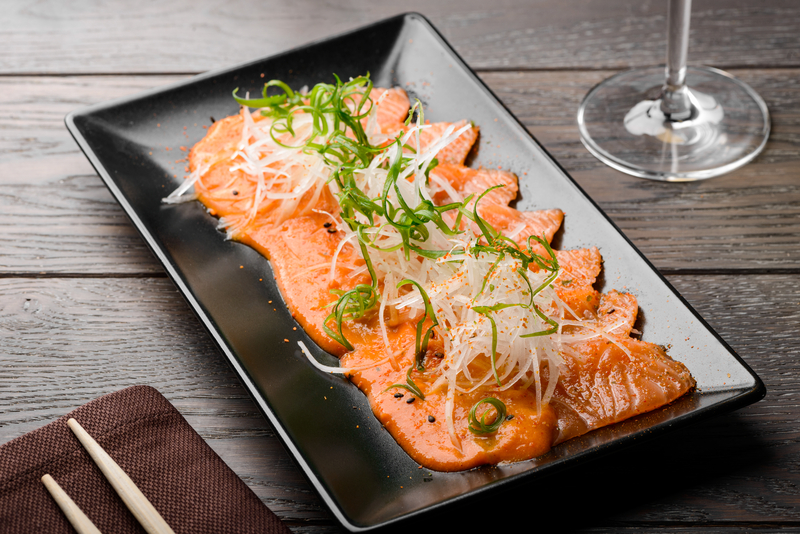

 Sushi is famous for its combination of vinegared rice and fresh fish. Still, you might be surprised to learn that rice isn’t always required.
When sushi is made without rice, it’s most commonly called sashimi, which features thinly sliced raw fish served on its own.
The term can also apply to other creative preparations that skip the rice entirely while keeping the fresh ingredients and flavors you expect from Japanese cuisine.
If you’re following a low-carb diet, managing blood sugar, or simply want to enjoy the pure taste of fish and seafood, riceless sushi offers a lighter alternative. These dishes focus on high-quality ingredients like fresh fish, vegetables, and flavorful sauces.
You’ll discover that sushi without rice comes in many forms beyond just sashimi.
Defining Sushi Without Rice
 Sushi without rice is most commonly called sashimi. The terms have distinct meanings in Japanese cuisine.
Understanding what makes sushi “sushi” and how sashimi differs helps clear up common confusion about these popular dishes.
Is Sashimi Sushi Without Rice?
Sashimi is not technically sushi without rice. It’s a separate category of Japanese cuisine that consists of thinly sliced raw fish or seafood served on its own.
The term “sashimi” translates to “pierced body” in Japanese. You’ll find it served with condiments like soy sauce, wasabi, and pickled ginger.
Popular varieties include salmon, tuna, yellowtail, and octopus. While many people call sashimi “sushi without rice,” this description isn’t entirely accurate.
Sashimi exists as its own dish with different preparation methods and presentation styles. The fish must be extremely fresh and cut with specific techniques to achieve the right texture and appearance.
Difference Between Sushi and Sashimi
Traditional sushi always includes vinegared rice as its defining component.
This seasoned rice gets combined with fish, vegetables, or other ingredients to create different sushi styles.
Sashimi focuses entirely on the raw fish or seafood without any rice component. The main differences include:
- Sushi: Contains vinegared rice mixed with sugar and salt
- Sashimi: Features only sliced raw fish or seafood
- Sushi: Includes various forms like nigiri, maki, and temaki
- Sashimi: Served as simple, elegant slices on a plate
You can order sashimi at any sushi restaurant. It appears on the menu separately from sushi items.
What Does Rice Mean to Sushi?
Sushi rice defines what sushi actually is. The word “sushi” refers to the vinegared rice itself, not the fish or other toppings.
The rice gets prepared with rice vinegar, sugar, and salt to create a slightly sweet and tangy flavor. This preparation method originated as a way to preserve fish in fermented rice.
Over time, the focus shifted to the rice as the main component. Without rice, you’re eating something else entirely.
This is why sashimi can’t be called sushi even though both dishes feature raw fish.
Popular Types of Riceless Sushi
 Several types of riceless sushi offer unique flavors and textures without traditional vinegared rice. These options range from pure sliced fish to creative vegetable-wrapped alternatives that work well for low-carb and keto diets.
Sashimi: The Classic Option
Sashimi is the most well-known form of riceless sushi. It consists of thin slices of raw fish or seafood served without any rice.
Common varieties include tuna, salmon, yellowtail, and octopus. You’ll typically find sashimi served with soy sauce, wasabi, and pickled ginger on the side.
The dish focuses entirely on the quality and freshness of the fish. Each slice is carefully cut to showcase the natural texture and flavor of the seafood.
Sashimi is naturally low in carbohydrates and high in protein. It provides omega-3 fatty acids and essential nutrients without added calories from rice.
Naruto Roll and Cucumber Wraps
The naruto roll replaces nori sheets and rice with thin cucumber slices. These cucumber wraps hold the fish and other fillings inside.
You get a fresh, crispy texture that contrasts nicely with the soft fish. Naruto rolls are popular for keto sushi rolls because they contain very few carbs.
The cucumber provides hydration and a mild flavor that doesn’t overpower the fish. Many sushi restaurants offer naruto rolls with salmon, tuna, or crab as filling options.
Some variations use daikon radish instead of cucumber for a slightly different taste. Both options give you the satisfaction of eating a roll without the rice.
Nigiri Without Rice
Nigiri without rice takes the traditional nigiri concept and removes the rice base. You get a piece of fish served alone or placed on a thin cucumber slice.
Some restaurants offer this as a standard menu item for health-conscious diners. This style lets you taste the fish in its purest form.
The presentation often includes garnishes like microgreens or a light sauce. You can order nigiri without rice at most sushi restaurants by simply requesting no rice.
This option works well when you want the elegance of nigiri but need to avoid carbohydrates.
Other Rice-Free Sushi Variations
Rice-free sushi includes several creative options beyond the standard choices. Nori wraps can hold fish and vegetables without any rice inside.
You simply wrap your choice of ingredients in nori sheets for a hand-roll style experience. Sashimi bowls present multiple types of fish over a bed of vegetables instead of rice.
Seaweed salads with raw fish pieces provide another rice-free option. Some restaurants create tartare-style preparations where chopped fish is seasoned and served without any wrapper.
These variations give you flexibility when ordering keto sushi or following other low-carb eating plans. Each option maintains the core elements of sushi while adapting to different dietary needs.
Ingredients and Fillings in Sushi Without Rice
 Sushi without rice relies on high-quality proteins, fresh vegetables, and flavorful sauces to create satisfying dishes. The focus shifts entirely to the ingredients themselves, making freshness and quality more important than ever.
Sushi-Grade Fish and Seafood Options
Sushi-grade fish forms the foundation of riceless sushi. You’ll find popular options like salmon, tuna, and hamachi (yellowtail) at most sushi restaurants.
These fish must meet strict freshness and safety standards to be eaten raw. Mackerel offers a stronger, oilier taste compared to milder fish.
Other seafood choices include octopus, scallops, shrimp, and sea urchin. Each type of raw fish brings its own texture and flavor profile to your dish.
The quality of your seafood matters significantly when there’s no rice to balance the taste. Fresh fish should have a clean ocean smell, firm texture, and bright color.
Many specialty markets and fish counters sell sushi-grade options specifically labeled for raw consumption.
Vegetarian and Alternative Fillings
You can enjoy riceless sushi with cucumber, avocado, and carrots as primary fillings. Asparagus, bell peppers, and radish provide crunch and color to vegetable-based options.
Seaweed salad adds a salty, umami element that complements other ingredients. Some recipes use cauliflower or quinoa as textured bases instead of traditional rice.
Tofu serves as a protein-rich option for vegetarians. You might also find creative fillings like mango, strawberry, or cream cheese in fusion-style preparations.
Microgreens, sprouts, and edible flowers add visual appeal and fresh flavors. These plant-based ingredients work well wrapped in nori seaweed or thin cucumber slices.
Sauces and Garnishes
Soy sauce remains the most common dipping sauce for riceless sushi. You can pair it with wasabi for a spicy kick that enhances the natural flavors of fish and vegetables.
Ponzu sauce, made with citrus juice, offers a tangy alternative to traditional soy sauce. Spicy mayo adds creamy heat to rolls and sashimi.
Sesame oil provides nutty richness when drizzled over ingredients. Pickled ginger serves as a palate cleanser between different types of fish.
Other garnishes include sesame seeds, green onions, and shredded daikon radish. Eel sauce brings sweet and savory notes to your dish.
These condiments let you customize each bite to your taste preferences.
How to Make Sushi Without Rice
 Making sushi without rice requires fresh ingredients and simple techniques that anyone can master at home.
You’ll need quality fish or vegetables, the right tools for slicing, and methods for assembling your rice-free creations.
Selecting the Best Ingredients
The foundation of rice-free sushi starts with sushi-grade fish, which has been properly handled and frozen to eliminate parasites. Look for salmon, tuna, yellowtail, or snapper at reputable fish markets or specialty grocers.
The fish should smell fresh like the ocean, not fishy or sour. You can also use cooked seafood like shrimp or crab if you prefer.
For vegetarian options, select firm vegetables such as cucumber, avocado, bell peppers, or carrots that will hold their shape when sliced. Don’t forget your flavor enhancers.
You’ll need soy sauce, wasabi, and pickled ginger for serving. Fresh ingredients like sesame seeds, scallions, and microgreens add texture and visual appeal to your finished sushi.
Preparation Techniques and Tools
A sharp knife is your most important tool for sushi preparation. Use a long, thin blade to slice fish into pieces about 1/4 inch thick.
Keep your knife wet to prevent sticking and ensure clean cuts. For sashimi-style sushi, slice fish against the grain at a slight angle.
This creates tender pieces that are easy to eat. Store your sliced fish on ice until you’re ready to serve.
If you’re using vegetables as a rice substitute, try spiralizing cucumber or slicing it paper-thin. You can also grate cauliflower into small pieces to mimic rice texture.
Nori sheets should be kept dry and stored in an airtight container until use.
Rolling and Assembling Rice-Free Sushi
For hand rolls, place a half sheet of nori on your palm with the shiny side down. Add your fish and vegetables in a line across one corner.
Roll the nori into a cone shape, tucking in the ingredients as you go. Cucumber wraps work well as a substitute for traditional rolls.
Slice a cucumber lengthwise into thin strips using a mandoline or vegetable peeler. Layer your fish and other fillings on the cucumber strip, then roll tightly and secure with a toothpick.
For nigiri-style presentations without rice, simply place a slice of fish on your serving plate and add a small dab of wasabi on top.
You can also create stacks by layering thin slices of fish with avocado or cucumber between each layer.
Health and Dietary Benefits of Riceless Sushi
 Riceless sushi brings some notable health advantages for anyone monitoring their carbohydrate intake or following specialized diets.
Without rice, you cut down on calories and carbs but still get the benefits of nutritious seafood and vegetables.
Low-Carb and Keto-Friendly Sushi
Rice-free sushi fits well into low-carb and keto eating plans.
Traditional sushi rolls usually have 30–40 grams of carbs per roll, mostly from the rice. Take away the rice, and you remove almost all those carbs.
Keto sushi rolls wrapped in cucumber or served as sashimi often contain less than 5 grams of carbs per serving. That’s especially useful if you’re trying to keep daily carbs under 50 grams.
The protein and fat from fish like salmon and tuna can help you feel satisfied for longer.
Low-carb sushi also makes it easier to manage blood sugar levels. Without rice, there’s no big spike after eating.
This can be important for people with diabetes or those hoping to avoid sudden drops in energy. You can enjoy several pieces of sashimi or cucumber-wrapped rolls without worrying about exceeding your carb limit.
Nutritional Value Compared to Traditional Sushi
Sushi without rice delivers more protein per calorie compared to regular sushi.
For example, a standard salmon roll has around 200 calories and 8 grams of protein, while the same amount of salmon sashimi comes in at 120 calories and 20 grams of protein.
Rice-free sushi also gives you higher concentrations of omega-3 fatty acids. These healthy fats support heart health and may help reduce inflammation.
Fatty fish like mackerel and tuna are especially rich in omega-3s.
With riceless options, you get more vitamins and minerals in fewer calories. Fresh fish is a good source of vitamin D, B12, and selenium.
When rice isn’t filling up the plate, you end up eating more of these nutrient-dense ingredients. Plus, skipping vinegared rice means less sodium and sugar in your meal.
Exploring the Evolution and Modern Trends
 Sushi without rice has shifted from ancient preservation methods to creative modern dishes that sometimes push culinary boundaries.
Chefs today mix traditional Japanese techniques with global flavors, reimagining how these dishes are presented.
Modern Sushi Variations and Fusion Creations
Contemporary sushi culture has broadened the idea of riceless preparations. It’s not just about sashimi anymore.
Some chefs now use thinly sliced cucumber or daikon radish as wraps instead of seaweed and rice. These changes keep the feel of a sushi roll while removing the carbs entirely.
Fusion cuisine has brought some surprising twists to traditional sushi. You might see riceless sushi inspired by Latin American ceviche, where fish is cured with citrus juices.
Other restaurants offer tartare-style fish with Asian flavors like sesame oil and soy sauce. Korean-inspired versions use gochujang-marinated fish, and Mediterranean touches might add olive oil and herbs.
Popular fusion approaches include:
- Avocado-wrapped fish paired with tropical fruits
- Spicy tuna served over seaweed salad
- Citrus-cured fish with jalapeño and cilantro
- Coconut-crusted sashimi finished with curry aioli
These innovations honor Japanese culinary traditions, even as they adapt to different dietary needs and evolving tastes.
Serving and Presentation Innovations
Modern plating techniques have really turned riceless sushi into a bit of an art project. Chefs now arrange sashimi on slate boards, ice sculptures, or even bamboo boats—anything to catch the eye.
Some places go further, serving fish on edible flower petals or scattering microgreens for a pop of color and a hint of flavor. It’s not just about looks; the taste gets a subtle boost too.
Temperature plays a bigger role than you might expect. Sometimes you’ll get sashimi with lightly seared edges and a raw center, or maybe frozen slices paired with hot ponzu sauce. It’s a small surprise, but it works.
Molecular gastronomy has crept in as well, with soy sauce spheres and wasabi foams that burst with flavor. It’s a playful twist, though not everyone’s convinced it’s necessary.
Interactive presentations are catching on. A few restaurants offer build-your-own sashimi bowls, with a spread of toppings and sauces.
Others deconstruct the dish entirely, letting you assemble each bite your way. It’s a practical approach, especially for newcomers, yet it still respects those who prefer a more classic experience.