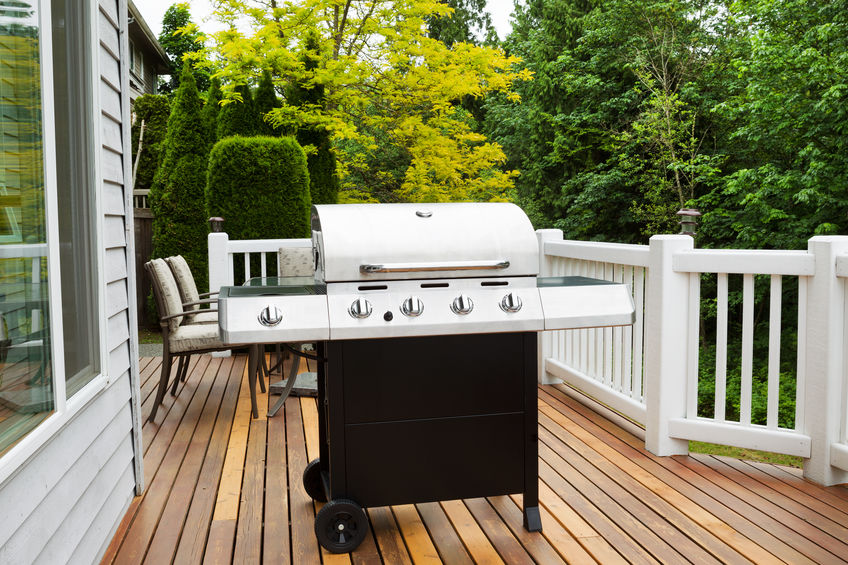

 Picking your first grill can feel overwhelming with so many options at the store. You want something that won’t require a steep learning curve or hours of frustration just to cook dinner.
Gas grills are the easiest type to use because they start quickly, offer simple temperature control with adjustable knobs, and require minimal cleanup compared to other grill types.
You can ignite them in minutes and begin cooking without dealing with charcoal lighting or complex setup procedures. Electric grills come in as a close second for ease of use, especially if you live in an apartment with outdoor cooking restrictions.
This guide will walk you through different grill types, important features to look for, and practical considerations that make grilling accessible for beginners. You’ll learn which models perform best for new grillers, what accessories actually help, and how to keep your grill clean without extra effort.
Understanding Easy-to-Use Grill Types
 Different grill types offer varying levels of convenience, from instant-start gas models to automated pellet systems. Your choice depends on factors like startup speed, temperature precision, and maintenance requirements.
Gas Grills: Effortless Convenience
Gas grills run on propane tanks or natural gas lines and deliver the fastest path from ignition to cooking. You turn a knob, press an electronic ignition button, and the grill reaches cooking temperature within 5-10 minutes.
Temperature control happens through burner adjustments that respond immediately when you turn the dial. Multiple burners let you create different heat zones across the cooking surface for simultaneous direct and indirect cooking. The fuel source eliminates charcoal lighting and ash disposal entirely.
Propane models offer portability since you can move them anywhere and swap tanks when empty. Natural gas versions require professional installation of a permanent gas line but provide unlimited fuel without tank changes. Cleanup involves brushing the grates and emptying a grease tray, which takes less time than managing charcoal residue.
Pellet Grills: Set-It-and-Forget-It Simplicity
Pellet grills use compressed wood pellets fed automatically into a firepot through an electric auger system. You set your desired temperature on a digital controller, and the grill maintains that temperature by adjusting pellet feed rates without manual intervention.
These grills function like outdoor convection ovens with added wood smoke flavor. The automated fuel delivery removes the need to monitor fire levels or adjust vents during long cooking sessions. Digital displays show current and target temperatures in real time.
Startup requires filling the hopper with pellets and setting your temperature, which takes approximately 10-15 minutes to reach. The learning curve stays minimal because the grill handles fire management internally. Maintenance includes vacuuming ash from the firepot every few cooks and cleaning the grease tray.
Electric Grills: Plug-and-Play Comfort
Electric grills need only a standard electrical outlet to operate, making them viable for apartments and condos with open-flame restrictions. You plug in the unit, adjust a temperature dial, and the heating elements warm up within minutes.
These grills work indoors or outdoors with adequate ventilation since they produce no combustion gases. Temperature adjustments happen through simple dial or button controls similar to kitchen appliances. The absence of fuel tanks, gas lines, or pellet hoppers reduces both setup complexity and ongoing supply management.
Heat output reaches lower maximum temperatures compared to gas or charcoal, typically capping around 500°F versus 600-700°F on other grill types. The flavor profile lacks the smokiness from wood or charcoal combustion. Cleanup requires wiping down heating elements and washing removable drip trays, often dishwasher-safe on many models.
Charcoal Grills: Basics Made Simple
Charcoal grills use lump charcoal or briquettes as fuel, requiring 15-20 minutes for coals to reach proper cooking temperature. You arrange charcoal in the base, light it with a chimney starter or lighter fluid, and wait until the coals ash over with a white-gray coating.
Temperature management happens through intake and exhaust vent adjustments that control oxygen flow to the fire. Opening vents increases heat while closing them reduces temperature, though responses take several minutes compared to instant gas adjustments. Two-zone cooking requires pushing coals to one side for direct heat and leaving the other side empty for indirect heat.
The fuel creates authentic smoke flavor that gas and electric cannot replicate. Basic kettle-style charcoal grills cost less than gas or pellet equivalents at entry-level price points. Post-cooking cleanup involves disposing of cooled ash and scrubbing grates, which adds time compared to other grill types.
Key Features That Make Grills Easy to Use
 Certain features can turn a complicated grilling experience into a simple one. The right ignition system, temperature management tools, cleaning mechanisms, and waste disposal features make a huge difference in how quickly you can start cooking and maintain your grill.
Push-Button and Infinity Ignition Systems
Push-button ignition eliminates the need for matches or lighters by creating a spark at the press of a button. This system connects directly to the burners and lights them within seconds. Infinity ignition takes this convenience further by generating unlimited sparks until the burner lights, even if the first attempt fails.
Traditional manual ignition methods require you to hold a flame near the burner while turning on the gas. Push-button systems reduce the risk of burns and make starting your grill safer. The ignition module typically lasts for years before needing replacement, and most models include battery compartments that are easy to access.
Precise Temperature Control and Thermometers
Temperature control systems let you adjust heat output through knobs or digital displays that regulate fuel flow to the burners. Gas grills offer the most precise control because you can turn burners up or down instantly. Built-in thermometers mounted on the lid give you constant temperature readings without opening the grill.
Digital controllers on pellet grills maintain set temperatures automatically by feeding pellets at controlled rates. This eliminates the guesswork involved in charcoal grilling where you must adjust vents manually. Accurate temperature monitoring prevents undercooked or burnt food and helps you cook different foods at their ideal temperatures.
Removable Grates and Simple Cleaning Systems
Removable grates lift out of the grill so you can scrub them at a sink or with a hose rather than cleaning them in place. Porcelain-coated grates resist rust and release stuck food more easily than bare metal. Some manufacturers design grates in sections that you can remove individually for faster cleaning.
A one-touch cleaning system uses a lever or handle that sweeps ash from charcoal grills into a collection bin below. This takes seconds compared to scooping out ash manually with tools. Stainless steel cooking surfaces wipe clean more quickly than cast iron, though they may not retain heat as effectively.
Grease Management and Ash Catchers
A grease management system channels drippings away from burners through angled surfaces into a grease tray positioned below the grill. This prevents flare-ups that char your food and create safety hazards. Disposable aluminum trays slide out for easy disposal without scrubbing.
Ash catchers sit beneath charcoal grills and collect debris as it falls through the bottom vents. You can remove the entire catcher and dump it into a trash bag without touching hot ash. The grease tray in gas grills typically requires emptying after every few cooking sessions depending on how much fatty food you prepare.
Best Easy-to-Use Grills for Beginners
 Gas grills dominate the beginner-friendly market with instant ignition and precise temperature control, while simplified charcoal models, automated pellet smokers, and compact electric options offer alternatives for different cooking preferences and living situations.
Top Gas Grills for Effortless Grilling
The Weber Spirit II E-310 is an excellent beginner-friendly gas grill featuring three burners that deliver 30,000 BTUs of heat across 529 square inches of total cooking space. Its GS4 grilling system includes electronic ignition for reliable start-ups, stainless steel burners, porcelain-enameled Flavorizer bars, and an efficient grease management system. The grill also features porcelain-enameled cast-iron cooking grates that retain heat well for even grilling.
The Weber Genesis E-325 offers a step up in performance with a larger cooking surface and added versatility. It provides 669 square inches of total cooking space, giving you plenty of room to grill multiple foods at once.
The porcelain-enameled cast-iron grates retain heat efficiently for consistent searing, while the side burner adds extra convenience for preparing sauces or side dishes alongside your main grill items.
The Char‑Broil Performance Series 4‑Burner Gas Grill provides generous cooking capacity and practical features for everyday grilling. It includes four main burners delivering 36,000 BTUs and a 10,000-BTU side burner that’s ideal for preparing sauces or side dishes while you grill.
With over 560 square inches of total cooking space and porcelain-coated cast-iron grates, it offers reliable heat retention and plenty of room to cook for larger groups. The cabinet design also keeps the propane tank neatly concealed for a cleaner look and convenient storage.
All three models include built-in thermometers and removable grease trays that simplify cleanup. Propane connections attach in seconds, letting you start cooking within 10 minutes of opening the box.
Recommended Charcoal Grills with Simplified Setup
The Weber Original Kettle Premium delivers traditional charcoal flavor without complicated assembly or learning curves. Its 22-inch diameter provides 363 square inches of cooking space, enough for 13 burgers simultaneously.
One-Touch cleaning system sweeps ash into a removable catcher you can empty in one motion. The hinged cooking grate allows you to add charcoal during longer cooks without removing food.
Weber Original Kettle basic model cuts costs by omitting the thermometer and ash catcher upgrades while maintaining the same reliable construction. The porcelain-enameled bowl and lid resist rust and retain heat for consistent cooking temperatures.
Both kettles feature adjustable dampers that regulate airflow for temperature control between 200°F and 700°F. The lid hook holds the cover while you flip food, preventing it from rolling away.
User-Friendly Pellet Grills and Smokers
Traeger grills pioneered the automated pellet smoker category with digital controllers that maintain your selected temperature within 15°F. The auger automatically feeds compressed wood pellets into the firepot based on temperature readings.
Z Grills 450A delivers pellet convenience at entry-level pricing with 450 square inches of cooking area. The digital control board adjusts pellet feed rates every few seconds to hold steady temperatures from 180°F to 450°F.
You fill the hopper with pellets once, then the grill handles fuel management for hours without intervention. Both brands include meat probe ports that let you monitor internal food temperature without opening the lid.
Pellet grills combine the flavor benefits of wood smoke with gas-grill convenience. Startup takes about 10 minutes as the igniter rod heats the initial pellets to combustion temperature.
Electric Grills for Indoor and Small Spaces
George Foreman Indoor/Outdoor Electric Grill plugs into standard 120-volt outlets and heats to cooking temperature in 5 minutes. The 240 square inch non-stick surface accommodates 15 servings and removes for dishwasher cleaning.
The removable stand converts this model from patio use to countertop cooking when weather turns poor. Temperature control dial adjusts from warm to sear settings without the precision of numbered degrees.
Electric grills suit apartment balconies where open flames violate building codes. They produce minimal smoke compared to gas or charcoal options, though you sacrifice the authentic grilled flavor.
The sloped grilling surface channels grease into a drip tray, reducing flare-ups that plague traditional grills. Portable models weigh under 20 pounds for transport to tailgates or camping sites with electrical hookups.
Crucial Considerations for Beginner Grillers
 Selecting your first grill requires evaluating fuel sources, physical dimensions, heat output capabilities, and temperature consistency across the cooking surface.
Choosing the Right Fuel Type
Propane gas grills connect to portable propane tanks that you can exchange or refill at hardware stores and gas stations. These grills start with the push of a button and let you control temperatures using knobs similar to your kitchen stove.
Natural gas grills require a permanent connection to your home’s gas line, which means you’ll never run out of fuel mid-cook. You’ll need to hire a professional for the initial hookup, and the grill stays in one location permanently.
Charcoal grills use briquettes or lump charcoal that take 15-20 minutes to reach cooking temperature. You control heat by adjusting air vents and adding or removing coals, which requires more practice than gas options.
Electric grills plug into standard outlets and work well for apartments or condos with fire restrictions. They heat up quickly but typically reach lower maximum temperatures than gas or charcoal models.
Assessing Grill Size and Cooking Area
The cooking area measures the actual grilling surface where food sits, expressed in square inches. A 300-square-inch cooking area handles 12-15 burgers simultaneously, which suits 2-4 people for regular meals.
Grill size includes warming racks, side tables, and the footprint on your patio or deck. Measure your outdoor space before shopping to confirm the grill fits with enough clearance for safe operation.
A 400-500 square inch grilling area accommodates family gatherings of 6-8 people comfortably. Larger surfaces above 600 square inches suit frequent entertainers but require more fuel and cleaning time.
Portable grills offer 150-250 square inches and work for tailgating or camping trips. You sacrifice cooking capacity for easier transport and storage.
Evaluating Grill Burners and BTUs
The number of burners determines heat zones you can create across your cooking surface. Two burners let you set up a direct heat zone for searing and an indirect zone for slower cooking.
Three or four burners provide more temperature control options and let you cook different foods at varied heat levels simultaneously. Each burner operates independently through its own control knob.
BTUs (British Thermal Units) measure the maximum heat output per hour. Gas grills typically range from 24,000 to 60,000 BTUs total across all burners.
Higher BTU numbers don’t automatically mean better performance. A 36,000 BTU grill with efficient burner design and good construction often outperforms a 48,000 BTU model with poor heat retention.
Importance of Even Heat Distribution
Even heat distribution prevents hot spots that burn food in some areas while leaving other sections undercooked. Quality burners spread flames uniformly across their length rather than concentrating heat in the center.
The grill material affects temperature consistency throughout the cooking surface. Cast iron grates retain heat better than stainless steel but require more maintenance to prevent rust.
Heat deflectors or flavorizer bars sit between burners and grates to spread heat evenly and reduce flare-ups. These components vaporize drippings for added flavor while protecting burners from grease damage.
Test heat distribution by placing bread slices across the grill surface and noting which pieces toast first. Significant color variations indicate uneven heating that requires burner adjustment or replacement.
Essential Accessories and Add-Ons
 Adding the right gear to your grill setup protects your investment and expands what you can cook. Quality storage, cooking attachments, and portable options address practical needs while improving results.
Grill Covers and Storage Solutions
A grill cover shields your equipment from rain, snow, UV rays, and debris that cause rust and premature wear. Choose weather-resistant materials like heavy-duty polyester or vinyl with reinforced seams that fit snugly over your specific grill model.
Storage solutions keep your cooking area organized and protect accessories from damage. Wall-mounted tool racks, side tables with built-in hooks, and weatherproof storage boxes prevent clutter while keeping spatulas, tongs, and thermometers within reach. Many gas grills include enclosed cabinets beneath the cooking surface for propane tanks and supplies.
For year-round protection, consider storing your grill in a garage or shed during winter months if you have limited outdoor covered space. This practice extends the lifespan of mechanical components like igniters and burners.
Rotisserie Kits and Griddles
A rotisserie kit attaches to your grill and rotates meat slowly over indirect heat, creating evenly cooked chicken, roasts, and whole fish with crispy exteriors. Most kits include a motor, spit rod, meat forks, and mounting brackets compatible with specific grill brands.
Griddles transform your grill into a flat-top cooking surface ideal for breakfast items, vegetables, and foods that would fall through standard grates. Cast iron griddles retain heat well and develop a natural non-stick surface over time, while stainless steel versions heat quickly and clean easily.
You can position a griddle over half your cooking area to maintain both grilling and flat-top zones simultaneously. This setup works particularly well for cooking proteins alongside pancakes or sautéed vegetables during mixed meals.
Portable and Compact Options
Portable grills weigh between 10 and 30 pounds and fold or collapse for transport to campsites, tailgates, and beaches. Gas models with small propane canisters offer convenience, while compact charcoal versions provide traditional flavor in spaces as small as 150 square inches of cooking surface.
Compact grills designed for balconies and patios typically measure under 24 inches wide and meet apartment regulations prohibiting larger equipment. Electric models work best in these restricted spaces since they produce no open flames.
 Regular cleaning prevents flavor contamination and extends your grill’s lifespan, with some designs requiring significantly less effort than others.