

 The smoke flavor in your grilled food depends primarily on the type of grill you use and how it burns fuel.
Offset smokers and charcoal smokers deliver the strongest and most authentic smoke flavor because they burn wood or charcoal directly, exposing food to unfiltered smoke for extended periods.
Pellet grills offer convenience with moderate smoke flavor, while gas and electric grills produce minimal smoke unless you add wood chips or smoke tubes.
Your choice between different grill types involves trade-offs between flavor intensity, ease of use, and cooking time. Traditional charcoal and wood-burning smokers require more attention and skill but reward you with deep smoke penetration and visible smoke rings.
Pellet grills automate temperature control while still using real wood, though the smoke flavor is typically lighter than what you get from burning logs or lump charcoal.
This guide examines how different grills generate smoke, what factors control flavor intensity, and which specific models and techniques maximize that smoky taste. You’ll learn how fuel type, airflow, temperature settings, and wood selection all influence the final flavor of your meat, along with practical methods to enhance smoke production on any grill you already own.
Key Factors That Impact Smoke Flavor in Grilling
 Smoke flavor depends on fuel composition, temperature management, air circulation patterns, and equipment construction. These four elements determine how much smoke your food absorbs and what characteristics that smoke carries.
The Role of Fuel Type
Wood-based fuels create the most pronounced smoke flavor through combustion of lignin and cellulose compounds. Charcoal produces mild smoke with high heat output, while gas grills generate minimal smoke without added wood chips or pellets.
Different woods release distinct flavor molecules. Hickory contains high levels of syringol compounds that create strong, bacon-like notes. Mesquite burns hotter and releases intense phenolic compounds suited for beef. Fruit woods like apple and cherry contain lower phenol concentrations, producing sweeter, gentler smoke profiles.
Common Wood Characteristics:
- Hickory: Strong phenolic content, bold flavor
- Mesquite: High burn temperature, intense smoke
- Apple: Mild sweetness, low phenol levels
- Cherry: Fruity notes, subtle smoke
Pellet quality matters because fillers and binding agents reduce pure wood content. Premium pellets burn cleaner and deliver more consistent smoke without bitter chemical undertones.
Temperature and Heat Distribution
Lower cooking temperatures between 225°F and 250°F maximize smoke absorption because meat surfaces stay moist longer and proteins remain receptive to smoke particles. Higher temperatures above 350°F create surface barriers through rapid protein coagulation.
Indirect heat arrangements allow smoke to circulate around food without intense flame contact. This setup gives smoke molecules time to penetrate meat fibers while preventing charring that masks delicate smoke notes. Direct heat works for quick sears but limits smoke exposure time.
Temperature fluctuations disrupt smoke development. Consistent heat maintains steady combustion rates that produce clean blue smoke rather than thick white smoke containing unburned particles and creosote.
Airflow and Ventilation
Proper airflow controls combustion efficiency and smoke quality. Restricted oxygen intake creates smoldering conditions that generate thick, acrid smoke from incomplete fuel burning. Excessive airflow produces thin smoke with limited flavor compounds.
Adjustable vents on offset smokers and charcoal grills let you balance oxygen supply. Opening intake vents increases temperature and smoke production, while closing them reduces both. Top vents control draft strength that pulls smoke through the cooking chamber.
Stagnant air pockets prevent even smoke distribution. Fans or convection systems in pellet grills circulate smoke continuously, ensuring all food surfaces receive equal exposure to flavor compounds.
Grill Design Considerations
Cooking chamber volume affects smoke concentration. Smaller spaces trap smoke around food more effectively than large chambers where smoke dissipates quickly. Sealed lids prevent flavor loss through gaps.
Distance between fuel source and cooking grate changes smoke intensity. Offset smokers place fireboxes separately, allowing smoke to cool and mellow before reaching meat. Vertical smokers stack food above fuel for direct smoke exposure.
Drip pans catch rendered fat that vaporizes into additional flavor compounds when it hits hot surfaces. This secondary smoke enhances the primary wood smoke character. Grates made from cast iron retain heat better than thin steel, creating more consistent temperature zones.
Types of Grills and Smokers: Which Deliver the Best Smoke Flavor?
 Wood-burning offset smokers produce the most intense smoke flavor, followed by charcoal smokers, while pellet grills offer moderate smoke and electric or gas units deliver the lightest smoke profiles.
Pellet Grills and Pellet Smokers
Pellet grills burn compressed wood sawdust pellets through an automated auger system controlled by digital thermostats. The pellets combust in a firepot, generating both heat and smoke simultaneously.
These units produce good wood smoke flavor that sits between electric smokers and traditional charcoal options. The smoke intensity depends heavily on pellet quality and composition—100% hardwood pellets create stronger smoke than blended varieties containing fillers.
Temperature range limitations affect smoke production. At higher temperatures (above 350°F), pellet grills burn pellets more efficiently and produce less visible smoke. Maximum smoke flavor occurs during low-and-slow cooking between 180-250°F when pellets smolder rather than burn hot.
Most pellet smokers include PID controllers that maintain temperatures within 5-10°F of your target, but this precision comes at a cost to smoke intensity. The automated system prioritizes temperature stability over smoke production.
Charcoal Grills and Charcoal Smokers
Charcoal produces excellent authentic smoke through direct combustion of lump charcoal or briquettes, enhanced by adding wood chunks or chips. Vertical charcoal smokers (also called bullet smokers or drum smokers) and kamado grills fall into this category.
The smoke flavor from charcoal is richer and more complex than pellet or gas alternatives. Burning charcoal creates combustion gases that penetrate meat deeply, producing the coveted pink smoke ring.
Charcoal Type:
- Lump charcoal: Burns hotter and cleaner with minimal ash
- Briquettes: Provide longer, more consistent burn times
Adding hardwood chunks (hickory, oak, mesquite, cherry) to charcoal intensifies smoke flavor significantly. The wood smolders alongside the charcoal, creating layered smoke profiles impossible with single-fuel systems.
Vertical smokers use water pans to regulate temperature and moisture, while kamado grills rely on thick ceramic walls for heat retention. Both styles require manual vent adjustment to control airflow and maintain target temperatures.
Offset Smokers
Offset smokers burn split logs or charcoal in a separate firebox attached to the main cooking chamber. This design creates the most authentic, competition-level smoke flavor available.
Pure wood combustion generates deep, complex smoke that permeates meat over 12-16 hour cook sessions. The smoke travels horizontally from the firebox through the cooking chamber, bathing food in constant wood smoke.
These smokers demand advanced fire management skills. You must monitor and adjust airflow through intake and exhaust vents continuously, add fuel every 45-60 minutes, and compensate for weather conditions affecting temperature stability.
Quality offset smokers feature thick steel construction (quarter-inch minimum) that maintains consistent heat despite external temperature swings. Budget models with thin metal walls struggle with temperature control and waste fuel.
The learning curve spans months rather than weeks. Mastering wood selection, fire building, and temperature management separates offset smokers from automated alternatives.
Alternative Grills: Gas and Electric Smokers
Gas smokers use propane burners to heat wood chips in a separate tray, while electric smokers rely on heating elements. Both systems add smoke flavor through smoldering wood rather than burning the fuel itself.
Propane burns completely clean without producing smoke, so 100% of smoke flavor comes from wood chips you add manually. Electric smokers function identically—the heating element generates no smoke on its own.
These options produce the mildest smoke flavor because wood chips smolder at lower temperatures than burning logs or charcoal. You’ll need to replenish chips every 45-90 minutes to maintain smoke production during long cooks.
Neither gas nor electric smokers create a smoke ring because they don’t produce combustion gases containing nitrogen dioxide. The meat still absorbs smoke flavor, but visual indicators of traditional smoking are absent.
Digital controls on electric smokers provide the easiest temperature management, maintaining settings automatically for hours. Gas smokers require manual adjustment but heat up faster and don’t need electrical outlets.
How Pellet Grills Create Smoke Flavor
 Pellet grills generate smoke through an automated feeding system that burns compressed wood pellets at controlled temperatures. The auger mechanism transports pellets from a storage hopper into a fire pot where they combust to produce heat and smoke that flavors your food.
Pellet Grill Mechanics
The fire pot sits at the heart of your pellet grill’s smoking system. An igniter rod heats the fire pot to ignite the wood pellets delivered by the auger. Once lit, the pellets smolder and burn at temperatures you set through the control panel.
A fan beneath the fire pot pushes oxygen into the combustion chamber. This airflow keeps the pellets burning steadily while distributing smoke throughout the cooking chamber. The fan speed adjusts based on your temperature settings to maintain consistent heat.
Your grill’s exhaust system pulls smoke across the food before venting it out. This design ensures smoke exposure to your meat during the entire cooking process.
Auger System and Pellet Hopper
The pellet hopper attaches to the side of your grill and stores several pounds of quality wood pellets. Hopper capacity varies by model, ranging from 10 to 40 pounds.
The auger is a motorized screw conveyor that moves pellets from the hopper to the fire pot. Your control board tells the auger motor how fast to rotate based on temperature needs. When you need higher heat, the auger spins faster to deliver more pellets per minute.
The auger system prevents temperature swings that other grills experience. Most pellet grills feed pellets in precise intervals, often cycling every few seconds to maintain your target temperature within 5-10 degrees.
Digital and Advanced Temperature Control
Digital temperature control uses thermocouples or RTD sensors to monitor cooking chamber temperature. The control board reads these sensors and adjusts auger feed rates automatically to hold your set temperature.
Advanced temperature control systems include PID (Proportional-Integral-Derivative) controllers. These controllers predict temperature changes before they occur by analyzing heat patterns. This prevents the overshooting and undershooting common in basic pellet grills.
Your digital controller manages smoke production indirectly through temperature regulation. Lower cooking temperatures between 180-225°F produce more visible smoke because pellets smolder rather than burn completely.
Selecting the Best Wood Pellets for Intense Smoke Flavor
 Hardwood pellets produce significantly stronger smoke than softwoods, with mesquite and hickory delivering the most intense flavors. Premium pellets made from 100% hardwood without fillers generate cleaner combustion and more pronounced smoke compounds.
Comparing Wood Pellet Varieties
Mesquite pellets rank as the strongest option available, producing an earthy, intense smoke that works best with beef brisket and game meats. This wood type requires careful use since its bold profile can overpower food during extended cooking sessions.
Hickory pellets offer a bacon-like, savory flavor that pairs well with pork shoulder, ribs, and poultry. The smoke strength sits just below mesquite while maintaining greater versatility across different meat types.
Oak pellets deliver medium-to-strong smoke with an earthy character that serves as a reliable base for most grilling applications. This variety works effectively for beginners because it provides noticeable smoke without overwhelming the natural flavors of beef, pork, or poultry.
Smoke Intensity Rankings:
- Strongest: Hickory, Mesquite
- Medium-Strong: Oak
- Medium: Pecan
- Mild: Cherry, Apple, Alder
Impact of Pellet Quality
Food-grade pellets manufactured from 100% heartwood produce richer smoke flavor than products containing fillers or binding agents. Lower-quality pellets often include oak or alder as extenders, which dilute the primary wood’s characteristics.
Dense pellets burn slower and generate more consistent smoke throughout the cooking process. Premium options maintain their structural integrity better than cheaper alternatives, resulting in fewer temperature fluctuations.
Moisture exposure degrades pellet effectiveness by reducing combustion efficiency and smoke compound release. Store your wood pellets in airtight containers within cool, dry spaces to preserve their smoking potential. Fresh pellets consistently outperform aged products that have absorbed humidity, even when the difference isn’t visible.
Blending and Sourcing Pellets
Combining mesquite or hickory with milder woods like oak creates balanced flavor profiles that avoid bitterness during long smoking sessions. Start with 70% oak as your base and add 30% of a stronger wood to develop complexity without overwhelming your food.
Brands like Lumber Jack BBQ Pellets use 100% heartwood in their blends, while Bear Mountain BBQ Pellets avoid fillers entirely for cleaner combustion. These manufacturers receive consistent recognition for delivering more pronounced smoke characteristics than mass-market alternatives.
Your pellet grill’s design affects how effectively it utilizes quality wood pellets. Models with tighter seals retain smoke better within the cooking chamber, while advanced temperature controls allow you to optimize combustion for maximum smoke production at lower temperatures.
Top Grill and Smoker Models for Maximum Smoke Flavor
 Pellet smokers deliver consistent wood smoke with minimal effort, while charcoal and offset models produce the deepest, most complex smoke profiles through pure wood combustion. Wood-fired specialty grills occupy a middle ground, combining traditional fire management with modern design features.
Best Pellet Smokers for Smoke Output
Different grill brands offer unique features that contribute to smoke flavor. This analysis covers some of the most popular options, focusing on their smoking capabilities and overall performance.
Traeger Grills
Traeger is renowned for its wood pellet grills, which deliver consistent temperature control. The unique design allows for even heat distribution, enhancing smoke penetration in meats. With a wide range of flavors available, users can easily experiment with different wood pellets, such as hickory or applewood. The digital controller ensures precise cooking, making it a preferred choice for those who prioritize smoke flavor in their grilling experience.
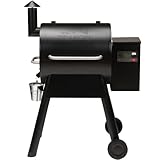 The Traeger Pro 575 Electric Wood Pellet Grill and Smoker offers 572 sq. in. of cooking space and a 500°F max temperature for versatile grilling, smoking, baking, and more. It features WiFi and app connectivity for remote control, a built-in meat probe for perfect cooking, and 6-in-1 functionality for all your BBQ needs.
Camp Chef
Camp Chef grills are known for versatility and adaptability. Many models include a dedicated smoking function that maintains lower temperatures ideal for infusing smoke flavor. The ability to use different woods can enhance the flavor profile. Additionally, Camp Chef’s adjustable smoke settings allow users to tailor their cooking environment, ensuring that the perfect amount of smoke is achieved.
 The Camp Chef SmokePro DLX Pellet Grill features a new PID Gen 2 Digital Controller for precise temperature control and consistent cooking results. With 573 sq. in. of cooking space and a durable bronze finish, it offers versatility for grilling, smoking, and baking with enhanced smoke flavor.
Pit Boss
Pit Boss offers a variety of affordable grills with impressive smoking capabilities. The brand’s versatile pellet systems provide users with various wood options, enhancing smoke flavor. Many Pit Boss models feature a “smoke” setting, allowing for low-temperature cooking ideal for briskets and ribs. The heavy-gauge steel construction also helps maintain heat, improving the smoke flavor in various meats.
 The Pit Boss Pellet Grill offers 482 sq. in. of cooking space with a durable black finish. Featuring fan-forced convection cooking for even heat distribution, it delivers great wood-fired flavor and versatility for grilling, smoking, and baking.
Weber
Weber’s SmokeFire line combines the convenience of pellet grilling with traditional Weber quality. These grills provide exceptional smoke flavor, thanks to their advanced smoke technology. The ability to use different wood pellets allows for flavor customization. Additionally, the high heat capacity ensures well-seared meats while maintaining a robust smokiness, appealing to enthusiasts and casual users alike.
 The Weber SmokeFire EX6 Pellet Grill features 1,008 sq. in. of cooking space and a powerful 200-600°F temperature range. It offers exceptional versatility, from grilling to smoking, and uses Weber’s patented Grease Management System to ensure a mess-free grilling experience.
Leading Charcoal and Offset Smoker Brands

The Weber Smokey Mountain uses a vertical drum configuration with 481 square inches across two stacked grates. Charcoal loaded in the bottom chamber burns upward through a water pan, generating sustained smoke for 8-12 hours. The built-in thermometer pairs with a probe port that accepts external temperature monitors without breaking the seal.
Char-Griller Smokin’ Pro Offset exemplifies classic offset smoking with a spacious primary cooking chamber and a side firebox designed for burning charcoal or hardwood splits. Its heavy steel body helps retain heat during long cooks, while adjustable dampers on the firebox and chimney allow precise control over airflow and combustion. The offset firebox also functions as a high-heat zone, giving you flexibility to grill or sear while maintaining steady smoke in the main chamber.
These designs produce the most pronounced smoke rings and bark development. The Royal Gourmet offset model provides an entry point under $150 with an adjustable charcoal pan that repositions fuel closer to or farther from the grates.
Maximizing and Enhancing Smoke Flavor: Techniques and Accessories
 Getting better smoke flavor requires managing your grill’s temperature and airflow, using the right accessories, and positioning your meat properly. These methods work across all grill types to increase smoke intensity and penetration.
Controlling Heat and Airflow
Lower cooking temperatures between 225°F and 250°F produce more smoke because wood burns slower and generates smoke compounds for longer periods. Higher temperatures above 300°F burn fuel faster and create less smoke contact time with your meat.
Adjusting your grill’s intake and exhaust vents controls oxygen flow to the fire. Restricting airflow slightly causes incomplete combustion, which increases smoke production. Too little air creates dirty smoke with bitter flavors, while too much air burns pellets or charcoal too cleanly.
The water pan serves two purposes in smoke enhancement. It stabilizes temperature by absorbing heat fluctuations and adds moisture to the cooking chamber. Moist surfaces on meat attract and hold smoke particles better than dry surfaces, creating a darker smoke ring in the outer layer of the meat.
Utilizing Smoke Tubes and Accessories
A smoke tube is a perforated metal cylinder filled with wood pellets or chips that produces supplemental smoke for 2-4 hours. Place it directly on your grill grates or drip tray to add smoke without raising cooking temperatures.
Porcelain-coated grates retain heat better than bare metal and create consistent contact for searing while allowing smoke to circulate underneath. The coating also prevents rust and makes cleaning easier after long smoking sessions.
Sausage hooks let you hang meat vertically in the cooking chamber for outdoor cooking and cold smoke applications below 90°F. This method exposes all sides to smoke simultaneously rather than just the top surface.
Optimizing Meat Placement and Monitoring
Position meat on upper racks away from direct heat to extend cooking time and smoke exposure. The indirect zone receives continuous smoke flow without the drying effects of flames or hot coals directly underneath.
A meat probe tracks internal temperature so you avoid opening the lid repeatedly. Each time you open the grill, you lose accumulated smoke and drop the chamber temperature by 15-25°F.
Space pieces at least one inch apart on the grates to allow smoke circulation around all surfaces. Overcrowding blocks airflow and creates uneven smoke distribution, leaving some areas under-smoked while others receive too much exposure.
Smoky-Flavored Food on the Go

For outdoor cooks who want authentic wood-fired flavor without sacrificing portability, travel-friendly pellet grills combine the convenience of pellet fuel with compact, lightweight design.
These grills are ideal for tailgates, camping trips, and small patios, delivering consistent heat and moderate smoke in a package that’s easy to transport and set up.
Portable Pellet Grill Options
Among the best portable pellet grills are the Green Mountain Trek and the Traeger Tailgater.
-
 Portable Pellet Grill for Wood-Fired Flavor Anywhere
For outdoor cooks who crave wood-fired flavor on the go, travel-friendly pellet grills deliver the perfect balance of portability and performance. Compact and easy to transport, models like the Green Mountain Trek bring consistent heat, reliable smoke, and true pellet grilling convenience to tailgates, campsites, and small patios.
- Reliable Pellet Grilling for Camping and Tailgating
 Another popular option is the Traeger Tailgater, which weighs around 60 pounds and features a foldable leg system for easier transport. Its consistent temperature control and solid smoke output make it well-suited for camping trips and tailgating setups where portability and performance matter.
Outdoor Cooking While on the Go
Portable pellet grills enable outdoor cooking in various locations. Many come equipped with features that cater specifically to mobile grilling needs. With easy transport options, they can be packed with essential accessories such as a portable pellet container and grill cover.
Additionally, many models offer quick-start features for efficient grilling. Using these grills in outdoor settings, enthusiasts can enjoy smoked meats and vegetables while on camping trips or picnics.
The versatility and added convenience make travel-friendly pellet grills an excellent choice for outdoor cooking adventures.