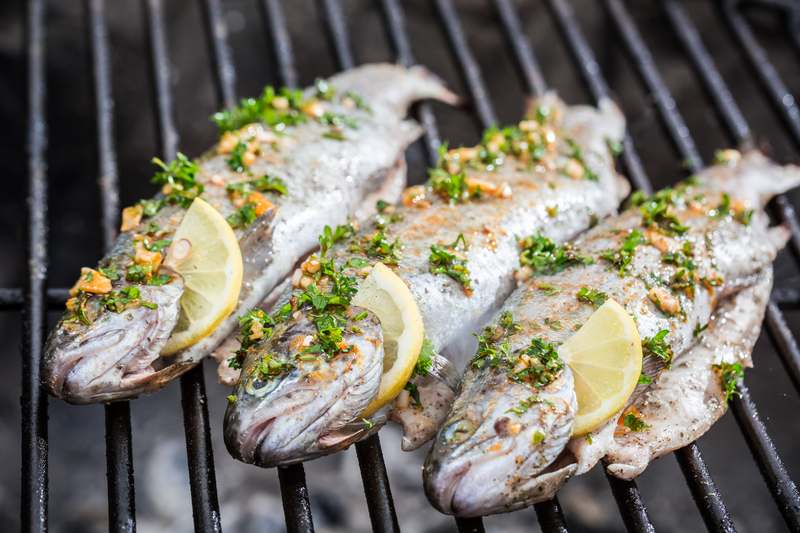


Grilling fish on your BBQ can feel risky if you don’t know which types hold up to high heat. Some fish fall apart on the grill grates, while others turn dry and tough when exposed to flames.
The best fish for grilling are firm-fleshed, thick-cut varieties like salmon, swordfish, tuna, and mahi mahi, which can withstand direct heat without breaking apart.
Your success depends on matching the right fish to your grilling method. Fatty fish resist drying out, while meaty textures prevent flaking during flipping. This article walks you through what makes certain fish work better than others and gives you practical options for your next cookout.
You’ll learn which specific varieties deliver the best results, how to prepare them properly, and what techniques prevent common grilling disasters. Whether you fish locally or shop at your supermarket, understanding these differences helps you choose confidently every time you fire up your grill.
What Makes a Fish Ideal for Grilling
 The best fish for grilling needs a firm texture, adequate fat content, and appropriate thickness to survive high heat without falling apart or drying out.
Firmness and Texture
Firm-fleshed fish holds its shape on grill grates and won’t flake apart when you flip it. Salmon, tuna, swordfish, halibut, and mahi-mahi have dense muscle fibers that stay intact under direct heat. These varieties contain enough structural integrity to support their own weight without requiring foil or special baskets.
Delicate fish like sole, flounder, and tilapia break apart easily because their muscle fibers are loosely structured. You can still grill these options, but you’ll need cedar planks or aluminum foil to prevent them from falling through the grates. Fish with skin provides an extra protective layer that keeps the flesh together during cooking.
The texture determines whether you can grill directly on the grates or need additional support. Choose meaty, steak-like fish when you want traditional grill marks and easy flipping.
Fat Content and Flavor
Fatty fish resists drying out because the oils distribute heat evenly and keep the flesh moist. Salmon contains high levels of omega-3 fatty acids that create a rich, buttery texture even when exposed to temperatures between 375-450°F. The natural oils in tuna and mackerel provide similar protection against the intense heat of your BBQ.
Lean fish like halibut or snapper requires extra attention because it lacks built-in moisture protection. You’ll need to brush these varieties with oil or butter before and during grilling to prevent them from becoming tough and dry. Low-fat fish cooks faster and needs more careful temperature monitoring.
Fat content also affects flavor development. Oily fish develops a deeper, smokier taste when the natural fats caramelize on the grill surface.
Size, Cut, and Thickness
Thickness determines your cooking time using the rule of 10 minutes per inch of fish. Fillets measuring 1 inch thick need approximately 5 minutes per side at medium-high heat, while thinner cuts of ½ inch cook in just 2-4 minutes per side. Steaks cut from larger fish like swordfish or tuna provide uniform thickness for even cooking.
Whole fish requires different timing than fillets because heat must penetrate to the bone. Small whole fish weighing 1-2 pounds work better on the grill than large specimens. Cut your fish into portions that fit comfortably on your grill grates without hanging over the edges.
Uniform thickness across the entire piece ensures all sections reach the internal temperature of 145°F simultaneously. Avoid thin tail sections that overcook while thicker portions remain underdone.
Top Fish Choices for BBQ
 Firm, fatty fish with thick cuts deliver the best grilling results because they hold together on high heat and resist drying out. Salmon, swordfish, and tuna rank as top choices due to their sturdy texture and ability to develop flavorful grill marks.
Salmon: The Grilling Favorite
Grilled salmon checks every box for successful BBQ cooking. Its rich, fatty flesh stays moist during grilling, while its firm texture prevents breakage when you flip it.
You’ll find two main types at most markets: farmed Atlantic salmon and wild-caught Pacific varieties. Farmed Atlantic salmon costs less and provides consistent results. Wild Pacific salmon, including premium King (Chinook) salmon, offers more intense flavor but comes at a higher price point.
Look for portions about one inch thick for even cooking. The natural oils in salmon mean you can grill it with minimal seasoning or marinades. Place your salmon skin-side down on the grill and cook until the skin crisps up and the flesh turns opaque.
The fish develops appealing brown grill marks and picks up a smoky flavor that complements its natural taste. Its near-universal popularity makes grilled salmon a reliable choice for feeding groups with different preferences.
Swordfish: Steak of the Sea
Swordfish delivers a steak-like texture that sets it apart from typical flaky fish. Its powerful muscles create dense, meaty flesh that handles direct heat without falling apart.
This fish comes in thick steaks ideal for grilling, typically boneless since you’re cutting from sections near the tail. The lean meat requires careful attention to avoid drying out during cooking. Keep your final temperature between 130-140°F for the best results.
A quick marinade before grilling adds moisture and flavor to compensate for the lower fat content. If you can find swordfish belly, choose it over regular cuts. The belly meat contains more fat, which keeps grilled swordfish exceptionally moist and flavorful.
The fish’s size means you get substantial portions that make impressive presentations on the plate. Season simply to let the natural flavor shine through without overpowering the delicate taste.
Tuna: Bold & Meaty Option
Tuna steaks match swordfish in texture but bring darker color and bolder flavor to your grill. Bluefin tuna, the most prized variety, offers extra-firm flesh that responds well to high-heat cooking.
Grill tuna hot and fast to sear the exterior while keeping the interior rare to medium-rare. This cooking method preserves the fish’s meaty quality and prevents it from becoming dry or tough. Look for steaks with visible bands of muscle and fat, similar to marbling in beef cuts.
Beyond bluefin, other varieties work well on the grill. Albacore and ahi provide milder flavors, while bigeye, bonito, and skipjack deliver more assertive tastes. Grilled tuna collars offer a fattier alternative if your fishmonger stocks them.
The flesh varies in fattiness depending on the cut and species you choose. Fresh and flash-frozen options both deliver quality results, with flash-freezing preserving the just-caught characteristics of the fish.
More Great Fish to Grill
 These four fish offer excellent grilling options with distinct advantages: halibut’s firm texture prevents breakage, mahi mahi adapts to diverse seasonings, snapper works both whole and filleted, and trout delivers reliable results for beginners and experts alike.
Halibut: Lean and Firm
Halibut ranks among the best white fish for grilling due to its exceptionally firm texture that holds together on grates. Pacific halibut typically weigh 20 to 50 pounds, while Atlantic varieties average 50 to 100 pounds, producing thick steaks and fillet portions ideal for high-heat cooking.
You’ll find grilled halibut sold as bone-in cross-cut steaks from the tail or boneless fillet portions from larger sections. The dense white flesh creates beautiful grill marks without falling apart.
Because halibut contains minimal fat, you must monitor cooking temperatures carefully to prevent dryness. Target an internal temperature of 130-135°F for optimal moisture retention. The delicate flavor profile means simple seasonings work best—heavy marinades or spice rubs will overpower the fish’s natural taste.
Mahi Mahi: Tropical Versatility
Mahi mahi features thick, meaty flesh with a pale pink color similar to swordfish when raw. The fish gained popularity after rebranding from its confusing former names “dolphinfish” and “dorado.”
Grilled mahi mahi accepts most seasonings and marinades without losing its character, though its flavor is more subtle than salmon or tuna. You can apply moderate seasoning without overwhelming the fish’s distinctive but not assertive taste.
Limit acidic marinades to one hour maximum, as prolonged exposure changes the texture of the flesh. The firm structure makes mahi mahi suitable for direct grilling without a basket or special equipment.
Snapper: Grilling Whole & Fillets
Red snapper offers multiple preparation options for your grill. You can purchase large fillets cut into portions, whole fillets from smaller fish, or entire dressed fish ready to cook.
Grilling whole snapper creates dramatic plating presentation and provides built-in thickness that prevents overcooking. Make diagonal slashes 1-2 inches apart through thick portions to ensure even cooking with thinner areas. The bones and skin help the fish maintain structural integrity during grilling.
Skinless fillets require a grilling basket to prevent breaking, while skin-on fillets need only light seasoning. Buying whole red snapper helps verify authenticity, as this species is frequently mislabeled in seafood markets.
Trout: Campfire Classic
Trout belongs to the salmonid family alongside salmon, with pink flesh and moderate fat content that grills reliably. Steelhead trout appears in stores as thick portions similar to salmon, while smaller pan-sized varieties come from farms or freshwater fishing.
You can grill trout fillets with or without skin, but whole-fish preparation yields better results due to the species’ delicate texture. The bones and skin provide support during cooking and separate easily after grilling—simply slide a fork along the backbone to lift the top fillet, leaving rib bones behind.
Grilled trout cooks faster than salmon because of lower fat content. Steelhead portions follow salmon cooking guidelines, while whole trout typically needs 4-6 minutes per side depending on size.
Techniques for Grilling Fish on BBQ
 Different grilling methods work better for different types of fish, and understanding when to use direct heat versus indirect heat, whether to cook whole fish or fillets, and how to use grill accessories will prevent common problems like sticking and falling apart.
Direct and Indirect Grilling
Direct grilling places fish directly over the heat source at 400-450°F, which works best for thin fillets under 1 inch thick like grilled tilapia or grilled cod. You’ll cook these fish for 3-4 minutes per side, creating a seared exterior while keeping the interior moist.
Indirect grilling positions fish away from the flame, using ambient heat to cook thicker cuts and larger fish more evenly. This method prevents burning the outside before the inside reaches 145°F.
For grilled sea bass or grilled branzino, start with 2-3 minutes of direct heat to develop char marks, then move to indirect heat to finish cooking. Thick swordfish steaks and whole fish over 2 pounds require this two-zone approach to avoid charred skin with raw centers.
Choosing Whole Fish vs. Fillets
Grilling whole fish keeps moisture locked inside and adds presentation value, but requires more attention to technique. The bone structure holds the meat together during cooking and flipping, making it easier to handle than boneless cuts.
Fillets cook faster and allow marinades to penetrate more effectively, taking 8-10 minutes total compared to 20-30 minutes for whole fish. You need firm-fleshed varieties like salmon, halibut, or mahi-mahi for fillet grilling since delicate options break apart easily.
When you grill whole fish, stuff the cavity with lemon slices and herbs, then score the skin with 3-4 diagonal cuts on each side. This scoring helps heat penetrate evenly and prevents the skin from curling.
Using Grill Baskets, Foil, and Parchment Paper
A grill basket is one of the easiest ways to cook delicate fish without worrying about flipping mishaps. The hinged design holds the fish securely between two grates, allowing you to turn the entire basket instead of handling the fish directly. This prevents sticking, tearing, and unwanted flaking—especially helpful for tender fillets.
Foil packets are another excellent grilling method. They create a sealed, steam-filled environment that gently cooks the fish while locking in moisture. To prepare, place seasoned fish on a large sheet of heavy-duty aluminum foil, add aromatics such as garlic or herbs, and include about 2 tablespoons of liquid (like white wine, lemon juice, or broth). Seal the edges tightly and grill for 10–15 minutes, depending on thickness.
For those who prefer a non-metal option, parchment paper can be used to create a packet-style cook known as “en papillote.” While parchment isn’t suitable for direct high flames like foil, it works beautifully on a covered grill with indirect heat. The parchment traps steam in a similar way, allowing the fish to cook gently alongside vegetables and seasonings while preserving delicate flavors.
Grill baskets are especially useful for small whole fish such as sardines or for thin fillets that might otherwise slip through standard grill grates. Before cooking, lightly oil both the basket and the fish to reduce sticking. For best results, preheat the empty basket on the grill for about 2 minutes before adding the fish—this helps create a quick sear and further minimizes adhesion.
Preparation and Safety Tips
 Success with grilled fish starts with proper preparation, clean equipment, and the right approach to flavoring. These steps prevent common problems like sticking and ensure your fish cooks evenly while maximizing taste.
Essential Prep Steps for Grilled Fish
Clean your grill grates thoroughly with a wire brush or scraper before cooking. A dirty grill creates a sticky surface that will tear apart delicate fish flesh when you try to flip it.
Preheat the grill to the appropriate temperature based on your fish type. Most fish require medium-high heat (around 375-450°F) to develop a proper sear without overcooking the interior. The preheating process also burns off residual food particles.
Select fish with firm, dense textures for direct grilling. Tuna, swordfish, salmon, halibut, and monkfish hold together well on grates. Skip delicate varieties like tilapia, haddock, and catfish unless you’re using a grilling basket or foil packet method.
Pat your fish completely dry with paper towels before applying any oil or seasonings. Surface moisture creates steam that prevents browning and increases sticking. For whole fish, make diagonal slashes through the skin to allow heat penetration and create an attractive presentation.
Preventing Fish from Sticking
Oil the grates immediately before placing fish on the grill using long tongs and a folded paper towel soaked in high-smoke-point oil. Canola, grapeseed, or vegetable oil work best for this application.
Brush or spray a thin layer of oil directly on the fish itself. This creates a barrier between the protein and the metal grates. Apply the oil evenly to avoid dry spots that can stick.
Place citrus slices directly on the grates and cook your fish on top of them. Lemons and limes prevent fish from sticking to the grill while infusing flavor and providing charred garnishes for plating.
Leave the fish undisturbed for at least 3-4 minutes after placing it on the grill. The proteins need time to form a crust that naturally releases from the grates. Attempting to flip too early guarantees tearing and sticking.
Proper Marinades and Seasonings
Oil-based marinades protect fish from drying out while adding moisture and flavor. Combine neutral oil with acidic ingredients like lemon juice, lime juice, or vinegar in roughly a 3:1 ratio. Add fresh herbs, garlic, or spices to create depth.
Limit marinating time to 30 minutes for most fish. Extended exposure to acidic ingredients breaks down protein structure and creates mushy texture. Firmer fish like tuna and swordfish can handle up to one hour.
Apply dry rubs just before grilling to avoid drawing out moisture. Cajun butter works well as a compound butter basted during cooking or served melted over finished fish.
Simple seasoning combinations include:
- Salt, pepper, and paprika
- Garlic powder, dried herbs, and lemon zest
- Chili powder, cumin, and coriander
Slash the skin on whole fish before applying seasonings. These cuts allow flavors to penetrate deeper into the flesh and help the skin crisp properly during cooking.
Best BBQ Fish Recipes and Serving Ideas
 Grilled fish works well in both simple preparations with basic seasonings and in more complex dishes like tacos. The cooking method you choose depends on the fish type and your desired final presentation.
Classic Grilled Fish Recipes
Simple marinades enhance fish flavor without overpowering it. Mix olive oil with lemon juice, garlic, and fresh herbs for a 30-minute marinade that works with most white fish. Fatty fish like salmon need less marinade time since acids can change the texture.
Spice rubs create a flavorful crust on grilled fish. A Cajun blend with smoked paprika, cayenne, garlic powder, and thyme pairs well with firm fish like catfish or mahi-mahi. Apply the rub directly before grilling to prevent drawing out moisture.
Cedar plank grilling prevents sticking and adds smoky flavor. Soak the plank for at least one hour, place your fish on top, and grill with the lid closed. This method works especially well for salmon and halibut steaks.
Cook fish to 130-140°F internal temperature for lean varieties like swordfish. Rich fish like tuna tastes best at rare to medium-rare, with a seared exterior and pink center.
Fish Tacos and Creative Dishes
Grilled fish tacos combine charred fish with fresh toppings in soft tortillas. Use firm white fish like mahi-mahi or snapper cut into strips, grill until flaky, and serve with shredded cabbage, lime crema, and cilantro.
Fish in rice bowls turns your grilled catch into a complete meal. Layer grilled salmon or tuna over rice with roasted vegetables, avocado, and a soy-ginger dressing.
You can add grilled fish to summer salads by breaking it into chunks over mixed greens. The smoky flavor from grilling adds depth that raw or poached fish cannot match. Grilled mackerel pairs particularly well with acidic ingredients like pickled onions or citrus vinaigrettes that cut through its richness.
Serving Grilled Fish

Grilled fish is a popular dish that can be served in a variety of ways. Here are some practical tips for serving grilled fish in a way that feels both memorable and satisfying, whether you’re cooking for guests or enjoying a relaxed meal at home.
Accompaniments and Side Dishes
Grilled fish pairs beautifully with a wide range of sides that complement its light, fresh flavor. Rice is a simple and reliable option, especially when enhanced with lemon zest, fresh herbs, or a touch of olive oil. Grilled vegetables—such as zucchini, bell peppers, and onions—add color, texture, and a healthy balance to the plate.
Sauces can elevate grilled fish even further. A classic lemon butter sauce adds richness, while a fresh salsa introduces brightness and acidity. Grilled fish also works exceptionally well in tacos; simply flake the fish and top with fresh salsa, sliced avocado, and a squeeze of lime for an easy, crowd-pleasing meal.
Presentation Tips
Presentation plays an important role in making grilled fish feel special. Serving the fish on a colorful plate instantly enhances visual appeal, while a lemon wedge or slice adds both color and a finishing touch of freshness. Fresh herbs like parsley, cilantro, or dill provide a final layer of flavor and make the dish look vibrant and inviting.
A crisp white wine is a natural pairing for grilled fish, helping to balance smoky flavors while complementing the fish’s natural richness. Even a simple presentation feels elevated when paired thoughtfully.
Grilled salmon and grilled swordfish are especially popular choices, as their firm texture and rich flavor stand up well to grilling. They pair easily with a variety of sides, making them ideal for well-rounded meals. When grilling any fish, always start with a clean, well-oiled grill to prevent sticking.
A simple marinade of lemon, garlic, and olive oil adds flavor while helping the fish stay moist during cooking. Overall, grilled fish is a versatile, flavorful option that can be adapted to countless styles and occasions. With the right sides, presentation, and preparation, it’s easy to create a delicious meal that everyone will enjoy.
Health Benefits and Nutrition

From a nutritional standpoint, grilling fish on the BBQ is a smart and health-conscious way to prepare a meal—while still keeping it enjoyable and flavorful. The high heat brings out the fish’s natural taste without the need for heavy sauces or added fats, helping the dish stay light and easy on the body.
Fish is a high-quality source of protein, which your body uses every day to build and repair muscles, skin, and other tissues. Unlike many other protein sources, fish cooks well on the grill without added oil, making it a heart-friendly option for regular meals.
Another major health benefit of fish comes from omega-3 fatty acids. These are healthy fats that support the heart and blood vessels, help calm inflammation in the body, and may reduce the risk of heart disease over time. Fish such as salmon, tuna, and mackerel are especially rich in omega-3s, which is why they’re often recommended by health professionals.
Fish also provides potassium, a mineral many people don’t get enough of. Potassium helps control blood pressure, supports healthy muscle movement, and keeps nerves functioning properly. Grilled options like halibut, trout, and snapper are particularly good sources.
In simple terms, grilling fish on the BBQ is an easy way to combine great flavor with real health benefits. Choosing fish that are rich in protein, omega-3 fats, and potassium allows you to support heart health, muscle function, and overall wellness—without sacrificing taste.