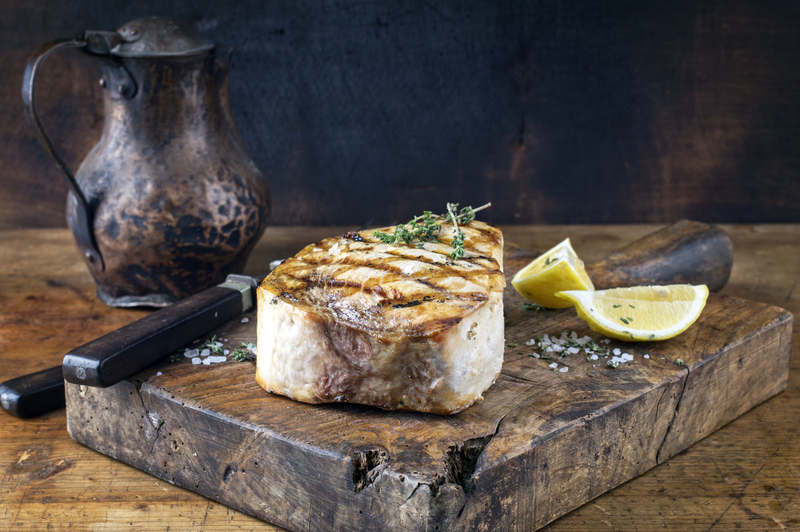


Some types of fish deliver a steak-like experience because of their firm texture, rich flavor, and high fat content. If you want an alternative to beef that still gives you that meaty satisfaction, certain fish species can match the density and taste you’re looking for.
Tuna, swordfish, and salmon are the top fish that taste like steak due to their firm, meaty textures and ability to be cooked using high-heat methods similar to beef.
These fish contain enough natural fat to stay moist during grilling and develop a satisfying crust when seared. They also hold up well to the same seasonings and cooking techniques you would use on a traditional steak.
Understanding what makes fish taste like steak helps you pick the right variety and cook it properly. This article covers the specific characteristics that create a steak-like experience, the best fish options to try, and the cooking methods that bring out their meaty qualities.
Key Characteristics of Steak-Like Fish

Fish that replicate steak share three defining traits: dense muscle structure, substantial fat distribution, and the ability to withstand high-heat cooking methods without falling apart.
Meaty and Dense Texture
The texture of steak-like fish comes from tightly packed muscle proteins that create a firm, substantial bite. Unlike flaky white fish varieties, these species have muscle fibers that hold together under pressure and heat.
Tuna and swordfish rank highest for density because they’re large, active predators requiring strong muscle development. When you cut into these fish steaks, the resistance matches beef rather than typical seafood. The thickness of proper fish steaks—usually 1 to 1.5 inches—allows you to cook them to varying degrees of doneness, including medium-rare for tuna.
Grouper provides a slightly different approach with its chunky, lobster-like texture. The white flesh maintains its structure during cooking while delivering that satisfying chew you expect from land-based meats.
High Fat Content and Flavor Profile
Fatty fish contain natural oils throughout their flesh that create richness during cooking. Salmon delivers the highest fat percentage among steak alternatives, with omega-3 fatty acids distributed between and within muscle fibers.
This fat content serves two purposes: it keeps the fish moist under direct heat and produces flavors beyond typical seafood profiles. When fat renders during grilling or searing, it creates browning reactions similar to beef. The protective layer between skin and flesh in species like North Atlantic black cod crisps up like rendered steak fat.
Swordfish takes a leaner approach but still contains enough intramuscular fat to prevent drying. Its mild taste accepts bold seasonings—the same rubs and marinades you’d use on ribeye or sirloin work effectively.
Firmness and Cooking Methods
Meaty fish withstand the same high-temperature techniques as beef cuts. You can place tuna steaks directly over charcoal or gas flames at 450-500°F without worrying about delicate flesh breaking apart.
The structural integrity of these species allows for quick searing that creates a crust while leaving the center pink. Bone-in salmon steaks handle longer cook times than fillets because the skeleton provides additional support. You can also use cast iron pans, broilers, and grill pans—equipment typically reserved for red meat.
Flip your fish steaks only once during cooking, just as you would with beef.
Top Fish That Taste Like Steak

Several fish species deliver the dense texture and meaty flavor that steak lovers seek, with tuna, swordfish, salmon, and halibut leading the category due to their firm muscle structure and high fat content.
Tuna and Tuna Steaks
Tuna steak stands as the closest fish alternative to beef steak in both texture and appearance. The flesh contains dense muscle proteins that create a firm, non-flaky bite when cooked. You can prepare tuna medium-rare, searing the outside while leaving the center pink, just like a beef ribeye.
Bluefin tuna offers the richest flavor profile with the highest fat content, producing a buttery texture that rivals marbled beef. Yellowfin tuna provides a leaner option while maintaining the meaty structure that makes it steak-like. The dark red color of raw tuna transforms to a lighter pink when cooked, similar to beef’s color change.
Grilling works best for tuna steaks, applying direct high heat for 2-3 minutes per side. The fish’s natural oils prevent it from drying out during cooking. Season tuna with the same spices you’d use on beef—black pepper, garlic, and sea salt—rather than traditional fish seasonings like lemon and dill.
Swordfish and Swordfish Steak
Swordfish delivers a meaty texture with white flesh that holds together on the grill better than most fish. The muscle structure creates thick, steak-like cuts that don’t fall apart during cooking. This fish contains less fat than tuna but maintains enough oil content to stay moist under high heat.
The flavor profile sits between tuna and chicken, offering a mild taste that accepts bold seasonings well. You can cook swordfish steak directly on grill grates without foil, achieving char marks identical to those on beef. The lean composition requires careful attention to avoid overcooking, with an internal temperature of 145°F marking doneness.
Swordfish steak thickness typically ranges from 1 to 1.5 inches, matching standard beef steak cuts. The firm texture allows you to slice it against the grain after cooking, presenting it exactly like sliced flank steak. Mercury levels in swordfish require limiting consumption to a few servings per month.
Salmon and Salmon Steak
Salmon steak differs from salmon fillet through its bone-in cut taken perpendicular to the spine. This cut includes a cross-section of the backbone, providing more intense flavor during cooking. The bone conducts heat, extending cooking time while adding depth to the overall taste.
The high fat content in salmon creates a rich, satisfying bite that beef eaters recognize as substantial. Natural omega-3 oils give salmon a buttery quality that compares to the marbling in prime beef cuts. Unlike the pink color of fillets, salmon steaks present a more robust appearance with visible bone structure.
Pan-searing salmon steak with butter and garlic produces a crispy exterior that mimics rendered beef fat. The denser texture around the bone requires 3-4 additional minutes of cooking compared to boneless portions. You achieve best results by cooking salmon steak to medium, leaving the center slightly translucent.
Halibut and Other Meaty White Fish
Halibut provides a mild-flavored white fish with exceptionally firm flesh that maintains its shape during aggressive cooking methods. The large, flat body of halibut produces thick steaks suitable for grilling or broiling. This fish lacks the strong seafood taste that typically puts off steak enthusiasts.
Grouper offers sweet-tasting white meat with a meaty texture enhanced by higher oil content than standard whitefish. The large fillet size satisfies appetites accustomed to substantial portions. Cooking grouper skin-side down with butter creates crispy skin that resembles the crust on a seared steak.
Mahi-mahi delivers firm texture with mild flavor, accepting steak seasonings without overpowering the fish’s natural taste. These varieties work best when cooked to full doneness rather than medium-rare, distinguishing them from tuna and swordfish in preparation method.
Other Notably Meaty Fish Varieties

Beyond the most popular steak-like fish, several other varieties deliver substantial texture and robust flavors that satisfy those seeking meat-like seafood options. These fish offer firm flesh and rich taste profiles that work well with high-heat cooking methods.
Shark and Shark Meat
Shark meat provides one of the most beef-like experiences available in seafood. The thick, dense flesh has a texture nearly identical to steak, which is why cuts are frequently labeled as “steak fish” in markets.
You’ll find shark meat has a mild flavor that readily absorbs seasonings and marinades. The meat contains no bones in the edible portions, making it easier to prepare than many other fish varieties.
Grilling works best for shark steaks. A simple preparation with salt, pepper, and olive oil lets the natural meaty qualities shine through without overwhelming the subtle taste.
Mahi Mahi (Dolphinfish)
Mahi mahi delivers moderately firm texture with large, meaty flakes that resemble the interior of a grilled steak. This tropical fish has lean white flesh with a slightly sweet, mild flavor profile.
The dolphinfish adapts well to various seasonings, from simple lemon juice to complex spicy rubs. You can cook mahi mahi using most preparation methods, though grilling brings out its natural flavors most effectively.
The fish holds together well during cooking despite its flaky nature. This makes it suitable for kebabs, tacos, or serving as whole steaks.
Sea Bass and Red Snapper
Sea bass stands out for people who typically avoid seafood due to strong fishy odors or tastes. The flesh has a mildly sweet flavor with high fat content that creates a full, meaty texture similar to certain cuts of pork or veal.
Red snapper offers lean, flaky meat with a slightly sweet taste and rosy-colored skin. The flavor is mild and versatile, allowing the fish to adapt to many different seasonings and cooking styles. Fresh red snapper ranks among the most prized options for seafood enthusiasts.
Both varieties work well with simple preparations that highlight their natural flavors rather than masking them with heavy sauces.
Marlin, Sturgeon, and Monkfish
Marlin shares many characteristics with swordfish and tuna, offering firm texture that withstands high-heat grilling and broiling methods. The meat holds its shape exceptionally well when cut into steaks.
Sturgeon provides dense, meaty flesh with a unique texture that falls between fish and red meat. The flavor is mild and slightly sweet, making it popular for smoking and grilling.
Monkfish earns its reputation as “poor man’s lobster” due to its firm, sweet flesh. The boneless tail section contains thick, meaty portions that maintain their structure during cooking. You can substitute monkfish in recipes calling for lobster or other firm white fish varieties.
Cooking Techniques That Enhance Steak-Like Qualities

High-heat cooking methods create the charred exterior and juicy interior that define steak-like fish. The right technique transforms firm-fleshed fish into a meaty, satisfying meal that rivals beef.
Grilling and Searing
Direct heat from grilling creates the Maillard reaction on fish surfaces, producing the browned crust you expect from steak. You need temperatures between 400-450°F to properly sear fish steaks like tuna or swordfish without overcooking the interior.
Place your fish steak directly on clean, oiled grates and leave it untouched for 3-4 minutes per side. This allows proper crust formation without sticking.
Grilled swordfish performs exceptionally well because its firm texture withstands high heat without falling apart. The lean meat develops char marks similar to beef while maintaining moisture inside.
For pan-searing, preheat a cast-iron skillet until it just begins to smoke. Add a thin layer of high smoke-point oil like avocado or grapeseed, then sear each side for 2-3 minutes. This method works particularly well for thicker cuts that need crusty exteriors.
Marinades and Seasonings
Skip lemon-based marinades that emphasize fish flavors. Instead, use beef-style seasonings like coarse black pepper, garlic powder, smoked paprika, and dried herbs.
Simple salt and pepper rubbed into the fish 30 minutes before cooking enhances natural umami flavors. The salt draws out moisture, creating a drier surface that sears better.
Oil-based marinades with soy sauce, Worcestershire sauce, or balsamic vinegar add savory depth. Limit marinating time to 30-60 minutes since fish proteins are more delicate than beef.
Avoid capers, dill, and other traditional fish seasonings that work against the steak profile you’re building.
Pan-Frying and Roasting
Pan-frying with butter creates rich, rendered fat flavors similar to cooking steak. Heat a heavy skillet over medium-high heat, add butter until it foams, then cook your fish steak skin-side down for maximum crispness.
Baste the fish with hot butter throughout cooking to build layers of flavor. This technique works best for fattier fish like salmon steaks that can handle the additional fat without becoming greasy.
Roasting works for thicker cuts above 1.5 inches. Preheat your oven to 425°F and sear the fish steak in an oven-safe pan first, then transfer to the oven for 8-12 minutes. The combination of searing and roasting replicates how you would cook a thick ribeye or prime rib.
Nutritional Profile and Health Benefits

Fish with steak-like qualities deliver protein levels comparable to beef while providing omega-3 fatty acids that red meat lacks. These species contain lower saturated fat than traditional steaks and offer essential minerals like selenium and potassium.
Omega-3 Fatty Acids and Heart Health
The best tasting fish varieties with meaty textures—including tuna, salmon, and swordfish—contain high concentrations of omega-3 fatty acids. These essential fats reduce your risk of cardiovascular disease by lowering triglyceride levels and decreasing inflammation in blood vessels.
Your body cannot produce omega-3s naturally, making fish consumption necessary for optimal health. A 3-ounce serving of salmon provides approximately 1.5 grams of omega-3s, which meets most daily requirements recommended by health organizations.
Eating fish twice weekly can improve brain function and reduce depression symptoms. The American Heart Association specifically recommends this frequency to maintain cardiovascular health and prevent heart attacks.
Comparing Fish and Steak Nutrition
A 3-ounce portion of grilled tuna contains about 25 grams of protein with only 1 gram of saturated fat, while the same amount of beef steak delivers 22 grams of protein but includes 3-5 grams of saturated fat. You get similar protein content with significantly less harmful fat when choosing fish.
Fish steaks provide vitamin B12, which supports red blood cell formation and nervous system function. Swordfish and halibut contain selenium levels that exceed 40% of your daily needs per serving, supporting thyroid function and antioxidant defense systems.
The calorie count favors fish as well—the tastiest fish options like mahi mahi contain 90-110 calories per 3-ounce serving compared to 180-250 calories in beef steaks. This difference helps you manage weight while maintaining muscle mass through adequate protein intake.
Choosing the Best Fish for a Steak Experience

Finding quality steak fish requires attention to freshness indicators, responsible sourcing practices, and knowing what to look for when examining cuts at the market.
Freshness and Sourcing
Fresh fish displays clear, bright eyes and firm flesh that springs back when pressed. The skin should appear metallic and moist, never dull or slimy. A fresh ocean smell indicates quality, while any strong or ammonia-like odor means the fish has started to deteriorate.
Local fishmongers often provide superior options compared to supermarket counters. They can tell you when the fish arrived, where it came from, and how it was caught. Wild-caught varieties typically offer firmer texture than farm-raised options, which matters for achieving that steak-like bite.
Ask about the catch date rather than the display date. Fish steaks should ideally be consumed within 24-48 hours of being cut for optimal texture and flavor.
Sustainable and Ethical Choices
Check for certifications from the Marine Stewardship Council (MSC) or Aquaculture Stewardship Council (ASC) on packaging or ask your fishmonger about sustainability ratings. Tuna and swordfish face overfishing concerns in certain regions, so verify the source before purchasing.
The Monterey Bay Aquarium Seafood Watch program provides regional guides for making responsible choices. Some alternatives like Pacific halibut or Alaskan salmon receive better sustainability scores while still delivering meaty texture. Mercury levels matter too—limiting consumption of top predators like swordfish to a few times monthly protects your health.
Tips for Selecting Fish Steaks
Look for cuts at least 1 to 1.5 inches thick. Thinner pieces dry out quickly and won’t develop the seared exterior that mimics beef steak. The flesh should show no gaps or separation between muscle layers.
Quality indicators include:
- Uniform color throughout the cut
- No brown spots or discoloration at edges
- Minimal liquid pooling in the package
- Intact skin (if purchasing skin-on)
Bone-in fish steaks like salmon offer more flavor but require longer cooking times. Boneless options from tuna or swordfish cook faster and provide easier eating. Request center-cut portions for the most consistent thickness and even cooking results.