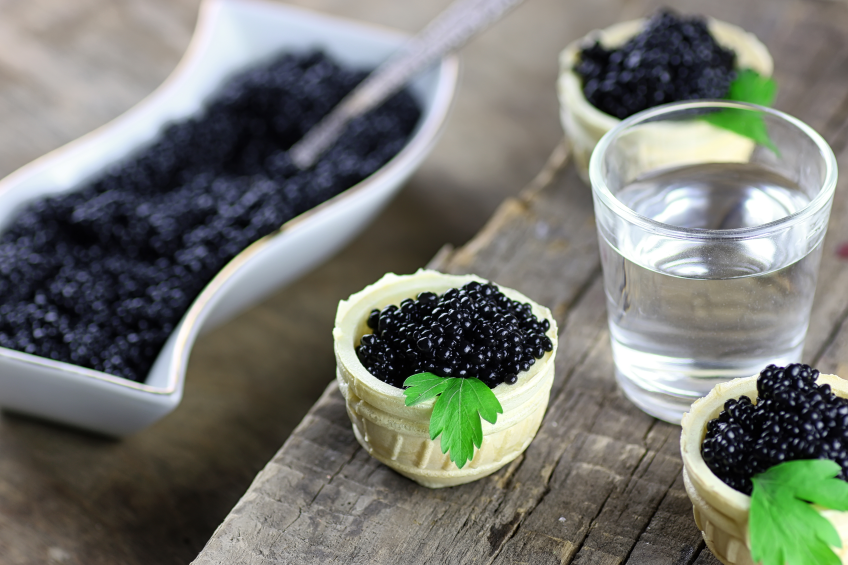

 Caviar often shows up on upscale menus and in luxury food shops. Yet, many people aren’t quite sure what it really is.
Caviar is salt-cured fish eggs that come from sturgeon, a type of fish found mainly in the Caspian and Black Seas.
The word “caviar” traditionally refers only to sturgeon roe, though plenty of products today use the label for eggs from other fish.
This delicacy has a reputation for being expensive and exclusive. Still, understanding what makes caviar special doesn’t require a refined palate or a big budget.
There are several types available, from beluga to sevruga, and some varieties cost far more than others. The world of caviar includes everything from traditional methods to modern sustainable practices.
If you’re curious about trying caviar for the first time or just want to know what you’re eating, you’ll find answers here. We’ll look at where caviar comes from, how it’s made, what it tastes like, and how to store it at home.
Defining Caviar: What It Really Is
 Caviar is salt-cured sturgeon roe from the Acipenseridae family. Knowing what separates true caviar from other fish eggs helps you spot genuine products and understand why this delicacy commands premium prices.
True Caviar vs Fish Roe
True caviar comes only from sturgeon fish. Legally, if a label says “caviar” with no qualifiers, it’s supposed to mean sturgeon eggs in most countries.
Fish roe, on the other hand, refers to eggs from any fish species. Salmon, trout, and lumpfish all produce roe, but unless the fish type is specified, these shouldn’t be called caviar. You might see “salmon caviar” or “trout caviar” on shelves, but technically, those are roe products with modifiers.
The distinction matters for quality and price. Sturgeon roe goes through specific curing methods and comes from fish that take years to mature. Other fish eggs may be enjoyable and nutritious, but they don’t have the complex flavor profiles and textures that define caviar.
Sturgeon Species and Authenticity
Several sturgeon species produce authentic caviar, each with unique characteristics. Beluga (Huso huso) creates the largest eggs, known for their creamy texture.
Osetra (Acipenser gueldenstaedtii) offers firm eggs with nutty notes, ranging in color from golden to dark brown. Sevruga (Acipenser stellatus) produces smaller grains with bright, aromatic qualities.
Siberian sturgeon (Acipenser baerii) yields smooth, clean-tasting eggs and is widely farmed now. Kaluga (Huso dauricus) provides a sustainable alternative to Beluga, with large, velvety eggs.
Look for the specific sturgeon species name on packaging. Generic labels like “black caviar” without species details can be a red flag for lower quality or mislabeling.
Reputable sellers are transparent about which Acipenseridae species produced the roe. That’s one way to spot authentic caviar.
History and Origins of Caviar
Caviar has roots in the Caspian and Black Sea regions, where wild sturgeon once thrived. Ancient civilizations valued sturgeon eggs, but the delicacy gained global recognition much later, in the 19th and 20th centuries.
Overfishing and habitat loss pushed wild sturgeon populations to the brink. International regulations now protect these ancient fish under CITES restrictions.
Most caviar today comes from sustainable aquaculture farms in Italy, France, China, the United States, and Iran. Modern farming lets producers control water quality, diet, and growing conditions—protecting wild populations and ensuring consistent quality.
Types of Caviar and Their Differences

Each caviar type comes from a different sturgeon species. These varieties differ in egg size, color, texture, and flavor profile.
The sturgeon species affects the price, with some varieties costing much more due to rarity and long production times.
Beluga Caviar
Beluga caviar comes from the Beluga sturgeon (Huso huso), native to the Caspian Sea. This variety produces the largest eggs of any caviar, often 3.5 millimeters or more in diameter.
The eggs range from light gray to nearly black, and lighter colors usually fetch higher prices. The flavor is mild, buttery, and creamy, with little fishiness.
Beluga sturgeon can take up to 20 years to mature before producing roe. This long maturation period makes beluga caviar the priciest option.
In the United States, you can’t legally buy beluga caviar. The import ban began in 2005 due to the endangered status of wild Beluga sturgeon. Kaluga caviar is the closest alternative on the American market.
Ossetra and Oscietra Caviar
Ossetra caviar comes from the Ossetra sturgeon (Acipenser gueldenstaedtii), also native to the Caspian Sea. The terms “ossetra” and “oscietra” refer to the same caviar, with “oscietra” just an alternative spelling.
The eggs are medium-sized and range in color from golden yellow to dark brown. Golden ossetra was once reserved for royalty and remains the most expensive shade.
The flavor profile is buttery and nutty, with a smooth texture and a satisfying pop. You’ll notice subtle briny notes, balanced by bright, almost citrusy undertones.
Larger and paler eggs cost more than smaller, darker ones. Most ossetra caviar today comes from sustainable farms, as wild populations are endangered.
This farming practice makes ossetra one of the more affordable luxury caviar options for first-time buyers.
Sevruga Caviar
Sevruga caviar is produced by the smallest of the main caviar sturgeon species. The eggs are noticeably smaller than beluga or ossetra, giving this caviar a unique texture.
The small egg size creates a crisper, cleaner mouthfeel. Sevruga has a bolder, more assertive flavor, with higher salinity and richer notes.
The eggs are typically light to dark gray. Sevruga sturgeon mature faster than beluga or ossetra, so this caviar is less expensive.
The lower price point makes it accessible while still providing an authentic caviar experience.
Kaluga and White Sturgeon Caviar
Kaluga caviar comes from the Kaluga sturgeon (Huso dauricus), native to the Amur River basin. It’s often called “river beluga” since Kaluga is closely related to Beluga sturgeon.
The eggs are large, similar to beluga, with colors from light amber to dark brown. Kaluga has a buttery, nutty flavor and more pronounced briny notes than ossetra.
Kaluga hybrid sturgeon, crossbred with other species, produces some of the highest quality farm-raised caviar. This makes kaluga the best legal alternative to beluga caviar in the U.S.
White sturgeon caviar comes from sturgeon native to North America’s West Coast. It features a clean, mild flavor with medium to large eggs and is a domestically produced option at a lower price point than imports.
Caviar Substitutes and Fish Roe Varieties

Many fish species produce roe that serves as more affordable alternatives to sturgeon caviar. These substitutes offer similar visual appeal and bursts of briny flavor at lower prices, though they differ in taste, texture, and classification.
Salmon Roe and Trout Roe
Salmon roe stands out for its bright orange color and larger pearls compared to traditional caviar. The eggs are about 5-7 millimeters in diameter and create a noticeable pop when bitten.
The flavor is more robust and fishier than sturgeon caviar, with a pronounced saltiness. Trout roe is smaller, usually 2-3 millimeters across, and ranges from golden yellow to deep orange depending on the species.
Trout roe has a milder, slightly sweet taste. Both types are high in omega-3 fatty acids and protein.
They’re sometimes labeled as “red caviar” in certain markets, though this doesn’t meet the strict definition of true caviar.
Other Roe Labeled as Caviar
Several fish species produce roe that gets marketed as “caviar.” Lumpfish roe comes in black or red and mimics the look of sturgeon eggs at a budget price.
Tobiko (flying fish roe) features tiny, crunchy eggs seen in sushi restaurants. Capelin roe is another small-grained option, while whitefish roe offers golden eggs with a mild flavor.
You might also see roe from cod, shad, and mullet sold as caviar substitutes. Out of more than 30,000 fish species, only 27 produce eggs that count as authentic caviar from sturgeon.
Everything else falls into the substitute category, regardless of how it’s labeled.
Key Distinctions from True Caviar
True caviar comes exclusively from sturgeon species in the Acipenseridae family. The eggs must meet specific standards for size, color, and flavor, developed over centuries of production.
In the United States, only sturgeon roe can be labeled as “caviar” without qualifiers. Substitutes must include the fish species name, like “salmon caviar” or “lumpfish caviar.”
The texture is different—sturgeon caviar melts on your tongue with a buttery, delicate flavor, while substitutes have a firmer pop and a more pronounced fishy taste. Price is another giveaway: genuine sturgeon caviar often costs hundreds per ounce, while substitutes range from $10 to $50.
How Caviar Is Produced
 Caviar production involves raising sturgeon for years, then carefully harvesting their eggs. Minimal salt is used to preserve quality, and the whole process requires strict temperature control and gentle handling to protect the delicate eggs.
Harvesting Methods
Most premium caviar these days comes from farmed sturgeon raised in controlled environments. Farms carefully monitor water quality, oxygen, and temperature to help reduce stress on the fish.
Sturgeon take anywhere from 7 to 15 years to mature before their eggs are ready for harvest. Producers rely on ultrasound technology to check egg maturity without harming the fish.
When the roe reaches peak quality, the sturgeon is processed and the egg sacs are removed in clean, well-maintained facilities. Traditional harvesting methods do kill the fish, though some farms have started experimenting with “no-kill” approaches, though results can be inconsistent.
The roe sacs need to stay intact during removal. If handlers crush or damage them, eggs break early and end up with a wet, mushy texture—not ideal for quality caviar.
Quality producers follow HACCP food safety protocols to control hygiene and contamination risks at every stage. This careful approach is essential for maintaining standards.
Processing and Salting (Malossol)
After harvest, workers gently separate eggs from their membrane using sieves. If handled roughly, egg membranes break, causing them to leak fat and liquid.
This leakage creates oil pooling at the bottom of tins—a classic sign of poor quality. Eggs are then rinsed with very cold purified water to remove blood and tissue.
Cold water helps protect the eggs’ firmness and prevents the membrane from softening. Warm water, on the other hand, melts fat too quickly and damages the overall structure.
Malossol means “little salt” in Russian. Premium sturgeon caviar uses just 3 to 5% salt for preservation and flavor.
Lower-quality producers often add more salt to mask weak flavor or old roe. If your first taste is dominated by harsh saltiness instead of rich, buttery notes, that’s usually cheap caviar.
Grading and Quality Factors
Caviar is graded by several factors:
- Size: Larger eggs typically command higher prices
- Color: Ranges from light gold to deep black depending on species
- Firmness: Eggs should pop cleanly, not feel mushy
- Shine: Quality caviar has a glossy appearance
- Taste: Should be rich and complex, not overly fishy
After grading, caviar ages in sealed tins in cold rooms for several weeks. This maturation period deepens the flavor and stabilizes the texture.
The cold chain must remain unbroken during storage and shipping, or eggs will soften and separate. Cheaper products often skip this step and end up tasting flat.
Regions and Sources: Where Caviar Comes From
 Caviar production has shifted dramatically over the past few decades. Wild sturgeon once dominated the Caspian and Black Seas, but most caviar now comes from regulated farms across several continents.
Traditional Caspian and Black Sea Roots
The Caspian Sea historically produced the world’s most prized caviar. Countries like Russia and Iran harvested wild sturgeon species—Beluga, Osetra, and Sevruga—from these waters for centuries.
The Black Sea also supplied high-quality roe from wild populations. These regions became synonymous with luxury caviar thanks to their unique ecosystems and the remarkable flavor profiles of their native sturgeon.
Overfishing and habitat loss devastated wild sturgeon populations by the 1990s. International regulations through CITES now restrict or ban wild caviar harvest to protect endangered species.
Authentic wild Caspian caviar is extremely rare today, and when available, it costs far more than farmed options.
Rise of Modern Caviar Farms
Caviar farms now operate across Europe, North America, the Middle East, and Asia. Italy, France, China, and the United States lead global production through controlled aquaculture facilities.
Major Farming Regions:
- China: Largest producer worldwide, with operations like Kaluga Queen supplying international markets
- Italy: Known for clean, consistent Osetra and Siberian caviar
- United States: California farms produce white sturgeon caviar with rich flavor profiles
- France: Focuses on premium Baerii and Osetra varieties
- Israel and Saudi Arabia: Growing Middle Eastern production centers
These caviar farms raise sturgeon in temperature-controlled environments with pure water. The fish mature over 7 to 20 years before producing roe.
Farms control diet, water quality, and harvesting timing to maintain consistent quality standards. This level of control has changed the industry.
Sustainable and Ethically Sourced Caviar
Sustainable caviar helps protect wild populations while meeting growing demand. Look for farms with transparent practices and proper certifications.
Ethically sourced caviar comes from facilities that prioritize fish welfare and environmental impact. Many producers now use hormone-free methods and avoid practices that harm the sturgeon during harvest.
Signs of sustainably sourced caviar include:
- CITES documentation and country-of-origin labeling
- Clear information about the farm and species
- Traceability from harvest to packaging
- Certifications from recognized environmental organizations
Modern aquaculture has made luxury caviar more accessible while reducing pressure on endangered wild sturgeon. Buying from reputable farms supports conservation and provides high-quality roe.
Caviar Taste, Texture, and Serving Traditions
 Caviar offers a unique taste experience that blends mild saltiness with buttery richness. Proper serving methods and traditional etiquette help you get the most from this delicacy.
The way you serve and eat caviar really does affect how you experience its delicate flavors. There’s an art to it.
Typical Flavor and Texture Profile
High-quality caviar tastes clean and mildly salty, almost like a fresh ocean breeze. The saltiness is gentle, not harsh or overpowering.
After the initial taste, you’ll notice buttery and creamy flavors that feel rich on your tongue. Many types of caviar have nutty notes reminiscent of walnuts or hazelnuts, with some varieties showing earthy undertones.
The best caviar leaves a clean finish without a strong fishy aftertaste. Texture matters just as much as flavor.
Individual eggs should feel firm and separate, not mushy or oily. When you press the pearls gently against the roof of your mouth, they should roll and then pop, releasing the creamy flavor inside each egg.
The membrane needs to be delicate enough to break with light pressure but strong enough to stay intact in the tin. Bad caviar tastes overly salty, bitter, metallic, or muddy.
A strong fishy smell or taste usually means the product is old or stored incorrectly. That’s always disappointing.
How to Serve Caviar Properly
Serve caviar cold but never frozen. Keep it in the refrigerator until you’re ready to eat it, and place the tin in a bowl of crushed ice to maintain the right temperature during serving.
Never freeze caviar—freezing damages the delicate eggs and ruins the texture. The ideal serving temperature is just above freezing, around 28-32°F.
Serve caviar in small amounts. A traditional serving size is about one ounce per person.
Present it in the original tin or transfer it to a chilled glass or crystal bowl. Simple presentation lets the caviar shine.
Mother-of-Pearl Spoon and Etiquette
Always use a mother-of-pearl spoon or one made from bone, glass, or gold when serving caviar. Metal spoons, especially silver or stainless steel, can react with the caviar and create a metallic taste that ruins the delicate flavor.
Place a small amount of caviar on the back of your hand between your thumb and index finger. This spot warms the caviar slightly and lets you experience the full aroma.
You can also eat it directly from a spoon or place it on a simple base. Don’t chew caviar right away—let the pearls rest on your tongue, then gently press them against the roof of your mouth.
This releases the flavor gradually and gives you the full tasting experience. It’s a subtle but important difference.
Pairings and Modern Enjoyment
Classic pairings include lightly toasted blinis, plain crackers, or small pieces of white bread. Add a small dollop of crème fraîche or a thin slice of hard-boiled egg white.
These neutral bases support the caviar without competing with its flavor. Traditional drinks include chilled vodka or dry champagne, both of which complement caviar’s richness.
Some people also enjoy white wine with good acidity. Modern serving styles have expanded beyond tradition, and you now see caviar on scrambled eggs, pasta, or baked potatoes.
Some chefs use it as a garnish for sushi or oysters. While expensive caviar deserves simple preparation, more affordable sturgeon roe or alternatives can work well in cooked dishes.
The key is balancing the caviar’s delicate taste with ingredients that enhance rather than overpower it. That’s really what makes the experience memorable.
Storing and Preserving Caviar
 Caviar needs cold temperatures and careful handling to stay fresh. The key is keeping it between 0-3°C, protecting it from air, and avoiding temperature changes.
Proper Storage Conditions
Store your caviar at 0-3°C in the coldest part of your refrigerator, usually the back of the lowest shelf. Never keep it in the door where temperatures shift every time you open the fridge.
This temperature range keeps the eggs firm and safe without freezing them. Keep unopened tins stored horizontally so the eggs sit in an even layer.
Place them in a sealed container or bag to protect them from fridge odors and moisture. Use a fridge thermometer to check that your storage area maintains the right temperature.
When serving caviar, place the tin on crushed ice to keep it cold at the table. Return it to the fridge as soon as you finish serving.
Don’t leave caviar at room temperature for more than 1-2 hours. Never freeze high-quality caviar—freezing breaks the delicate membrane of each egg and ruins the texture, turning the pearls soft and mushy instead of firm and glossy.
Shelf Life and Freshness
Unopened caviar lasts several weeks when stored properly, but you should check the best-before date on the package. Once you open the tin, the shelf life drops significantly.
Finish opened caviar within 24 hours for the best quality, though it may last up to 48 hours in proper storage. After opening, press a piece of plastic wrap gently onto the surface of the eggs before closing the lid.
This removes excess air that speeds up spoilage. Always use a clean, non-metal spoon each time you serve to avoid introducing bacteria.
Fresh caviar should smell clean like the ocean. If it smells sour, fishy, or off, don’t eat it.
The eggs should look glossy and firm, not dull or mushy. Paying attention to these details helps you enjoy caviar at its best.
Tips for Maintaining Quality
Transport caviar in an insulated bag with ice packs. Go straight home after picking it up.
Never leave caviar in a hot car or under direct sunlight. Every time it warms up, its shelf life drops—even if you chill it again later.
Use mother of pearl, horn, wood, or plastic spoons rather than metal utensils. Metal can alter the taste, which seems a shame for something so delicate.
Keep caviar away from strong-smelling foods in the fridge. The eggs are surprisingly quick to pick up odors from nearby items.
For extra protection, store the tin in a sealed container. It’s a small step, but it really does help.
If you need to pause during a long dinner, put the tin back in the fridge between servings. Short cold breaks are far better than letting it sit out for hours at room temperature.