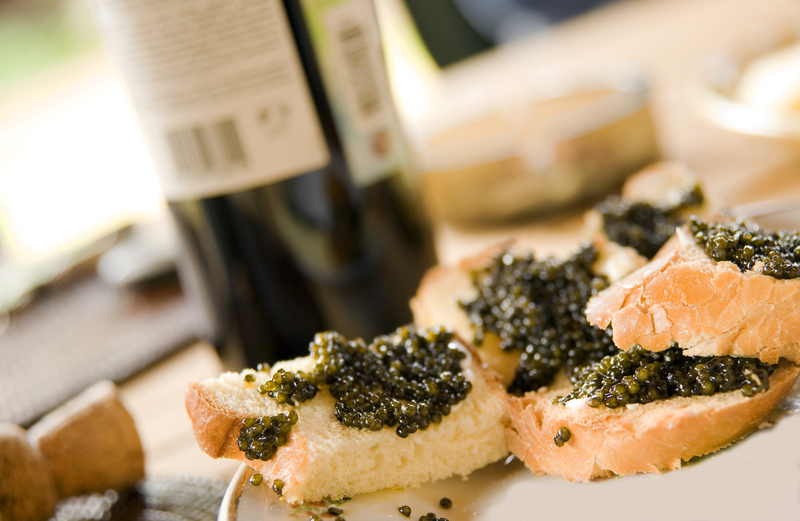

 Fish roe might look unusual if you’ve never tried it. This delicacy has been enjoyed around the world for centuries.
These small eggs from fish and other sea creatures offer a unique eating experience that goes beyond simple seafood. If you’re curious about adding fish roe to your meals, you probably want to know what you’re getting into before taking that first bite.
Fish roe generally tastes slightly salty with a distinct ocean flavor, and its texture pops or bursts gently when you bite into it.
The exact taste changes based on which fish the eggs came from and how they were prepared.
Some types have a light, delicate flavor with a hint of sweetness, while others are saltier and more savory. The briny taste comes from the high salt content naturally found in these eggs.
Your experience with fish roe will depend on several factors, from the specific variety you choose to how it’s served. This guide will walk you through the different types of fish roe, what makes each one unique, and how you can enjoy them in your cooking.
You’ll learn about the textures and flavors of popular varieties. There’s also a look at why this ingredient has become a prized addition to many dishes.
Understanding Fish Roe and Its Types
 Fish roe comes from many different fish species. Each type has its own taste and texture.
The most important thing to know is that not all fish roe is caviar, even though many people use these words to mean the same thing.
What Is Fish Roe?
Fish roe is the fully ripe eggs from female fish and some sea creatures. These eggs come from many sources, including salmon, trout, flying fish, smelt, and sea urchins.
The eggs appear in different sizes and colors. Some are tiny, less than 1mm across, while others are as large as a pea.
Colors range from bright orange and red to black, yellow, and even green. When you eat fish roe, you’ll notice the eggs are usually cured in salt water rather than completely raw.
This curing process firms up the eggs and brings out their flavor. The texture varies by type.
Some eggs burst with a satisfying pop when you bite them. Others feel more sandy or creamy in your mouth.
Fish Roe vs. Caviar: The Key Differences
Caviar only comes from sturgeon fish, which belong to the Acipenseridae family. This includes varieties like Beluga, Osetra, and Sevruga.
All other fish eggs are simply called fish roe. The taste difference is major.
Caviar has a smooth, buttery flavor with notes of hazelnut and dried fruit. It melts gently in your mouth with little saltiness.
The taste is complex and stays on your tongue for a while. Regular fish roe tastes more straightforward.
It’s usually saltier and has a stronger ocean flavor. The price also sets them apart.
True caviar costs much more because sturgeon are rare and take years to mature. When you see “salmon caviar” on a menu, it’s really just salmon roe using a fancy marketing name.
The General Taste and Texture of Fish Roe

Fish roe delivers a distinct ocean-forward flavor that ranges from mildly briny to intensely salty. Textures can pop, melt, or crunch depending on the variety you choose.
Flavor Profile: Salty, Briny, and Oceanic Notes
When you taste fish roe, the first thing you’ll notice is the salt. This briny quality reminds you of clean seawater, not harsh table salt.
The ocean flavor comes through clearly but shouldn’t overwhelm your palate if the roe is properly cured. Different types bring their own flavor notes.
Salmon roe (ikura) tastes rich and slightly sweet with a buttery quality. Sturgeon caviar offers nutty undertones with a creamy finish.
Flying fish roe (tobiko) stays mild and subtly sweet. Herring roe (kazunoko) delivers stronger umami depth.
The curing process shapes the final taste significantly. Traditional Japanese methods use soy sauce, dashi, and sake to add savory complexity beyond basic saltiness.
Simple salt-cured varieties let the natural fish flavor shine through more directly.
Texture: Popping, Creamy, and Delicate Sensations
The texture of fish roe varies dramatically by type and size. Larger eggs like salmon roe pop between your teeth, releasing their liquid contents in a satisfying burst.
This popping sensation is one of the most distinctive features of eating fish roe. Smaller varieties like tobiko and masago provide a crunchy texture instead of a pop.
These tiny eggs create a pleasant textural contrast when you bite down, adding interest to whatever dish they accompany. Sturgeon caviar feels different entirely—the eggs are firmer but yield to gentle pressure from your tongue.
They release a creamy, almost buttery texture as they break apart. Herring roe maintains an intact structure with a crystalline crunch since the eggs stay connected in their natural skeins.
Popular Varieties and Their Unique Tastes
 Each type of fish roe brings its own taste profile to your plate. The flavor ranges from rich and buttery to mild and briny, depending on which fish the eggs come from.
Salmon Roe: Rich, Buttery, and Slightly Sweet
Salmon roe delivers a bold, rich taste that many people find enjoyable. The eggs are large and pop easily in your mouth, releasing a buttery flavor with a slight sweetness.
You’ll notice a mild brininess that doesn’t overpower the natural taste. The texture is soft yet firm, giving you a satisfying burst when you bite down.
This makes salmon roe stand out from other varieties. The eggs have a bright orange to red color.
They work well on sushi, rice bowls, or as a topping for crackers and cream cheese. The taste is clean and fresh, never fishy when properly handled.
Tobiko: Crunchy, Mild, and Vibrant
Tobiko comes from flying fish and offers a different experience than salmon roe. These tiny eggs have a distinctive crunch that adds texture to dishes.
The flavor is mild and slightly smoky. You won’t find the same buttery richness as salmon roe.
Instead, tobiko provides a subtle taste that complements other ingredients without taking over. These eggs are naturally orange but often come in bright colors like red, black, or green.
The colors come from added ingredients like wasabi or squid ink. The small size and firm texture make tobiko popular for sushi rolls and as a garnish.
Masago: Subtle, Briny, and Versatile
Masago consists of capelin fish eggs that look similar to tobiko but smaller. The taste is more subtle and slightly saltier than other fish roes.
You’ll experience a gentle brininess that tastes like the ocean. The eggs are soft and less crunchy than tobiko.
This makes them easier to spread and mix into sauces or dressings. Masago costs less than most other fish roes.
The mild flavor lets you use it in many dishes without changing the overall taste too much. It appears often in affordable sushi and poke bowls.
Orange Caviar: Distinctive Traits and Flavor
Orange caviar typically refers to salmon or trout roe. The taste combines salty and sweet notes with a smooth, oily finish on your tongue.
The eggs are medium to large in size. They have a delicate skin that breaks easily, releasing the flavorful liquid inside.
The color ranges from bright orange to deep red. You’ll taste a fresh, clean flavor that reminds you of the sea without being too fishy.
The texture is softer than tobiko but firmer than masago. Orange caviar works well as a standalone appetizer or as a luxurious topping for blinis and pasta.
Factors That Influence the Taste of Fish Roe
 Not all fish roe tastes the same. The species of fish, how the eggs are processed, and how fresh they are all play a major role in the final flavor and texture you experience.
Species and Origin
The type of fish determines the base flavor profile of the roe. Salmon roe has large eggs with a rich, savory taste and a distinct pop.
Flying fish roe is much smaller with a crunchy texture and mild, slightly sweet flavor. Sturgeon caviar offers complex, buttery notes that are subtle and creamy.
The fish’s diet and habitat also matter. Wild-caught salmon that feed on krill and small fish produce roe with a deeper orange color and more pronounced flavor.
Farm-raised fish often have milder-tasting eggs because of their controlled diet. Water temperature and salinity in the fish’s environment affect the egg size and taste as well.
Geographic origin influences quality standards too. Russian and Iranian caviar from the Caspian Sea has a different flavor profile than California or Chinese sturgeon roe, even from the same species.
Processing and Curing Methods
The salt content in the brine solution directly impacts taste. Light salting preserves the delicate flavor but reduces shelf life.
Heavy salting extends preservation but can overpower the natural taste of the eggs. The best producers use just enough salt to enhance flavor without masking it.
How long the eggs stay in the brine matters. A quick cure keeps the eggs softer and more delicate.
Extended curing firms up the texture and intensifies the salty taste. Some roe is smoked, adding a woody or smoky flavor layer.
Other varieties are infused with ingredients like squid ink, wasabi, or yuzu, which change both color and taste. Dried and pressed roe like bottarga develops a concentrated, intense flavor completely different from fresh, brined eggs.
Freshness and Storage
Fresh roe tastes clean and oceanic. Old or improperly stored roe develops a strong fishy smell and bitter aftertaste.
The eggs may also become mushy or leak liquid. Temperature control is critical.
Roe stored too warm loses its firm texture and fresh flavor within hours. The coldest part of your refrigerator keeps it fresh longest.
Once opened, exposure to air causes the eggs to dry out and lose their bright taste within a few days. Freezing changes the texture permanently.
The delicate egg membranes break down, resulting in a mushy consistency and dulled flavor when thawed.
Culinary Uses and Serving Suggestions
 Fish roe appears in cuisines worldwide, from Japanese sushi bars to Russian dining tables. You can enjoy it as a standalone delicacy or incorporate it into various dishes to add texture, flavor, and visual appeal.
Traditional Dishes Featuring Fish Roe
You’ll find fish roe featured prominently in Japanese cuisine, especially in sushi and sashimi. Ikura (salmon roe) often sits atop nigiri or gets rolled into sushi, while tobiko (flying fish roe) brings color and crunch to many rolls.
Masago, made from capelin roe, serves as a more affordable alternative in sushi restaurants. Russian and Eastern European cultures serve caviar with blini, which are small buckwheat pancakes.
Fish roe appears in Scandinavian dishes like smoked fish platters and open-faced sandwiches. Italian pasta dishes sometimes feature bottarga, a cured mullet or tuna roe that’s grated over linguine or spaghetti.
Greek taramasalata combines fish roe with bread, olive oil, and lemon juice for a creamy spread. Korean cuisine uses pollack roe in dishes like myeongnan-jeot and mentaiko pasta.
You might also spot fish roe in Mediterranean appetizers and Middle Eastern mezze spreads. Its versatility is honestly impressive, and maybe a bit underappreciated outside these regions.
Pairings and Complementary Flavors
You should pair fish roe with mild, neutral flavors that let the roe shine. Crème fraîche and sour cream work well because their tangy creaminess balances the saltiness.
Fresh cucumber slices provide a crisp, refreshing contrast to rich roe. Sometimes, it’s the simplest pairings that work best.
Complementary ingredients include:
- Hard-boiled eggs (chopped or sliced)
- Thinly sliced red onion or shallots
- Fresh dill, chives, or parsley
- Lemon wedges for brightness
- Toast points or crackers
- Butter or cream cheese
Avoid pairing fish roe with strong, competing flavors that overpower its delicate taste. For beverages, champagne, vodka, or dry white wines tend to work best.
The bubbles and acidity in these drinks cut through richness while cleansing your palate between bites. It’s a classic approach, and for good reason.
Serving Recommendations for the Best Experience
Always serve fish roe cold, ideally kept on ice until serving. Remove it from the refrigerator 5 to 10 minutes before serving so the flavors can develop a bit.
Never use metal spoons with high-quality caviar, as they can impart a metallic taste. Instead, use mother-of-pearl, bone, or even plastic utensils.
For casual serving, you can top deviled eggs, bagels with cream cheese, or baked potatoes with fish roe. When serving caviar formally, present it in its original tin, nested in a bowl of crushed ice.
Provide small serving spoons and individual plates. To preserve quality, keep unopened fish roe refrigerated at 28–32°F.
Once opened, consume it within 2–3 days for best flavor and texture. Fresh roe tastes better than frozen, though freezing works for cooking applications where texture matters less.
Nutritional and Sensory Value of Fish Roe
 Fish roe delivers impressive nutritional benefits while offering a unique taste experience that develops over time. The tiny eggs pack concentrated nutrients that support health in several ways.
Health Benefits and Nutritional Profile
Fish roe stands out as one of the most nutrient-dense foods available. A single ounce of salmon roe provides about 70 calories, roughly 9 grams of complete protein, and over 1,000 mg of omega-3 fatty acids (EPA and DHA).
These omega-3s support brain function, heart health, and help reduce inflammation. Fish roe also contains exceptional amounts of vitamin B12—one serving provides about 5 mcg, well above your daily needs.
This vitamin is essential for nerve function and red blood cell production. You’ll also get significant amounts of vitamin D (about 130 IU per ounce), which supports bone health and immune function.
The selenium content (around 18 mcg) acts as a powerful antioxidant to protect your cells from damage. Fish roe does contain high cholesterol and can be high in sodium due to salt-curing.
However, dietary cholesterol typically has less impact on blood cholesterol than saturated fats do. If you monitor your sodium intake, enjoy fish roe as an occasional treat in moderate portions.
Acquired Tastes and Enjoyment Tips
Fish roe has a distinct briny flavor that can take some getting used to. The main impression is a clean, subtle “taste of the sea” with gentle saltiness.
It’s not an overpowering fishy flavor, which surprises some people. Large roe like ikura gives a satisfying pop when bitten, releasing a sweet and savory liquid that’s hard to describe until you’ve tried it.
If you’re new to roe, it’s wise to start with milder types like salmon or trout roe. These are less intense and might be easier for most people to enjoy at first.
For caviar, use a non-metal spoon since metal can alter the taste, oddly enough. Classic accompaniments like blinis and crème fraîche let the caviar stand out without distraction.
Everyday roe works well as a garnish on sushi or spooned over rice. It can also be stirred into scrambled eggs for a bit of color and texture.
The visual appeal and texture really add something to simple dishes. Pair roe with neutral flavors—think butter, plain crackers, or mild cheese—so nothing overshadows its delicate taste.
Start with small portions. Over time, your palate will likely adapt to the unique texture and flavor.