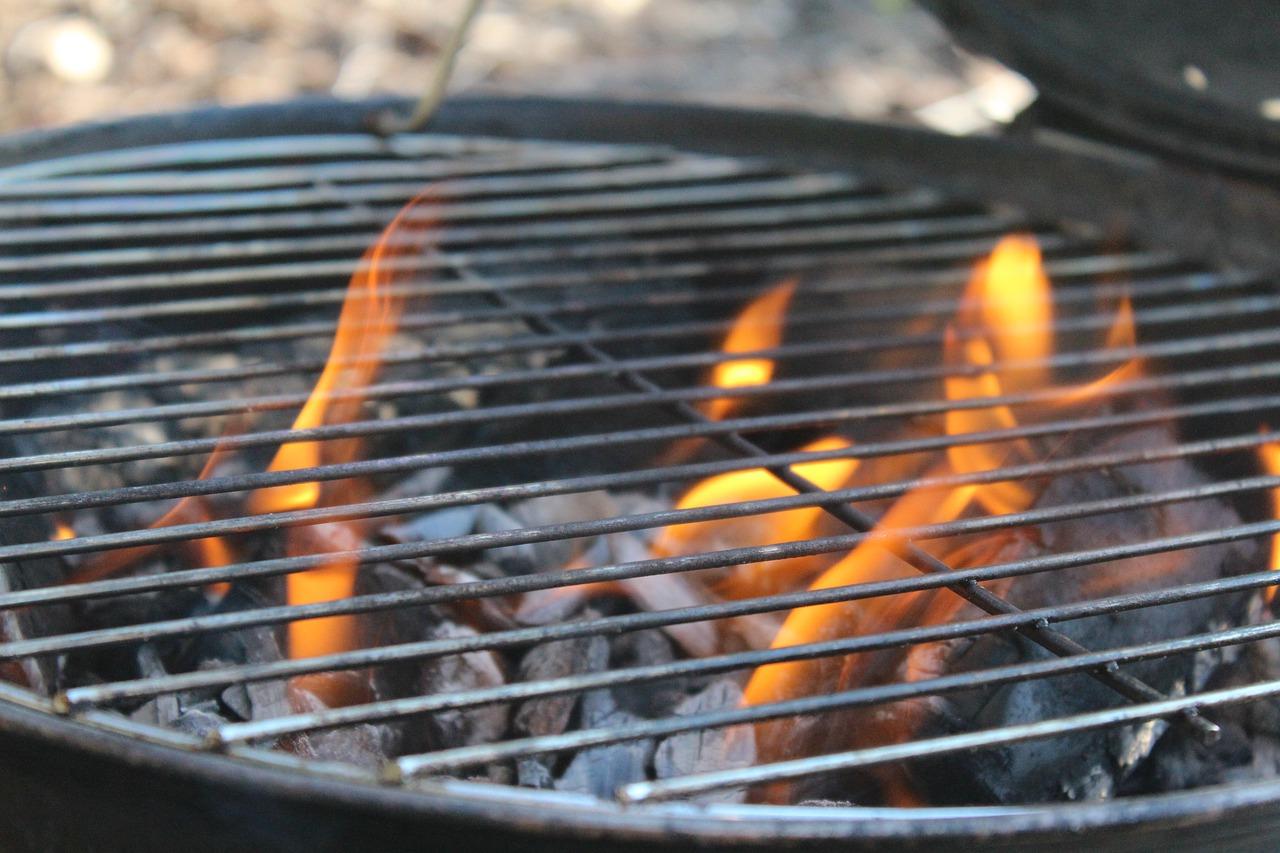

 Charcoal has been a go-to fuel for cooking and heating across many cultures for thousands of years. People often enjoy the unique flavor it brings to grilled food and its widespread availability.
Still, using charcoal brings real concerns for both human health and the environment.
The two main disadvantages of charcoal are its environmental damage through deforestation and air pollution, and its health risks from releasing harmful substances like carbon monoxide and toxic compounds when burned.
These issues reach beyond individual users, affecting entire communities—especially where charcoal production is widespread. Charcoal manufacturing destroys forests at a staggering rate, with over 2.4 billion trees lost each year. The smoke from burning it can cause serious respiratory problems and long-term health effects.
Environmental Impact of Charcoal

Charcoal production leads to significant environmental problems. Forests are depleted, air quality suffers, and the global climate is affected.
The process removes massive numbers of trees and releases pollutants into the air. This isn’t just a minor side effect—it shapes entire ecosystems.
Deforestation and Habitat Loss
Charcoal production is responsible for the loss of over 2.4 billion trees each year. Many producers cut trees faster than forests can recover, especially in tropical regions where demand is high.
When trees disappear, so do habitats for countless plants and animals. Many species simply can’t survive elsewhere. The soil also erodes more easily without tree roots to hold it in place.
Communities relying on forests for food, medicine, or income face real hardship when those resources vanish. The impact of charcoal production depends on how and where the wood is sourced. Charcoal from sustainably managed forests or agricultural waste does less harm than that made through clear-cutting.
Charcoal Emissions and Air Pollution
The pyrolysis process—burning wood in low-oxygen conditions—releases a mix of pollutants. Particulate matter, carbon monoxide, and volatile organic compounds are all byproducts.
Air quality around production sites drops, and workers are exposed to high levels of these substances. Residents nearby also end up breathing polluted air day after day.
Cooking with charcoal continues to release emissions, impacting indoor and outdoor air. The smoke contains chemicals that harm the respiratory system, and poor ventilation only makes things worse.
Greenhouse Gas Release and Climate Effects
Charcoal production drives climate change in two ways. First, cutting trees releases stored carbon back into the atmosphere.
Second, the production itself emits greenhouse gases. Burning wood for charcoal adds carbon dioxide and methane to the air, which trap heat.
As forests shrink, fewer trees are left to absorb carbon dioxide. The result? More greenhouse gases linger, intensifying global warming.
Health Risks of Charcoal Use

Burning charcoal emits substances that can harm your lungs, expose you to cancer-causing chemicals, and create dangerous carbon monoxide levels—especially in enclosed spaces.
Respiratory Issues and Particulate Matter
Charcoal fires release fine particles, known as PM2.5, into the air. These tiny particles make their way deep into your lungs and even your bloodstream.
PM2.5 from charcoal smoke can cause serious breathing problems. Regular exposure may lead to coughing, wheezing, and shortness of breath. Over time, chronic conditions like asthma and bronchitis can develop.
The World Health Organization attributes millions of early deaths each year to indoor air pollution from solid fuels like charcoal. Using charcoal in poorly ventilated spaces increases your risk. The particulate matter can damage lung tissue and lower lung function over time.
Carcinogenic Compounds in Charcoal Smoke
Charcoal smoke contains polycyclic aromatic hydrocarbons (PAHs), which are known carcinogens. These form at high temperatures, especially during grilling.
PAHs stick to food surfaces and become airborne in smoke. The more often you grill with charcoal, the greater your exposure.
Burning charcoal also releases volatile organic compounds (VOCs), which can irritate your eyes, nose, and throat. Some VOCs are linked to cancer and organ damage with long-term exposure.
Heterocyclic amines (HCAs) form on meat cooked over high heat. These compounds are associated with increased cancer risk, particularly for the digestive tract.
Carbon Monoxide Poisoning
Charcoal produces carbon monoxide (CO), an odorless and colorless gas that’s difficult to detect without special equipment.
CO interferes with your blood’s ability to carry oxygen. Early symptoms include headaches, dizziness, and nausea; severe cases can cause unconsciousness or death.
Using charcoal indoors or in partially enclosed spaces like garages or tents is especially risky. Each year, thousands of people suffer from carbon monoxide poisoning due to improper charcoal use.
Socioeconomic and Community Drawbacks

Charcoal production brings challenges for communities, particularly in developing regions. Rural workers often face exploitation and economic instability.
The industry can trap families in poverty and contribute to gender inequality and child labor. These are not minor issues—they affect daily life and long-term prospects.
Impact on Local Livelihoods
Charcoal production rarely offers sustainable income for rural communities. Workers typically receive low wages for physically demanding labor.
In sub-Saharan Africa, where over 80% of urban households use charcoal, rural producers often aren’t paid fairly. As soil quality degrades, farming becomes harder, and communities must choose between short-term income and long-term stability.
Cheap charcoal keeps prices low, forcing producers to work harder for basic income. As forests decline, so do other sources of livelihood, making many families dependent on charcoal production.
Labor and Social Concerns
Charcoal production often reinforces gender inequality. Women frequently handle wood collection and charcoal making, limiting their opportunities for education and other work.
Child labor is also common in production regions. Children may miss school to help their families, putting their health and future at risk.
Working conditions are poor. Producers usually lack safety gear and face health risks from smoke and dust. The informal nature of the industry leaves families without job security or legal protection.
Practical Disadvantages in Daily Use

Charcoal presents a couple of practical challenges for everyday cooking. Ash cleanup can be messy, and controlling cooking temperature is tricky.
Messy Cleanup and Ash Disposal
Charcoal leaves behind a significant amount of ash after each use. Both lump charcoal and briquettes generate fine particles that stick to grill grates and surfaces.
Disposing of ash safely requires patience. You need to wait for coals to cool completely to avoid fire hazards, then carefully scoop out the ash to prevent dust clouds.
Grills need more frequent cleaning when using charcoal. Ash buildup can block vents and affect performance. You’ll also need a dedicated container for ash and a safe disposal plan, since tossing warm ash in the trash isn’t an option.
Inconsistent Heat and Cooking Control
Charcoal doesn’t offer the same precise temperature control as other fuels. Adjusting heat means adding or removing coals, not just turning a knob.
Burning rate can change with weather, charcoal quality, and airflow. Wind, humidity, and outside temperature all play a role in how charcoal burns. Holding a steady cooking temperature can be frustrating at times.
Charcoal takes 15-20 minutes to reach proper cooking temperature. Unlike gas or electric grills, you can’t just start cooking right away.
Charcoal Types and Their Relative Impacts

Different types of charcoal come with varying emissions and health risks. Lump charcoal and briquettes are made differently and burn in distinct ways, while specialty products like activated charcoal are used for other purposes.
Differences Between Lump and Briquettes
Lump charcoal is made from pure wood, charred without additives. It burns hotter and cleaner, producing less ash and fewer chemicals. It lights quickly and reaches cooking temperature fast.
Briquettes are made from compressed sawdust, coal dust, and chemical binders. These additives help them hold shape and burn longer, but they also release more smoke and potentially harmful compounds.
Production efficiency for both types varies, generally between 8 and 28 percent in developing countries. Briquettes tend to create more indoor air pollution due to added ingredients and release more particulates.
Lump charcoal typically costs more but results in better air quality during use. Briquettes, favored for their steady burn, remain popular despite higher emissions.
Role of High-Quality and Activated Charcoal
High-quality charcoal emits fewer toxins and burns more completely. Improved manufacturing processes remove more impurities, reducing smoke and exposure to carbon monoxide and particulates.
Activated charcoal is processed at higher temperatures to create a porous material, mainly for medical or filtration uses—not for cooking or heating.
The quality of charcoal depends on wood source and production temperature. Charcoal made at 200°C to 400°C under controlled conditions is most stable. Lower-quality charcoal releases more volatile compounds and nitrogen oxides when burned.
Sustainable Solutions and Alternatives

Better options exist that reduce the environmental harm caused by traditional charcoal production. These alternatives include cleaner fuels made from waste materials.
Improved methods for managing forests responsibly are also gaining attention. It’s not a perfect fix, but it’s a step in the right direction.
Biochar and Cleaner Fuel Options
Binchotan charcoal stands out as a premium, traditional alternative to ordinary charcoal. Made from carefully selected hardwood and carbonized using century-old Japanese kiln techniques, it burns extremely hot, clean, and consistently.
Unlike conventional charcoal, binchotan produces very little smoke or odor, allowing the natural flavor of food—especially yakitori, seafood, and vegetables—to shine.
It also lasts much longer, generates minimal ash, and maintains steady heat, making it ideal for both professional grilling and outdoor BBQ.
This time-honored charcoal isn’t about quick fuel—it’s about precision, purity, and performance, delivering restaurant-quality results with every cook.
Charcoal briquettes made from organic waste provide another solution. These briquettes use materials that would otherwise be discarded, turning them into useful fuel.
They burn more efficiently than regular charcoal. Fewer harmful emissions are produced, which is a real benefit for air quality.
Electric stoves and gas cooking systems eliminate the need for charcoal entirely. Solar ovens harness renewable energy from the sun, making them suitable for areas with plenty of sunlight.
These technologies reduce deforestation. They can also improve air quality in homes and communities, though adoption varies.
Some regions now use improved carbonization equipment that captures harmful gases during production. This technology makes the charcoal-making process cleaner and more efficient.
Adoption of Sustainable Practices
Sustainable forestry practices make sure trees get replanted after harvesting. This helps keep forests healthy, even as they continue supplying wood for fuel.
Forest management programs aim to help communities meet energy needs without harming the environment. Sometimes, the balance is tricky, but these programs try to find practical solutions.
Supporting these efforts can be as simple as choosing products from companies committed to responsible forest management. In some countries, businesses that invest in cleaner production and tree-planting may even get tax incentives.
Community education programs teach people about the risks of traditional charcoal. They also train them to use alternative fuels.
These initiatives sometimes provide access to cleaner cooking technologies at prices people can actually afford. Local governments might step in to regulate charcoal production, hoping to prevent illegal logging.
Encouraging the use of sustainable feedstock, rather than cutting down natural forests, is another approach that’s gaining traction in some regions.