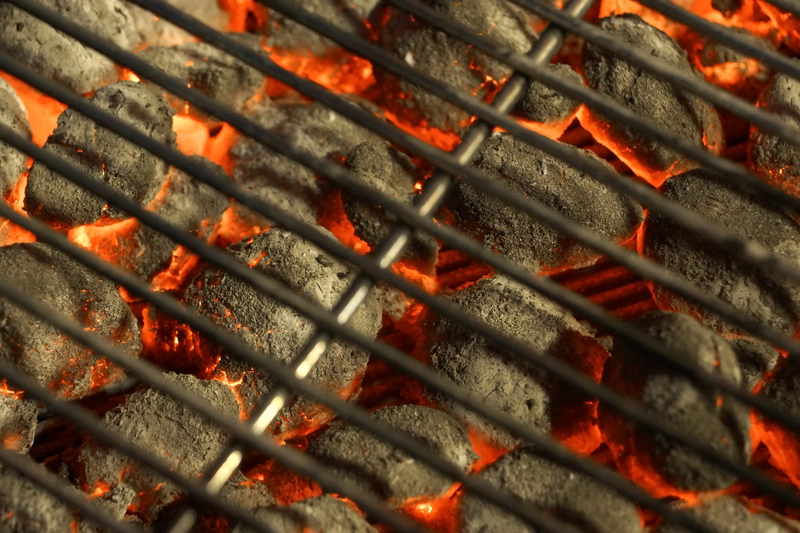


Charcoal briquettes remain a common fuel for grilling, yet they come with notable drawbacks that are often overlooked.
The main disadvantages of charcoal briquettes include serious health risks from toxic gas emissions, negative environmental effects from production and burning, and performance issues that affect your grilling results.
These concerns range from immediate safety hazards to long-term environmental damage. When you use briquettes for cooking, you’re working with a manufactured product that contains additives and binders beyond just pure charcoal.
These extra ingredients create problems that might not be obvious at first. The combustion process releases harmful gases, especially in spaces without good airflow.
This article breaks down the key problems with charcoal briquettes so you can make better decisions about your fuel choices. You’ll learn about health dangers, environmental costs, and how briquettes affect your food’s taste and quality.
We’ll also look at what these fuel sources really cost you over time and explore other options that might work better for your needs.
Overview of Charcoal Briquettes and Their Common Uses
 Charcoal briquettes are compressed blocks made from specific materials that burn at steady temperatures. They work differently than lump charcoal and serve multiple purposes in cooking and heating applications.
What Are Charcoal Briquettes Made Of?
Charcoal briquettes consist of compressed charcoal dust mixed with binding agents and additives. The main ingredient is usually coal dust or charcoal powder that gets combined with starch, limestone, and other materials to hold the shape.
Manufacturers press this mixture into uniform blocks that burn consistently. Some briquettes contain sawdust, while others use coconut shells or mixed biomass materials.
The binding agents help the compressed blocks stay together during shipping and storage.
Common ingredients in briquettes include:
- Charcoal dust or coal powder
- Cornstarch or other binding agents
- Limestone (adds white ash)
- Sodium nitrate (helps with lighting)
- Sawdust or wood chips
Different brands add varying amounts of these materials. This affects how the briquettes burn and how much ash they produce.
How Charcoal Briquettes Differ from Lump Charcoal
Lump charcoal comes from pure wood that has been burned in a low-oxygen environment. It contains no additives or binding agents.
Briquettes, on the other hand, are manufactured products with multiple ingredients pressed together. You’ll notice lump charcoal pieces have irregular shapes and sizes, while briquettes come in uniform pillow shapes or squares.
Lump charcoal lights faster and burns hotter than briquettes. It also produces less ash.
Briquettes burn longer and maintain more consistent temperatures than lump charcoal. This makes them easier to manage for long cooking sessions.
However, lump charcoal gives you a cleaner burn since it’s just pure wood charcoal without additives.
Popular Applications in Grilling and Smoking
You’ll find charcoal briquettes used most often in charcoal grills for backyard cooking. They provide steady heat for burgers, steaks, and vegetables.
Many people prefer them for their predictable burn time and temperature control. Smoking meat is another common use for briquettes, as they maintain the low, steady heat needed for hours of smoking.
You can add wood chunks on top of the briquettes to create a smoked flavor.
Popular uses include:
- Backyard grilling: Standard cookouts and weekend meals
- Low and slow smoking: Brisket, ribs, and pulled pork
- Korean BBQ: Table-top grilling at restaurants
- Heating: Fireplaces and outdoor fire pits
Charcoal grilling with briquettes gives your food a distinct taste. The consistent burn makes temperature management simpler than using wood alone.
Health and Safety Concerns
 Charcoal briquettes pose several health and safety risks that you should understand before using them. The dangers range from toxic chemical exposure and carbon monoxide poisoning to physical hazards like burns and accidental ingestion.
Chemical Additives and Toxic Fumes
Many charcoal briquettes contain chemical additives that help them burn longer and more evenly. These additives can include binders, accelerants, and other substances that release harmful chemicals when burned.
When you light briquettes, they emit pollutants including volatile organic compounds (VOCs), polycyclic aromatic hydrocarbons (PAHs), and trace metals. These toxic fumes can affect your respiratory system and overall health.
PAHs are particularly concerning because they are linked to an increased risk of cancer. Lighter fluid adds another layer of chemical exposure, releasing additional fumes that can contaminate your food and the air you breathe.
Natural lump charcoal contains fewer additives than briquettes. This makes it a safer alternative if you want to reduce your exposure to harmful chemicals during grilling.
Carbon Monoxide Risks
Carbon monoxide is an odorless, colorless gas that charcoal briquettes produce during combustion. This gas is extremely dangerous and can be deadly in enclosed spaces.
You should never use charcoal briquettes indoors or in poorly ventilated areas. The carbon monoxide can build up quickly and cause poisoning symptoms like headaches, dizziness, nausea, and confusion.
Severe exposure leads to unconsciousness and death. Even outdoor use requires proper ventilation.
If you grill in a partially enclosed space like a garage with the door open or under a tent, carbon monoxide can still accumulate to dangerous levels.
Fire and Accidental Ingestion Hazards
Charcoal briquettes create obvious fire risks that require careful management. Hot briquettes can cause severe burns if you touch them directly or if they fall from your grill.
The fire can spread beyond your grill if you don’t monitor it properly. Wind can blow embers onto nearby flammable materials, and improper disposal of hot ashes can start fires hours after you finish grilling.
Accidental ingestion poses risks, especially for children and pets. While partially eating a briquette typically causes only minor reactions, it can still lead to digestive discomfort and requires medical attention.
Environmental Impact and Sustainability
 Charcoal briquettes create several environmental problems through their production and use. The process requires cutting down trees, releases harmful gases into the air, and generates ash waste that needs proper disposal.
Deforestation and Resource Use
Making charcoal briquettes starts with harvesting wood, which drives deforestation in many parts of the world. Producing one ton of charcoal can require up to three tons of wood.
In Sub-Saharan Africa, where charcoal meets about 90% of cooking needs, this demand has destroyed millions of hectares of forest each year. The production process depletes forests faster than they can grow back.
When trees are cut down for charcoal, you lose important ecosystems that support wildlife and regulate water systems. Countries like Zambia lose around 250,000 hectares of forest annually to charcoal production.
Sustainable alternatives like coconut shell charcoal briquettes offer better options. These use waste materials instead of fresh timber.
Wood briquettes made from sawdust or agricultural waste also reduce pressure on forests. You can lower your impact by choosing products certified as sustainably sourced or switching to briquettes made from recycled materials.
Air Pollution and Emissions
Burning charcoal briquettes releases several types of air pollutants. Each grilling session with five kilograms of briquettes produces about 15 to 20 kilograms of carbon dioxide.
This equals the emissions from driving a car roughly 40 miles. Your grill also releases particulate matter, carbon monoxide, and volatile organic compounds.
These pollutants form when briquettes burn incompletely, especially in grills with poor ventilation. Carbon monoxide levels above 100 parts per million can cause headaches and dizziness.
Fine particles harm your lungs and worsen conditions like asthma. Charcoal produces more pollution than propane grills.
A single charcoal grilling session releases up to 20 times more carbon monoxide than using propane. You can reduce emissions by using proper ventilation, avoiding accelerants to start your fire, and choosing high-quality briquettes with fewer additives.
Ash Waste and Disposal Issues
Ash production from charcoal briquettes creates disposal challenges you need to handle carefully. Each bag of briquettes leaves behind substantial ash residue after burning.
The ash often contains non-biodegradable additives used as binders in the manufacturing process. You cannot simply throw this ash in regular trash without considering its composition.
Some briquettes contain chemicals that make the ash unsuitable for composting or garden use. The ash from treated briquettes may harm soil and plants if disposed of improperly.
Proper disposal requires letting ash cool completely in a metal container for at least 48 hours. You can use ash from pure wood charcoal in gardens as it contains potassium and raises soil pH.
However, ash from briquettes with additives should go in your regular trash. Store ash away from combustible materials since it can smolder for days after you finish grilling.
Performance Drawbacks for Grilling
 Charcoal briquettes create several practical challenges during cooking that affect your grilling results. These issues range from heat limitations to cleanup problems that impact both food quality and your overall grilling experience.
Lower Maximum Heat and Searing Limitations
Charcoal briquettes burn at lower temperatures than lump charcoal, which limits your ability to achieve proper high-heat grilling. When you need temperatures above 700°F for searing steaks or getting crispy skin on chicken, briquettes often fall short.
They typically max out around 600-650°F, which means you get less of that desirable char and crust on your food. The compressed manufacturing process and added binders in briquettes reduce their peak heat output.
You’ll notice this especially when trying to cook foods that benefit from intense direct heat. Even when you pile briquettes close together, they don’t generate the same intensity as other fuel sources.
This temperature limitation affects cooking times too. Foods that should sear quickly instead cook more slowly, which can dry out proteins or prevent that perfect caramelized exterior from forming.
Difficulty with Temperature Control
Managing consistent temperatures with briquettes requires constant attention and adjustment. They take 15-20 minutes just to reach cooking temperature, which is longer than most other fuel options.
Once lit, making quick temperature changes becomes nearly impossible. When you need to lower the heat for low-and-slow cooking, closing vents on charcoal grills doesn’t provide immediate results.
The briquettes continue burning at their current rate for several minutes. Raising temperatures means adding new briquettes, but these take time to ignite and stabilize.
The additives and binders in briquettes also create unpredictable burning patterns. Some sections may burn faster than others, creating hot and cold spots across your cooking surface.
Excessive Ash Production
Briquettes generate more ash than other fuels because of their compressed composition and fillers. This ash builds up quickly at the bottom of your grill and can block air vents.
When airflow is restricted, your fire loses intensity and might even go out. You have to clean ash between cooking sessions to maintain proper grill function.
During long cooks, ash buildup sometimes forces you to stop and remove it mid-cook. The ash contains residue from binders and additives, making a bigger mess than you’d get with natural wood products.
Heavy ash production buries unburned briquettes, which wastes fuel and reduces efficiency. Fine ash particles can become airborne, settling on your food and work surfaces.
Flavor Impacts and Additive Influence
 Charcoal briquettes contain additives that can affect how your food tastes. These chemicals and binders often create flavors that differ from the clean, smoky taste of natural wood charcoal.
Presence of Chemical Flavors
The additives in briquettes can introduce chemical flavors to grilled food. Binders and accelerants used during manufacturing sometimes produce off-tastes that mask the natural flavor of your meat or vegetables.
Coal additives release benzene and toluene when burned, which can create a bitter or chemical taste that lingers on your food. Sodium nitrate and borax, both common in briquettes, also contribute unwanted flavors during combustion.
Starch binders holding briquettes together may create an artificial taste, since these materials don’t burn as cleanly as pure charcoal. The result? Food that tastes processed, not naturally grilled.
Comparison with Lump Charcoal for Smoky Taste
Lump charcoal delivers a superior smoky flavor because it contains no additives. It’s made by burning wood in a low-oxygen environment, with no chemical additions.
When you use lump charcoal, you get a pure smoked flavor that reflects the wood used to make it. Your food tastes cleaner and more authentic.
The wood charcoal in lump form burns hotter and cleaner than briquettes. This means food absorbs genuine smoke flavor instead of chemical byproducts. Many grill enthusiasts prefer lump charcoal for its ability to enhance rather than alter the taste of grilled foods.
Hidden and Long-Term Costs
Charcoal briquettes might look budget-friendly at first, but their true cost emerges over time through repeat purchases and extra maintenance. You’ll spend more on both fuel and the effort required to keep your grill clean.
Frequent Replenishment and Expense Over Time
Briquettes burn faster than many alternatives, so you need to buy them more often. A typical bag might last just a few grilling sessions, depending on your cooking style.
This adds up quickly if you grill regularly. You might spend $15-20 per month during grilling season, which translates to $180-240 annually just for fuel.
Coconut shell charcoal briquettes offer better value because they burn longer and produce more consistent heat. While they cost more upfront, you use less per session.
The shorter burn time of standard briquettes also affects efficiency. You may need to add more fuel mid-cooking, which disrupts temperature control and can extend cooking time.
Impacts on Grill Maintenance and Cleaning
Briquettes create substantial ash compared to natural lump charcoal or coconut shell options. You’ll often find a thick layer of ash coating your grill grates, vents, and bottom pan after each use.
This ash buildup causes several problems:
- Reduced airflow through vents
- Clogged grill components
- More frequent deep cleaning requirements
- Potential rust from moisture-trapping ash
You’ll spend extra time scraping ash from every surface of your grill. The residue sticks to metal and can require wire brushes and special cleaners to remove completely.
Some ash contains chemical additives from binders used in briquette production, making disposal more complicated in areas with strict waste rules.
Considerations for Alternative Charcoal Options
 Several alternatives to standard charcoal briquettes offer different burning characteristics and environmental benefits. Coconut shell charcoal and wood briquettes each provide unique advantages for grilling and cooking.
Coconut Shell Charcoal Briquettes
Coconut shell charcoal briquettes come from recycled coconut shells, making them an eco-friendly grilling option. These briquettes burn cleanly with minimal smoke and ash production.
You’ll notice they produce consistent heat for longer periods compared to regular charcoal. The main benefits include their sustainable sourcing and reduced environmental impact.
Since they use agricultural waste, you’re not contributing to deforestation when you buy them. However, coconut shell charcoal briquettes typically cost more than standard options.
You may also find them harder to locate in regular stores. The initial ignition can take longer, so you’ll need to plan ahead when starting your grill.
Wood Briquettes and Other Eco-Friendly Choices
Wood briquettes come from compressed sawdust and wood scraps, without any chemical additives. They burn hotter and tend to last longer than most traditional charcoal briquettes.
You can pick from several types of wood, each bringing its own distinct flavor to your cooking. That variety might be worth exploring if you care about subtle taste differences.
Alternative options include:
- Agricultural waste briquettes made from corn cobs or rice husks
- Biomass pellets from compressed organic materials
- Lump charcoal from whole wood pieces
When selecting wood briquettes, it’s wise to check if they’re made from sustainably sourced materials. Some suppliers do a better job of prioritizing responsible forestry than others, so that detail can matter.
These eco-friendly options tend to create more ash than coconut shell briquettes, though still less than standard types. It’s a small tradeoff, but worth noting if cleanup is a concern for you.
The higher price point stands out as the main drawback here. Still, that extra cost often supports better environmental practices—and, in many cases, delivers noticeably better cooking results.