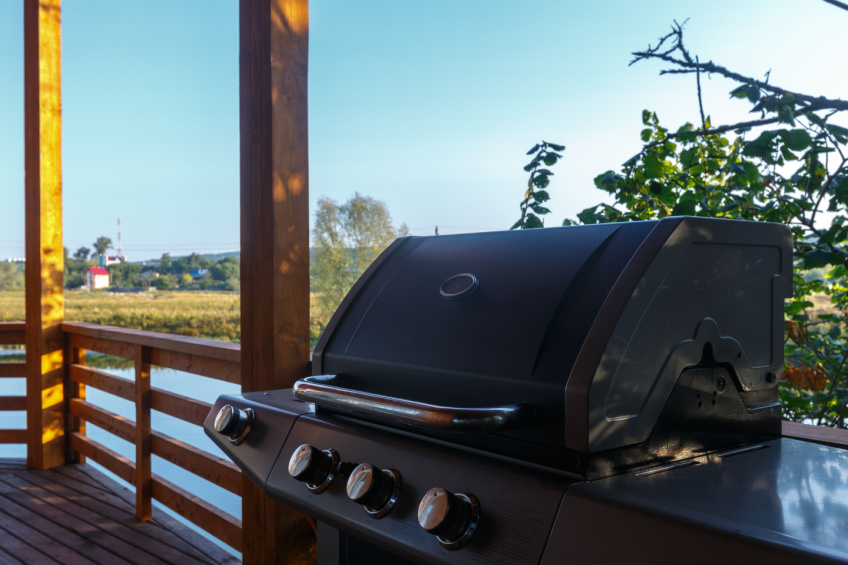

 Gas grills are a popular pick for outdoor cooking, but they’ve got some real drawbacks you should probably know about before pulling the trigger.
The main cons of gas grills include higher upfront costs, lack of smoky flavor, ongoing fuel expenses, maintenance complexity, and limited portability compared to other grill types.
Understanding these limitations will help you decide if a gas grill fits your needs and budget. While gas grills offer convenience and quick startup times, they may not deliver the authentic barbecue taste many grillers crave.
The initial investment can run from a few hundred to several thousand dollars depending on the model you pick. Gas grills also need a steady propane or natural gas supply, which adds to your long-term costs.
This article breaks down each disadvantage so you can make a more informed decision about your outdoor cooking setup. You’ll get the lowdown on flavor differences, cost factors, durability issues, and how gas grills stack up against charcoal and other options.
Lack of Smoky Flavor and Authentic Barbecue Taste

Gas grills just can’t match the rich, smoky flavor that charcoal grills deliver. They burn clean fuel, so you miss out on that signature barbecue aroma and taste.
The taste difference is one of the biggest complaints among barbecue fans who love the traditional grilled flavor. If you’re after that, gas grills might leave you a bit underwhelmed.
Why Gas Grills Produce Less Smoky Flavor
Gas grills burn propane or natural gas—both are clean-burning fuels that create almost no smoke during cooking. The smoky flavor you associate with grilled food comes from smoke particles that stick to your meat as it cooks.
Charcoal grills, on the other hand, get their smoke from burning charcoal briquettes or lump charcoal. This smoke is packed with flavor molecules that give your food that classic barbecue vibe.
Gas grills just don’t have that process. The drippings from your food can create a bit of smoke when they hit the heat plates or burners, but it’s nowhere near what charcoal gives you.
The result? Cleaner-tasting meat that lets natural flavors shine, but it’s missing that deep, smoky character so many people want.
Taste Differences Compared to Charcoal Grills
The flavor gap between gas and charcoal grills is noticeable when you cook the same food on both. Meat cooked on gas grills often tastes more like it was made indoors, with less of that outdoor, grilled punch.
Charcoal grills create a bold, complex taste thanks to wood smoke seeping into your food. This really stands out with foods that cook longer, like ribs or brisket.
Gas-grilled food tends to have a lighter, more neutral flavor profile. Some folks actually prefer this cleaner taste, especially for fish or veggies.
But if you’re after that authentic barbecue flavor, gas grills just don’t quite get you there. The difference is most obvious with traditional barbecue dishes where smoky taste is a huge part of the appeal.
Smoker Box Accessories and Flavor Limitations
You can try adding smoker boxes to your gas grill to get a bit more smoke. These metal boxes hold wood chips that smolder when heated by your burners.
Honestly, though, they still can’t match the smoke output of charcoal grills. It’s a bit of a band-aid solution.
Common issues with smoker boxes include:
- Limited smoke output compared to burning charcoal
- Needing to refill wood chips during longer cooks
- Inconsistent smoke levels throughout cooking
- Extra cost and maintenance
Smoker boxes work best for shorter cooks when you just want a hint of smoke. They help a bit, but don’t expect the same intense smokiness. Plus, you have to babysit them more to keep the smoke going.
Higher Upfront and Maintenance Costs

Gas grills usually cost more to buy than charcoal models and need ongoing spending for repairs and upgrades. You’ll pay a premium for quality, and the expenses don’t stop after the initial purchase.
Initial Purchase Price of Gas Grills
Gas grills start around $200 for basic versions, but durable options typically run $500 or more. Modern gas grills with multiple burners and solid construction can easily range from $800 to $2,000.
High-end units with premium features sometimes go over $3,000. A natural gas grill costs more than propane models, since it needs professional installation and a permanent gas line.
This setup can add another $200 to $500. Charcoal grills, in contrast, often cost under $100 for entry-level models.
The higher upfront cost comes from complex components like multiple burners, electronic ignition systems, and gas regulators. You’re basically paying for convenience features that charcoal grills don’t need.
Ongoing Maintenance and Replacement Parts
Gas grills need regular part replacements, and those costs add up. Burner tubes usually last 3-5 years and run $50 to $150 each to replace.
Ignition systems fail and can cost $30 to $80 for new parts. Other common replacement costs:
- Burner tubes: $50-$150
- Ignition systems: $30-$80
- Cooking grates: $40-$120
- Gas regulators: $25-$60
- Heat shields: $30-$100
You’ll also spend on propane refills, which are $15 to $25 per 20-pound tank. That gives you about 18-20 hours of cooking time.
Cleaning supplies and maintenance tools add another $30 to $50 a year, give or take.
Expense of Accessories and Upgrades
Gas grills work with all sorts of accessories that can improve cooking but definitely increase your total spending. A rotisserie kit costs $100 to $300, depending on motor quality and size.
A side burner adds $150 to $400 if it’s not already included. Grease management trays need replacing every 1-2 years, at $15 to $40 each.
Grill covers run $40 to $150, depending on size and quality. Temperature gauges, griddle plates, and pizza stones add $30 to $100 each.
Wood chip boxes for smoke flavor cost $20 to $50. Some accessories, like rotisserie kits, need special mounting hardware that may not fit all grills, so you might be forced to buy pricier, compatible versions.
Dependence on Continuous Fuel Supply

Gas grills need a steady source of fuel to work. That means managing propane tank refills or dealing with a natural gas connection.
Running out of fuel mid-cook? That’ll kill your grilling session instantly.
Refilling Propane Tanks and Fuel Availability
You have to keep an eye on your propane levels before every grilling session, or you might run out at the worst possible time. Most propane tanks don’t have accurate fuel gauges, so you’re left guessing.
Refilling or exchanging tanks means trips to hardware stores, gas stations, or wherever you get your refills. It’s smart to keep a spare tank if you grill a lot or host big gatherings.
Tank exchanges typically cost $20 to $25, while refills might be a bit less. Propane can be harder to find during peak grilling season or if you live far from refill stations.
The tanks themselves are heavy and awkward to lug around, especially the standard 20-pounders. Not exactly fun if you hate hauling stuff.
Natural Gas Line Installation Considerations
Natural gas grills need a permanent gas line from your home’s natural gas supply. Installing this line usually costs between $200 and $1,000, depending on how far your meter is from the grill area.
You’ll have to hire a licensed pro for the installation, which adds to the cost and hassle. Sometimes you’ll need permits and inspections too, depending on your local codes.
Once it’s in, you can’t move your grill easily—you’re stuck with it in that spot. Natural gas does give you unlimited fuel without refills, but you lose the freedom to move your grill around or take it anywhere else.
And if your home doesn’t already have natural gas service, well, that’s a whole other can of worms.
Complexity and Durability Concerns

Gas grills have more mechanical parts than simpler cooking methods, which means more things can go wrong. Weather isn’t always kind to these components, either.
More Components That Can Fail
There are several moving parts that can break down. The ignition system handles the spark that lights your grill, and it often stops working after exposure to moisture or grease buildup.
If that fails, you have to light the grill manually or replace the igniter. Burners can get clogged from grease and food bits, or rust out if they’re made from cheaper metals.
Even stainless steel burners can eventually corrode. The gas valves and regulators control fuel flow, and they can stick or leak as they age.
Cast iron grates rust without proper care, especially in humid climates. Temperature gauges lose accuracy, and control knobs can crack or loosen up over time.
Even the lights on modern gas grills can burn out or develop wiring issues that are a pain to fix. It’s a lot to keep up with, honestly.
Weather and Environment Impacts on Gas Grills
Rain and humidity cause rust on metal parts. Water can get into burner tubes and clog them up.
Moisture inside the control panel makes ignition systems unreliable. Extreme heat can make plastic knobs brittle and warp some metal parts.
Cold weather affects gas pressure and makes propane less efficient. If you live near the coast, salt air speeds up corrosion on everything metal.
Sunlight fades colors and weakens rubber hoses. Wind blows debris into burner ports. Even with a cover, moisture can sneak in and cause rust spots on grates and burners.
Challenges with Grill Cleanup and Maintenance

Gas grills need regular cleaning to work well and stay safe. The grease tray and burners, in particular, need attention.
Grease Tray Management
The grease tray collects drippings during cooking. You need to check and clean these trays after every few uses to prevent buildup.
If grease piles up, it creates fire hazards and attracts pests to your outdoor space. Trays can overflow if you ignore them, causing grease to drip onto your patio or deck.
Most gas grills have removable trays that slide out from the bottom. You should scrape off hardened grease and wash the tray with hot soapy water.
Some people line their trays with aluminum foil to make cleanup easier, but you still have to swap out the foil regularly. Grease buildup also causes bad smells and smoke, which can mess with the taste of your food and just make grilling less fun.
Cleaning Gas Grill Burners and Grates
Your burners need regular inspection to prevent clogs from grease and food particles. Blocked burner ports can cause uneven flames and create hot spots on your cooking surface.
It’s best to brush the grates after each use while they’re still warm. Cast iron grates need some extra care, since they can rust if you don’t maintain and oil them properly.
Stainless steel grates resist rust a bit better, but they still end up with baked-on food residue. Either way, some buildup is inevitable.
For deep cleaning, you’ll have to remove the grates and burners completely. Soak the grates in degreaser, scrub them well, and check burner tubes for spider webs or debris.
Wire brushes work for most grates, but if you’ve got porcelain-coated ones, stick with brass brushes to avoid scratching. It’s a small detail, but it matters.
The flavor bars or heat shields above the burners also trap grease and need scraping now and then. Honestly, this maintenance takes 30 to 60 minutes every few months, but it’s worth it to keep your grill working right.
Portability, Setup, and Size Limitations

Gas grills take up more space than you might expect. Moving them or installing them permanently definitely calls for some planning—it’s not like just dragging a charcoal kettle around.
Built-in models lock you into one spot, while freestanding units need enough room for clearance and fuel access. Not always easy if your patio’s on the smaller side.
Gas Grill Size and Placement Requirements
Gas grills need dedicated space beyond the grill itself. You have to leave clearance on all sides for safety and airflow.
Most manufacturers call for at least 12 inches of space behind the grill and 6 inches on each side. It’s a bit more than most people think.
Small balconies and tight patios often just can’t handle larger grills safely. A four-burner freestanding model usually measures 50-60 inches wide with side shelves, so you’ll need roughly 6-8 feet of clear deck space for the grill and for moving around it.
Propane tanks add another wrinkle. You need accessible storage for those 20-pound cylinders, and some areas have restrictions on where you can keep them.
Natural gas grills skip the tank but require permanent placement near your gas line. It’s a tradeoff either way.
Key space factors:
- Clearance requirements reduce usable patio space
- Freestanding carts are bulky and heavy
- Propane tanks need safe, accessible storage locations
- Deck and balcony weight limits may restrict grill size
Setup for Built-In and Outdoor Kitchens
Built-in gas grills require professional installation and permanent placement. You can’t just move them for a weekend cookout at a friend’s place or change their location if your plans shift.
Natural gas lines must be installed by licensed professionals. This can add $500-2,000 to your total cost depending on how far you are from your home’s gas meter.
The work involves permits, inspections, and coordinating with contractors. It’s not a DIY afternoon project, that’s for sure.
Outdoor kitchen setups need proper framing, countertops, and weather-resistant cabinetry. You’re building real infrastructure that stays put, even if you decide to upgrade your grill later.
This limits flexibility compared to portable options. Freestanding grills give you more freedom, but they’re not exactly portable either.
Most units weigh 150-300 pounds once assembled. Moving them means disconnecting fuel lines, emptying grease traps, and wrestling a heavy cart across your deck. Not my idea of a good time.
Gas Grills vs Charcoal and Other Grill Types

Gas grills trade some flavor depth for convenience and control. Meanwhile, charcoal grills deliver stronger taste, but you pay for it with more effort and time.
These differences matter when you’re picking what fits your cooking style—or honestly, just your patience level.
Flavor and Cooking Experience Compared to Charcoal Grills
Charcoal grills produce a strong, smoky flavor that gas grills can’t really match. When you cook over charcoal, fat and juices drip onto hot coals and create smoke that wraps around your food.
This smoke gives meat a deep, complex taste that a lot of folks crave. The high heat from charcoal also creates a better brown crust through the Maillard reaction—there’s just something about it.
Gas grills give you a cleaner, milder taste. You won’t get the same smoky depth, but the natural flavors of your food stand out more.
One upside: gas grills offer even heat distribution across the cooking surface. That helps you avoid hot spots that can burn food unevenly.
Some gas grills come with smoker boxes or flavorizer bars to add a hint of smoke. These help narrow the flavor gap between gas and charcoal, but it’s not quite the same.
Kamado grills, which use charcoal, are also worth mentioning—they offer excellent heat retention and can hit really high temps for searing. They’re a different beast, honestly.
Ease of Use, Convenience, and Control Differences
Gas grills really shine when it comes to convenience. You just hit the ignition button and, honestly, you’re ready to cook in about 10 to 15 minutes.
Charcoal grills? They take a bit longer—maybe 15 to 20 minutes just to get those coals hot. There’s arranging the charcoal, messing with fire starters, and waiting for the coals to turn that perfect gray.
Temperature control is another story. With gas, it’s almost too easy: twist a knob and you’re set, keeping the heat steady without much fuss.
Charcoal, though, asks for a little more from you. You’ll find yourself moving coals around or fiddling with vents, which—let’s be honest—takes some patience and a bit of trial and error.
| Feature | Gas Grills | Charcoal Grills |
|---|---|---|
| Start Time | 10-15 minutes | 15-20 minutes |
| Temperature Control | Turn knobs | Move coals, adjust vents |
| Cleanup | Wipe grates, empty grease tray | Remove ashes, scrub grates |
| Best For | Quick weeknight meals | Weekend cooking with time |
Cleanup? Gas grills win here, too. You just wipe down the grates and dump out the grease tray, which is honestly not too bad.
Charcoal grills leave you with a pile of ashes to deal with, but maybe that’s part of the charm for some folks. If you’re grilling all the time or just want a fast dinner after work, gas grills make a lot of sense.