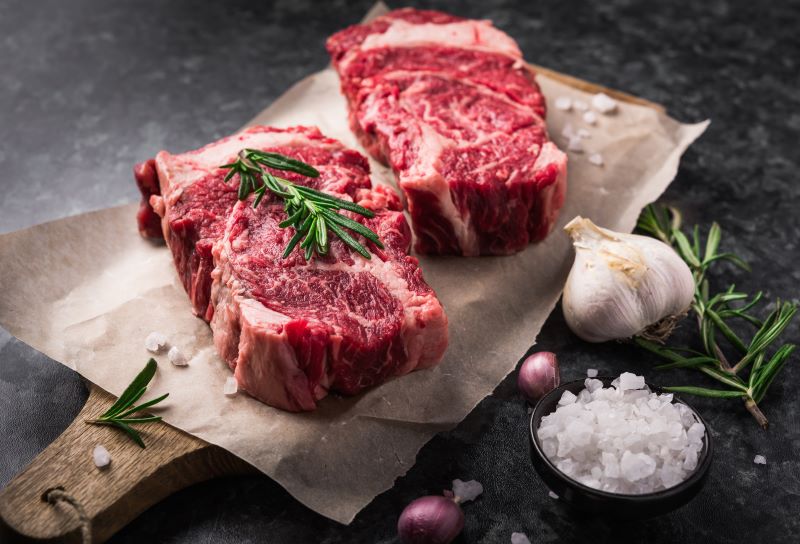


Grilling a great steak starts with one simple but critical decision about salt. You’ll find conflicting advice everywhere, from chefs who say to salt right before cooking to those who recommend salting days in advance.
This confusion leads many home cooks to either skip salting entirely or apply it at the wrong time, resulting in steaks that taste bland or turn out dry and tough.
Yes, you should salt your steak before grilling, but the timing matters more than you think.
Salt doesn’t just add flavor. It changes the texture and moisture content of your meat through a process that requires either immediate cooking or patient waiting.
Understanding this process will help you avoid the most common mistake: salting your steak and letting it sit for 10 to 40 minutes, which pulls moisture out without giving it time to be reabsorbed.
This guide explains the science behind salting steak and walks you through three proven timing methods that work. You’ll learn which type of salt to use, how much to apply, and what mistakes to avoid so your next grilled steak turns out juicy and flavorful every time.
Why Salting Steak Before Grilling Matters
 Salting steak before grilling fundamentally changes how your meat cooks by enhancing flavor, breaking down proteins for tenderness, and creating the conditions for a proper crust to form.
Flavor Enhancement Through Seasoning
Salt acts as a flavor enhancer rather than just making your steak taste salty. When you season your steak properly, the salt amplifies the natural beef flavor instead of masking it.
The salt dissolves into the meat’s surface moisture and penetrates the interior. This process distributes seasoning throughout the steak, not just on the outside. Without adequate salting, you’re left with bland meat that tastes flat even when cooked perfectly.
The timing of your salting determines how deeply the flavor penetrates. Immediate seasoning (right before grilling) keeps the salt on the surface. Extended salting periods allow the salt to move deeper into the muscle fibers, creating more uniform flavor distribution throughout each bite.
Tenderizing and Moisture Retention
Salt breaks down protein structures in meat through a process that makes the steak more tender. When salt sits on the surface, it initially draws moisture out through osmosis. This might seem counterproductive, but the salt dissolves in that moisture and creates a brine.
After about 40 minutes to an hour, the salt solution begins moving back into the meat. The dissolved salt disrupts protein bonds, which loosens the muscle fibers and makes them softer to chew. This reabsorbed moisture also stays in the steak during cooking because the altered proteins hold onto water more effectively.
If you salt your steak and cook it within 10 to 40 minutes, you’ll get the worst results. The salt pulls moisture out but hasn’t had time to move back in, leaving you with a drier steak.
Role in Texture and Crust Formation
Salting steak before grilling directly impacts the quality of the crust that forms on your meat. A dry surface is essential for achieving a proper sear and triggering the Maillard reaction, which creates the browned, flavorful exterior.
When you salt steak well in advance (1-3 days), the surface dries out in your refrigerator. This dry exterior browns faster and more evenly when it hits the hot grill grates. The Maillard reaction requires temperatures above 300°F and low moisture conditions to produce those complex flavors and the crispy texture you want.
Even immediate salting helps with crust formation. The salt on the surface absorbs some moisture and creates better contact between the meat and the grill. This improved contact means more even browning and char development across the entire surface of your steak.
How Salt Interacts With Steak: The Science
 Salt triggers a series of physical and chemical changes in steak that affect moisture retention, texture, and browning. These processes work together to create a more flavorful and tender piece of meat.
Osmosis and Moisture Movement
When you apply salt to steak, osmosis begins immediately. The salt creates a concentration gradient that pulls water from inside the muscle cells to the surface of the meat.
This initial moisture loss happens within the first few minutes of salting. The water that emerges dissolves the salt crystals on the surface, creating a concentrated brine.
After about 40 minutes, the process reverses. The salty brine on the surface gets reabsorbed back into the meat through osmosis, carrying dissolved salt deep into the muscle fibers. This reabsorption helps the steak retain more moisture during cooking than an unsalted steak would.
Protein Denaturation and Tenderness
Salt breaks down protein structures in meat through a process called denaturation. The sodium and chloride ions disrupt the bonds that hold muscle proteins in their original shape.
When proteins denature, they unwind and form new structures. These restructured proteins create a gel-like matrix that traps water molecules more effectively. Your steak becomes more tender because the modified proteins are easier to chew and hold onto moisture better during high-heat cooking.
The longer salt has contact with the meat, the deeper this protein modification goes. Salting at least 40 minutes before cooking allows enough time for meaningful protein changes throughout the steak.
Salt Draws Out Moisture
The moisture-drawing effect of salt happens in two distinct phases. During the first 30-40 minutes, you’ll see visible water pooling on the steak’s surface as salt pulls moisture out through osmosis.
This temporary moisture loss is why you should avoid salting your steak 5-30 minutes before cooking. If you cook during this wet phase, the surface moisture interferes with browning and creates steam instead of a proper crust.
After the 40-minute mark, the surface moisture gets reabsorbed. The salt-seasoned proteins inside the meat now hold more water than they did originally, making the cooked steak juicier.
Impact on Maillard Reaction
The Maillard reaction creates the brown, flavorful crust on grilled steak through a chemical reaction between amino acids and sugars at high temperatures. Salt influences how well this reaction occurs on your steak’s surface.
A dry surface browns better than a wet one. When you salt immediately before cooking, the surface stays relatively dry, allowing good browning. When you salt 40+ minutes ahead, the surface also stays dry because the moisture has been reabsorbed.
Salt also affects the pH of meat proteins, which changes the temperature at which Maillard reactions occur. Lower pH from salt can actually accelerate browning, giving you a better crust in less time.
Types of Salt for Seasoning Steak
 Not all salt works the same way on steak. Kosher salt offers the best control and even seasoning, while table salt dissolves too quickly and can make your meat overly salty.
Kosher Salt: The Preferred Choice
Kosher salt is the top choice for seasoning steak because of its large, flaky grains. These grains dissolve slowly into the meat, which allows the salt to penetrate evenly without creating an overly salty surface.
The coarse texture gives you better control over how much salt you apply. You can see and feel the grains as you season, making it easier to get consistent coverage across the entire steak.
Coarse kosher salt works well whether you salt your steak 40 minutes before cooking or right before it hits the grill. The grains draw out moisture, then dissolve and get reabsorbed into the meat, which helps create a better sear and more flavorful crust.
Sea Salt and Other Specialty Salts
Coarse sea salt, like Maldon or fleur de sel, works as a finishing salt that adds texture and a subtle mineral flavor. These flaky varieties contain trace minerals from seawater that create a more complex taste than kosher salt.
You should apply coarse salt right before serving for the best results. The large crystals provide a satisfying crunch that enhances both the texture and flavor of your steak.
Specialty salt options include:
- Himalayan pink salt: Contains natural minerals that add depth when ground finely
- Smoked sea salt: Adds smokiness without overpowering the meat’s natural flavor
Avoid using fine sea salt for initial seasoning, as it dissolves too quickly—similar to table salt. Reserve flavored salts, such as truffle or applewood herb-infused varieties, for light finishing touches rather than as the main seasoning.
Why Table Salt Is Not Ideal
Table salt’s small, uniform grains dissolve too fast and lead to over-salting. The fine texture makes it hard to control how much you apply, and you can easily end up with an unevenly seasoned steak.
Table salt contains iodine, which creates a metallic, off taste when used in large amounts. This flavor can interfere with the natural taste of your steak.
The fine grains also don’t create the same crust or texture that coarse salt provides. You get better results using table salt for vegetables or eggs where precise measurement is easier.
When to Salt Steak: Timing and Methods
 The timing of when you salt your steak determines how the salt affects flavor, moisture, and crust development. Each method serves a different purpose based on how much time you have and what results you want.
Salting Steak Immediately Before Cooking
Salting right before cooking leaves the salt crystals on the surface without time to dissolve or penetrate the meat. This method works when you have no advance preparation time, but it provides minimal flavor enhancement beyond the surface.
The undissolved salt on the relatively dry surface helps create a decent crust during grilling. However, the salt doesn’t reach the interior of the steak, so the meat itself remains unseasoned. You’ll taste salt on the outside but not throughout each bite.
This approach is better than salting 2-15 minutes before cooking, which draws moisture to the surface and prevents proper browning. If you’re short on time, either salt immediately before placing the steak on the grill or wait at least 30 minutes.
Short-Term Salting: 30-60 Minutes Before Grilling
Salting 45-60 minutes before cooking allows the salt to dissolve, penetrate the meat, and then let the surface dry out again. This window represents the minimum time needed for salt to improve both flavor and texture throughout the steak.
When you first apply salt, it draws moisture to the surface through osmosis. After 45 minutes, this brine gets reabsorbed into the meat, carrying the salt with it and seasoning the steak from within. The surface becomes drier than it was at 15-30 minutes, which helps achieve better browning.
You can leave the steak at room temperature during this period if you plan to cook it within an hour. Place it on a wire rack or elevated surface to allow air circulation around all sides. This method delivers noticeably better flavor than immediate salting without requiring overnight planning.
Long-Term Salting and Dry Brining
Dry brining means salting your steak 4-24 hours before cooking and refrigerating it uncovered. This method produces the most flavorful, tender steak with an exceptional crust. The extended time allows salt to fully penetrate the meat and modify its protein structure.
After 4 hours, the surface becomes darker and significantly drier, creating ideal conditions for a deeply browned crust. The salt breaks down some protein bonds, making the meat more tender. The steak develops a well-seasoned taste throughout rather than just on the surface.
The 4-hour mark works well if you’re cooking the same day you season. For maximum results, salt 8-24 hours ahead. Longer dry brining times create a thicker gray band beneath the surface, which is a visual change from the salt’s effect on the meat proteins, not overcooking.
Place your salted steak on a wire rack over a plate in the refrigerator. Remove it 30 minutes before grilling to bring it to room temperature. Use about 1% of the steak’s weight in kosher salt, which equals roughly 1 teaspoon per pound.
Step-By-Step Guide to Salting Steak
 Proper salting requires selecting a quality cut, measuring salt by weight, and distributing it evenly across the meat’s surface. These three steps determine whether you achieve a well-seasoned steak with a proper crust or end up with uneven flavor.
Selecting the Right Cut
Your choice of cut affects how salt penetrates and flavors the meat. Thicker cuts like ribeye, strip steak, and filet mignon (1 to 2 inches thick) work best with advance salting because they have enough mass to benefit from salt penetration over time.
Thinner cuts under 1 inch don’t need extended salting periods. The salt reaches the center quickly, so you can season these closer to cooking time. Heavily marbled cuts like ribeye respond particularly well to salting because the fat helps distribute flavor throughout the meat.
Avoid pre-seasoned or enhanced steaks for this method. These cuts already contain sodium solutions and additional salt will make them overly salty.
How Much Salt to Use
Use 0.5 to 1% of the steak’s weight in salt, with 1% as the standard measurement. For a 16-ounce steak, this equals approximately 1 teaspoon of coarse kosher salt per side.
Salt Guidelines by Weight:
| Steak Weight | Salt Amount (1%) |
|---|---|
| 8 oz | ½ tsp per side |
| 12 oz | ¾ tsp per side |
| 16 oz | 1 tsp per side |
| 24 oz | 1½ tsp per side |
Coarse kosher salt is the preferred choice because its larger crystals distribute evenly and don’t dissolve as quickly as table salt. Table salt’s fine grains make it easy to over-season. If you must use table salt, reduce the amount by half since it’s denser than kosher salt.
Techniques for Even Seasoning
Hold the salt 8 to 12 inches above the steak and sprinkle it across the entire surface. This height ensures even distribution without clumping. Apply salt to both sides of the meat, including the edges.
Pat the steak dry with paper towels before seasoning steak. Excess moisture prevents salt from adhering properly to the surface. Place the salted steak on a wire rack set over a rimmed baking sheet to allow air circulation on all sides.
Store the salted steak uncovered in the refrigerator for 4 to 24 hours, or leave it at room temperature for 45 to 60 minutes minimum. The uncovered positioning lets the surface dry out, which creates a better crust during grilling. Never rinse the salt off before cooking—simply shake off any excess crystals if needed.
Additional Seasonings and Tips
 While salt forms the foundation of steak seasoning, other spices can enhance flavor without overpowering the meat. The key is knowing which seasonings work best with steak and when to apply them for optimal results.
Using Black Pepper, Garlic Powder, and Onion Powder
Black pepper is the most common seasoning paired with salt on steaks. You should add it at the same time you salt the meat, regardless of which salting method you use. The coarse texture of freshly ground black pepper creates a flavorful crust when it hits high heat.
Garlic powder and onion powder add savory depth to steaks without introducing moisture. Apply these seasonings right before grilling, even if you’ve dry-brined your steak for several hours or days. Adding them too early can cause the flavors to become bitter.
Use about one-quarter teaspoon of each per pound of meat. Both garlic powder and onion powder contain concentrated flavors, so you need less than you might expect. Too much can overpower the natural beef taste.
Incorporating Other Steak Seasonings
 Steak seasoning blends typically contain salt along with pepper, garlic, and other spices. If you’re using a pre-made blend, check the salt content first. You may need to reduce the amount of salt you apply separately or skip the salting step entirely.
Common additions to steak seasoning include paprika, cayenne pepper, dried herbs, and ground mustard. Apply these seasonings within 10 minutes of grilling to prevent burning. Delicate herbs and spices can char quickly under high heat, creating bitter flavors.
If you’ve used a dry brine method without rinsing, apply any additional seasonings after the brining period ends. Avoid any seasoning blends that contain additional salt or sodium-based ingredients.
When to Add Salt After Grilling
Adding salt after grilling is generally not recommended if you’ve already seasoned the steak properly before cooking. The salt won’t penetrate the meat and will only sit on the surface. This creates an uneven, overly salty taste rather than enhancing the beef’s natural flavor.
However, you can use finishing salts like flaky sea salt as a final touch. These specialty salts add texture and small bursts of saltiness when sprinkled lightly on sliced steak. Use them sparingly and only after tasting the cooked meat first.
If you accidentally under seasoned your steak before grilling, you’re better off accepting the milder flavor than trying to fix it afterward. Salt applied to cooked meat doesn’t tenderize or enhance flavors the way proper pre-seasoning does.
Troubleshooting and Common Mistakes
 Even experienced grillers make errors when salting steak. The most common problems involve using the wrong amount of salt, letting moisture pool on the meat’s surface, and misjudging when the steak is properly cooked.
Over-Salting and Under-Salting
Too much salt makes your steak taste unpleasantly salty rather than enhancing the beef’s natural flavor. If you’re dry brining without rinsing, stick to half a teaspoon of kosher salt per pound of meat. Going beyond this amount causes the meat to taste more like salt than beef.
Under-salting is equally problematic. When you don’t use enough salt, the steak lacks depth and tastes flat. Your steak won’t develop that rich, savory crust that makes grilled meat so appealing.
If you’ve over-salted using Method 1 (the one-hour rinse method), you can rinse the steak more thoroughly under running water. For Method 2 (multi-day dry brine), there’s no fix if you’ve used too much salt. The only solution is to measure carefully from the start. Use measuring spoons instead of eyeballing the amount, and stick with kosher salt since recipes are written for this type.
Avoiding Excess Moisture
Surface moisture is the enemy of a good sear. When you salt steak and let it rest for only 10 to 45 minutes, salt draws moisture out but doesn’t have time to be reabsorbed. This creates a wet surface that steams instead of sears when it hits the grill.
Always pat your steak completely dry with paper towels before grilling, regardless of which salting method you used. Press firmly to remove all visible moisture from both sides. If you used Method 1 and rinsed the steak, this step is essential since water clings to the meat’s surface.
For dry brining methods that take hours or days, place your steak on a wire rack instead of a plate. This allows air to circulate around the entire piece of meat and prevents moisture from pooling underneath.
Monitoring Doneness With a Meat Thermometer
Salting steak doesn’t change the internal temperature targets, but it can affect how quickly the exterior browns. A meat thermometer is the only reliable way to know when your steak is done. Insert it into the thickest part of the meat, avoiding fat and bone.
The ThermoMaven Smart Bluetooth Wireless Meat Thermometer takes the guesswork out of cooking, offering precise temperature readings with certified ±0.5°F accuracy. Its 10X enhanced sub-1G signal ensures stable, reliable monitoring, while the standalone display base keeps everything visible at a glance. Plus, with WiFi unlimited range, you can track your BBQ, oven, smoker, or grill from anywhere in the house—or even the backyard.
For rare, pull your steak at 125°F. Medium-rare is 135°F, medium is 145°F, and medium-well reaches 150°F. The steak’s internal temperature will rise another 5 degrees as it rests off the heat.
Don’t rely on cooking time alone. Thickness, starting temperature, and grill heat all affect how long your steak needs to cook. A properly salted steak may develop a darker crust faster than an unsalted one, which can trick you into thinking it’s done when the inside is still raw.