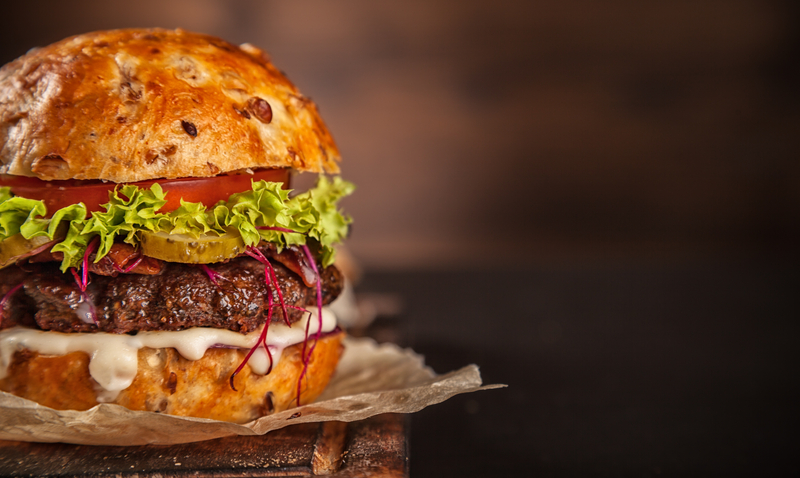

 People argue about whether burgers should sit at room temperature before grilling. Some believe it helps burgers cook evenly, while others worry about food safety risks.
You should cook burgers straight from the refrigerator rather than letting them reach room temperature before grilling.
The potential food safety risks outweigh any minimal cooking benefits.
This article examines the science behind burger temperature, explains the safety concerns you need to understand, and shows you how to prepare and grill burgers that turn out juicy and flavorful every time.
You’ll learn practical techniques that balance food safety with cooking quality, along with other factors that matter more than starting temperature for making great burgers.
Should Burgers Be Room Temperature Before Grilling?
 The debate centers on food safety versus cooking evenness, with experts divided on whether the minimal benefit justifies the bacterial risk.
Debate Overview: Room Temperature vs Cold Burgers
Proponents of room temperature burgers claim the meat cooks more evenly from center to edge. Cold meat creates a temperature gradient where the exterior overcooks while the interior stays raw.
However, food safety experts recommend grilling burgers straight from the refrigerator. The USDA advises against leaving ground beef at room temperature for more than two hours (one hour above 90°F). Bacteria multiply rapidly in the danger zone between 40°F and 140°F.
Some chefs argue that 20-30 minutes at room temperature allows proteins to relax, producing juicier patties. Others counter that this minor benefit doesn’t outweigh contamination risks, especially with ground meat where bacteria spreads throughout rather than staying on the surface.
Why Temperature Matters When Grilling Burgers
Starting temperature affects how quickly the burger’s exterior browns relative to interior cooking. Cold burgers require slightly longer grill time but reduce the window for bacterial growth.
Ground beef must reach an internal temperature of 160°F to kill harmful bacteria. You need a meat thermometer to verify this regardless of starting temperature. The temperature difference between a refrigerated burger (around 40°F) and room temperature meat (around 70°F) adds roughly 1-2 minutes to total cooking time.
Cold meat retains moisture better during the initial grilling phase. Meat left at room temperature can develop a drier surface that loses more juice when it hits the hot grill grates.
Common Beliefs and Misconceptions
Many home cooks believe room temperature meat prevents a burnt exterior with raw interior. The reality is that proper grill temperature control and patty thickness matter more than starting temperature.
Burger thickness plays a larger role in even cooking than initial temperature. A 1-inch thick patty cooks more uniformly than variations in starting temperature could address.
Some assume letting meat sit out “activates” flavors. Meat doesn’t develop additional flavor at room temperature—it simply becomes more vulnerable to spoilage. Quality meat selection and proper seasoning determine taste, not pre-grill temperature.
The belief that cold meat “shocks” on the grill lacks scientific support. Your grill’s heat output quickly overwhelms any starting temperature difference within the first minute of cooking.
Scientific Reasons Behind Burger Temperature
 The temperature of burger patties before grilling directly affects how heat transfers through the meat, which determines the final texture, moisture retention, and surface browning.
Impact on Cooking Uniformity and Juiciness
Cold burgers from the refrigerator create a significant temperature gradient between the exterior and interior when placed on a hot grill. This gradient forces the outside to cook faster while the center remains cooler, which can lead to an overcooked exterior by the time the middle reaches a safe 160°F internal temperature.
Room temperature burgers reduce this gradient because the starting temperature sits closer to the target cooking temperature. The meat fibers relax at warmer temperatures, allowing heat to penetrate more consistently throughout the patty. This narrower temperature difference means you can achieve proper doneness without excessive surface charring.
The difference becomes most apparent in thicker patties, where a cold center takes significantly longer to heat through than one starting at 70°F versus 40°F.
Role of Fat Retention and Texture
Fat melts at approximately 130-140°F, and the rate of melting influences moisture distribution within the burger. When you start with room temperature meat, the fat begins rendering earlier in the cooking process, allowing it to disperse more evenly through the protein matrix.
Cold burgers experience rapid surface heating while the interior fat remains solid longer. This creates uneven fat distribution and can result in dry exterior layers before the center fully cooks.
Meat proteins also behave differently at various temperatures. Myosin begins to contract and expel moisture at around 122°F, while collagen starts breaking down at 140°F. Starting closer to room temperature gives you better control over these protein transformations, producing a more tender bite with less moisture loss.
Maillard Reaction and Crust Formation
The Maillard reaction requires surface temperatures above 300°F to create the brown, flavorful crust on grilled burgers. When you place cold patties on the grill, surface moisture takes longer to evaporate because the meat draws heat inward to warm the cold mass.
This extended moisture evaporation period delays crust formation. Room temperature patties lose surface moisture faster, allowing the Maillard reaction to begin sooner and develop a deeper, more complex flavor profile in the same cooking time.
The surface of a cold burger may also stick to grill grates more readily because proteins bond with metal before they have a chance to form a protective crust. Room temperature meat develops this protective layer within the first 60-90 seconds of contact with high heat.
Food Safety Considerations for Burger Preparation
 Ground beef presents unique bacterial risks that require specific handling protocols, with time and temperature being the two critical control factors. Harmful bacteria multiply rapidly when burgers sit at room temperature, making proper timing essential for safe preparation.
Risks of Bacterial Growth at Room Temperature
Ground beef can harbor harmful bacteria such as Escherichia coli O157:H7, Salmonella, Campylobacter jejuni, Listeria monocytogenes, and Staphylococcus aureus. These pathogens are invisible to the naked eye and cannot be detected by smell or taste, making proper handling and thorough cooking essential for food safety.
The grinding process creates particular vulnerability because it exposes more meat surface to bacteria and distributes any surface contamination throughout the entire product. Bacteria multiply rapidly between 40°F and 140°F, a range known as the “Danger Zone.”
E. coli O157 poses an especially serious threat because it produces toxins that damage intestinal lining, potentially causing hemorrhagic colitis or hemolytic uremic syndrome. This bacterium can multiply slowly even at temperatures as low as 44°F and requires only a small infectious dose to cause severe illness or death, particularly in children and older adults.
Safe Time Limits for Letting Burgers Sit Out
Never leave ground beef at room temperature for more than 2 hours. This limit drops to 1 hour when the ambient temperature reaches 90°F or above.
These timeframes apply from the moment you remove burgers from refrigeration until they begin cooking. If a recipe requires bringing meat to room temperature, limit this period to 30-60 minutes maximum.
Children under 5, pregnant women, people aged 65 or older, and those with weakened immune systems face heightened risk from contaminated ground beef. For these groups, strict adherence to time limits becomes even more critical.
Guidelines for Minimizing Health Risks
Cook burgers to a safe minimum internal temperature of 160°F to destroy harmful bacteria. Use a food thermometer inserted sideways into patties to verify doneness, as visual cues are unreliable.
Practice these essential protocols during preparation:
- Wash hands with soap and warm water for at least 20 seconds before and after handling raw meat
- Prevent cross-contamination by keeping raw burgers separate from cooked foods and vegetables
- Clean all surfaces and utensils that contact raw meat with hot, soapy water
- Sanitize equipment using a solution of 1 tablespoon unscented liquid chlorine bleach per gallon of water
Keep burgers refrigerated at 40°F or below until you’re ready to grill them. If you must transport burgers, use a cooler with ice to maintain proper temperature.
Best Practices for Preparing Burgers for Grilling
 Proper burger preparation involves specific timing windows for temperature adjustment, maintaining strict hygiene protocols during handling, and forming patties to optimal dimensions that promote even cooking.
Timing: How Long Should Burgers Rest Before Cooking
Remove burgers from refrigeration 15-30 minutes before grilling to allow partial warming. This timeframe brings the internal temperature up slightly from 40°F while keeping the meat safely below the bacterial danger zone threshold.
Starting with completely cold patties creates uneven cooking patterns where the exterior overcooks before the center reaches 160°F. The 30-minute window allows heat to penetrate more uniformly during grilling, reducing total cook time by 1-2 minutes per side.
Never leave ground beef at room temperature for more than 2 hours total, as bacterial growth accelerates rapidly beyond this point. If your ambient temperature exceeds 90°F, reduce the maximum resting time to 1 hour for food safety.
Proper Handling and Hygiene Tips
Keep your hands cold when forming patties to prevent fat from melting prematurely. Run your hands under cold water or chill them with ice before touching the meat.
Warm hands combined with room temperature burgers cause fat to render out before the patties reach the grill, resulting in dry, crumbly texture. Work quickly and avoid overhandling the meat, which compacts the proteins and creates a dense, tough burger.
Wash all surfaces, utensils, and hands thoroughly with hot soapy water after contact with raw ground beef. Use separate cutting boards and plates for raw and cooked burgers to prevent cross-contamination. Store uncooked patties on the bottom refrigerator shelf to prevent drips onto other foods.
Ideal Burger Thickness and Shaping
Form patties to ¾-inch thickness for optimal cooking performance on the grill. This dimension allows the interior to reach safe temperature without charring the exterior.
Create a shallow dimple in the center of each patty using your thumb, pressing down about ¼-inch deep. Burgers naturally bulge in the middle during cooking due to protein contraction, and the dimple compensates for this effect to produce flat, evenly cooked patties.
Make your burgers slightly wider than your buns since they shrink approximately 25% during grilling. Season only the outside surfaces with salt just before cooking, as salting too early draws out moisture and produces a sausage-like texture.
Grilling Techniques for Optimal Results
 Getting the right heat level, tracking internal temperature, and allowing time for juices to redistribute will produce burgers with better texture and flavor than rushing through the cooking process.
Direct vs Indirect Heat and Temperature Control
Direct heat works best for standard quarter-pound patties, placing them directly over flames or coals at 375-400°F. This method creates the brown crust through the Maillard reaction while cooking the interior in 4-5 minutes per side.
Thicker patties over three-quarters of an inch need a two-zone setup. Sear each side for 2 minutes over direct heat, then move to indirect heat to finish cooking without burning the exterior. Your grill should maintain 350°F in the indirect zone.
Fat content affects heat management. Burgers with 80/20 ground beef produce more flare-ups than 90/10 blends, requiring closer attention and possible repositioning to avoid charring.
Using a Meat Thermometer for Safe Doneness
Insert an instant-read thermometer through the side of the patty into the center to get accurate readings. Ground beef must reach 160°F internally to eliminate harmful bacteria like E. coli and Salmonella.
Visual cues fail to indicate safety. A burger can look fully cooked outside while staying raw inside, or appear pink when actually safe to eat depending on factors like meat pH and myoglobin content.
Check temperature 1-2 minutes before you expect the burgers to finish. This prevents overcooking since internal temperature rises 5-10 degrees during resting.
Resting Your Burgers After Grilling
Remove burgers from heat when they hit 155°F and let them rest for 3-5 minutes on a clean plate. The carryover cooking brings them to the safe 160°F target while muscle fibers relax and reabsorb moisture.
Cutting into burgers immediately releases juices onto the plate instead of staying in the meat. This single step prevents the dry, crumbly texture that occurs when juices escape too quickly.
Tent the patties loosely with foil during resting to retain heat without steaming away the exterior crust you worked to develop.
Factors to Consider: Burger Thickness, Grill Method, and Personal Preference
 Patty dimensions and cooking approach determine whether room temperature burgers offer advantages over cold ones. Your grilling equipment and burger specifications create unique circumstances that affect the starting temperature strategy.
Adapting Techniques for Different Patty Sizes
Thick patties benefit more from starting at room temperature than thin ones. A 3/4-inch thick burger experiences more even cooking when the center isn’t cold, reducing the temperature gradient between exterior and interior.
Thin patties under 1/2 inch cook so quickly that starting temperature makes minimal difference. The heat penetrates through the entire patty in under 4 minutes, eliminating the advantage of room temperature meat.
Patty weight affects timing:
- 4-ounce burgers reach temperature faster from cold
- 6-ounce burgers show noticeable improvement when starting warmer
- 8-ounce or larger patties risk raw centers if grilled cold
Cold burgers maintain their shape better during the first minute on the grill. This matters for thinner patties that need structural integrity during handling.
Matching Temperature to Your Cooking Style
High-heat direct grilling creates a seared exterior within 90 seconds. Starting with cold burgers on a 500°F+ grill prevents overcooking the outer layer while the center cooks.
Two-zone indirect grilling suits room temperature burgers better. You can sear them quickly over direct heat, then move them to the cooler zone without worrying about a cold center.
Smash burgers require cold meat for proper technique. The cold fat doesn’t render immediately when you press the patty onto the griddle, creating better crust formation.
Your target doneness level influences the decision. Medium-rare burgers (135°F) cook faster and benefit less from room temperature starts than well-done burgers (160°F) that need extended time.
Additional Tips for Flavor and Burger Quality
 The quality of your grilled burgers depends on choosing the right meat and seasonings, preparing your toppings and buns properly, and avoiding mistakes that lead to dry or unevenly cooked patties.
Seasoning and Meat Selection
Choose ground beef with 80% lean meat for the best balance of flavor and moisture. Higher fat content keeps burgers juicy during grilling, while leaner options tend to dry out quickly.
Season the outside of your patties right before they hit the grill, not when mixing the meat. Salt applied too early draws out moisture and creates a dense texture. Use approximately 1 teaspoon of salt per pound of meat.
Form patties that are 3/4 to 1 inch thick with a slight dimple pressed into the center. This prevents the burger from puffing up into a dome shape as it cooks. Handle the meat gently and avoid overworking it, which develops proteins that make the texture tough.
Toppings and Bun Preparation
Toast your buns on the grill for 30-60 seconds to add texture and prevent them from getting soggy. Place them cut-side down on a cooler part of the grill until golden brown.
Prepare cold toppings like lettuce, tomatoes, and pickles before you start grilling so everything is ready when the burgers come off the heat. Slice tomatoes to 1/4 inch thickness to avoid watery buns.
Melt cheese during the last minute of cooking by placing slices on the patties and closing the grill lid. American cheese melts at lower temperatures than cheddar or Swiss, making it easier to work with when grilling burgers today.
Avoiding Common Grilling Mistakes
Never press down on burgers with your spatula while they cook. This squeezes out fat and juices that keep the meat moist and flavorful.
Flip burgers only once during cooking to develop a proper crust. Wait until you see moisture pooling on the top surface before flipping, which typically takes 3-4 minutes per side over medium-high heat.
Use a meat thermometer inserted into the side of the patty to check doneness rather than cutting into it. Ground beef must reach 160°F internal temperature for safe consumption.