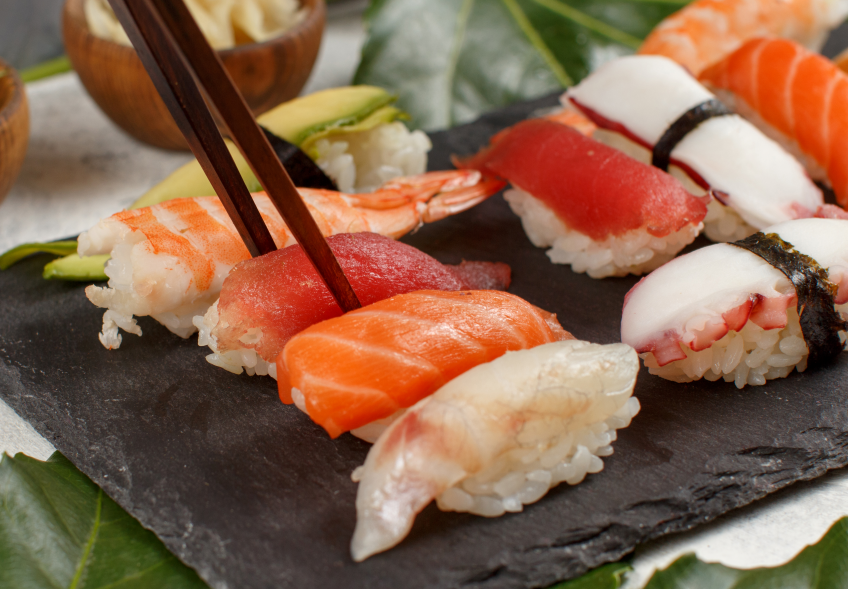

 Sushi can fit into a weight loss plan if you’re selective and mindful of portions. This Japanese dish brings lean protein, healthy fats, and nutrient-rich ingredients like fish and seaweed.
Still, not every sushi roll is equal in terms of calories or nutrition. Choosing simpler options like sashimi, nigiri, or vegetable rolls is usually smarter for weight loss.
Deep-fried rolls and calorie-heavy sauces can quickly add up. Some specialty rolls might surprise you with their high calorie counts, especially those with cream cheese, tempura, or heavy mayo-based toppings.
Knowing which ingredients align with your goals really matters. This guide takes a closer look at how sushi interacts with weight loss, explores which types fit best into your eating plan, and offers practical tips for ordering wisely at sushi restaurants.
You’ll also learn which ingredients deliver the most nutritional value and how to enjoy sushi without losing progress.
How Sushi Impacts Weight Loss
 Sushi’s effect on weight loss comes down to three things: calories in different rolls, the mix of protein, carbs, and fats, and how much you eat at once.
Calorie Content of Sushi Rolls
Calorie counts swing widely depending on ingredients and prep. For example, a cucumber roll clocks in at about 140 calories for six pieces.
Meanwhile, a tempura shrimp roll can easily reach 500 calories or more. Raw fish rolls usually stay between 200 and 300 calories per serving.
Salmon sushi is often recommended for weight loss—it’s rich in protein and omega-3 fats, but not excessive in calories. A basic salmon roll falls around 230-250 calories for six pieces.
Fried components and sauces make a big difference. Just a drizzle of spicy mayo adds 50-100 calories. Cream cheese-based rolls, like Philadelphia rolls, can pack in 300-400 calories for the same amount.
| Roll Type | Calories (6 pieces) |
|---|---|
| Cucumber Roll | 140 |
| Salmon Roll | 230-250 |
| Tuna Roll | 180-200 |
| Tempura Roll | 400-500 |
| Philadelphia Roll | 300-400 |
Role of Macronutrients in Sushi
Sushi is built from protein (fish), carbohydrates (rice), and a bit of fat. A standard roll might have 3-6 grams of protein, 30-40 grams of carbs, and 1-5 grams of fat.
Fish such as salmon, tuna, and mackerel offer complete protein with no carbs, helping you stay full and maintain muscle. The omega-3s in fish have additional health benefits.
Most carbs in sushi come from rice. White rice has little fiber, so it digests fast and doesn’t always keep you full. Brown rice adds about 1 extra gram of fiber per serving.
Seaweed wrappers supply minerals and fiber with almost zero calories. Vegetables in rolls contribute vitamins and more fiber. When portions are reasonable, the protein-carb combo can work in your favor.
Influence of Portion Size on Results
Six to eight pieces of sushi generally make a reasonable meal if you’re watching your weight. That’s usually enough to satisfy, without going overboard on calories.
But restaurant servings often include multiple rolls, quickly totaling 600-1000 calories or more. That’s a lot for one meal if you’re aiming to lose weight.
Ordering just one roll and a side salad can help with portion control. Sashimi is another option—five or six pieces offer 20-25 grams of protein for only 100-150 calories.
You can pair sashimi with a little rice or skip the rice altogether.
Here are some portion guidelines:
- Limit yourself to 6-8 pieces of sushi per meal
- Choose sashimi to cut back on rice
- Add vegetable sides instead of extra rolls
- Split larger rolls with someone else
Key Ingredients in Sushi and Their Effects
 The makeup of your sushi determines whether it helps or hinders weight loss. Fish provides lean protein and healthy fats, while vegetables and seaweed add nutrients with minimal calories.
The type of rice you select also affects how quickly your blood sugar rises.
Fish and Seafood Choices
Fish is a source of lean protein that keeps you full longer, since it takes time to digest. Salmon sushi stands out for its omega-3 fatty acids, which are good for both brain and body health.
Tuna is another solid choice, offering similar benefits with even fewer calories. Most sushi fish also contain vitamin D, which is often lacking in many diets.
Protein in fish helps preserve muscle mass as you lose weight. Shrimp and other shellfish are low in calories and high in protein, making them good options, too.
It’s worth noting that raw fish carries some risk of mercury or other contaminants. Choose sushi from reputable places that follow food safety standards.
Vegetables and Seaweed Benefits
Seaweed (nori) wraps deliver calcium, magnesium, vitamins A, C, and E, along with phosphorus, iron, and iodine. Nearly half of seaweed’s dry weight is protein, which is pretty impressive for a plant food.
Vegetables like cucumber, avocado, and carrots add fiber and nutrients with few extra calories. Avocado supplies healthy fats that help you absorb other vitamins.
The fiber from veggies slows digestion and helps control blood sugar, keeping you satisfied between meals and reducing cravings.
Sushi Rice: White Rice vs. Brown Rice
White rice in sushi provides B vitamins such as niacin and thiamin, which support metabolism and red blood cell production. But sushi rice is usually sweetened and low in fiber, so it digests fast and can spike blood sugar.
Brown rice comes with more fiber, helping you feel full longer and reducing blood sugar spikes. It might also lower your risk of diabetes and heart disease.
Many restaurants now offer brown rice as an alternative. Eating large amounts of white rice could promote inflammation and increase diabetes risk over time. You can always ask for less rice in your rolls or opt for sashimi to cut calories and carbs.
Popular Sushi Types and Their Weight Loss Profiles
 Different sushi styles can vary a lot in calories and nutrition. Some provide mostly lean protein, while others load up on rice, sauces, and fried extras that can triple the calories.
Nigiri and Sashimi
Nigiri is a small mound of rice with a slice of fish on top. Sashimi is just thin slices of raw fish, no rice at all.
Sashimi is probably the best pick for weight loss: pure protein and omega-3s, no carbs. A typical piece of salmon sashimi has about 35-40 calories and 6-7 grams of protein.
Nigiri adds roughly 40-60 calories per piece because of the rice base. Still, the fish-to-rice ratio is decent, making it a reasonable middle ground.
Both options let you control portions and avoid hidden sauces or extras. Fatty fish like salmon or tuna are especially good for their heart-healthy omega-3s, which may support metabolism and reduce inflammation.
Maki and Uramaki
Maki rolls are wrapped in seaweed with nori on the outside. Uramaki are inside-out rolls with rice on the exterior.
A basic tuna or salmon maki roll typically has 180-200 calories for six pieces. Uramaki often have more calories, since the rice is on the outside and sometimes topped with sesame seeds or fish roe.
Many uramaki-style rolls are loaded with creamy sauces, tempura, or extra ingredients. Menu words like “spicy,” “crispy,” “crunchy,” or “dynamite” usually mean added mayo, fried parts, or sweet sauces—sometimes pushing a single roll past 400-500 calories.
If you go for maki or uramaki, stick with simple versions using vegetables and lean fish, and ask for sauces on the side.
Hand Rolls and Chirashi
Hand rolls (temaki) are cone-shaped and made to order, so they stay crisp. They usually contain less rice than traditional maki rolls, making them a lighter pick.
One hand roll typically ranges from 100-150 calories, depending on the filling. Chirashi is a bowl of sushi rice topped with raw fish and vegetables, offering more variety and multiple types of fish in one meal.
A chirashi bowl is usually 400-600 calories. The large base of rice adds a lot of carbs, though. To lighten it up, ask for less rice or extra vegetables on top.
Are California Rolls Healthy for Weight Loss
California rolls are made with imitation crab (surimi), avocado, and cucumber, wrapped in rice and seaweed. One roll has about 255 calories, 9 grams of protein, and 31.5 grams of carbs.
The protein is on the lower side, since imitation crab is processed and contains fillers. Avocado adds some healthy fat, but overall, the roll is heavy on carbs.
You’d need a few California rolls to get enough protein for a full meal, which means 500-700+ calories, mostly from rice. California rolls can fit into a weight loss plan in moderation, especially if you pair them with higher-protein options like sashimi or edamame.
Watch out for spicy mayo or sweet sauces, which can tack on another 50-100 calories per roll.
Healthiest Sushi Choices for a Weight Loss Diet
 The best sushi for weight loss includes simple rolls with lean fish, veggie-based options, and dishes that skip high-calorie toppings. Choosing salmon, tuna, or veggie rolls with brown rice gives you protein and fiber without unnecessary calories.
Best Low-Calorie Rolls
Simple maki rolls are usually the lowest in calories. A cucumber roll has about 140 calories per six pieces; an avocado roll is roughly 140-180 calories.
Tuna rolls come in at around 180-200 calories and offer solid protein. Rainbow rolls with fresh fish and vegetables usually stay under 300 calories for eight pieces.
Opt for brown rice instead of white to add more fiber and nutrients. This can help you feel full longer and may keep blood sugar steadier.
Try to avoid specialty rolls with tempura, spicy mayo, or cream cheese, since these extras can push a roll above 500 calories.
Lean Protein Options
Is salmon sushi good for weight loss? In short, yes—salmon sushi is a solid choice. A typical six-piece salmon roll contains around 250-300 calories and offers 20-30 grams of protein.
Salmon also supplies omega-3 fatty acids, which may help reduce inflammation. Tuna sushi is another good option, coming in with slightly fewer calories.
You can order tuna as nigiri (fish on rice) or sashimi (just the fish). Sashimi gives you pure protein without the extra calories from rice, usually saving you 100-150 calories per serving.
Other lean fish options you might consider:
- Yellowtail: 180 calories per six pieces
- White fish (halibut, snapper): 160-180 calories per six pieces
- Mackerel: 200 calories per six pieces, with a notable omega-3 content
Shrimp and octopus are also low in fat and provide a decent protein boost. For instance, a shrimp roll comes in at about 200 calories for six pieces.
Vegetarian and Vegan Sushi
Vegetable rolls can be filling thanks to fiber, and they’re generally low in calories. A roll with cucumber, carrot, and avocado usually clocks in at 150-200 calories per six pieces.
The fiber in these rolls helps you feel full between meals, which is always helpful. At many restaurants, you can build your own rolls by picking from these vegetables:
- Cucumber (very low calorie)
- Carrots (adds sweetness and crunch)
- Avocado (healthy fats that promote fullness)
- Asparagus (high in vitamins)
- Sweet potato (complex carbs for energy)
Inari sushi—those sweet tofu pockets—contains about 130 calories per piece. While it’s higher in sugar, it does provide plant-based protein. Pairing inari with veggie rolls can make for a balanced meal.
Seaweed salad is a nice appetizer at just 30-50 calories per serving. It’s rich in minerals and adds a bit of variety to your meal.
Condiments and Sides That Support Weight Loss
Condiments can quietly add up when it comes to calories. Soy sauce is low in calories (about 10 per tablespoon) but packs a lot of sodium. Low-sodium soy sauce offers the same flavor with less salt, so it’s often worth asking for it.
Try to avoid high-calorie additions like these:
- Spicy mayo (100 calories per tablespoon)
- Eel sauce (30-40 calories per tablespoon, plus added sugar)
- Tempura flakes (50+ calories per tablespoon)
Wasabi and pickled ginger, on the other hand, add flavor without adding calories. Wasabi may even give your metabolism a slight boost, though the effect is minor.
Miso soup is a smart way to start your meal, with just 30-40 calories per cup. The warm broth can help you feel satisfied before your main dish arrives.
Edamame makes a good side, offering 120 calories per cup, with 11 grams of protein and 8 grams of fiber. Green tea contains no calories and may help support weight loss by slightly increasing metabolism. Ordering it hot or cold is a better bet than sugary drinks.
Sushi Options to Limit or Avoid
 Some sushi choices are surprisingly high in calories and unhealthy fats. These are usually the rolls with deep-fried ingredients, heavy sauces, or big piles of rice—none of which help with weight loss.
Deep-Fried and Tempura Rolls
Tempura rolls are coated in batter and deep-fried, which sends the calorie and fat content soaring. A single piece of tempura shrimp sushi can have about 120 calories, most of it from fat.
Popular rolls like spider rolls and crunchy rolls, or anything with “crispy” or “tempura” in the name, fit this description. The deep-frying process adds oils and strips away many of the benefits you’d get from raw or steamed fish.
If you’re aiming to lose weight, these fried options can use up a big chunk of your daily calories without giving you much in return nutritionally. The crispy texture might be tempting, but honestly, it’s not the best trade-off.
Creamy Sauces and High-Fat Toppings
Many specialty rolls come topped with sauces like spicy mayo, eel sauce, or creamy ponzu. These can add 100-200 calories to a roll, sometimes more.
Philadelphia rolls, which include cream cheese, bring extra saturated fat and calories. Even a light drizzle of these sauces can add up when you’re eating several pieces.
The sweet eel sauce found on many cooked rolls contains added sugars, bumping up the calorie count. If you want sauce, stick with low-calorie options like soy sauce, wasabi, or pickled ginger. Asking for sauce on the side is a good way to control how much you actually use.
Oversized Specialty Rolls
Restaurant specialty rolls often have 8-10 pieces and can pack 500-600 calories per order. These rolls usually combine several high-calorie ingredients—think tempura, cream cheese, and sweet sauces—all in one.
Rainbow rolls, caterpillar rolls, and dragon rolls often sound healthy, but they’re loaded with extra rice and multiple proteins. The large size makes it tough to practice portion control, and you might end up eating more than you planned.
A standard specialty roll can easily match the calories of a full meal, crowding out other nutrients you might need that day. Choosing simpler rolls with fewer ingredients—or splitting a specialty roll—can help you stay on track.
Practical Tips for Eating Sushi When Losing Weight
 With a little planning, you can enjoy sushi and still stay within your calorie goals. Ordering strategically, asking for tweaks, or even making sushi at home gives you more control over what you eat.
Portion Control and Mindful Ordering
Starting with a salad or miso soup before your sushi arrives can help you feel fuller and less likely to overeat when your main dish comes.
Order six to eight pieces of sushi for a meal instead of several rolls. That’s usually enough to satisfy, without piling on excess calories from extra rice.
Sashimi—just sliced fish without rice—can also help you cut down on carbs if that’s a concern. Choose rolls with one or two types of fish instead of complex specialty rolls with lots of ingredients and sauces.
Simple rolls like salmon cucumber or tuna avocado typically contain fewer calories. Pay attention to how quickly you eat: putting your chopsticks down between bites and chewing slowly lets your body signal when it’s full.
When it comes to soy sauce, pour a small amount into a dish rather than dipping straight from the bottle. Too much sodium can cause water retention and bloating, which nobody enjoys.
Requesting Healthier Modifications
Ask your server for brown rice instead of white rice in your roll. Brown rice has more fiber, which can help you feel full longer.
Request extra vegetables like cucumber, carrots, or avocado in your roll. More veggies mean more volume and fewer calories overall.
Tell your server to skip the spicy mayo or eel sauce. These add significant calories from sugar and fat. If you still want some flavor, ask for sauce on the side so you can control how much you use.
Order steamed edamame as a side instead of fried appetizers. Edamame offers protein and fiber without the added calories.
If you’re interested in a lower-carb option, ask if the restaurant can make your roll without rice or with less rice. Some places will wrap your fish and veggies in cucumber instead, resulting in a low-carb option.
Making Sushi at Home for Better Control
Buy sushi-grade fish from a trusted seafood market or grocery store. That way, you can actually decide what goes into each roll—and yes, it often ends up being more affordable.
Use a sushi mat to roll up your own combinations. Try filling them with lean proteins like tuna, salmon, or cooked shrimp and, honestly, it’s hard to go wrong with plenty of vegetables.
Be mindful of your rice portions. One cup of cooked rice, if you spread it thin, really does stretch across several rolls.
If you’re watching carbs, experimenting with cauliflower rice isn’t a bad idea. The texture’s not identical, but it’s surprisingly close and cuts down calories quite a bit.
Consider preparing wasabi and pickled ginger at home. Store-bought versions sometimes sneak in unnecessary sweeteners, which can add up.