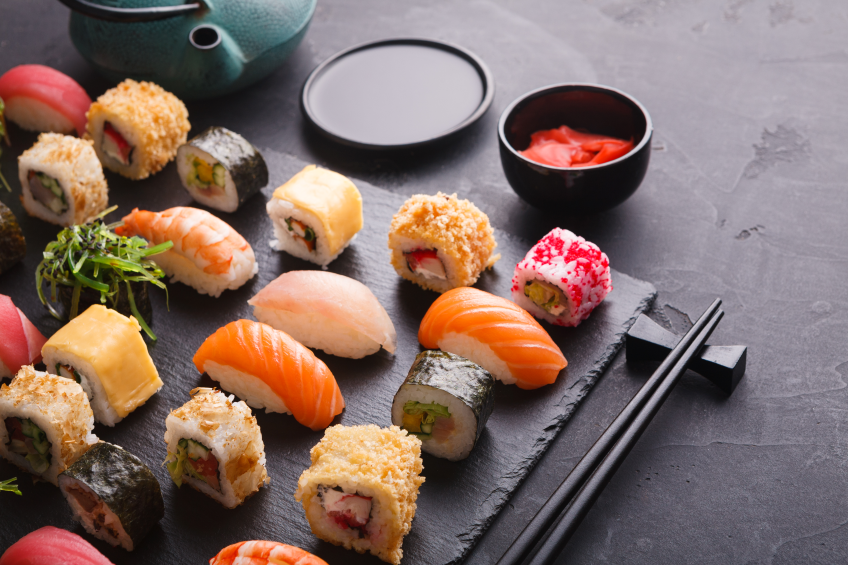

 When you think about sushi, maybe it’s fresh fish over rice or those colorful rolls wrapped in seaweed that come to mind. But what really defines this Japanese dish?
The answer is simple: sushi is fundamentally about the rice, not the fish.
The word “sushi” actually refers to the vinegared rice that forms the base of every sushi dish, not the seafood that often accompanies it.
This might surprise you if you’ve always thought of sushi as a raw fish dish. Many people confuse sushi with sashimi, which is just sliced raw fish served without rice.
The truth is, sushi can include cooked ingredients, vegetables, or even no fish at all. The key element that makes something sushi is the seasoned rice prepared with vinegar, sugar, and salt.
The Core of Sushi: Rice or Fish?
 The defining element of sushi is vinegared rice, not raw fish. The word “sushi” refers to the seasoned rice itself, while fish serves as a topping or filling that complements the rice base.
Defining Sushi: The Role of Vinegared Rice
Sushi gets its name from the vinegared rice that forms its foundation. When you eat sushi, you’re consuming what the Japanese call shari or sumeshi, which is rice seasoned with rice vinegar, sugar, and salt.
The term “sushi” actually means “sour-tasting,” referring to the rice’s vinegar flavor. Sushi-meshi is the essential component that defines the dish.
Without this vinegared rice, you don’t have sushi. You have something else entirely, like sashimi if you’re just eating sliced raw fish.
The rice must meet specific standards. It needs to be the right temperature, texture, and seasoning balance.
Master sushi chefs spend years learning to prepare rice correctly because it’s that important to the final dish.
Fish as a Topping or Filling: Its True Place
Fish plays a supporting role in sushi, not the starring one. While raw fish is common, it’s called neta, which means “topping” or “filling.”
You can find sushi made with cooked seafood, vegetables, egg, or tofu. Many people think sushi means raw fish, but that’s a misconception.
The fish or other ingredients sit on top of or get wrapped with the vinegared rice. They add flavor, texture, and protein to the rice base.
Common sushi ingredients include:
- Raw fish like tuna, salmon, or yellowtail
- Cooked items like shrimp or eel
- Vegetables like cucumber or avocado
- Egg preparations
The quality of your fish matters, but it’s the rice that determines whether you’re eating authentic sushi.
The History and Evolution of Sushi
 Sushi began as a method to preserve fish in fermented rice thousands of years ago in Southeast Asia. The practice traveled to Japan and changed dramatically over centuries, moving from a preservation technique to the quick-service dish you recognize today.
From Narezushi to Modern Sushi
The origins of sushi trace back to narezushi, a fermented fish dish that came to Japan from Southeast Asia, likely from the Mekong River basin. This early form involved storing fish in fermented rice for months at a time.
The rice created lactic acid that prevented the fish from spoiling, but you would discard the rice and eat only the fish. During the Muromachi period (1336-1573), Japanese cooks developed namanare, or partially fermented sushi.
This version had a shorter fermentation time, and people began eating both the rice and fish together. This was a major shift in how sushi was consumed.
The Edo period (1603-1867) brought haya-zushi or “fast sushi.” Instead of waiting for fermentation, cooks mixed rice vinegar directly with the rice.
This eliminated the fermentation process entirely and turned sushi into fast food. The vinegar gave the rice its sour taste immediately, so you could eat it right away with fresh fish.
Hanaya Yohei and the Birth of Nigiri
Hanaya Yohei invented or perfected nigirizushi around 1824 at his shop in Ryōgoku, in what is now Tokyo. This is the hand-pressed sushi style you see most often today.
He placed fresh fish on top of vinegared rice mounds and served it immediately. The early nigiri was quite different from what you eat now.
The rice portions were three times larger, and chefs used half the amount of vinegar. They made the vinegar by fermenting sake lees, creating a product called aka-su or red vinegar.
The fish came fresh from Edo Bay, which is why people called it Edomae sushi. This term still means quality sushi today, even when the ingredients come from other places.
Essential Sushi Ingredients
 The foundation of sushi rests on two essential elements that work in harmony to create its signature taste and texture.
Rice vinegar turns plain cooked grains into the glossy, lightly tangy base that defines sushi, while carefully chosen fish and seafood contribute the protein and distinctive flavors that make each piece unique.
RICE VINEGAR AND SEASONED RICE
At the heart of sushi rice is rice vinegar, which converts simple steamed rice into the seasoned base used in sushi. This mild, slightly sweet vinegar is blended with sugar and salt to form the seasoning mixture responsible for sushi rice’s balanced, characteristic flavor.
Short-grain rice is the only type that works for sushi. This Japanese rice variety has a high starch content that makes it sticky enough to hold together.
When you prepare sushi rice, you cook the short-grain rice and then fold in the vinegar mixture while the rice is still warm. The seasoning ratio matters.
Most sushi chefs use about 1/4 cup of rice vinegar for every 2 cups of uncooked rice. Some recipes also include a small amount of sake to add depth to the flavor.
The vinegar’s acidity balances the richness of the fish and helps preserve the rice. Your seasoned rice should taste slightly sweet and tangy, with individual grains that stick together without becoming mushy.
The temperature also matters – sushi rice works best at body temperature.
Types of Fish and Seafood Used
Maguro (tuna) stands as one of the most popular sushi fish. You’ll see it in various forms, from lean akami to fatty toro, which comes from the belly and melts in your mouth.
Salmon offers a rich, buttery flavor that makes it a favorite for beginners and experts alike. Yellowtail, called hamachi in Japanese, has a clean taste with a slight sweetness.
Ebi (cooked shrimp) provides a firm texture and mild flavor. Uni (sea urchin) delivers a creamy, briny experience that divides people into lovers and skeptics.
Unagi (freshwater eel) comes grilled and brushed with a sweet soy-based sauce. Fish roe adds bursts of flavor – ikura (salmon roe) pops between your teeth with a salty-sweet taste.
Surimi (processed fish paste) appears in California rolls and other Western-style sushi. You might also encounter takuan (pickled daikon radish) and gari (pickled ginger) as accompaniments.
Wasabi adds heat, while nori (seaweed sheets) wraps everything together in rolls.
Varieties and Forms of Sushi
 Sushi comes in many different forms, each with its own preparation method and presentation style. The main categories include hand-pressed pieces, rolled varieties, and bowl-style dishes that showcase different combinations of rice and toppings.
Nigiri and Sashimi: Similarities and Differences
Nigiri is hand-pressed sushi where an oblong mound of vinegared rice is topped with a slice of fish, seafood, or egg. The chef shapes the rice by hand and places the topping on top, sometimes adding a small dab of wasabi between the two layers.
Common nigiri options include tuna, salmon, shrimp, and eel. Sashimi is not technically sushi because it contains no rice.
It consists of thinly sliced raw fish or seafood served on its own. You eat sashimi to appreciate the pure flavor and texture of high-quality seafood without any other ingredients interfering.
The key difference is simple: nigiri always includes vinegared rice as its base, while sashimi is just the fish. Another related style is gunkan, or “battleship” sushi, where the rice is wrapped with a strip of nori to create walls that hold loose toppings like fish roe.
Makizushi and its Subtypes
Makizushi means rolled sushi. A bamboo mat helps shape the roll, which typically includes rice, nori seaweed, and various fillings.
After rolling, the cylinder is sliced into six to eight pieces. Hosomaki are thin rolls with one filling, usually wrapped with nori on the outside.
Examples include tuna rolls and cucumber rolls. Futomaki are thick rolls containing multiple ingredients like vegetables, egg, and seafood.
Uramaki, or inside-out rolls, flip the structure so rice coats the outside and nori stays inside. The California roll is the most famous uramaki, featuring imitation crab, avocado, and cucumber.
The spicy tuna roll is another popular uramaki option. Temaki are hand rolls shaped like large cones.
You hold them and eat them immediately while the nori stays crisp. They contain the same ingredients as other maki but aren’t sliced into pieces.
Other Sushi Styles: Inari, Oshizushi, and Chirashi
Inarizushi features sushi rice stuffed into pouches of fried tofu simmered in sweet broth. The tofu is soft, slightly sweet, and vegetarian.
You’ll often see inari in bento boxes or as a quick snack. It’s a simple, comforting option amid more elaborate sushi varieties.
Oshizushi is pressed sushi from Osaka. The chef layers rice and toppings in a wooden mold called an oshibako, then presses everything into a compact rectangular block.
Once the block is removed from the mold, it’s sliced into bite-sized pieces. Battera, made with mackerel, is a well-known example of oshizushi.
Chirashizushi, or chirashi, translates to “scattered sushi.” It’s a bowl of sushi rice topped with assorted sashimi, vegetables, and garnishes arranged on top.
This style lets you enjoy several types of fish in one dish, without the structure of rolls or pressed forms. It’s colorful and often feels less formal than other sushi presentations.
The Art and Craft of Sushi Making
 Making sushi requires precision, patience, and years of training to master both rice preparation and fish handling. The process involves technical skills that sushi chefs spend decades perfecting in professional kitchens.
The Importance of Rice Preparation
Rice forms the foundation of every piece of sushi. The preparation starts with washing short or medium-grain white rice several times until the water runs clear.
This step removes excess starch that would make the rice too sticky. You need to cook the rice to a specific texture, which isn’t as easy as it sounds.
Many sushi chefs use a rice cooker set to precise temperatures. Some still rely on traditional stovetop methods, monitoring the process closely.
After cooking, the rice is seasoned with a mixture of rice vinegar, sugar, and salt while still warm. The seasoning must coat each grain evenly, which takes some finesse.
Sushi chefs fan the rice while folding in the vinegar mixture to cool it quickly and create a slight sheen. The rice should stick together enough to form shapes but not become mushy.
Temperature is important. Properly prepared sushi rice is slightly warm or at room temperature when served, not cold from refrigeration.
The Sushi Chef’s Expertise
Becoming a sushi chef, or itamae, requires extensive training that often lasts several years. Most start as apprentices, spending months just learning to prepare rice before moving on to fish handling.
Your sushi chef learns to select the freshest fish, understanding seasonal availability and quality indicators. They master knife skills to cut fish at precise angles that affect texture and appearance.
Each slice requires consistent thickness and clean cuts. At a sushi bar, you can watch these techniques in action.
The chef shapes rice with exact pressure—too much crushes the grains, too little makes pieces fall apart. They work quickly but deliberately, keeping ingredients at proper temperatures.
Omakase dining showcases a chef’s full expertise. You trust them to select ingredients and create sushi recipes based on what’s freshest that day.
Sushi Beyond Fish: Vegetarian and Modern Adaptations
 Sushi has expanded far beyond its traditional seafood roots. Vegetarian options have existed in Japanese cuisine for centuries, while Western innovations have introduced entirely new forms of sushi.
Vegetarian Sushi Options
Traditional Japanese vegetarian sushi includes inarizushi, fried tofu pouches filled with vinegared rice. The pouches are sweet and savory, offering a satisfying texture contrast.
You’ll find inarizushi in rectangular shapes in eastern Japan and triangular forms in western regions. Shiitake mushrooms appear frequently in vegetarian rolls, either marinated or grilled.
They provide an earthy, umami-rich flavor that complements the rice. Other common ingredients include cucumber, pickled radish, and avocado.
Tamagoyaki (or tamago) is a sweet Japanese omelet served as nigiri or in rolls. While it contains eggs, many vegetarian diners include it in their diet.
The slightly sweet flavor pairs well with soy sauce and pickled ginger. Vegetable rolls often feature combinations of carrot, asparagus, and bell peppers.
Some restaurants offer tempura vegetable rolls with crispy battered vegetables inside. The variety is surprisingly broad for those avoiding seafood.
Western Innovations and Fusion Rolls
Western sushi restaurants have created new styles that differ significantly from traditional Japanese forms. The California roll, which typically contains imitation crab, avocado, and cucumber, became one of the first inside-out rolls popular in America.
Spicy mayo has become a standard condiment in Western sushi establishments. It adds creamy heat to rolls and is often drizzled on top or mixed with ingredients.
The sushi burrito emerged in the 2010s as a fusion concept. These oversized hand rolls contain multiple ingredients and are eaten like a burrito.
They typically measure 4-6 inches in diameter and include rice, proteins, vegetables, and sauces. Cream cheese appears in many Western rolls, despite having no connection to Japanese cuisine.
The Philadelphia roll combines cream cheese with salmon or smoked fish. These adaptations have become mainstream in many countries, for better or worse.
Sushi Dining Experience and Etiquette
 Understanding proper sushi etiquette helps you respect Japanese traditions while getting the most flavor from each bite. The way you handle sushi pieces, use condiments, and interact with garnishes all affect your dining experience.
How to Eat Sushi Properly
You should eat nigiri sushi with your hands, not chopsticks. This traditional method prevents the delicate rice from falling apart.
Pick up the piece with your thumb and middle finger, then turn it fish-side down. Dip only the fish side into soy sauce.
Rice soaks up too much sauce and becomes overly salty, which ruins the careful balance the chef created. Eat each piece in one bite when possible.
This preserves the intended flavor combination. Place the sushi fish-side down on your tongue to taste the fish first.
You can use chopsticks for sashimi and maki rolls. Hand rolls (temaki) should always be eaten with your hands, starting from the pointed end.
Eat these quickly before the seaweed loses its crisp texture. Never rub your chopsticks together at sushi restaurants.
This suggests the restaurant provides low-quality utensils. Rest chopsticks on the holder or across your plate between bites.
Traditional Condiments and Garnishes
Pickled ginger (gari) acts as a palate cleanser between different types of fish. It’s meant to be eaten between pieces, not together with your sushi.
This little ritual lets you notice the subtle differences in each fish variety. It’s a simple touch, yet it matters for the overall experience.
Don’t mix wasabi into your soy sauce. The chef typically adds the right amount of wasabi to nigiri pieces already.
Mixing the two actually dulls both flavors and isn’t really in line with traditional sushi etiquette. If you want extra wasabi, just place a tiny amount directly on the fish.
Most traditional sushi restaurants prepare nigiri with wasabi tucked between the rice and fish, so you might not need to add more at all.
Pour a small amount of soy sauce into your dish. You can always add more if it turns out you need it.
It’s best to use just enough for a light dip. Anything more can overpower the fish, which seems like a bit of a waste, really.
Green tea usually comes with your meal. It helps cleanse your palate and pairs well with the fish.
The tea doesn’t overpower those delicate flavors, which is probably why it’s the go-to beverage in most places.