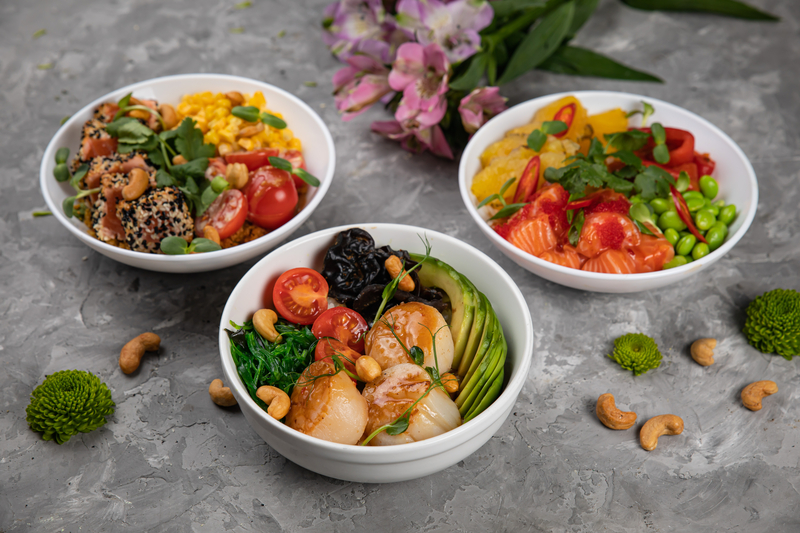


Poke bowls have become a popular meal choice worldwide, but their health value depends on the ingredients you choose. These colorful bowls combine raw fish, rice, vegetables, and sauces in many combinations.
Poke bowls can be healthy when you use nutrient-rich ingredients like fresh fish and vegetables, but they may be high in sodium and calories depending on your selections.
The fish in poke bowls supplies protein and omega-3 fatty acids that support brain and heart function. Vegetables add vitamins, minerals, and fiber. However, ingredients like white rice, heavy sauces, and sesame oil can raise calories and sodium quickly.
Knowing what makes a poke bowl healthy helps you make better choices when ordering or building your own. This article explains the nutritional profile of poke bowls, looks at their benefits and risks, and shows how to customize them for your health goals.
What Is a Japanese Poke Bowl?
 A Japanese poke bowl blends Hawaiian raw fish traditions with Japanese culinary techniques and ingredients. The dish features cubed raw fish served over rice with vegetables and seasonings from both cultures.
Origins and Evolution
Poke bowls started in Hawaii, not Japan. Hawaiian fishermen made traditional poke by slicing fresh-caught fish and seasoning it with salt, seaweed, and crushed kukui nuts. The word “poke” means “to slice” or “cut into pieces” in Hawaiian.
Japanese immigrants brought sushi-making techniques and ingredients to Hawaii in the early 1900s. This exchange led to the bowl format seen today. Japanese contributions included sushi-grade fish handling, soy-based marinades, and precise cutting methods.
In the 1970s, Hawaiian restaurants began serving poke over rice with extra toppings. This made poke a more filling and accessible meal.
Traditional vs. Modern Ingredients
Traditional Hawaiian poke uses ahi tuna, sea salt, inamona (roasted kukui nut), limu (seaweed), and sometimes chili peppers. The preparation stays simple to highlight the fish’s flavor.
Modern poke bowls offer more variety. You can choose salmon, yellowtail, or octopus as fish options. The base might be white rice, brown rice, or salad greens. Toppings often include cucumber, edamame, avocado, seaweed salad, pickled ginger, and masago (fish roe).
Sauces now include shoyu sauce (Japanese soy sauce), spicy mayo, ponzu, and sesame oil-based dressings. These additions make poke bowls customizable but can raise sodium and calorie content compared to traditional versions.
Japanese and Hawaiian Influences
Japanese influences appear in fish preparation and seasoning. The idea of sushi-grade fish comes from Japanese standards for handling raw seafood safely. This process ensures the fish has been frozen to specific temperatures to kill parasites.
Shoyu sauce often replaces or supplements Hawaiian salt. Japanese ingredients like wasabi, pickled ginger, and nori (seaweed sheets) are now standard toppings. The precise knife skills for cutting fish into cubes also come from Japanese culinary training.
Hawaiian elements remain in the casual serving style and focus on fresh, local ingredients. The generous portions and build-your-own format reflect Hawaiian plate lunch culture. This fusion creates a unique dish different from both sushi bowls and traditional Hawaiian poke.
Core Ingredients and Nutritional Profile
 A typical poke bowl contains lean proteins, a base of grains or greens, fresh vegetables, and flavorful sauces. The nutritional value depends on your choices, especially protein quality, carbohydrate type, and sauce selection.
Protein Options: Fish, Tofu, and Chicken
Raw fish is the traditional protein in poke bowls. Ahi tuna and salmon are common choices, providing 20-25 grams of protein per 4-ounce serving.
Tuna has about 120 calories and less than 1 gram of fat per serving. Salmon offers similar protein but includes 8-10 grams of healthy fats rich in omega-3 fatty acids, which support heart and brain health.
Tofu is a plant-based alternative, delivering about 10 grams of protein per serving with all nine essential amino acids. Tempeh provides more protein than tofu (15-16 grams per serving) and adds fiber.
Chicken appears in modern poke variations as a cooked lean protein. A 4-ounce portion contains about 26 grams of protein and 140 calories with little fat.
Base Choices: Rice, Greens, and Alternatives
Sushi rice or white rice is the traditional base, providing about 200 calories and 45 grams of carbohydrates per cup. This option digests quickly but lacks fiber.
Brown rice offers more nutrients with 3-4 grams of fiber per cup and extra B vitamins and minerals. The calorie count is similar to white rice at 215 calories per cup.
Quinoa provides complete protein (8 grams per cup) along with 5 grams of fiber and minerals like iron and magnesium. One cup contains about 220 calories.
Cauliflower rice reduces calories to just 25 per cup while adding 2 grams of fiber. This choice works well for low-carb eating plans. Leafy greens like spinach or mixed salad reduce calories even further to 10-20 per cup.
Fresh Toppings: Vegetables, Seaweed, and More
Seaweed and seaweed salad add minerals like iodine, which supports thyroid function. Seaweed salad typically contains 30-70 calories per serving depending on dressing.
Edamame adds plant protein (9 grams per half cup) and fiber with only 95 calories. Avocado provides healthy fats with 120 calories per quarter fruit.
Cucumber and carrots add crunch with minimal calories (8-25 per half cup). Radish brings a spicy bite with just 10 calories per half cup.
Mango adds natural sweetness and vitamin C but 50 calories per half cup. Pickled vegetables, kimchi, and pickled ginger provide probiotics for gut health with few calories.
Green onion adds flavor without calories. Sesame seeds supply calcium and healthy fats but add 50-60 calories per tablespoon. Nuts increase protein and healthy fats but also calorie density.
Popular Sauces and Seasonings
Soy sauce and shoyu sauce add salty umami flavor with about 10 calories per tablespoon but contain 900-1,000 mg of sodium. Tamari is a gluten-free option with similar sodium levels.
Low-sodium soy sauce cuts sodium by 25-40% while keeping flavor. Each tablespoon still has 500-600 mg of sodium.
Spicy mayo combines mayonnaise with sriracha, adding 80-100 calories and 9-11 grams of fat per tablespoon. This sauce quickly raises your bowl’s calorie count.
Wasabi gives heat with zero calories and may offer anti-inflammatory benefits. Other popular additions include ponzu (citrus-based, 10 calories per tablespoon) and sesame oil (120 calories per tablespoon). Use fresh ingredients and ask for sauce on the side to control sodium and calories.
Health Benefits of Japanese Poke Bowls

Poke bowls offer nutritional benefits through their combination of raw fish rich in omega-3 fatty acids, nutrient-dense vegetables, and whole food ingredients. These components support your health, including cardiovascular function and weight control.
Rich Source of Lean Protein and Healthy Fats
The raw fish in poke bowls provides high-quality protein for muscle maintenance and cellular repair. Tuna and salmon contain all essential amino acids in optimal ratios for human nutrition.
These fish also deliver omega-3 fatty acids, especially EPA and DHA. These healthy fats reduce inflammation and support heart health by lowering triglyceride levels and blood pressure. Your brain needs omega-3s for cognitive function and memory.
A typical poke bowl with 4-6 ounces of fish supplies 20-30 grams of protein. The fish also contains selenium, a mineral that protects your cells from damage and supports thyroid function. You also get iodine, which regulates metabolism and hormone production.
Abundance of Micronutrients and Antioxidants
The vegetables in poke bowls supply vitamins, minerals, and plant compounds that protect your health. Avocado adds vitamins E and K, while edamame provides folate and magnesium.
Seaweed in poke bowls contains iodine and trace minerals. Carrots and red cabbage offer beta-carotene and anthocyanins, antioxidants that neutralize free radicals. These nutrients lower your risk of chronic diseases and slow cellular aging.
Garlic and ginger, often used in poke marinades, have anti-inflammatory properties. Using different colored vegetables ensures you get a wide range of micronutrients in one meal.
Supports Weight Management and Satiety
Poke bowls help you manage your weight through their balanced macronutrients. The protein from fish slows digestion and keeps you full for several hours.
When you build a healthy poke bowl with a moderate base and plenty of vegetables, you create a meal with high nutrient density but moderate calories. Fiber from vegetables and protein from fish both trigger satiety hormones that signal fullness.
Poke bowls make portion control easier than other restaurant meals. The visual presentation lets you see what you’re eating, making it simpler to balance protein, vegetables, and carbohydrates.
Potential Health Risks and Concerns
 Poke bowls contain nutritious ingredients, but they also carry risks related to raw fish, heavy metal exposure, high sodium, and calorie intake. You should consider these factors when making food choices.
Raw Fish Safety and Foodborne Illness
Eating raw fish can expose you to pathogens like Salmonella and parasites that cause illness. Unlike cooked fish, raw fish does not undergo heat treatment to kill bacteria and organisms.
Sushi-grade fish is flash-frozen to eliminate parasites, but this does not protect against all bacterial contamination. Restaurants must handle and store fish properly. If you are pregnant, breastfeeding, or immunocompromised, avoid raw fish because you have a higher risk of foodborne illness.
The risk rises if fish sits at improper temperatures or if cross-contamination occurs during preparation. You need to trust that your poke bowl restaurant follows strict food safety protocols and sources fish from reputable suppliers.
Mercury Content and Fish Choices
Certain fish build up mercury, a toxic heavy metal that harms your nervous system if you eat too much. Tuna, especially bluefin and ahi tuna (bigeye), contains higher mercury levels than other fish options.
Salmon, cod, tilapia, catfish, and trout have lower mercury levels and are safer for regular consumption. If you eat poke bowls often, choose these lower-mercury fish to reduce your risk. Children and pregnant people face greater risks from mercury and should limit or avoid high-mercury fish.
High Sodium Levels in Sauces
Soy sauce and spicy mayo contain a lot of sodium that adds up in a single bowl. One tablespoon of soy sauce has about 900-1,000 mg of sodium, nearly half the recommended daily limit of 2,300 mg.
Too much sodium raises blood pressure and increases your risk of heart disease and stroke. Many poke bowl restaurants use extra salty seasonings and marinades that add even more sodium. You can ask for light sauce, choose low-sodium soy sauce, or request sauce on the side to control your intake.
Caloric Density and Portion Control
Poke bowls can contain 600-1,200 calories depending on ingredients and portions. Adding tempura flakes, creamy sauces, and sesame oil increases the calorie count.
Portion control can be difficult when restaurants serve large bowls with several protein servings and high-calorie toppings. A standard poke bowl base of white rice alone has 300-400 calories before adding other ingredients. Creamy sauces add 100-200 calories per serving, and fried toppings like tempura flakes add calories without much nutritional value.
Watch serving sizes and avoid piling on multiple high-calorie additions if you want to manage your calorie intake.
Customizing and Building a Healthier Poke Bowl
 You can make your poke bowl healthier by choosing smarter base options, lighter proteins, and smaller portions. Simple swaps like cauliflower rice instead of white rice or tamari instead of soy sauce can improve your meal’s nutrition.
Ingredient Swaps and Dietary Adaptations
Replace white rice with nutrient-dense alternatives to lower calories and boost fiber. Cauliflower rice has about 150-180 fewer calories than a cup of white rice and adds vitamins C and K. Quinoa provides complete protein and more fiber than white rice, which helps with sustained energy.
Mixed greens or kale offer the lowest calorie base and increase your vegetable intake. You can use half portions of rice combined with greens for better balance between satisfaction and nutrition.
For protein, choose salmon over tuna if you eat poke bowls often to lower mercury exposure. Cooked shrimp supplies lean protein and has less mercury than raw fish options.
Base Comparison:
| Base Option | Calories (per cup) | Fiber | Benefits |
|---|---|---|---|
| White rice | 200-240 | 0.6g | Energy, traditional |
| Brown rice | 215-230 | 3.5g | Whole grain, sustained energy |
| Quinoa | 220 | 5g | Complete protein, iron |
| Cauliflower rice | 25-30 | 2g | Very low calorie, vitamin C |
| Mixed greens | 10-15 | 1-2g | Lowest calorie, high nutrients |
Gluten-Free, Vegetarian, and Vegan Options
You can make your poke bowl gluten-free by using tamari or coconut aminos instead of soy sauce. Tamari has no wheat and offers a similar flavor with less sodium. Check that all sauces and marinades are certified gluten-free, as some contain hidden wheat.
For vegetarian and vegan poke bowls, use tofu or tempeh as your protein. Tofu absorbs marinades well and provides 8-10 grams of protein per 3-ounce serving. Tempeh has a firmer texture and contains 15-16 grams of protein per serving, plus beneficial probiotics from fermentation.
Add edamame for extra plant-based protein and fiber. A half-cup gives you 9 grams of protein and 4 grams of fiber. Nuts and seeds like sesame seeds, sliced almonds, or hemp hearts provide healthy fats and more protein, making your vegan poke bowl more filling.
Tips for Maximizing Nutrition
Practice portion control with rice, protein, and sauces to keep your poke bowl within a healthy calorie range. Limit rice to ½ to 1 cup cooked, protein to 3-4 ounces, and ask for sauces on the side so you decide how much to add.
Fill your bowl with fresh vegetables to add volume without many calories. Include at least three different vegetables such as cucumbers, seaweed salad, shredded carrots, radishes, or avocado. Fresh ingredients give you more nutrients than processed toppings.
Pick lighter sauces like ponzu, yuzu, or a simple mix of tamari and rice vinegar instead of mayo-based options. Skip fried toppings like tempura crunch or fried garlic that add empty calories. Boost flavor with fresh ginger, scallions, cilantro, and toasted sesame seeds.
Comparing Poke Bowls to Other Meals
 Poke bowls usually have 400 to 600 calories and offer more vegetables than traditional sushi, while many fast casual meals have over 800 calories with fewer healthy ingredients.
Poke Bowl vs. Sushi: Health Assessment
Poke bowls and sushi both use raw fish and rice, but their nutrition differs. A standard poke bowl gives you more vegetables, mixed greens, and customizable toppings than sushi rolls. This means you get more fiber, vitamins, and minerals in one meal.
Sushi rolls range from 200 calories for simple options to over 1,000 calories for fried or specialty rolls with heavy sauces. Poke bowls tend to stay at 400 to 600 calories with standard portions.
The base ingredients also make a difference. Sushi uses vinegared rice as its base, while poke bowls let you choose from brown rice, quinoa, greens, or cauliflower rice. You can adjust your poke bowl more easily to fit your diet.
Sushi focuses on minimal ingredients and careful preparation. Poke bowls emphasize customization and lots of fresh toppings.
Fast Casual Meals vs. Poke Bowls
Most fast casual meals have more sodium, saturated fat, and calories than poke bowls. Burgers, sandwiches, and fried chicken meals often contain 800 to 1,200 calories before adding sides or drinks.
Poke bowls offer lean protein from raw fish, which gives you omega-3 fatty acids for heart and brain health. Fast casual proteins usually come breaded, fried, or with high-calorie sauces. Poke bowls include raw vegetables that keep more nutrients than the cooked or processed vegetables in typical fast food.
The sodium content also differs. Poke bowls can have high sodium from soy sauce (usually 600 to 900 mg per serving), but you can control how much you add. Fast casual meals often have 1,500 to 2,500 mg of sodium, mostly hidden in sauces, seasonings, and processed ingredients.