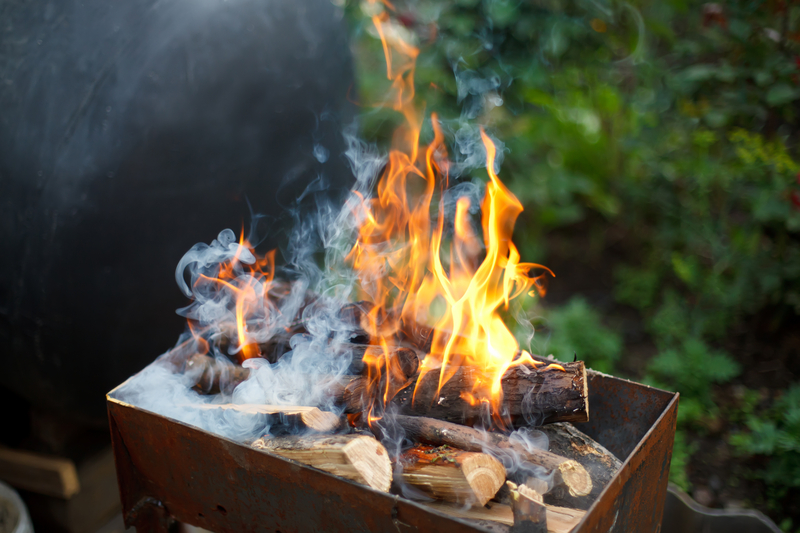


Grilling with wood is a time-tested cooking method that many people consider trying. The idea of cooking over wood is appealing for the rich flavors it can bring, but there are understandable questions about safety and practicality.
Grilling with wood is safe when you use the right types of wood and follow proper techniques.
The key is knowing which woods work well for cooking and which ones can harm your food or your health.
Not all wood is suitable for grilling, and some types can release harmful chemicals or create unpleasant flavors. Understanding how to select and prepare wood for grilling can make or break your cookout.
The process involves more than just tossing logs on the grill. You need to consider wood types, preparation, and safety steps for the best results.
Is It OK to Grill with Wood?

Grilling with wood is safe when you use the right types and follow proper techniques. Selecting appropriate hardwoods and managing heat are essential to avoid harmful chemicals.
Understanding Safety and Suitability
Stick to untreated hardwoods for wood grilling. Woods like oak, hickory, mesquite, maple, or pecan are solid choices—they burn slowly and add good flavor.
Avoid these types of wood:
- Softwoods (pine, fir, spruce, cedar)
- Chemically treated lumber
- Moldy or mildewed wood
- Freshly cut “green” wood
- Unknown wood sources
- Toxic woods (black walnut, oleander, sassafras)
Softwoods contain resin, which can ruin the taste of your food and burn too quickly. Treated lumber releases toxic chemicals into your food through smoke.
Moldy wood produces mycotoxins that can trigger coughing, sneezing, and eye irritation. Green wood holds too much moisture, making for bitter smoke and releasing creosote, which can cause skin irritation and health issues.
Your wood should be dried for at least one year before use.
Comparison to Charcoal Grilling
Both wood and charcoal grilling can produce harmful chemicals at high temperatures, but the flavor and heat management differ. Wood gives your food distinct smoky flavors that charcoal can’t quite match.
Heat management is typically easier with charcoal since it burns at more consistent temperatures. With wood, you need to pay closer attention because burning rates vary by type.
You can combine charcoal and wood for better results:
- Use charcoal as your base heat source
- Add wood chunks for smoke flavor
- Get stable temperatures plus wood-smoked taste
- Reduce the learning curve of pure wood grilling
Charcoal provides steady heat while wood adds the smoky character many people want.
Common Myths About Wood Grilling
There’s a myth that wood grilling is always less healthy than other methods. In reality, all high-heat cooking creates similar compounds, so your technique matters more than your fuel.
Another myth is that soaking wood before grilling is necessary. Actually, soaked wood needs to reach 212°F just to evaporate water before it starts to smoke, which just delays cooking.
Some believe any wood from the yard is fine for grilling. That’s risky—unknown wood might be toxic or treated with chemicals.
And the idea that wood grilling is too hard for beginners? Not really. Start with reliable hardwoods and practice heat management; it gets easier with experience.
Types of Wood for Grilling

Not all wood is good for grilling; some can ruin your food or be hazardous. The right wood adds flavor and burns steadily, while the wrong type can create bitter tastes, harmful chemicals, or burn too fast.
Best Woods for Grilling
Hardwoods are your best choice because they burn slowly and provide steady heat. These come from deciduous trees and are denser than softwoods.
Oak is a favorite since it burns at a moderate pace and gives a balanced smoky flavor that works with almost anything. Hickory has a strong, bacon-like smoke that pairs well with pork, beef, and lamb.
Mesquite burns hot and fast, adding a bold smoky note—best for quick items like steaks. Maple offers a milder, slightly sweet flavor that suits poultry and pork.
Use seasoned wood or kiln-dried wood for grilling. Seasoned wood dries for six months to two years until its moisture drops to 40% or less. Kiln-dried wood dries even faster in controlled conditions. Fresh or “green” wood, with 60% to 120% moisture, burns poorly and creates bitter smoke.
Popular Hardwood Varieties
Fruit woods give lighter, sweeter smoke than traditional hardwoods. Apple wood is popular for its mild, fruity sweetness with a hint of caramel. It burns slowly and works well with pork, chicken, fish, and vegetables.
Cherry wood brings a slightly sweet smoke and subtle vanilla notes. It adds a reddish color to meat and pairs nicely with poultry, pork, and game. Both applewood and cherry wood burn at lower temperatures, making them good for longer smoking sessions.
Pecan wood sits between hickory and fruit woods in strength. It gives a nutty, slightly sweet taste without hickory’s harshness. Alder is the mildest and is often used for smoking salmon and other fish.
Blending woods lets you create custom flavors. Mixing cherry or apple with oak balances smoky and sweet. Combining mesquite or hickory with oak can tone down intensity but keep the smoke.
Woods to Avoid
Toxic woods have compounds that can make you sick or ruin your food. Never use oleander, sassafras, black walnut, yew, or mangrove. Sassafras contains safrole, which is banned by the FDA.
Softwoods like pine, fir, spruce, redwood, and cypress burn too quickly and have resins that cause bitter, astringent smoke. Eastern red cedar is risky—though used for planks, eating large amounts can cause stomach issues.
Stay away from these wood types:
- Moldy wood releases mycotoxins that can survive burning and taint food
- Chemically treated wood like old fences or pallets may contain pesticides
- Painted or stained wood gives off toxic fumes from finishes
- Lumber and plywood have adhesives and unknown species
- Fresh or green wood creates bitter smoke and burns poorly
Wood from orchards or farms can carry pesticide residues, even if you can’t see any treatment.
Choosing Between Chips, Chunks, Logs, and Planks
Wood chips are about 1 to 2 inches and burn quickly, lasting 30 minutes to an hour. They’re good for short grilling or adding quick smoke bursts to gas grills. Soak chips in water for 30 minutes before use if you want them to last longer.
Wood chunks are 3 to 4 inches and burn for 1 to 2 hours. They’re a solid choice for most grilling and smoking. No need to soak—just place them in charcoal grills or smokers.
Logs are for dedicated wood-burning grills and large smokers. They’re a bit trickier to manage but deliver that classic wood-fired taste. Split logs into 12 to 18-inch pieces for easier handling and better burning.
Wood planks aren’t used for burning, but for cooking. Soak the plank, put food directly on it, and cook over heat. The plank chars and imparts flavor without burning up. Cedar planks are popular for salmon—just make sure they’re food-grade.
Preparing Wood for Grilling

Getting wood ready for grilling takes proper preparation for safety and flavor. The type of wood and how you prep it will affect your results.
Seasoning and Storing Wood
Seasoned wood has 20% moisture or less after at least six months of drying. This low moisture helps it burn cleaner and hotter than fresh wood.
Store your wood in a dry, covered area with good air flow. Stack it off the ground on pallets or a platform to keep moisture away.
Protect your supply from rain and snow with a tarp or shed, but let air circulate to avoid mold. Check the wood before grilling—cracks at the ends and a lighter weight mean it’s seasoned.
Soaking Wood Chips
Soaking wood chips in water for 30 minutes can create more smoke and slow burning. This is handy if you want longer smoke flavor without adding chips constantly.
Fill a container with water and fully submerge the chips. You can also try soaking in apple juice or wine for extra flavor.
Drain the chips before putting them on coals or in a smoker box. Too much water dripping on hot coals can drop the temperature and cause flare-ups.
Some grillers skip soaking altogether and use dry chips for a quick, intense smoke. It depends on whether you want lighter, longer smoke or a stronger, shorter burst.
Identifying Safe vs. Unsafe Wood
Never use treated lumber, painted wood, or plywood for grilling. These materials release toxic chemicals when burned and can contaminate food.
Safe woods include hardwoods like oak, hickory, maple, and fruit woods such as apple and cherry. These burn clean and add pleasant flavors.
Avoid softwoods like pine, fir, and cedar (unless it’s a plank made for grilling). Their high resin content creates too much smoke and bitterness.
Skip any wood with mold, fungus, or unknown origins. If you can’t identify or verify the wood is untreated, it’s not worth the risk.
Kiln-Dried, Seasoned, or Green Wood
Kiln-dried wood is dried in a controlled environment, usually reaching 15% moisture or less. It’s ready to use right away and burns with reliable, even heat.
Seasoned wood dries naturally over months and becomes suitable for grilling once it’s lost enough moisture. It offers good heat and smoke, often at a lower cost than kiln-dried wood.
Green wood, straight from living trees, contains 50% or more moisture. If you try grilling with it, expect excess smoke, off flavors, and trouble keeping temperatures steady.
Generally, kiln-dried or seasoned wood outperforms green wood. The extra moisture in green wood just wastes heat and can leave bitter creosote on your food.
Grilling Techniques with Wood
 Grilling with wood takes a bit of a different mindset. Heat management, direct versus indirect cooking, and using wood coals all come into play if you want solid results.
Direct vs. Indirect Grilling Methods
Direct grilling means putting food right over the heat. It’s ideal for fast-cooking items—think burgers, steaks, or veggies. Let the wood coals burn down to a gray-white ash before you start, then spread them in an even layer.
Indirect grilling places food off to the side, away from flames. Wood coals sit on one side, food on the other. This is the way to go for bigger cuts like whole chickens, roasts, or ribs needing longer cook times.
Indirect grilling turns your grill into a kind of oven. Heat moves around the food, not just from underneath. A drip pan under the food can catch juices and help avoid flare-ups.
Managing Wood Coals and Heat
Wood tends to burn hotter than charcoal, and the temperature can swing more. Let hardwood burn down to coals before cooking—usually 30 to 45 minutes, depending on the wood’s type and size.
Add small pieces of wood as needed to keep heat steady. Large logs cause big temperature jumps that aren’t easy to manage. Opening vents raises heat, closing them a bit brings it down.
Wood coals burn out faster than charcoal. Expect to add more wood every 20 to 30 minutes if you’re cooking for a while. A grill thermometer is much more reliable than guessing the temperature.
Combining Wood with Charcoal
Using charcoal as your main fuel and adding wood for flavor gives you more control. Charcoal keeps heat steady, while wood chunks bring in smoke. This approach is great for those just starting with wood-fired grilling.
Begin with a full bed of charcoal and add two to four fist-sized wood chunks on top. Soak the chunks in water for about 30 minutes to slow down burning.
Wood chips wrapped in foil—poke a few holes—can go directly on hot charcoal. Swap in new wood as needed to keep the smoke going throughout the cook.
Using Wood Pellet Grills and Smokers
Wood pellet grills use compressed sawdust pellets as fuel, feeding them into a fire pot with an electric auger. You set the temperature, and the grill keeps it there.
Wood smokers are a bit different. They have a separate firebox for burning wood, with smoke and heat traveling into the main chamber through a pipe.
Both pellet grills and traditional wood smokers work well for low-and-slow cooking. They can hold temperatures from 180°F to 300°F without much fuss. Smoking brisket, pork shoulder, or ribs for hours becomes a lot more manageable with these setups.
Flavor and Culinary Benefits

Grilling with wood brings out distinct smoky flavors thanks to combustion compounds that soak into the food’s surface. Each wood species delivers its own unique taste, pairing better with certain meats or vegetables.
Achieving the Smoky Flavor
Smoke flavor forms when volatile compounds from burning wood settle on your food. The combustion process breaks down lignin, releasing aromatic chemicals like vanillin and other phenolics that define classic wood-grilled taste.
The strength of smoke flavor depends on how you cook. Lower temps (225-350°F) give smoke more time to infuse, while high-heat grilling above 400°F adds less but still noticeable flavor. Moisture in the wood also matters—seasoned wood with about 15-20% moisture tends to burn clean and taste best.
A pink smoke ring can form near the meat’s surface during proper smoking. This happens when nitrogen dioxide from combustion reacts with proteins. Fat drippings onto hot wood add even more flavor, though it’s smart to avoid excessive flare-ups.
Flavor Profiles by Wood Type
Hardwood Species and Their Tastes:
| Wood Type | Flavor Profile | Smoke Intensity |
|---|---|---|
| Oak | Mild, balanced smokiness | Medium |
| Hickory | Strong, bacon-like | Heavy |
| Apple | Sweet, fruity | Light |
| Cherry | Sweet with mild tartness | Light-Medium |
| Mesquite | Earthy, intense | Very Heavy |
| Pecan | Sweet, nutty, rich smokiness | Medium |
Oak is versatile and doesn’t overpower most foods. Hickory offers a bold flavor, perfect for red meat and pork. Fruit woods like apple and cherry lend sweetness and an appealing reddish color to meat.
Matching Wood with Foods
Beef and lamb do best with stronger woods such as hickory, oak, or mesquite. These stand up to rich, fatty cuts and balance out their flavors.
Pork works nicely with medium-strength woods. Hickory gives classic barbecue notes, while apple wood adds a gentle sweetness to ribs and chops.
Poultry and fish call for lighter woods. Apple, cherry, or peach wood won’t drown out delicate flavors in chicken, turkey, or seafood.
Vegetables often benefit from mild or medium woods. Oak and fruit woods add complexity without the bitterness some heavier options bring.
Potential Risks and Precautions

Grilling with wood introduces some risks that need attention—especially around wood selection and fire safety. Toxic materials, fire control, and setup mistakes can all cause issues.
Toxic Woods and Treated Lumber
Never use treated lumber. Pressure-treated wood contains chemicals like chromated copper arsenate that release arsenic and toxic fumes when burned, contaminating food and air.
Steer clear of softwoods such as pine, cedar, or fir. These have high resin content and create harsh smoke, unpleasant flavors, and more harmful particles than hardwoods.
Safe wood choices include:
- Oak
- Hickory
- Apple
- Cherry
- Maple
Buy cooking wood from reputable suppliers to ensure it’s chemical-free. Unknown wood might have pesticides, mold, or treatments. Construction lumber is especially risky due to glues and stains.
Store wood in dry areas to avoid mold, since burning moldy wood releases toxins.
Fire Safety and Temperature Control
Keep your grill at least 10 feet away from buildings and railings. Wood fires can be unpredictable and spread fast if left unchecked.
If you’re grilling on a wooden deck, use a fireproof mat underneath. This protects against heat damage and stray embers.
Control your cooking temperatures to reduce flare-ups and smoke. High heat boosts fire risk and produces more harmful compounds. Indirect methods help keep food away from direct flames.
Always have a fire extinguisher nearby. Water won’t stop grease fires, so proper equipment is essential.
Clean grill grates well between uses. Built-up residue and grease lead to more smoke and raise the risk of surprise fires.
Common Pitfalls to Avoid
Don’t mix wood types without a plan. Each wood burns at its own pace and temperature.
Some woods produce more smoke than others. It’s best to start with one hardwood until you get a feel for how it burns.
Stay away from wet or green wood. High moisture content leads to too much smoke and uneven heat.
Wood should really have about 15-20% moisture for the best burn. Anything higher and you’ll notice problems.
Never leave your grill unattended. Wood fires can change quickly as the fuel burns down.
Sudden temperature swings may overcook your food or even create dangerous situations. It’s not worth the risk.
Don’t add lighter fluid or accelerants to a burning fire. That can cause sudden flare-ups—burns or ruined food aren’t uncommon.
Trim excess fat from meat before it hits the grill. Fat drippings can create smoke with harmful compounds.
There’s also a higher risk of grease fires if you skip this step.