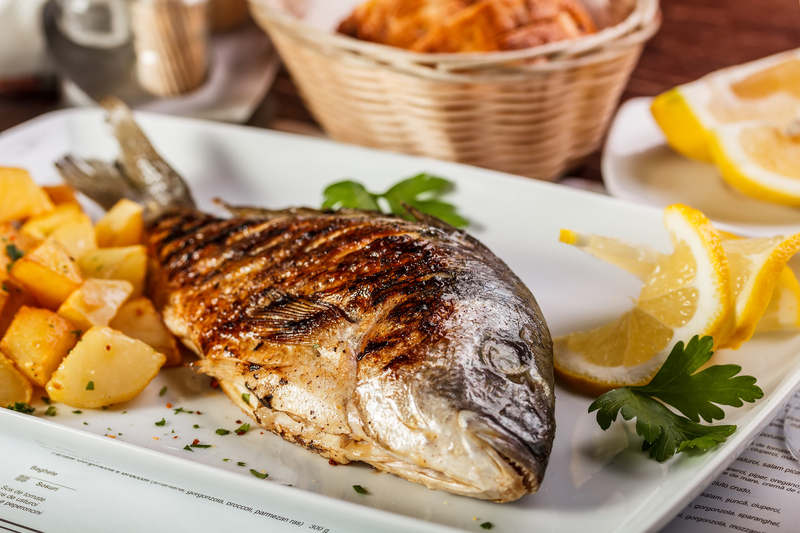


Grilled fish shows up on dinner tables around the world as a go-to healthy meal option. The combination of high protein, heart-healthy fats, and essential vitamins makes it appealing for anyone trying to improve their diet. But switching to grilled fish every single day raises questions about whether this eating pattern actually supports your health goals.
Eating grilled fish every day can be part of a healthy diet for most adults when you choose low-mercury varieties and prepare them properly, though mixing in other protein sources provides better nutritional balance.
Your body needs the omega-3 fatty acids and complete proteins that fish provides, but daily consumption requires some planning to avoid potential downsides.
This article breaks down the nutritional advantages of grilled fish, examines the real risks tied to eating it daily, and shows you how to select and prepare fish in ways that maximize health benefits. You’ll learn which types work best for regular consumption and how to fit grilled fish into a diet that meets all your nutritional needs.
Is It Healthy to Eat Grilled Fish Every Day?
 Eating grilled fish every day offers substantial health benefits through high-quality protein and omega-3 fatty acids, though mercury levels and cooking method matter significantly. Selection of low-mercury species and proper grilling techniques determine whether daily consumption supports your health goals.
Key Benefits of Grilled Fish Consumption
Grilled fish delivers 20-25 grams of complete protein per 3.5-ounce serving without requiring added fats. The grilling process maintains omega-3 fatty acids EPA and DHA, which reduce heart attack risk by up to 27% and lower triglycerides by 15-30%.
You receive essential nutrients including vitamin D, B12, selenium, and iodine through regular grilled fish meals. These nutrients support immune function, bone health, and thyroid regulation.
The anti-inflammatory properties of fish omega-3s decrease joint pain and reduce depression risk by 20%. Brain health improves through enhanced memory retention and slower cognitive decline with consistent fish intake.
Grilled preparation minimizes calorie density compared to fried alternatives while creating flavorful results. The method allows fat to drip away during cooking, making it suitable for weight management goals.
Daily Consumption: Expert Recommendations
Adults should consume 3-4 ounces of low-mercury fish daily for optimal health benefits. Pregnant women need to limit intake to 8-12 ounces weekly, focusing exclusively on species with mercury levels below 0.1 PPM.
Safe daily choices include:
- Salmon (0.022 PPM wild-caught)
- Sardines (0.013 PPM)
- Tilapia (0.013 PPM)
- Cod (0.111 PPM)
- Trout (0.071 PPM)
Avoid daily consumption of tuna, swordfish, king mackerel, and shark due to mercury concentrations exceeding 0.35 PPM. Children under 12 require smaller portions of 2-3 ounces with twice-weekly frequency limits.
Vary your fish sources to minimize exposure to location-specific contaminants like PCBs and dioxins. Remove skin before grilling to reduce PCB concentration in fatty fish varieties.
Comparing Grilled Fish to Other Protein Sources
Grilled fish contains fewer calories than equivalent beef portions while providing superior omega-3 content absent in land animals. A 3-ounce salmon fillet offers 175 calories versus 250 calories in the same portion of ground beef.
Fish provides highly absorbable heme iron and complete amino acid profiles matching chicken and lean meats. Unlike red meat, fish consumption doesn’t correlate with increased cardiovascular disease risk.
The vitamin B12 content in fish exceeds plant-based proteins by providing bioavailable forms your body absorbs efficiently. Grilled fish offers iodine and selenium levels unmatched by terrestrial protein sources.
Environmental contaminant concerns exist with fish, while land animals face antibiotic and hormone exposure risks. Quality sourcing matters equally across all protein categories for food safety.
Nutritional Benefits of Grilled Fish
 Grilled fish delivers omega-3 fatty acids, complete protein with all essential amino acids, and vital micronutrients like vitamin D and selenium. The grilling method preserves these nutrients while adding minimal calories compared to frying.
Richness in Omega-3 Fatty Acids
Fish provides EPA and DHA, two omega-3 fatty acids your body cannot produce on its own. These compounds support cardiovascular health by reducing inflammation and improving blood vessel function.
Fatty fish contain the highest concentrations of these beneficial fats. Cold-water species store more omega-3s in their tissues due to their natural habitat and diet. Anchovies deliver approximately 2,300 mg of omega-3s per 100-gram serving, while herring provides around 1,700 mg.
Mackerel ranks among the top sources with roughly 4,100 mg per serving. Striped bass offers a moderate amount with about 800 mg per 100 grams. Grilling these fish preserves their omega-3 content better than high-heat frying, which can degrade these sensitive fats.
High-Quality Protein Content
Grilled fish supplies complete protein containing all nine essential amino acids your body needs for tissue repair and muscle maintenance. A typical 3-ounce serving of grilled fish provides 20-25 grams of protein.
This protein is highly digestible and absorbed efficiently by your body. Unlike red meat, fish protein comes with significantly less saturated fat. The lean protein profile makes grilled fish suitable for various dietary goals, from weight management to muscle building.
Essential Vitamins and Minerals
Fish delivers vitamin D, a nutrient many people lack through diet alone. A 3-ounce serving of grilled salmon contains approximately 450 IU of vitamin D, supporting bone health and immune function.
Selenium, found abundantly in most fish species, acts as an antioxidant and supports thyroid function. Grilled fish also provides B vitamins, particularly B12 and niacin, which help convert food into energy. Iodine content in fish supports proper thyroid hormone production.
Choline, another nutrient in fish, plays a role in brain health and cell membrane structure. These micronutrients remain stable during grilling when you cook at moderate temperatures.
Potential Risks of Eating Grilled Fish Daily
 While grilled fish offers nutritional benefits, daily consumption carries specific health risks related to chemical exposure from high-heat cooking and environmental contaminants present in seafood. Understanding these hazards helps you make informed decisions about frequency and preparation methods.
Mercury and Contaminant Exposure
Fish accumulate mercury from water sources, and eating certain species daily can lead to harmful levels in your body. Mercury damages the nervous system and can impair cognitive function over time.
Low-mercury fish include salmon, sardines, anchovies, and light tuna (skipjack). These varieties contain less than 0.12 parts per million of mercury and are safer for frequent consumption. In contrast, swordfish, shark, king mackerel, and tilefish have mercury levels exceeding 0.5 parts per million.
PCBs and dioxins also concentrate in fish tissue, particularly in larger predatory species. Farm-raised fish may contain higher levels of these industrial chemicals depending on feed sources and farming practices.
Formation of HCAs and PAHs During Grilling
Grilling fish at temperatures above 300°F creates heterocyclic amines (HCAs) when amino acids and creatine react under high heat. Animal studies show these compounds damage DNA and increase cancer risk through cellular mutations.
Polycyclic aromatic hydrocarbons (PAHs) form when fish fat drips onto flames or hot coals, creating smoke that adheres to the food surface. Charred or blackened portions contain the highest PAH concentrations. Extended exposure to both chemical classes has demonstrated carcinogenic effects in laboratory research.
The formation rate depends on cooking temperature, duration, and distance from heat source. Fish cooked directly over flames accumulates more pahs than fish grilled on foil or cedar planks.
Risks for Specific Populations
Pregnant women should limit fish intake to 8-12 ounces per week of low-mercury varieties to protect fetal brain development. High mercury exposure during pregnancy causes developmental delays and learning disabilities in children.
Young children under six years old are more vulnerable to mercury’s neurotoxic effects due to their developing nervous systems. Women of childbearing age should avoid high-mercury fish entirely and choose safer options like salmon or light tuna.
Individuals with compromised immune systems face higher risks from potential bacterial contamination if fish is undercooked on the grill.
Best Types of Fish for Daily Grilling
 Fish with low mercury levels, adequate omega-3 content, and firm texture make the best choices for daily grilling. The balance between fatty and lean varieties affects both nutritional value and cooking methods.
Low-Mercury Fish Options
Salmon stands out as a low-mercury choice with firm flesh that handles high heat well. Light tuna contains significantly less mercury than albacore varieties, making it suitable for frequent consumption when grilled as steaks.
Anchovies and herring rank among the lowest mercury fish available because of their small size and short lifespan. These oily fish work best when grilled whole with skin on to prevent falling apart.
Striped bass offers a middle-ground option with moderate mercury levels that allow for weekly consumption. You can safely eat these low-mercury options 2-3 times per week without exceeding FDA recommendations.
Comparing Fatty and Lean Fish
Fatty fish like mackerel deliver 2,000-3,000 mg of omega-3s per serving compared to lean options that provide 200-500 mg. This higher fat content creates natural moisture during grilling and reduces the risk of drying out.
Lean fish such as halibut require oil brushing before grilling and careful temperature monitoring to prevent overcooking. They cook faster than fatty varieties due to lower fat content, typically needing 4-5 minutes per side.
The rich, dark flesh of fatty fish withstands aggressive seasoning and acidic marinades better than delicate white fish. Lean varieties benefit from simple seasoning that highlights their mild flavor rather than overpowering it.
Popular Choices: Mackerel, Tilapia, and More
Mackerel provides exceptional omega-3 content at budget-friendly prices when purchased fresh during peak season. Its soft flesh and thin fillets require cooking with skin on to maintain structural integrity on the grill.
Grilled tilapia offers a mild-tasting, affordable protein source though it contains minimal omega-3s compared to oily fish. The thin fillets benefit from using a grilling basket to prevent breaking apart during cooking.
Trout shares biological similarities with salmon but cooks more quickly due to leaner flesh composition. Pan-sized trout grills best when kept whole, as the bones and skin provide structural support during high-heat cooking.
Optimizing Grilled Fish Preparation for Health
 The way you prepare grilled fish determines whether you minimize harmful compounds while keeping beneficial nutrients intact. Proper grilling techniques, strategic use of marinades, and choosing the right cooking surfaces all reduce exposure to heterocyclic amines (HCAs) and polycyclic aromatic hydrocarbons (PAHs).
Effective Grilling Techniques
Flip your fish every 60 seconds to reduce HCA formation by 75 to 90 percent. This frequent flipping keeps the surface temperature lower and prevents charring.
Pre-cook thicker fish portions in the microwave or oven for 3-5 minutes before grilling. This shortens exposure time to direct flames while ensuring the interior cooks thoroughly.
Remove any blackened or charred sections before eating. These areas contain the highest concentrations of PAHs and HCAs.
Cook fish at temperatures below 300°F when possible. Lower heat reduces the chemical reactions between amino acids and creatine that create harmful compounds.
Choosing the Right Marinades and Seasonings
Marinades containing acidic ingredients like lemon juice or vinegar lower HCA levels even when applied immediately before cooking. Longer marination times of 2-4 hours provide additional protection through deeper penetration of antioxidants.
Coat fish with herbs rich in antioxidants before grilling. Rosemary, thyme, oregano, turmeric, and cinnamon directly inhibit carcinogen formation during high-heat cooking.
Mix olive oil with fresh garlic and parsley for a simple protective marinade. The combination delivers multiple antioxidant compounds that block DNA damage from grilling byproducts.
Using Grill Pans and Alternative Tools
A grill pan prevents fish juices and fat from dripping onto open flames. This stops the smoke formation process that deposits PAHs onto food surfaces.
Place heavy-duty aluminum foil on your grill grates as a barrier between fish and direct heat. Poke small holes in the foil to allow smoke flavor while catching drippings.
Use perforated grilling baskets designed for fish to flip delicate fillets easily. These tools maintain the one-minute flipping schedule without breaking apart your fish recipes.
Clean your grill thoroughly between uses to remove accumulated grease and charred residue. Buildup from previous cooking sessions releases additional PAHs that contaminate fresh food.
How to Incorporate Grilled Fish into a Balanced Diet
 Adults need eight to 10 ounces of seafood per week as part of their overall protein intake of five to seven ounces daily.Pairing grilled fish with vegetables, whole grains like quinoa, and varying your fish selections helps create nutritious meals while reducing mercury exposure risks.
Ideal Serving Sizes and Frequency
A single serving of grilled fish should measure between four to six ounces, roughly the size of your palm. You can safely eat fish daily if you choose low-mercury options like salmon, cod, black sea bass, tilapia, scallops, or sardines.
Larger fish species such as swordfish, tuna, and shark accumulate more methylmercury through bioaccumulation because they consume smaller fish that already contain this compound. Rotating between different fish types throughout the week prevents overexposure to any single contaminant source.
Women who are pregnant or breastfeeding should avoid high-mercury fish entirely due to methylmercury’s toxicity to developing nervous systems. The FDA provides specific guidelines for these populations to protect fetal brain development.
Combining Grilled Fish with Other Foods
Grilled fish provides complete protein containing all essential amino acids your body cannot produce on its own. Add vegetables like asparagus, zucchini, or bell peppers alongside your fish to increase fiber, vitamins, and minerals in your meal.
Cold water fish such as salmon contain essential fatty acids that support cardiovascular health. These fish also supply choline and iodine, nutrients important for various body functions.
Pair your grilled fish with whole grains like quinoa, brown rice, or farro to create a well-rounded plate. This combination delivers complex carbohydrates for energy while keeping saturated fat intake low, especially when choosing wild-caught varieties over farm-raised fish fed carbohydrate-heavy diets.
Recipe Ideas for Variety
Top fresh salads with grilled salmon or tuna for a protein-rich lunch option. Season fish with herbs like dill, parsley, or cilantro and citrus juices to enhance flavor without adding excessive sodium or calories.
Use canned or tinned fish on pizzas, in sandwiches, or mixed into pasta dishes for quick meal preparation. Grill cod for fish tacos with cabbage slaw and lime, or prepare meaty salmon steaks with a side of roasted Brussels sprouts.
Try these grilled fish recipes throughout the week:
- Mediterranean-style tilapia with olives, tomatoes, and capers
- Asian-inspired black sea bass with ginger and soy glaze
- Cajun-seasoned shrimp skewers with grilled corn
- Lemon herb scallops over mixed greens
Experiment with different cooking methods like grilling fish in foil packets with vegetables to retain moisture and simplify cleanup.