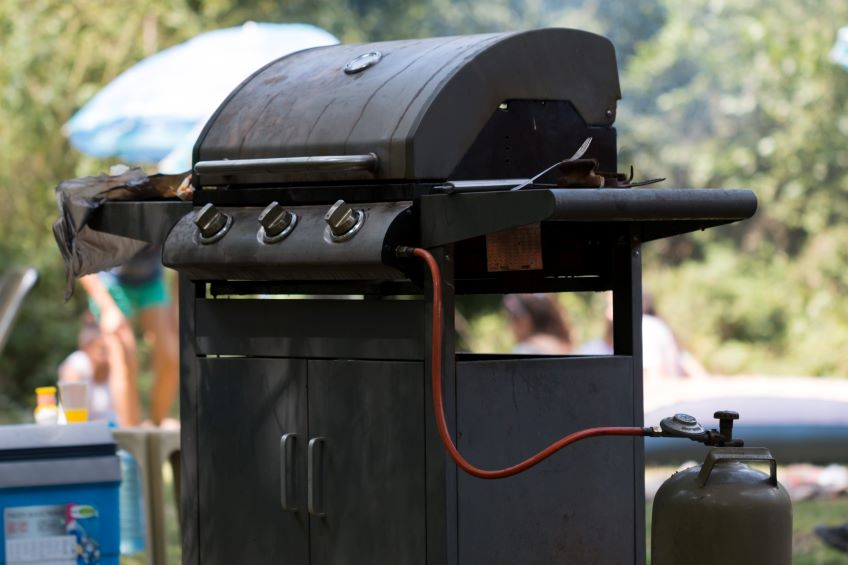

 You should cover your gas grill when it’s not in use.
Covering your grill protects it from weather damage, prevents rust, and helps it last longer.
Some grill owners skip the cover, but leaving your grill exposed can lead to costly repairs and a shorter lifespan.
The choice to cover your grill isn’t always simple. Your local weather, how often you use your grill, and where you keep it all matter.
Some situations call for removing the cover from time to time, especially in humid areas.
This guide will help you understand when and how to cover your gas grill properly. You’ll get the real benefits of grill covers, possible problems to watch for, and how to pick the right cover for your needs.
We’ll also touch on maintenance tips that go beyond just using a cover.
Should I Cover My Gas Grill?
 Yes, you should cover your gas grill to protect it from weather damage and extend its lifespan. The decision depends on your climate, storage location, and how often you use your grill.
The Purpose of Covering Your Grill
Covering your grill protects it from rain, snow, dust, and UV rays. All these things can damage its exterior and internal components.
Weather exposure causes rust on metal parts and fading on painted surfaces. Knobs and handles can start to deteriorate too.
A grill cover acts as a barrier against moisture that seeps into burners and ignition systems. This moisture leads to corrosion and costly repairs over time.
Your grill’s performance stays more consistent when you protect it from the elements. Covers also keep out debris like leaves, bird droppings, and pollen.
These materials create cleaning headaches and attract pests. A good cover saves you prep time before each cookout.
Your investment in a gas grill deserves protection. Uncovered grills usually need replacement parts sooner and show visible wear much faster.
When to Cover or Leave Your Grill Uncovered
You should cover your grill after it cools down completely following each use. Wait at least 30 minutes after turning off the burners so you don’t trap heat and moisture inside.
Remove the cover occasionally in humid climates to let your grill air out. This helps prevent condensation buildup that can cause rust even under a cover.
Let it breathe for a few hours every couple of weeks if you’re not using it regularly.
Times to keep your grill covered:
- During rain or snow storms
- When not in use for more than a day
- Throughout winter months
- In areas with heavy pollen or dust
Times to uncover your grill:
- Right before cooking
- During periodic airing in humid weather
- When cleaning and inspecting components
Debunking Common Myths
Myth: Covers trap moisture and cause more rust. This only happens with poor-quality covers or if you cover a wet grill.
Quality covers with vents allow airflow while blocking rain. It’s really about picking the right cover and using it properly.
Myth: You only need covers in winter. Summer sun can damage grill finishes through UV exposure. Rain and humidity don’t just take a break in the summer, either.
Myth: Leaving grills uncovered provides better ventilation. Modern grill covers include ventilation systems that prevent condensation while blocking weather. Your grill doesn’t need to be exposed to air all the time when not in use.
Myth: Expensive grills don’t need covers. Actually, higher-end grills often have more electronics and premium finishes that need protection. The pricier the grill, the more you’ll want to keep it safe.
Benefits of Using a Grill Cover
 A grill cover provides protection from weather damage, reduces maintenance needs, and helps your gas grill last longer. These covers act as a barrier between your grill and the outdoor elements that can cause wear and rust over time.
Protection From Weather and Environmental Factors
Rain, snow, and UV rays can damage your gas grill’s exterior and internal components. Water can seep into burners and igniters, causing rust and corrosion that affects performance.
A quality grill cover blocks moisture from reaching these sensitive parts. UV rays from the sun fade paint and break down plastic components on your grill.
This sun damage makes your grill look old and worn. Wind can blow dirt, leaves, and debris into your grill’s cooking surfaces and burners.
A grill cover shields against:
- Heavy rain and snow
- Direct sunlight and UV damage
- Wind-blown dirt and debris
- Tree sap and bird droppings
- Pollen and dust
Extending Grill Lifespan
Protecting your grill with a cover can add years to its usable life. Rust and corrosion are the main reasons gas grills fail early.
When moisture sits on metal parts, it creates rust that weakens the structure and damages burners. A cover keeps your grill dry between uses.
This prevents the rust formation that destroys grates, burners, and the firebox. Metal components stay in better condition when they’re not exposed to constant moisture.
You’ll save money by not having to replace parts as often. Burners, igniters, and grates can cost hundreds of dollars to replace.
The small investment in a good cover really does pay for itself by protecting these expensive components.
Keeping Your Grill Clean and Ready to Use
A covered grill stays cleaner than one left exposed. You won’t need to spend 15-20 minutes cleaning off dirt and debris before each cookout.
Your grill will be ready to fire up as soon as you remove the cover. Leaves, dust, and insects can’t get inside when your grill has a cover.
This means your cooking surfaces stay cleaner between uses. You’ll spend more time grilling and less time scrubbing.
Bird droppings and tree sap are a pain to remove once they dry on your grill. A cover keeps these sticky substances off your cooking surfaces.
Your grill maintains its appearance and stays more sanitary for food prep.
Potential Drawbacks of Covering Your Grill
 While grill covers offer protection, they can create problems if you choose the wrong type or use them incorrectly. The main issues involve trapped moisture and the growth of unwanted organisms on your grill’s surface.
Moisture Buildup and Ventilation Issues
Non-breathable covers trap condensation underneath, which leads to rust and corrosion on your grill’s metal parts. When warm air from a recently used grill meets a cool cover, water droplets form on the grill’s surface and have nowhere to escape.
This trapped moisture sits on burners, grates, and metal panels for extended periods. The problem gets worse in humid climates or coastal areas where salt in the air speeds up corrosion.
You need a cover with ventilation vents to prevent moisture buildup. These openings allow air to flow through and let condensation evaporate naturally.
Look for covers with mesh panels on the sides or adjustable vents near the bottom. Never cover your grill while it’s still warm.
Wait until it cools completely to avoid creating a steam chamber that promotes rust formation.
Mold and Mildew Concerns
Moisture trapped under your grill cover creates the perfect conditions for mold and mildew growth. These organisms thrive in dark, damp spaces where air doesn’t circulate freely.
Mold shows up as black, green, or white spots on your grill’s surfaces and cooking grates. It produces a nasty smell and requires a thorough cleaning before you can safely cook food again.
The spores spread quickly across metal surfaces and fabric interiors of the cover itself. You’ll notice a musty odor when you remove the cover, which is a clear sign of mold.
Regular cleaning helps keep this problem in check. Wipe down your grill before covering it and wash the cover from time to time.
Choose covers made from breathable materials like canvas or polyester with antimicrobial treatments to resist mold growth.
Choosing the Right Grill Cover
 The right cover protects your investment through proper materials, correct sizing, and key protective features. Quality materials resist weather damage while the right fit prevents moisture buildup and wind damage.
Best Materials for Durability
Polyester and vinyl are the two most common materials for grill covers. Polyester offers better breathability, which helps prevent moisture and mold buildup under the cover.
It also resists UV damage well and stays flexible in cold weather. Vinyl provides excellent waterproofing and wipes clean easily.
However, it can crack in freezing temperatures and may trap moisture if ventilation is poor. Heavy-duty polyester with a waterproof coating combines the benefits of both materials.
Look for fabric weights between 300-600 denier for the best durability. UV-resistant coatings extend the cover’s lifespan by preventing sun damage and color fading.
Reinforced seams and double-stitching add strength at stress points. Quality covers include mesh vents that allow air circulation while keeping out rain and snow.
This grill cover from Simple Houseware is built with durable 600-denier polyester that’s weather-resistant, waterproof, dustproof, UV-resistant, tear-resistant, and tough enough for year-round outdoor use.
It fits many large grills and includes side handles and wide hook-and-loop straps to keep it snug and easy to put on or take off when needed.
Cleaning is simple — just hose it down and let it air dry — helping you keep your grill protected and looking great
Custom Grill Covers vs. Universal Fit
Custom grill covers are designed for specific grill models and brands. They provide the most precise fit, covering all areas without excess material that can catch wind or pool water.
These covers account for side tables, handles, and other unique features of your exact grill model. Universal fit covers work with multiple grill types and sizes.
They cost less than custom options and offer more flexibility if you change grills. You’ll need to measure your grill’s length, width, and height carefully to select the right size range.
Measure from the ground up and include any attachments you want covered. Universal covers in the correct size range can protect your grill adequately, but may require adjustment straps to achieve a secure fit.
Importance of Proper Fit and Features
A proper fit keeps your cover in place during wind and storms. Covers that are too large collect water and blow off easily.
Covers that are too small leave parts of your grill exposed to weather damage. Adjustable straps, drawstrings, or buckles secure the cover at the bottom and prevent it from shifting.
Velcro closures or click-release buckles make taking the cover on and off simple. Handles sewn into the top help you remove the cover without stretching or tearing the material.
Waterproof zippers or protected seams keep moisture out completely. Built-in air vents reduce condensation inside the cover, which helps prevent rust and mold growth on your grill surface.
Situational Guidance: Climate and Usage Factors
 Your local climate and how often you grill determine whether covering makes sense for your situation. Temperature, humidity levels, and seasonal patterns all affect your grill’s protection needs.
Humid, Coastal, and Dry Climate Considerations
If you live in a humid or coastal area, covering your gas grill is pretty much a must. Rust and corrosion happen fast in these places—salt air near the ocean eats away at metal, even stainless steel.
Moisture from humidity lets water linger on the grill’s surfaces, and that’s just asking for trouble. It’s surprising how quickly things can go downhill if you skip the cover for a while.
You should always use a cover in these conditions:
- High humidity areas with frequent rain or fog
- Coastal regions within 10 miles of salt water
- Areas with heavy morning dew
Dry climates have their own quirks. Dust, sand, and random debris can scratch up your grill and even clog burners.
A cover helps keep out all that gritty stuff. Plus, it shields the grill from harsh sun that fades paint and can wreck plastic bits over time.
In dry places, you can get away with leaving the grill uncovered a bit more between uses. Still, during dust storms or if you’re not going to use it for a while, it’s smart to cover up.
Seasonal Usage and Off-Season Storage
How often you grill changes how you handle covering. If you’re out there year-round, just toss the cover on once the grill cools after every session. It’s a simple way to dodge daily weather wear and tear.
When winter rolls in and you’re grilling less, storage gets more important. Clean the grill well before covering it for a long stretch.
Disconnect the gas line and move the propane tank somewhere safe. It’s one of those little steps that really matters.
For harsh winters, here are a few ideas:
- Store portable grills in a garage or basement
- Use heavy-duty winter covers for built-in models
- Raise the grill off the ground to avoid moisture pooling underneath
If you only grill when it’s warm, a covered spot outdoors is fine for mild winters. But if you’re dealing with heavy snow or brutal cold, indoor storage is the way to go. Nobody wants frozen burners or cracked gas lines.
Grill Maintenance Beyond Covering
 A cover shields your grill from the elements and keeps out a lot of junk, but it’s not a magic fix. You still need to clean and check it regularly if you want it to last.
Regular Cleaning and Inspection
After each use, clean the grates so food and grease don’t build up. A quick scrub with a wire brush or scraper while the grates are still warm does the trick.
It takes just a few minutes and saves you from tougher cleaning jobs later. Honestly, it’s worth the tiny effort.
Once a month, check your burners for clogs or corrosion. Pull off the grates and look for blocked holes or weird, uneven flames.
You can clean burner ports with a paperclip or a small brush. Doesn’t need to be fancy—just thorough.
Every few months, inspect gas connections for leaks. Mix up some soapy water, brush it on, and turn on the gas without lighting it. Bubbles? That means there’s a leak that needs fixing ASAP.
Don’t forget to empty the grease trap often. Fires and pests are no joke, and most traps need cleaning after three to five uses, depending on what you’re cooking.
If you’re using a charcoal grill, dump out the ash before each cook. It helps with airflow and keeps things running smoothly.
Maintenance Tips for Grill Longevity
Deep cleaning your grill is a must—try to do it twice a year. Take out all the parts, like grates, flavorizer bars, and burner covers.
Scrub each piece with warm, soapy water. Let everything dry out fully before you put it all back together. Trust me, moisture is not your friend here.
Keep an eye on worn parts. Grates, burners, and ignition systems just don’t last forever.
If you spot rust on your grates, swap them out before they fall apart or mess with your food. It’s always better to be a little proactive.
Store propane tanks somewhere ventilated and far from heat. When you’re not grilling for a while, disconnect the tank.
Check the connections now and then. Spider webs and debris can sneak in and block the gas flow, which is both annoying and dangerous.
If you’ve got cast iron grates, season them with a bit of cooking oil after cleaning. Just a thin layer does the trick.
Heat the grill for about 15 minutes after oiling. That way, you’ll get a nice protective coating and, honestly, your food will probably taste better too.