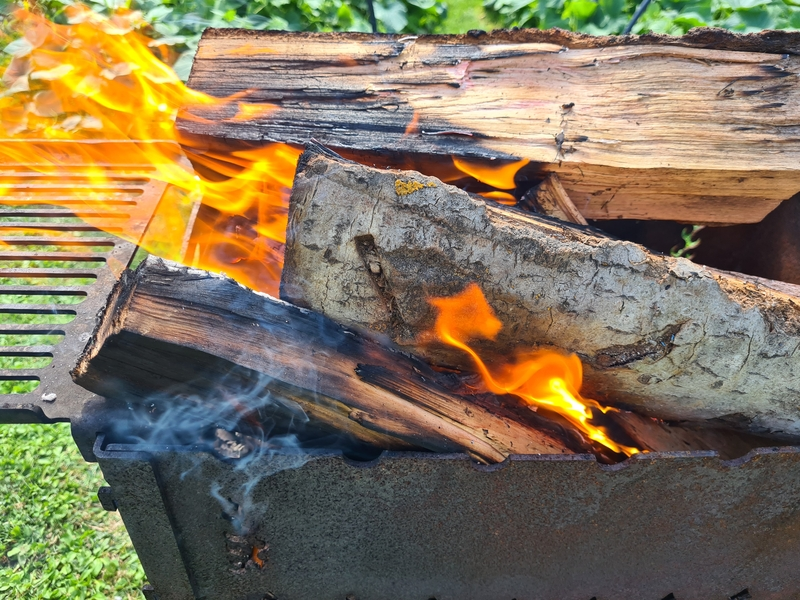

 Deciding between wood and charcoal for grilling is a classic dilemma for anyone wanting to up their outdoor cooking game. Each fuel has its own perks, and honestly, it just depends on what you’re after.
Neither wood nor charcoal is a clear winner for everyone—it really comes down to the flavor you want, how much time you’ve got, and how confident you are with grilling.
Wood brings a bold smoky flavor and burns hotter than charcoal. But you’ll need to pay more attention to it, and it can be tricky to keep the temperature steady.
Charcoal, on the other hand, provides even, predictable heat. It is easier to manage, though it does not deliver quite as much flavor. Some cooks even combine the two to achieve the best of both approaches.
Knowing how wood and charcoal stack up helps you pick the right one for your next cookout. This guide gets into everything from flavor to heat control, so you can match your fuel to your grilling style and the food on your menu.
Fundamental Differences Between Wood and Charcoal
 The main differences between wood and charcoal come down to how they’re made, their chemical makeup, and how they burn. Charcoal is just wood that’s been heated up without much oxygen, but grilling wood is basically just wood in its natural form.
How Charcoal Is Made
Charcoal is made by heating wood in a low-oxygen environment—a process called pyrolysis. This cooks off water and other stuff, leaving behind mostly carbon.
Production temps usually run from 570 to 1,200 degrees Fahrenheit, which removes about 70-80% of the wood’s mass.
The result is a dense fuel that burns hotter and cleaner than regular wood. Lump charcoal is just chunks of hardwood, while briquettes are a mix of charcoal powder and binders. Both give you a concentrated grilling fuel that packs more energy than plain wood.
How Wood Is Used for Grilling
When grilling with wood, you’re using seasoned hardwood logs, chunks, or splits. You want wood with low moisture—under 20% is ideal—so it burns right.
Different woods bring their own unique flavors. Oak, hickory, and mesquite are classics, while fruitwoods like apple and cherry are milder.
You’ll want to start wood fires earlier than charcoal since wood takes time to burn down to proper coals. Wait for glowing embers and minimal flames. It’s a bit more work than firing up charcoal, but some swear by it.
Key Properties of Each Fuel
Charcoal burns hot—usually 800-1,000 degrees Fahrenheit. Once it’s going, you get steady heat and not much smoke. It also lasts longer per pound than wood does.
Wood usually burns between 600-800 degrees Fahrenheit, with more smoke and visible flames. You’ll need to add more wood during longer cooks to keep the heat up.
Charcoal leaves behind less ash, so cleanup is quicker. Wood makes more ash, and you might need to clear it out if you’re cooking for a while.
Flavor Profiles: Smoky Differences and Customization

Wood and charcoal each bring their own vibe to grilled food. Wood gives you a natural, changing smoky flavor, while charcoal’s more about steady heat with just a hint of smoke.
How Each Fuel Impacts Food Flavor
Grilling with charcoal gives you a mild smoky flavor that really lets the meat’s own taste stand out. The smoke is subtle and clean, so you get that classic grilled taste without much extra going on.
Wood, though, brings a more complex flavor. Burning wood produces compounds that add all sorts of depth and character. That’s why hickory tastes totally different from apple wood.
The smoky intensity depends on how much wood you use and how long it burns. Chunks burn longer and give more smoke than chips. Adjust the amount for the flavor you want.
Popular Types of Wood for Grilling
Oak gives a medium smoky flavor and burns hot and steady, so it’s good for most meats.
Hickory packs a bold punch that’s awesome with pork and beef. Mesquite is super intense—great in small doses if you like earthy flavors.
Fruitwoods like apple, cherry, and pecan are sweeter and milder. Applewood is light and fruity, cherry adds a bit of tartness, and pecan is nutty—somewhere between hickory and fruitwoods in strength.
Avoid wood with bark, since it can make your food taste bitter and might even be unsafe.
Flavor Control When Mixing Fuels
Mixing charcoal and wood is a popular move. Start with charcoal for heat, then toss in wood chunks or chips for that smoke.
Usually, 2-3 wood chunks are enough for noticeable smoke. Fewer if you want it light, more if you like it strong. Chips burn faster than chunks, so you’ll need to add them more often.
Soak chips for about 30 minutes before using them to slow down burning. Chunks can go on dry. Place them right on the coals or off to the side for indirect smoke.
Aromas and Visual Appeal
Grilling with wood fills the air with rich, mouthwatering smells you just don’t get from charcoal alone. The aroma totally depends on the wood—hickory is strong and bacon-y, cherry is sweet and inviting.
Wood smoke also gives your food a deeper smoke ring and a better-looking bark. That reddish-pink ring under the surface? That’s real smoke flavor.
Charcoal’s smoke is lighter, so your food won’t get quite as much color. Wood grilling usually makes for darker, more traditional barbecue with a nice crust.
Heat Control and Burn Time

Charcoal is easier to manage for steady heat, while wood can burn longer but takes more babysitting to keep the temp right.
Consistent Heat Versus Temperature Fluctuations
Charcoal briquettes are super steady. They keep even temps for 45 to 60 minutes—great for recipes that need precision. Lump charcoal gets hotter at first but cools off faster, so the temp can swing a bit.
Wood fires are less predictable. They start out hot, but the temp drops as the wood burns down. You’ll be adding wood and adjusting airflow more often.
A grill thermometer is almost a must with wood. You’ve got to pay attention and tweak things as you go, which can be fun if you like a challenge.
Managing High-Heat Grilling
Charcoal can hit 700-900°F, which is ideal for high-heat grilling. It takes about 20-25 minutes to get hot. Lump charcoal heats up faster than briquettes, but both are great for searing.
Wood can burn even hotter if you manage it right. Seasoned wood gives you quick, intense flames—awesome for fast-cooking stuff. But the heat can spike or drop quickly, so it’s a bit of a rollercoaster.
The size and type of wood matter a lot. Small chunks heat up fast, big logs give you longer, steadier heat.
Longer Burn Time Considerations
Wood actually burns longer than a lot of folks expect. Seasoned hardwood can go for an hour or more, which is great for big cuts that need time. Charcoal briquettes offer predictable burn times, so you can plan ahead. Lump charcoal burns up quicker, so you’ll use more for long cooks.
With wood, you don’t have to add fuel as often during long sessions. That’s handy for things like whole chickens or roasts when you just want to let them go.
Ease of Use, Handling, and Maintenance

Charcoal is definitely more convenient. Wood takes more skill and attention. The way you start, clean up, and store each fuel is pretty different.
Starting and Maintaining the Fire
Charcoal lights up fast and doesn’t take much effort. A chimney starter gets hot coals ready in about 15 minutes. Some briquettes even light with just a match—no lighter fluid needed.
Wood is more work. You’ll need firestarters, newspaper, or kindling, and a bit of patience. Once it’s burning, you have to manage the airflow to keep flames down and get those perfect coals.
Charcoal is simpler for temperature control. It burns at a steady rate, while wood can be unpredictable. You’ll find yourself checking and adjusting more often if you go the wood route.
Cleaning and Ash Production
Wood creates significantly more ash than charcoal. That means you’ll probably spend more time scraping out your grill after each use and might have to empty the ash pan more often during long cooks.
Charcoal leaves behind less ash and the residue is usually more uniform, making cleanup a bit easier. Less ash also means airflow stays better, so you’ll have more stable temperatures overall.
With both fuels, you have to wait until the ash cools completely before tossing it out. Hot ash can stay dangerously hot for up to 24 hours, so don’t rush the process.
Handling and Storage Best Practices
Charcoal storage requirements:
- Keep in a dry spot away from moisture
- Can last pretty much forever if you store it right
- Takes up less space than wood
Wood storage requirements:
- Needs more room for logs or chunks
- Has to stay dry to burn well
- Should be kiln-dried and bark-free for food safety
- Needs proper seasoning if it isn’t pre-dried
Wood chunks and chips are easier to stash than full logs, but they still need to be kept dry. Wet wood makes too much smoke and can mess up the flavor of your food.
Health and Environmental Considerations

Both wood and charcoal make smoke and emissions that aren’t great for your health or the environment. The type and source of your fuel matter just as much as how you burn it.
Smoke and Particulate Matter
Burning these fuels releases particulate matter into the air. That stuff can irritate your lungs and make things worse for people with asthma or bronchitis.
Wood usually puts out more smoke than charcoal. If you use green or unseasoned wood, you’ll get even more smoke and incomplete combustion, which means more particulates in the air for you and your neighbors.
Seasoned wood burns cleaner because it has less moisture. When it’s dried for at least six months, you get less smoke and fewer harmful emissions. Hardwoods like oak and hickory are especially good at burning cleanly.
Charcoal gives off less visible smoke when you’re grilling. Still, it releases particulate matter and carbon monoxide. Lump charcoal usually burns cleaner than briquettes, but both have some emissions.
Sustainability and Fuel Sourcing
The environmental impact starts way before your fuel hits the grill. Making charcoal means heating wood in low-oxygen conditions, which uses up energy and resources.
Sustainably sourced wood comes from managed forests where trees are replanted. Local wood is easier to find in some places, which cuts down on transportation emissions. That makes wood a more sustainable pick—if it’s harvested the right way.
Charcoal production turns about half the wood into usable fuel. The rest turns into waste or emissions. Some charcoal makers now use wood scraps from lumber mills, which helps a bit on the sustainability front.
Transportation makes a difference too. Imported charcoal travels a long way, which adds to its carbon footprint. Local wood doesn’t have to go as far, so it’s a bit greener.
Chemical Additives and Pure Fuels
What goes into your fuel matters a lot for health and the environment. Lump charcoal contains no additives since it’s just hardwood burned down.
Briquettes, on the other hand, often have binders, coal dust, and accelerants. Some even include borax, limestone, starch, or petroleum-based ingredients that can release chemicals into your food and the air.
Wood is a natural fuel source—as long as you stick to untreated lumber. Never burn treated, painted, or coated wood. Those release toxic chemicals that can mess with your food and your lungs.
Lighter fluid and chemical starters add even more pollutants. Skip them if you can; a chimney starter for charcoal or natural fire starters for wood work just fine.
Combining Wood and Charcoal: Hybrid Approaches

Lots of grillers use a mix of charcoal and wood to get the perks of both. Charcoal gives you steady heat, and wood brings in that smoky flavor everyone loves.
Creating a Two-Zone Fire
A two-zone fire is a great way to use both fuels. You pile your charcoal bed on one side and leave the other side empty. That gives you a hot zone for searing and a cooler spot for slower cooking.
Light your charcoal with a chimney starter. Once it’s ready, dump the coals on one side of the grill and add wood chunks or splits on top or next to the coals. The charcoal will light the wood and keep the heat steady.
Wood chunks work better than chips here since they burn slower. Throw 2-3 chunks right on the charcoal for steady smoke. Add more during cooking if you want a stronger smoky taste.
This setup lets you control both heat and smoke. Move your food around depending on how much heat or smoke you want. Direct heat over the coals gives you a good sear, while the cooler zone helps you finish without burning anything.
Flavor and Temperature Benefits
Mixing charcoal and wood fixes a lot of the problems you get with each one by itself. Charcoal burns at consistent temps (225-500°F) and lasts longer, while wood burns hotter but is less predictable and brings the smoky flavor.
The charcoal base keeps your temperature steady, and the wood chunks give you that smoke. You end up with better temp control than using only wood, and more flavor than just charcoal. Different woods give different flavors—hickory is bold, while apple or cherry are sweeter.
This hybrid method also uses less wood, so you save money. Just a few chunks are enough, since the charcoal does most of the heating. Many pitmasters swear by this for long cooks since it means less babysitting the fire.
When to Choose Wood, Charcoal, or Both

Choosing between wood and charcoal really depends on what you’re cooking and how much time you’ve got. Each one shines for different foods and situations.
Best Uses for Each Fuel
Charcoal is perfect when you want steady, reliable heat. It’s great for things like chicken breasts, pork chops, or veggies. If you’re grilling on a weeknight and don’t want to fuss with the fire, charcoal’s the way to go.
Wood is better for big cuts of meat that really soak up smoke flavor. Ribs, brisket, and pork shoulder all come out tastier with wood. Use wood when you have more time to hang out by the grill and keep an eye on the heat.
Quick Reference Guide:
| Fuel Type | Best For | Cooking Time |
|---|---|---|
| Charcoal | Burgers, chicken, vegetables | 30-60 minutes |
| Wood | Ribs, brisket, whole chickens | 2+ hours |
| Both | Steaks, thick chops | 45-90 minutes |
Adapting to Your Grilling Style
If you want the perks of both grilling fuels, start with charcoal as your base. Once it’s hot, toss some wood chunks on top for that smoky flavor—without sacrificing heat control.
This way, you get charcoal’s steady temperature and wood’s distinct taste. It’s honestly a pretty solid combo.
If you’re just figuring out grilling or have a big crowd to feed, pure charcoal is probably your best bet. You won’t have to fuss as much with the fire, so you can actually focus on the food.
Once you’re comfortable, maybe try wood for dialing in the smoke just how you like it. It’s a bit more hands-on, but some folks love that part.
Time’s a factor, too. Charcoal lights up faster and holds a steady temp with less hassle.
Wood, on the other hand, takes an extra 15-20 minutes to get going and needs you to keep an eye on it the whole time. Worth it? That’s up to you.