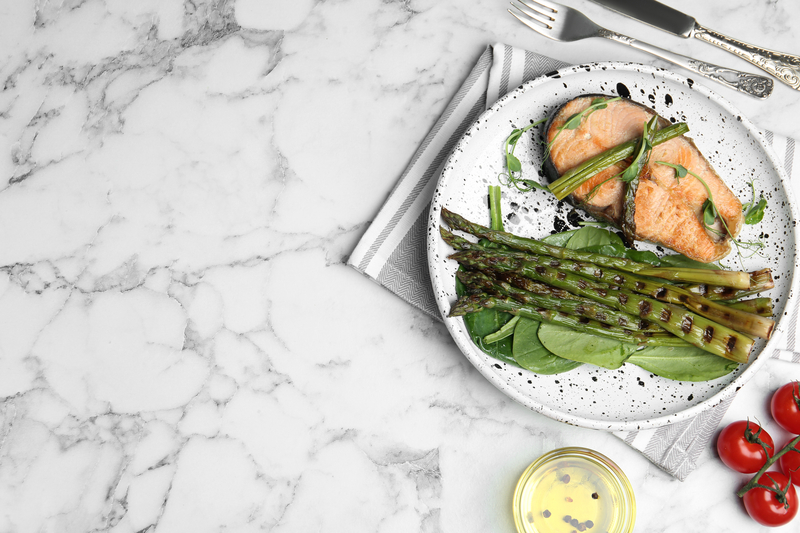


Grilled fish does not negatively impact cholesterol and may actually improve cholesterol profiles when prepared properly. Most fish are low in saturated fat and provide omega-3 fatty acids, which raise HDL (good cholesterol) and lower triglycerides.
Grilling, when done without excessive butter or oil, preserves these benefits. Fatty fish like salmon, mackerel, and trout are especially effective for cholesterol management due to their high omega-3 content.
These fish offer cardiovascular advantages without raising LDL (bad cholesterol). The American Heart Association advises at least two servings of fish weekly for optimal heart health.
Fish selection and cooking method are crucial. Some seafood varieties contain more cholesterol, and certain grilling techniques can introduce unwanted compounds.
How Grilled Fish Affects Cholesterol Levels

Grilling fish maintains heart-healthy nutrients and avoids adding unhealthy fats that can elevate cholesterol. Omega-3 fatty acids in fish help raise HDL and lower triglycerides, though they do not directly reduce LDL.
The Impact of Grilling on Fish Nutrition
Grilling cooks fish without introducing saturated or trans fats. Baking or grilling, rather than frying, avoids the oils and breading that increase LDL cholesterol.
The dry heat of grilling keeps omega-3 fatty acids intact, preserving cardiovascular benefits. Key advantages of grilling include:
- No added unhealthy fats
- Retention of omega-3 content
- Lower calorie content compared to frying
- Supports cholesterol management
Heavy marinades with butter or excessive oil should be avoided. Opt for simple preparations with lemon, herbs, and minimal olive oil.
Types of Cholesterol: LDL vs. HDL
LDL (low-density lipoprotein) is the type that accumulates in arteries, while HDL (high-density lipoprotein) helps remove LDL from the bloodstream. Grilled fish’s omega-3s boost HDL levels, improving the cholesterol ratio.
These fatty acids also decrease triglycerides, reducing heart disease risk. The American Heart Association recommends two servings of fish per week for these effects.
Fish does not directly lower LDL, but replacing red meat with grilled fish reduces saturated fat intake, which is the primary driver of increased LDL.
Dietary vs. Blood Cholesterol
Dietary cholesterol from fish minimally impacts blood cholesterol compared to saturated fat. Grilled fish is naturally low in saturated fat, making it suitable for cholesterol control.
Replacing high-saturated-fat foods with fish can reduce total cholesterol by up to 10%. Most cholesterol is produced by the body, and the small amount in fish is offset by omega-3s that benefit cholesterol balance.
Best and Worst Fish Choices for Cholesterol

Different fish varieties have varying effects on cholesterol. Some promote heart health, while others are higher in dietary cholesterol and should be eaten in moderation.
Fatty Fish and Their Benefits
Fatty fish are optimal for cholesterol management. Salmon, mackerel, and tuna are rich in omega-3 fatty acids EPA and DHA, which lower triglycerides and can raise HDL.
Top fatty fish for cholesterol control include:
- Salmon: 206 calories, 2.4g saturated fat per serving
- Mackerel: High omega-3 content, low saturated fat
- Herring: Beneficial fatty acids, minimal saturated fat
- Sardines: 208 calories, 1.53g saturated fat per serving
These oily fish offer anti-inflammatory effects, helping to prevent arterial plaque formation. Aim for at least 8 ounces per week to see measurable benefits.
Omega-3s in these fish reduce triglycerides and inhibit LDL oxidation, making cholesterol less likely to adhere to artery walls.
High-Cholesterol Seafood to Limit
Certain seafood, such as squid, contains high dietary cholesterol. Shrimp also ranks high, but its effect on blood cholesterol is less significant than previously thought.
Preparation methods matter more than cholesterol content. Avoid shellfish cooked with butter, cream sauces, or deep-fried coatings, as these add saturated fat and raise LDL.
If consuming high-cholesterol seafood, keep portions modest and use grilling, steaming, or baking without added fats.
Lean Fish and Shellfish: How They Fit In
Lean fish like cod, tilapia, and swordfish are lower in fat but still provide quality protein without increasing cholesterol. These varieties typically have under 2g saturated fat per serving.
Benefits of lean fish include:
- Low total and saturated fat
- Good protein source for heart health
- Some omega-3s, though less than fatty fish
- Simple to prepare using healthy methods
Cod, for example, contains 70mg cholesterol per serving with little saturated fat. Tilapia is similar and more affordable. Rotate lean fish with fatty varieties for balance while keeping saturated fat intake low.
Healthy Cooking Methods for Fish

Cooking technique significantly impacts fat and cholesterol content. Grilling, baking, poaching, and steaming each offer ways to preserve nutrients with minimal added fats.
Comparing Grilling, Baking, Poaching, and Steaming
Grilling imparts flavor without extra oil, but very high heat can create harmful compounds. Moderate temperatures are safer for both taste and nutrition.
Baking allows for temperature control and requires little added fat. Baking at 350-400°F with a light oil or citrus-based marinade works well.
Poaching and steaming use water or broth, preserving omega-3s and avoiding added fat. Poaching simmers fish gently, while steaming cooks with vapor, both minimizing nutrient loss.
All these options are preferable to deep-frying for maintaining the heart-healthy qualities of fish.
Reducing Unhealthy Fats While Cooking
Breading and frying should be avoided when managing cholesterol. Use cooking sprays or small amounts of olive oil for grilling or baking instead.
Choose liquid vegetable oils over butter or lard, and keep oil quantities minimal. One to two teaspoons is usually sufficient.
Simple strategies to reduce fat include:
- Remove fish skin before or after cooking
- Use wine, citrus juice, or vinegar marinades instead of oil-heavy sauces
- Avoid excess salt, which can elevate blood pressure
- Skip cream sauces and cheese toppings
Season with herbs and spices for flavor without added fat or sodium.
Nutrition and Heart Health Benefits of Grilled Fish

Grilling fish supplies omega-3 fatty acids and high-quality protein, aligning with dietary recommendations for cardiovascular health.
Omega-3 Fatty Acids and Their Role
EPA and DHA, found in grilled fatty fish, lower triglycerides and reduce arterial inflammation. These omega-3s also help increase HDL cholesterol and may lower LDL.
Dietary guidelines suggest 8 ounces of seafood weekly for adequate omega-3 intake. Grilling preserves these fats by avoiding added saturated fats.
Fish as a Protein Source in a Heart-Healthy Diet
Fish offers complete protein with little saturated fat. A 3-ounce portion provides 20-25 grams of protein with relatively few calories.
This protein content promotes satiety and helps prevent overeating. Unlike red meat, fish does not come with high saturated fat levels.
Grilling retains nutrients and allows excess fat to drip away. Fish also provides vitamins B12 and D, plus minerals like selenium and iodine.
Potential Risks of Grilled Fish

Grilling fish can introduce harmful compounds, and some species contain mercury, posing food safety concerns.
Grilling and Harmful Compounds
High-temperature grilling can form polycyclic aromatic hydrocarbons (PAHs) and heterocyclic amines (HCAs). PAHs arise when fat drips onto heat sources, creating smoke that adheres to food, while HCAs form directly on the fish at temperatures above 300°F.
These risks can be minimized by marinating fish in citrus or herbs, using moderate heat, and avoiding charring. Indirect grilling and trimming excess fat also help reduce exposure.
Key Takeaways
- Grilled fish, especially fatty varieties, supports healthy cholesterol levels due to high omega-3 content and low saturated fat.
- Choose grilling, baking, poaching, or steaming over frying to preserve nutrients and limit unhealthy fats.
- Limit high-cholesterol seafood and avoid preparations with butter, cream, or deep-frying.
- Marinate fish and use moderate heat to reduce harmful compounds during grilling.
- Incorporate both fatty and lean fish for balanced nutrition while managing cholesterol.
Mercury Content and Food Safety

Mercury accumulates in fish due to water contamination, and larger, older fish usually have higher mercury concentrations than smaller species.
For lower mercury exposure, opt for these fish:
- Salmon
- Tilapia
- Cod
- Catfish
Grilled salmon and most smaller fish tend to have less mercury than big predators like shark or swordfish.
It’s best to rotate your seafood choices instead of sticking to one type all the time. If possible, pick wild-caught fish from reputable vendors with solid testing standards.
Pregnant women, nursing mothers, and young children should pay special attention to mercury risks and limit high-mercury fish accordingly.
Tips for Healthier Grilled Fish Meals

To get the most from fish, focus on your marinades and keep portions reasonable.
These details help maximize health benefits, especially for cholesterol, while keeping meals enjoyable.
Choosing Marinades, Herbs, and Spices
Marinades don’t just boost flavor—they can impact nutrition, too.
Lemon juice or vinegar as a marinade base creates acidity, which may help reduce cholesterol during grilling.
Garlic is a smart addition. Its compounds inhibit cholesterol production in the liver, and fresh minced garlic is usually your best bet, though garlic powder works in a pinch.
Some herbs and spices—think turmeric, oregano, rosemary—have documented cholesterol-lowering effects as well.
You can blend these herbs into a marinade or use them as a dry rub before grilling.
Try a simple mix: olive oil, lemon juice, minced garlic, and your favorite herbs. Let the fish soak for 15–30 minutes before grilling so the flavors and acids have time to work.
Key Takeaways
- Choose smaller, short-lived fish like salmon or tilapia to minimize mercury intake.
- Rotate seafood types and source fish from reputable suppliers for safety.
- Use acidic marinades and add garlic, turmeric, or oregano to support heart health.
- Let fish marinate for at least 15 minutes before grilling to enhance both flavor and potential health benefits.
How Often Should You Eat Grilled Fish for Cholesterol?

Eating grilled fish two to three times per week is recommended for optimal cholesterol management. Each serving should be about 3–4 ounces, or roughly the size of your palm.
The Dietary Guidelines for Americans suggest a minimum of 8 ounces of seafood weekly. This breaks down to two servings, but some experts lean toward three for better results.
| Frequency | Portion Size | Weekly Total |
|---|---|---|
| 2–3 times/week | 3–4 oz per meal | 8 oz minimum |
Pairing grilled fish with vegetables, whole grains, or lean protein sources can further support heart health. Keeping track of your intake helps ensure you’re meeting your nutritional goals each week.
Key Takeaways
- Consume grilled fish 2–3 times per week for cholesterol benefits.
- Aim for 3–4 ounces per serving, totaling at least 8 ounces weekly.
- Combine fish with vegetables and whole grains for best results.
- Monitor your portions to stay on track with dietary guidelines.