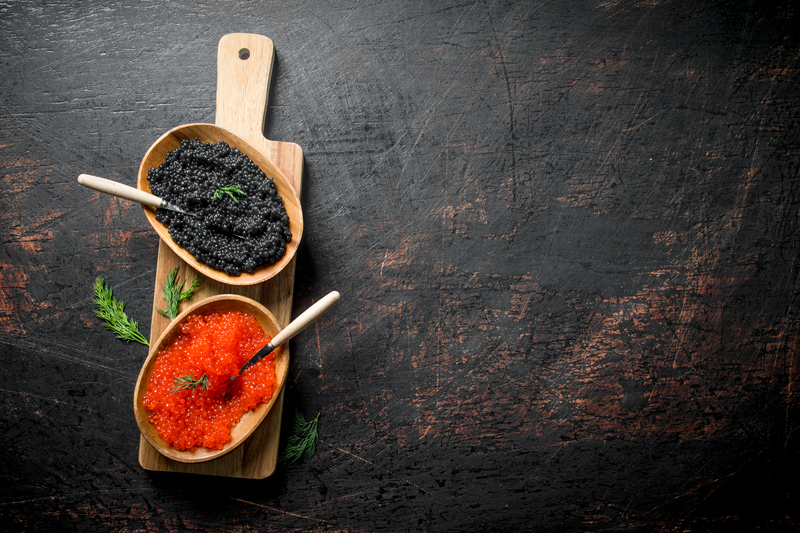

 Many people wonder if fish roe and fish eggs are the same thing when they see these terms on menus or at the grocery store.
Fish roe and fish eggs refer to the same thing—they are both terms for the unfertilized eggs found inside female fish.
The word “roe” is simply the culinary term used to describe these eggs, whether they are still inside the fish or have been removed for eating.
You might have noticed that some fish eggs are called caviar while others are just labeled as roe. This can make things confusing when you’re trying to understand what you’re actually buying or eating.
The differences come down to which type of fish the eggs come from and how they are prepared.
Understanding Fish Roe and Fish Eggs
 Fish roe and fish eggs refer to the same thing, though the terms get used in different contexts. The word “roe” specifically describes the egg masses found inside female fish and certain marine animals.
“Fish eggs” and “fish roe” mean the same thing and can be used interchangeably. Both refer to the fertilized or unfertilized eggs of fish.
The term “roe” is broader and can also describe eggs from other marine animals like shrimp, scallops, sea urchins, and squid, while “fish roe” specifically refers to eggs from fish species such as salmon, trout, tuna, mackerel, and flying fish.
The main difference lies in how the terms are used. “Roe” is the formal, technical, and culinary term commonly used in restaurants, recipes, and scientific contexts. “Fish eggs” is more informal and typically used in everyday conversation
This term has been the standard name for fish eggs across cultures and cooking traditions for many years. The word “roe” specifically refers to the fully ripe egg masses inside a fish’s ovaries or the eggs after they’ve been released.
When chefs, fishmongers, and food enthusiasts discuss fish eggs, they typically use the term “roe.” Different types of roe get specific names based on their source.
Salmon roe, for example, refers to eggs from salmon, while tobiko comes from flying fish. These specific names help identify the type, flavor, and texture you can expect.
The term “roe” comes from Middle English and has roots in old Germanic languages. This word became the established term for fish eggs in English-speaking countries centuries ago.
Professional and culinary contexts favor “roe” because it’s more precise and technical. The term helps distinguish between different preparations and types of fish eggs in cooking and food service.
When you order roe at a restaurant, the staff knows exactly what you mean. The word also helps separate regular fish eggs from processed products.
Caviar, for instance, is a specific type of roe that comes from sturgeon and goes through a curing process with salt. While all caviar is roe, not all roe qualifies as caviar.
Fish Roe Terminology and Classification
 Roe terminology covers different types of egg masses from fish and marine animals, with specific terms for eggs versus milt and distinctions between species.
The classification system separates hard roe (eggs) from soft roe (sperm) and extends beyond fish to include various marine creatures.
Fish Roe Terminology
You’ll encounter several terms when discussing fish eggs, but they all relate to the same basic concept. Fish roe and fish eggs mean the same thing – they both refer to the egg masses from fish.
The term “roe” specifically describes fully ripe egg masses found in the ovaries or those that have been released externally. When you see the word “roe” alone, it typically refers to fish eggs as a food product.
These eggs can be processed in different ways:
- Raw roe – fresh eggs used in dishes like sushi
- Salted roe – eggs preserved with salt
- Cured roe – eggs treated and aged, which becomes caviar when from sturgeon
- Smoked roe – eggs preserved through smoking
The specific name often changes based on the fish species. Salmon roe is called ikura in Japanese cuisine.
Pollock roe becomes tarako or mentaiko depending on preparation.
Hard Roe vs Soft Roe
Hard roe refers to the egg masses from female fish. This is what most people think of when they hear “fish roe” and what you eat in most dishes.
Hard roe contains the actual eggs that could develop into fish under the right conditions. Soft roe or white roe is completely different – it’s the milt or sperm from male fish, not eggs at all.
Despite the name including “roe,” soft roe has nothing to do with fish eggs. You won’t find soft roe in dishes like sushi or caviar.
The distinction matters when buying or ordering fish roe products. If you’re looking for fish eggs, you want hard roe.
Soft roe has its own culinary uses but serves a different purpose in cooking.
Roe in Marine Animals
Roe comes from more than just fish. You can find edible roe from various marine animals including shrimp, scallops, sea urchins, and squid.
Each type offers different flavors and textures for cooking. Sea urchin roe (called uni in Japanese) is orange to pale yellow and has a creamy texture.
This roe is popular in sushi and is considered a delicacy in Chile, Lebanon, and Japan. Shrimp roe appears in dishes across Asian cuisines.
Squid and cuttlefish roe provide rich sources of omega-3 fatty acids. The term “fish roe” technically only applies to fish eggs, but “roe” as a broader term includes all these marine animal eggs.
When you see products labeled simply as “roe,” check which species it comes from to know what you’re getting.
Fish Roe vs Fish Eggs Explained

Fish roe and fish eggs refer to the same thing, though the terms get used differently in cooking and biology. Both describe the egg masses that come from female fish and certain other sea animals.
Biological Differences
In biological terms, roe and fish eggs are identical. Roe refers to the fully developed, unfertilized egg masses found inside the ovaries of fish or released into the water.
The term applies to eggs from fish, shrimp, scallops, sea urchins, and squid. When scientists talk about roe, they mean the complete egg mass before fertilization occurs.
These eggs contain all the nutrients needed for a baby fish to develop if they become fertilized. You’ll find two types of roe in nature: hard roe and soft roe.
Hard roe consists of the actual eggs from female fish. Soft roe comes from male fish and contains sperm, though people rarely use this term when discussing fish eggs for eating.
Culinary Uses
In cooking, people use “roe” and “fish eggs” interchangeably, but context matters. Chefs and food sellers often use “roe” as the formal culinary term.
You’ll see it on restaurant menus and food packaging. Fish roe appears in many dishes around the world.
Sushi restaurants top rolls with bright orange salmon roe called ikura. Greek cooks blend fish roe into taramasalata, a creamy dip.
You’ll find roe used as a garnish, mixed into pasta, or served on crackers.
Common culinary applications:
- Sushi and sashimi toppings
- Taramasalata and spreads
- Pasta dishes and sauces
- Garnishes for seafood
- Appetizers on toast or blini
The price and availability of roe varies based on the fish species. Salmon, trout, herring, and mackerel roe cost less than sturgeon roe (caviar).
You can buy roe fresh, frozen, or cured with salt.
Fish Roe vs Fish Eggs Explained
The terms “fish roe” and “fish eggs” mean exactly the same thing. You can use either term correctly when talking about the eggs from fish and marine animals.
The only real difference is how formal the setting is. “Fish roe” sounds more technical and appears more often in culinary settings, scientific writing, and food industry contexts.
“Fish eggs” is the simpler, everyday term that anyone can understand immediately. Some people think eggs only come from birds like chickens or ducks.
This creates confusion when they hear about fish eggs. But eggs exist across many animal species, including fish.
The biological definition of an egg includes any reproductive cell that can develop into a new organism. When you’re shopping or ordering food, both terms work fine.
Your fishmonger will understand “fish eggs” just as well as “fish roe.”
Caviar and Other Types of Roe
 Not all fish roe is created equal, and caviar represents just one specific category within the broader world of fish eggs. Understanding the distinctions between caviar and other roe types helps you make informed choices about these nutrient-rich foods.
What Is Caviar?
Caviar is salt-cured roe that comes exclusively from sturgeon fish. In the United States and Canada, products labeled simply as “caviar” must contain sturgeon roe.
If you see roe from other fish species, it must include the fish name on the label, such as salmon roe or trout roe. The preparation process separates caviar from raw roe.
Producers harvest the eggs, rinse them to remove membranes, then lightly salt and cure them before packing into tins. This curing process gives caviar its distinctive taste and texture.
Three main sturgeon species produce the most valued caviar: beluga, oscietra, and sevruga. Beluga caviar is the most expensive and comes from the rarest sturgeon species.
These fish have a prehistoric appearance and feed on the bottom of rivers and seas. European regulations are stricter than North American ones.
In Europe, only sturgeon roe can be called caviar, while roe from other fish must be labeled as “caviar substitute.”
Other Notable Fish Roe Types
You’ll find many types of fish roe beyond caviar at markets and restaurants. Salmon roe, often called red caviar in Russian cuisine, features large, bright orange eggs with a mild, slightly sweet flavor.
Flying fish roe (tobiko) appears frequently in sushi restaurants as a crunchy garnish. Herring roe, known as kazunoko in Japan, is the most popular roe type in Japanese cuisine.
Cod and haddock roe are typically eaten cooked rather than raw. Trout roe offers a more affordable alternative to salmon roe with similar appearance and taste.
Crab roe from female mud crabs is highly prized in Southeast Asian cooking. Lumpfish roe provides a budget-friendly option that looks similar to caviar.
You can also find roe from whitefish, carp, and even sea urchins (uni), which technically qualifies as roe despite its creamy texture.
Nutritional Value of Roe and Caviar
Both roe and caviar pack substantial nutritional benefits into small servings. You get high-quality protein, omega-3 fatty acids, and vitamins B12 and D from these fish eggs.
A single ounce of caviar contains about 70 calories. The omega-3 content supports heart health and brain function.
Vitamin B12 helps maintain healthy nerve cells and red blood cells. Vitamin D aids calcium absorption and bone health.
Roe contains significant amounts of selenium, a mineral that supports thyroid function and acts as an antioxidant. You’ll also find iron, magnesium, and phosphorus in most fish eggs.
The sodium content can be high due to the salting process, especially in caviar. If you’re watching your salt intake, moderation is a good idea.
Preparation and Consumption of Fish Roe
 Fish roe can be eaten raw, cured with salt, or cooked using various methods. Different cultures have developed unique ways to prepare and serve roe, from simple salt curing to elaborate cooking techniques.
Raw and Cured Roe
Raw roe is safe to eat when it comes from fresh, high-quality fish that has been properly handled. You should only consume raw roe from trusted sources to avoid potential health risks.
Salt curing is the most common preservation method for fish roe. This process involves coating the eggs with salt, which draws out moisture and creates a firmer texture.
The salt also enhances the natural flavors of the roe. Some roe varieties are also cured with sugar, soy sauce, or other seasonings to create different flavor profiles.
The curing time can range from a few hours to several days depending on the desired result.
Common curing styles include:
- Light salt cure: Uses minimal salt for a delicate, fresh taste
- Heavy salt cure: Creates a longer shelf life and stronger flavor
- Brine cure: Soaks the roe in saltwater solution
Cooking Methods
You can cook fish roe in multiple ways to create different dishes. Pan-frying is popular because it creates a crispy outer layer while keeping the inside creamy.
Heat a small amount of oil or butter in a pan and cook the roe sacs for 2-3 minutes on each side. Grilling works well for larger roe sacs like cod or mullet roe, adding a smoky flavor and firming up the texture.
You can also steam roe to maintain its delicate texture and natural moisture. Baking roe in the oven at moderate temperatures allows for even cooking.
Some recipes call for breading the roe before cooking to add extra crunch. Poaching in broth or wine is another gentle method that keeps the eggs tender.
Serving Traditions
Different cultures have specific ways of serving fish roe. In Japan, you’ll find ikura (salmon roe) served over rice or as sushi.
Russians traditionally serve caviar on small pancakes called blinis with sour cream. Mediterranean cuisines often use bottarga, which is dried and cured fish roe grated over pasta or salads.
Greeks serve taramosalata, a creamy dip made from cured cod roe mixed with bread and olive oil. You can use roe as a garnish on eggs, potatoes, or vegetables—it adds a pop of color and a burst of briny flavor.
Some people spread it on crackers or toast points as an appetizer. Asian cuisines incorporate roe into dishes like mentaiko pasta or use it as a topping for rice bowls.
Sustainability and Responsible Sourcing
 The growing demand for fish roe has created serious environmental challenges that affect fish populations and ocean health. Understanding sustainable practices helps you make better choices when buying roe products.
Sustainable Harvesting
Sustainable roe harvesting protects fish populations while maintaining the availability of this food source. You should look for roe from fisheries that follow strict harvesting quotas and avoid collection during critical breeding periods.
Responsible operations time their harvests based on spawning cycles. They collect only what fish populations can naturally replace.
Many suppliers now use aquaculture methods to produce roe without impacting wild fish stocks.
Key sustainable practices include:
- Harvesting outside peak breeding seasons
- Following established catch limits
- Using selective fishing methods that reduce bycatch
- Monitoring fish population health regularly
Certification programs help you identify sustainable products. Look for labels from organizations that verify responsible harvesting methods.
These certifications ensure the roe you buy comes from sources that prioritize long-term ocean health.
Environmental and Economic Considerations
Overfishing for roe threatens certain fish species. This damages marine ecosystems in ways that can be hard to reverse.
When fish populations drop, food chains get disrupted. Other marine life that depends on these species is also affected.
Sustainable roe production brings economic benefits to fishing communities. Responsible aquaculture creates jobs while protecting wild stocks.
This approach helps the industry meet demand without exhausting natural resources. Still, it’s a delicate balance.
Your purchasing choices matter here. Selecting roe from certified sustainable sources supports fisheries that value proper management.
It also discourages harmful harvesting practices that damage ocean environments. The impact of these decisions stretches further than most realize.