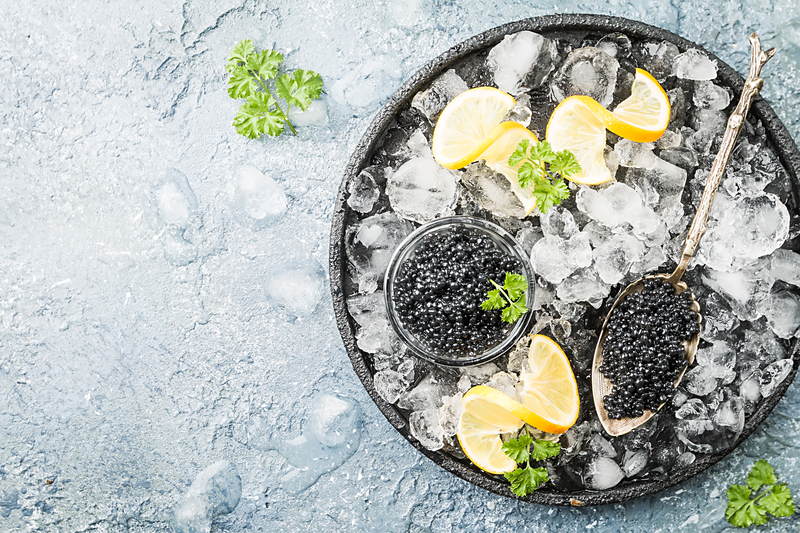

 Fish roe and caviar are often confused, but they’re not the same.
Caviar is a specific type of fish roe that comes only from sturgeon and is prepared using special salting and aging techniques, while fish roe is a general term for eggs from any fish species.
That difference matters when you’re shopping or ordering at a restaurant. Caviar typically costs much more than other types of roe.
You might have seen bright orange salmon eggs on sushi or noticed expensive tins of caviar at specialty stores. Both are fish eggs, but their sources, preparation methods, and prices tell very different stories.
Understanding what sets caviar apart from other roe helps you make better choices about what to buy and how to use it.
Is Fish Roe the Same as Caviar?
 Fish roe and caviar aren’t interchangeable, though caviar is technically a type of fish roe. The key distinction lies in the source fish and how the eggs are processed.
Defining Fish Roe and Caviar
Fish roe refers to eggs from any type of fish or certain aquatic animals. You’ll find roe from salmon, trout, lumpfish, capelin (masago), flying fish (tobiko), and many others.
These eggs vary in color—bright orange, deep red, even black—depending on the species. Caviar, on the other hand, comes only from sturgeon fish and must be harvested, cleaned, sorted, and cured with salt using traditional methods.
This process transforms raw sturgeon eggs into what the culinary world recognizes as true caviar.
When comparing roe vs caviar vs masago, the differences become clear:
- Roe: General term for all fish eggs
- Caviar: Salt-cured sturgeon eggs only
- Masago: Specific roe from capelin fish, commonly used in sushi
All caviar is roe, but not all roe qualifies as caviar. Sturgeon eggs are simply sturgeon roe until they go through the curing process that creates caviar.
The Role of Sturgeon in Caviar
Sturgeon are the only fish whose eggs can be called true caviar. The most prized varieties come from beluga, osetra, and sevruga sturgeon.
These fish grow slowly and take years to mature, which makes their eggs rare and valuable. Most premium caviar today comes from farms rather than wild populations, since wild sturgeon are endangered.
The farming process uses sustainable techniques to protect these ancient species while meeting demand. The eggs undergo a precise treatment called “malossol,” meaning “little salt” in Russian.
This method preserves the delicate flavor while preventing spoilage. The result is a product with buttery, nutty, or earthy notes that you just don’t find in other types of roe.
Legal and Regional Definitions
Many countries legally protect the term “caviar” to prevent misleading labels. In these places, only salted sturgeon eggs can be marketed as caviar.
Products labeled “salmon caviar” or “trout caviar” are technically misnomers, though stores commonly use these terms. The regulations ensure you know what you’re buying when you pay premium prices.
Some regions require specific labeling that identifies the sturgeon species, country of origin, and whether the product is wild or farm-raised. Enforcement varies by location.
The United States and European Union have stricter standards than other markets. These rules help protect both consumers and endangered sturgeon populations from illegal harvesting and false advertising.
Types of Fish Roe and Caviar

Fish roe comes from many species, each with distinct characteristics and price points. Sturgeon caviar represents the premium category, while other fish eggs offer more affordable options with their own unique flavors and textures.
Major Varieties of Roe
You’ll find roe from numerous fish species at markets and restaurants. Salmon roe features large, bright orange eggs with a mild, slightly sweet taste.
Trout roe looks similar but comes in smaller sizes. Masago is the roe from capelin fish, appearing tiny and crunchy, often dyed orange or red.
You’ll commonly see masago in sushi restaurants as a topping or garnish. Lumpfish roe provides an affordable caviar substitute and is often dyed black or red to mimic sturgeon caviar’s look.
Whitefish roe offers golden eggs with a mild flavor. Paddlefish roe resembles sturgeon caviar in taste and texture but costs less.
Tobiko comes from flying fish and has a distinctive crunch. It’s often flavored with wasabi or yuzu in Japanese cuisine.
Popular Sturgeon Caviar Varieties
Beluga caviar ranks as the most expensive type. It comes from beluga sturgeon and features large, pale grey to black eggs with a soft texture.
The fish must reach 60 to 100 years old before producing the highest quality roe. Osetra caviar has medium-sized eggs that range from light brown to dark brown.
It offers a nutty, creamy flavor that many consider the best balance of taste and value. Sevruga caviar contains smaller grey eggs and has a stronger, more intense flavor than beluga or osetra.
The fish matures faster, taking about seven years, which makes it more affordable than other sturgeon varieties. Sterlet caviar is rare and was once reserved for royalty.
It has small golden eggs with a delicate taste.
Processing and Preparation
 The way fish eggs are processed determines whether they become basic roe or premium caviar. Salt content and handling techniques separate everyday products from luxury items worth hundreds of dollars per ounce.
Curing and Salting Techniques
Roe processing typically involves straightforward methods. The eggs are cured or brined to add flavor and extend shelf life.
You’ll find roe that has been smoked, dried, or prepared with heavy seasoning to create bold tastes. Caviar production follows the malossol method, which uses only 3-5% salt by weight.
After harvesting, workers gently sieve the eggs and rinse them carefully. The light salting preserves the natural flavor without overwhelming it.
Too much salt can mask the subtle taste of quality sturgeon eggs. Caviar makers treat each batch delicately to maintain the eggs’ structure, since one rough motion can break the eggs and ruin an entire batch.
This careful approach helps explain why real caviar costs so much more than other fish eggs.
Quality Grading Systems
Caviar grades depend on egg size, color, firmness, and flavor. Grade 1 caviar has large, intact eggs with consistent color and a clean taste.
Grade 2 shows minor imperfections like uneven sizing or softer texture.
| Grade | Characteristics | Price Range |
|---|---|---|
| Grade 1 | Large, uniform eggs; firm texture; subtle flavor | Highest |
| Grade 2 | Slightly varied size; good texture; clear flavor | Moderate |
| Grade 3 | Mixed sizes; softer eggs; stronger taste | Lower |
Roe from salmon, trout, or flying fish doesn’t follow these strict standards. You’ll see it labeled by species name rather than grade.
The focus is on freshness and preparation style instead of the detailed characteristics that caviar experts evaluate.
Taste and Texture Comparison
 The taste and texture of fish roe and caviar differ in noticeable ways. Caviar delivers a smooth, buttery experience with nuanced flavors, while other fish roe tends to have bolder, less refined characteristics.
Fish Roe vs Caviar Taste
Caviar offers a rich yet delicate flavor profile that’s briny, slightly salty, and sometimes nutty. When you taste true sturgeon caviar, you’ll notice a mild oceanic quality with subtle complexity.
The texture is smooth and silky with a creamy, buttery finish that melts on your palate. Fish roe from non-sturgeon species typically has more intense, straightforward flavors.
The taste can be enjoyable but lacks the refined nuances that make caviar special. Most fish roe has a crunchier texture rather than caviar’s signature creaminess.
Caviar creates a distinct popping sensation when you roll it around your mouth. This burst releases layers of flavor gradually.
Other types of roe may feel gritty or sandy on your tongue and don’t provide the same silky mouthfeel.
Color and Appearance Factors
Sturgeon caviar ranges from pale gold to deep black, depending on the species. Beluga caviar tends toward lighter gray, while Osetra shows darker brown and gold tones.
The eggs are generally uniform in size and color within each tin. Fish roe appears in bright, bold colors.
Salmon roe (ikura) is bright orange-red with large, translucent eggs. Tobiko from flying fish comes in vivid orange, and manufacturers sometimes add dyes to create green, black, or red versions.
Masago from smelt is typically pale yellow-orange with very small eggs.
Culinary Uses and Serving Traditions

Caviar and fish roe appear in different settings and preparations based on their quality, price, and cultural traditions. Caviar typically requires minimal accompaniments to showcase its delicate flavor, while fish roe adapts to diverse cooking methods and cuisines.
Classic Ways to Serve Caviar
Caviar is traditionally served on a non-metallic spoon, such as mother-of-pearl or bone. Metal can react with the eggs and create an unpleasant metallic flavor.
You should serve caviar chilled on a bed of ice. The classic presentation includes simple accompaniments like blinis (small Russian pancakes), crème fraîche, and minced shallots or chives.
Some people prefer caviar on lightly toasted bread points or unsalted crackers. Traditional service also includes champagne or ice-cold vodka as beverage pairings.
These drinks cleanse your palate between bites without overpowering the caviar’s subtle taste. You might also find caviar served atop deviled eggs or alongside smoked salmon for upscale appetizer presentations.
Popular Dishes with Fish Roe
Fish roe works well in both raw and cooked preparations across many cuisines. In Japanese cooking, you’ll find tobiko and masago as colorful garnishes on sushi rolls or mixed into rice bowls.
Salmon roe (ikura) often appears in gunkan-maki sushi or scattered over rice. You can add fish roe to pasta dishes and risotto for bursts of salty flavor and texture.
Scrambled eggs become more luxurious with salmon roe folded in just before serving. Fish roe also enhances poke bowls, noodle dishes, and various sauces.
Many cooks use roe as a finishing touch on seafood platters or canapés. The eggs add visual appeal with their bright colors while providing a pleasant pop of flavor.
You can also mix roe into dips and salad dressings for extra depth.
Price, Rarity, and Status
 Caviar commands significantly higher prices than regular fish roe, with the difference rooted in scarcity, production challenges, and centuries of cultural prestige. The price gap between these two products can reach 40 times or more.
Why Caviar Is More Expensive
Real caviar comes only from sturgeon, a fish that takes years to mature before producing eggs. Most sturgeon species require 7 to 20 years to reach maturity, which means farmers wait decades before harvesting roe.
This long production cycle creates natural scarcity. The harvesting process requires specialized skills and careful timing.
Producers must extract the eggs at exactly the right moment to ensure proper texture and flavor. Each step demands precision, from selection to salt-curing.
Price comparison:
- Premium sturgeon caviar: $3,000 to $35,000 per kilogram
- Salmon roe: $50 to $200 per kilogram
- Tobiko (flying fish roe): $20 to $80 per kilogram
- Lumpfish roe: $15 to $50 per kilogram
The most expensive varieties come from rare sturgeon species like Beluga, which are now endangered in the wild.
Rarity and Luxury Status Explained
Caviar earned its luxury status through genuine scarcity rather than marketing alone. Wild sturgeon populations have declined dramatically, making their eggs increasingly rare.
Many countries now restrict or ban wild sturgeon fishing entirely. You’ll find caviar featured at high-end restaurants and luxury events because its limited supply naturally creates exclusivity.
The traditional association with royalty and wealth has remained strong for centuries. Fish roe from salmon, trout, or flying fish is more accessible because these fish mature quickly and produce eggs in larger quantities.
This abundance keeps prices lower and availability higher throughout the year.
Nutritional Value and Health Aspects
 Fish roe and caviar share similar nutritional foundations, but their specific nutrient profiles vary based on the fish species. Both provide high-quality protein, omega-3 fatty acids, and essential vitamins and minerals.
Nutrient Profile of Fish Roe
Fish roe delivers a concentrated source of nutrients in a small serving. You’ll get approximately 40-70 calories per tablespoon, depending on the fish species.
Key nutrients include:
- Protein: 4-6 grams per tablespoon
- Omega-3 fatty acids: Supports heart health and reduces inflammation
- Vitamin B12: Essential for nerve function and red blood cell formation
- Selenium: Acts as an antioxidant
- Iron: Important for oxygen transport in blood
Different fish species produce roe with varying nutrient concentrations. Salmon roe tends to be higher in certain vitamins, while other types may contain more minerals.
The color of the roe doesn’t indicate nutritional value. Processing methods like salting can affect the final nutrient content, particularly sodium levels.
Health Considerations of Caviar
Caviar contains more calories and fat compared to regular fish roe. A tablespoon provides roughly 70 calories, with higher protein and fat content but sometimes lower vitamin concentrations.
The main health concern with caviar is its sodium content. Salt-cured processing adds significant sodium, which you should monitor if you’re watching your salt intake.
Caviar contains more calcium, selenium, and choline than standard roe but less folate and phosphorus. You get important omega-3 fatty acids from caviar that support brain function and cardiovascular health.
The high-quality protein provides all essential amino acids your body needs. However, caviar’s high price and sodium content mean you should treat it as an occasional food rather than a regular protein source.
Frequently Asked Questions

Fish roe and caviar raise many questions about their differences in taste, price, and nutritional value.
Salmon roe stands apart from traditional caviar, and understanding these distinctions helps you make informed choices.
What are the differences in taste between fish roe and caviar?
Fish roe varies widely in taste depending on the species. Salmon roe offers a distinct, slightly salty flavor with a noticeable pop when you bite into it.
Flying fish roe (tobiko) has a crunchy texture and a slightly sweet taste. Caviar has a more complex flavor profile.
You’ll notice buttery and nutty notes with subtle saltiness and hints of the sea. Beluga caviar is creamy with delicate eggs, while Ossetra caviar has a walnut-like flavor.
The preparation method also affects taste. Caviar uses the malossol process, which means it contains little salt (typically 3-5% by weight).
This careful salting preserves the natural flavor without overpowering it.
Can you consume roe from any species of fish?
You can eat roe from many fish species, but not all fish eggs are suitable for consumption. Common edible roes include salmon, herring, capelin, and flying fish eggs.
Some fish roe may contain toxins or have unpleasant flavors. You should avoid roe from certain species that may carry health risks.
Always source your fish roe from reputable suppliers who follow proper harvesting and processing methods. The safety of fish roe depends on proper handling and storage.
Fresh roe should have a pleasant, slightly briny aroma and firm appearance.
Which is generally more expensive: roe or caviar?
Caviar costs significantly more than other types of fish roe. True caviar from sturgeon can range from hundreds to thousands of dollars per ounce, depending on the species and quality.
Fish roe offers more affordable options. Salmon roe can still be pricey, but it costs less than caviar.
Lumpfish roe and flying fish roe (tobiko) are among the most budget-friendly options. The price difference comes from several factors.
Sturgeon are rare and take years to mature. The harvesting and processing of caviar requires meticulous attention to preserve its delicate flavor and texture.
Are there any health benefits of consuming roe over caviar?
Both fish roe and caviar provide similar nutritional benefits. They are excellent sources of protein, omega-3 fatty acids, vitamin B12, vitamin D, and selenium.
You won’t find significant nutritional advantages of one over the other. Both contain high levels of essential nutrients that support heart health and brain function.
The main difference lies in the sodium content, which varies based on how much salt is used during processing. Both options are relatively high in cholesterol and sodium.
You should consume them in moderation if you have specific dietary concerns. The nutritional value depends more on the freshness and quality than whether it’s roe or caviar.
What distinguishes salmon roe from other types of caviar?
Salmon roe is not technically caviar. True caviar must come from sturgeon species only.
Salmon roe is fish roe, not caviar, despite sometimes being called “red caviar” in casual conversation. Salmon roe has larger eggs than most sturgeon caviar.
The eggs are bright orange or red with a translucent appearance. You’ll notice they pop distinctly in your mouth, releasing a burst of flavor.
The taste differs significantly from sturgeon caviar. Salmon roe has a more pronounced, saltier flavor compared to the subtle, buttery taste of traditional caviar.
The texture is also firmer and more robust.
How is caviar typically priced in comparison to common fish roe?
Caviar commands premium prices. Its rarity and luxury status drive the cost higher than most alternatives.
For mid-range sturgeon caviar, you might see prices from $50 to $200 per ounce. High-end Beluga caviar? That can easily reach $300 or more per ounce.
Common fish roe is much more accessible. Salmon roe usually falls between $15 and $40 per ounce.
Tobiko and masago are even more affordable, often ranging from $10 to $25 per ounce. This makes them practical choices for everyday meals or casual gatherings.
The price gap is significant, and it’s not just about branding. Sturgeon need anywhere from 7 to 20 years to mature before they produce eggs.
The harvesting and salting process for true caviar is meticulous, which certainly adds to the cost.