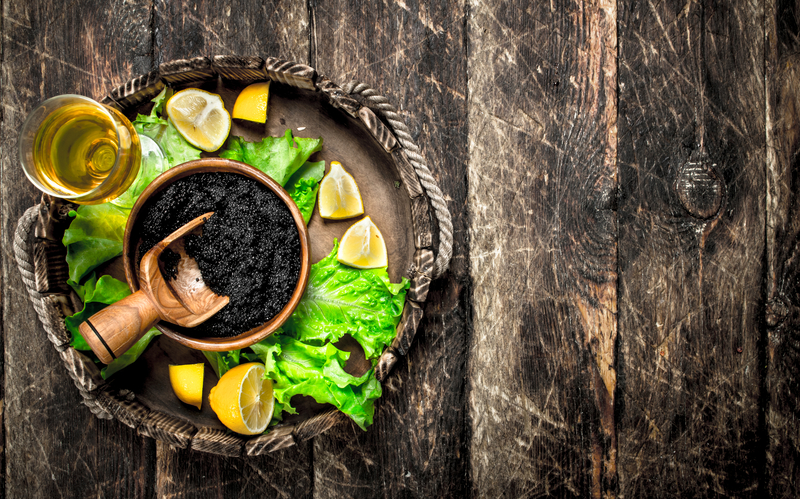

 Fish roe, also called fish eggs, has been enjoyed worldwide for centuries. You might recognize it as caviar or see it topping sushi rolls at restaurants.
Many people wonder if these tiny eggs are actually good for their health.
Fish roe is very healthy to eat because it contains high amounts of omega-3 fatty acids, protein, vitamin B12, and vitamin D in small servings.
These nutrients support your heart, brain, and immune system. Fish roe from salmon, trout, and herring all offer similar benefits.
However, there are some things you should know before adding it to your meals. This article covers what fish roe is, its nutrients, and how to enjoy it safely.
What Is Fish Roe?
 Fish roe is the mature, unfertilized eggs from fish and some marine animals. These nutrient-rich eggs are prepared in many ways across global cuisines.
From the high-end caviar of sturgeon to the bright orange salmon eggs on sushi, roe is quite versatile.
Types of Fish Roe
Not all fish roe is the same. The fish species affects the size, color, taste, and price of the eggs.
Salmon roe (ikura) features large, orange pearls with a distinctive pop. You’ll often find these on sushi or rice bowls.
Tobiko comes from flying fish and consists of tiny, crunchy eggs. Restaurants sometimes dye it orange, green, or black.
Masago is even smaller than tobiko. These capelin fish eggs are less expensive and appear frequently as sushi toppings.
Caviar refers specifically to sturgeon roe and is the most expensive type due to the rarity of the fish.
Other varieties include cod roe, herring roe, and trout roe. Each has its own texture and flavor. The nutritional content can also vary, with some types offering more omega-3 fatty acids than others.
How Fish Roe Is Prepared and Consumed
Most fish roe is cured with salt, which preserves the eggs and adds flavor. The salt level depends on the preparation method and can be quite high.
You can eat fish roe raw, which is common in Japanese cuisine. Sushi restaurants often serve it as a topping or filling.
It’s also eaten spread on crackers or blinis with cream cheese. Some preparations cook the roe, like in Greek taramosalata, which uses cured cod or carp roe blended into a dip.
Bottarga is dried and pressed fish roe, usually grated over pasta. Fresh roe needs refrigeration and only lasts a few days after opening.
Pasteurized versions in jars keep longer. Preparation methods affect both taste and safety.
Nutritional Profile of Fish Roe
 Fish roe delivers a concentrated package of nutrients in a small serving. A typical one-ounce portion provides high-quality protein, substantial omega-3 fatty acids, and several vitamins and minerals.
Protein Content and Quality
Fish roe offers about 6 to 7 grams of protein per ounce. This protein is complete, meaning it contains all nine essential amino acids your body can’t produce on its own.
The protein in fish roe is highly digestible. Your body can use it efficiently for muscle repair, immune function, and hormone production.
Because fish roe is so nutrient-dense, small servings provide a significant amount of protein. An ounce gives you about 12% of your daily needs.
The amino acid profile supports building muscle and maintaining healthy skin and hair.
Essential Vitamins and Minerals
Fish roe is one of the few natural foods rich in vitamin D. A one-ounce serving provides 40-60% of your daily vitamin D needs.
This vitamin is important for calcium absorption, bone health, and immune function. Fish roe can also provide over 100% of your daily B12 requirement in just one ounce.
B12 is needed for red blood cell formation, nerve function, and DNA synthesis. Other important nutrients in fish roe include:
- Selenium: 30-40% of daily needs, supporting thyroid function and antioxidant defense
- Choline: 100-150 mg per ounce, crucial for brain health and liver function
- Vitamin A: Supports vision, immune health, and skin integrity
- Iron: Helps transport oxygen throughout your body
Understanding Omega-3 Fatty Acids
Fish roe is high in omega-3 fatty acids. A one-ounce serving typically contains 1,000 to 1,500 mg, mostly EPA and DHA.
EPA and DHA are different from the omega-3s in plant foods like flaxseed. Your body uses EPA and DHA directly, making fish roe a more efficient source.
These omega-3s help reduce inflammation, support brain function, and protect your cardiovascular system. The high concentration in fish roe means you can meet much of your weekly omega-3 needs from just a few servings.
Omega-3 content varies between types of roe. Salmon roe usually has the highest levels, while masago contains moderate amounts.
Health Benefits of Eating Fish Roe
Fish roe provides health benefits due to its high concentration of omega-3 fatty acids, vitamins, and minerals. These nutrients help protect your heart, support brain function, strengthen your immune system, and maintain bone and eye health.
Benefits for Heart Health
Fish roe is good for heart health because of its omega-3 content, especially EPA and DHA. A single ounce can provide over 1,000 milligrams of omega-3s, surpassing daily recommendations for cardiovascular protection.
These omega-3s lower triglycerides in your blood, a major risk factor for heart disease. They also help reduce blood pressure and inflammation in your blood vessels.
Chronic inflammation damages arteries and contributes to atherosclerosis. Eating fish roe in moderation gives your heart the nutrients it needs to function well.
Supports Brain Function
Fish roe benefits brain health thanks to its high DHA content. DHA is a building block of brain tissue and makes up a large part of cell membranes in your brain.
Your brain needs DHA to send signals efficiently. Eating fish roe provides the materials your brain needs for memory, focus, and cognitive performance.
Fish roe also contains choline, important for memory formation and protection against cognitive decline. The combination of DHA and choline makes fish roe one of the best foods for brain health at any age.
Boosts Immune System
Fish roe supports your immune system with its vitamin D, selenium, and vitamin A content. These nutrients help your body defend against infections.
Vitamin D regulates how immune cells respond to threats. Many people don’t get enough vitamin D from food, but fish roe provides 40-60% of your daily needs in just one ounce.
Selenium acts as an antioxidant and supports thyroid function. Vitamin A helps maintain healthy skin and mucous membranes, which are your body’s first line of defense against pathogens.
Promotes Bone and Eye Health
Fish roe supports bones and eyes through vitamin D and omega-3s. Vitamin D is essential for calcium absorption, keeping bones strong and dense.
Your eyes benefit from the DHA in fish roe. DHA is a major structural part of the retina, helping protect against macular degeneration and dry eye syndrome.
Getting these nutrients from fish roe can be valuable, as they’re not always easy to find in other foods.
Cholesterol and Sodium in Fish Roe
Fish roe contains notable amounts of cholesterol and sodium. If you’re monitoring these in your diet, it’s important to know the specific levels.
Is Fish Roe High in Cholesterol?
Fish roe is high in cholesterol compared to many foods. A 100-gram serving contains 374 milligrams of cholesterol, and a tablespoon provides a substantial amount.
This means you should eat fish roe in moderation, especially if you’re watching your cholesterol intake. However, current research suggests dietary cholesterol from foods like fish roe doesn’t raise heart disease risk in healthy individuals as much as once believed.
The bigger concern is usually saturated fat, though fish roe has relatively low amounts—about half a gram per tablespoon. If you have specific health conditions or cholesterol concerns, consult your doctor about including fish roe in your diet.
Is Fish Roe High in Sodium?
Fish roe is high in sodium since it’s cured with salt. One tablespoon of sturgeon roe contains 240 milligrams of sodium, and a 100-gram portion can have 91 milligrams, depending on the type and preparation.
Sodium levels differ between varieties and brands. Some lower-sodium options are available at specialty stores or fish markets.
If you’re limiting sodium due to high blood pressure or other health reasons, be cautious with fish roe. The salt adds up, especially when served with other salty foods like crackers or blinis.
Potential Risks and Considerations
 While fish roe offers valuable nutrients, there are risks to consider. Allergic reactions, environmental contamination, and concerns for pregnant women require attention.
Allergies and Food Safety
Fish roe may trigger allergic reactions, especially if you have a shellfish or seafood allergy. Symptoms can range from mild hives and itching to severe anaphylaxis that needs immediate medical attention.
Common allergic symptoms include:
- Skin reactions (rashes, swelling)
- Digestive issues (nausea, vomiting)
- Respiratory problems (difficulty breathing)
- Anaphylactic shock (severe cases)
Raw fish roe brings risks from bacteria, parasites, and viruses. Improper handling or storage raises your chance of foodborne illness.
It’s best to buy fish roe only from reputable sources that follow food safety standards. Previously frozen roe cuts down parasite risks quite a bit.
Check that your roe has been kept at the right temperature and doesn’t show spoilage—like off-odors or odd colors.
Environmental Contaminants
Fish roe sometimes contains mercury and other heavy metals. This depends on the species and where it was sourced.
Larger predatory fish tend to accumulate more mercury in both their bodies and their eggs. Water pollution also affects the quality of fish roe.
Industrial chemicals, pesticides, and other toxins can collect in fish eggs over time. Researching the origin of your fish roe before buying is worthwhile.
Wild-caught roe from polluted waters poses higher contamination risks than farmed options. Roe from smaller fish species usually meanslower mercury exposure.
Check food safety advisories about specific fish species and their sources. These guidelines can help you decide which roe types are safer.
Pregnancy and Vulnerable Groups
Pregnant women should be extra careful with fish roe due to mercury content and infection risks. High mercury can harm a developing brain and nervous system.
Raw or undercooked roe raises the risk of listeria and other bacterial infections, which are especially dangerous during pregnancy. Avoid unpasteurized fish roe products if you’re pregnant.
Young children, elderly adults, and people with weakened immune systems are more vulnerable to contaminated fish roe. Their bodies just don’t handle foodborne pathogens as well.
If you’re in these groups, choose pasteurized roe or skip it entirely. It’s worth discussing with your doctor whether fish roe fits safely in your diet.
How to Choose and Incorporate Fish Roe in Your Diet
 Quality fish roe offers the best flavor and nutrition if you pick fresh, sustainably sourced products and store them right. You can enjoy fish roe in simple dishes or more creative recipes.
Selecting Quality and Sustainable Fish Roe
Fresh fish roe should have a clean ocean smell—not a strong fishy odor. Eggs should look firm and intact, not mushy or broken.
The color ought to be vibrant and match the type of roe you’re buying. Always check the packaging date and buy from suppliers who keep proper refrigeration.
Avoid roe that looks dry, discolored, or shows signs of leakage. Choose sustainably sourced options when possible.
Look for certifications from organizations like the Marine Stewardship Council. Salmon, herring, and trout roe tend to be more sustainable than sturgeon caviar.
Consider your budget when picking types. Salmon roe gives good nutritional value at a lower price than caviar.
Capelin roe (masago) and flying fish roe (tobiko) are affordable alternatives for regular use.
Safe Preparation and Storage Tips
Store unopened fish roe in the coldest part of your fridge, ideally between 28°F and 32°F. If your fridge runs warmer, place the container on ice.
Once opened, eat fish roe within 2-3 days for best quality and safety. Keep it covered to prevent drying out or absorbing other flavors.
Use clean utensils when serving to avoid contamination. Never use metal spoons with high-quality caviar, since that can affect the taste.
Frozen fish roe can last up to six months if stored properly. Thaw it slowly in the refrigerator overnight before use.
Don’t refreeze roe that’s already been thawed. Always check for spoilage before eating—discard any roe that smells off, looks slimy, or has changed color.
Creative Ways to Enjoy Fish Roe
Eat fish roe as a simple topping on crackers, blinis, or toast points. Add a small amount of crème fraîche for a touch of richness.
This traditional serving style really lets you experience the roe’s natural flavor. It’s a straightforward approach, but honestly, sometimes that’s all you need.
Add salmon roe to sushi rolls, poke bowls, or rice dishes for bursts of flavor and texture. Mixing it into pasta just before serving helps keep the eggs intact.
Use roe as a garnish for deviled eggs, potato dishes, or salads. Even a small spoonful brings visual appeal and a bit of extra nutrition.
Stir it into scrambled eggs at the last moment for a more luxurious breakfast. It’s a simple upgrade that makes a noticeable difference.
Start with 1-2 tablespoons per serving since roe is quite rich. Including it in your meals 2-3 times per week can fit nicely into a balanced eating plan.