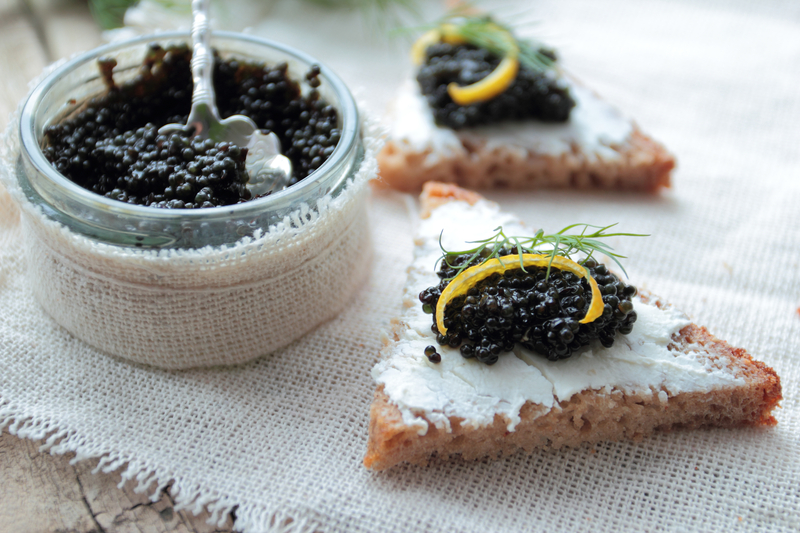

 Fish roe and caviar both come from fish eggs, but their prices are worlds apart.
Fish roe is typically much cheaper than caviar because it comes from more common fish species that are easier and faster to farm, while caviar comes only from rare sturgeon that take many years to mature.
The price gap between these two products can be significant. Some caviar costs more than 40 times the price of regular fish roe.
If you’ve ever wondered why salmon roe or other fish eggs are affordable, while true caviar is often out of reach, the answer is rooted in biology and scarcity. Sturgeon fish face unique challenges that make their eggs expensive to produce.
Understanding these differences helps you make more informed choices when shopping for fish eggs. Whether you’re planning a special meal or just want an everyday ingredient, it’s useful to know what sets caviar apart.
This article outlines the key differences between fish roe and caviar. We’ll look at pricing, popular varieties, taste, and practical considerations.
Understanding Fish Roe and Caviar
 Fish roe and caviar are both sourced from fish, but they’re not the same product. Caviar is a specific type of roe that comes only from sturgeon and undergoes a salt-curing process.
Roe, on the other hand, refers to eggs from any fish species. The distinction matters more than some might expect.
What Is Roe?
Roe is the term for unfertilized fish eggs from any type of fish. You can find roe from salmon, trout, flying fish, lumpfish, and many others.
These eggs can be served fresh, salted, or cooked, depending on the variety and preparation. Fish roe comes in different sizes, colors, and textures.
Salmon roe features large, bright orange eggs. Tobiko from flying fish has tiny, crunchy eggs that are popular in sushi.
The eggs can range from golden yellow to deep red or even black. Not all types of roe need salt-curing, and some are eaten fresh or prepared with other methods.
This flexibility makes roe a versatile ingredient in many cuisines. It’s easy to see why it’s become so popular worldwide.
What Is Caviar?
Caviar is salt-cured, unfertilized eggs that come exclusively from sturgeon fish. To be called caviar, the eggs must meet this strict definition.
The salt-curing process preserves the eggs and develops their distinctive flavor. Sturgeon species like Beluga, Osetra, and Sevruga produce the most prized caviar varieties.
These fish take years to mature before they can produce eggs. Some sturgeon don’t reach maturity until they’re 20 years old or more.
The eggs are carefully harvested, cleaned, and cured with salt. This traditional process requires skill and precision.
The result is a delicate product with a complex, buttery taste and a smooth texture. It’s a process that leaves little room for shortcuts.
True Caviar Versus Fish Roe
The main difference between true caviar and fish roe lies in the source fish and preparation. Only salt-cured sturgeon eggs qualify as real caviar.
All other fish eggs fall under the broader category of roe. This distinction is more than just tradition; it’s about quality and rarity.
Key Differences:
- Source: Caviar comes from sturgeon only; roe comes from any fish
- Processing: Caviar requires salt-curing; roe may be fresh, salted, or cooked
- Flavor: Caviar has a refined, buttery taste; roe flavors vary by fish species
- Texture: Caviar offers a smooth, delicate pop; roe textures range from soft to crunchy
Products labeled as “salmon caviar” or “trout caviar” are technically fish roe, not true caviar. The term “caviar” gets used loosely in marketing, but traditional standards reserve it for sturgeon eggs alone.
Why Is Fish Roe Cheaper Than Caviar?
 Fish roe costs significantly less than caviar due to how these products are sourced and regulated. The price gap comes down to three main factors: the abundance of the fish, how long they take to produce eggs, and government rules that protect sturgeon.
Abundance and Availability
Most fish roe comes from species much more plentiful than sturgeon. Salmon, trout, capelin, and flying fish are found in large numbers in oceans and rivers worldwide.
These fish reproduce quickly and are found in many regions. Wild sturgeon populations, however, have been declining for decades.
Overfishing nearly drove these species to extinction in their natural habitats. The sturgeon species that produce the most valuable caviar survive only in specific areas.
Their limited natural habitats make them harder to find and more vulnerable. Farmed caviar production requires more resources than farming other fish for roe.
Most non-sturgeon species are smaller and need less food and space to grow. Salmon and other common fish can be farmed in various climates and conditions.
This widespread availability keeps production costs low. Fish roe remains accessible to more buyers as a result.
Harvesting and Maturity Time
Sturgeon take much longer to reach maturity than other fish. Most sturgeon species need 7 to 10 years before they can produce eggs.
Some varieties take even longer, requiring up to 20 years. Fish that produce red caviar and other roe varieties mature much faster.
Salmon and trout can reach maturity and produce roe in 2 years or less. That’s four times faster than the average sturgeon.
The long wait for sturgeon to mature means farmers invest years before seeing any return. During this time, they face ongoing costs for water systems, feed, and maintenance.
Fish that mature quickly allow producers to bring products to market sooner. That makes a noticeable difference in price at the store.
Regulations and Protection of Sturgeon
The U.S. Department of Fish and Wildlife places strict restrictions on sturgeon fishing and farming. These regulations exist because wild sturgeon are endangered or threatened in most regions.
Some sturgeon species face complete bans on caviar sales to protect remaining populations. You won’t find the same level of regulation on other fish roe.
Governments don’t restrict salmon, capelin, or flying fish roe because these species aren’t at risk. Producers can harvest and sell these products with fewer permits and less oversight.
The combination of scarcity and strict government control makes the price of caviar significantly higher than other roe. These regulations add compliance costs for producers and limit supply.
Comparing Prices: Fish Roe vs. Caviar
 Fish roe costs significantly less than caviar, with price differences that can be dramatic. The gap between basic roe and premium caviar can reach more than 40 times in cost per ounce.
How Much Does Fish Roe Cost?
Basic fish roe is an affordable option for most shoppers. Salmon roe typically ranges from $15 to $40 per pound.
Tobiko (flying fish roe) costs around $20 to $50 per pound at most markets. Lumpfish roe sits at the lower end of the price spectrum, often available for $10 to $25 per pound.
Trout roe falls in a similar range, usually between $12 and $30 per pound. Most varieties stay well under $50 per pound, even at specialty retailers.
Typical Caviar Prices
Caviar prices start where fish roe prices end. Standard Osetra caviar begins around $80 to $120 per ounce at most shops.
A single ounce gives you roughly two tablespoons of product. Beluga caviar commands the highest prices, often $200 to $400 per ounce.
Some rare batches exceed these amounts. Kaluga caviar offers a middle ground between Osetra and Beluga, typically $100 to $200 per ounce.
This variety comes from a sturgeon species closely related to Beluga. White sturgeon caviar provides a more budget-friendly entry point, with prices from $50 to $80 per ounce.
Premium and Specialty Varieties
Premium caviar grades push prices even higher. Golden Osetra, a rare color variant, can reach $300 per ounce.
Imperial grades of any caviar type add 30% to 50% to base prices. Age and processing method affect cost significantly.
Malossol caviar (lightly salted) costs more than heavily salted versions. Older sturgeon produce larger, more expensive eggs.
Wild-caught caviar commands premium pricing when available legally. Farm-raised options cost less but still maintain high prices compared to regular fish roe.
Limited production runs and seasonal availability create price spikes. Some specialty batches sell for over $500 per ounce during peak demand periods.
Price Drivers and Market Factors
Sturgeon rarity drives the core price difference. These fish take 8 to 20 years to mature before producing eggs.
Most other fish species mature in 2 to 4 years. Production costs add substantial markup to the price of caviar.
Sturgeon farming requires specialized facilities and careful monitoring. Processing demands precise techniques to preserve delicate eggs.
Sustainable aquaculture practices have stabilized some prices. You’ll find more consistent pricing from established farms than from wild sources.
Regulations on wild sturgeon fishing limit supply and maintain high costs. Market demand keeps caviar prices elevated.
Its luxury status and limited availability create competition among buyers. Fish roe faces less demand pressure, keeping costs accessible.
Popular Types of Fish Roe and Caviar
 Fish roe comes in many varieties, each with distinct flavors, textures, and price points. Salmon roe, trout roe, lumpfish roe, masago, and tobiko are among the most common types you’ll find at restaurants and markets.
Salmon Roe (Ikura)
Salmon roe, or ikura in Japanese cuisine, features large, bright orange eggs about 5-8 millimeters in diameter. These eggs deliver a distinctive pop when bitten, releasing a rich, briny flavor.
You’ll often find ikura at sushi restaurants served over rice or as a garnish. The eggs have a translucent appearance and a glossy finish.
This red roe costs less than sturgeon caviar but more than many other fish roe options. Salmon roe provides a good source of omega-3 fatty acids and protein.
The bold flavor works well with mild ingredients like cream cheese or plain rice. Many consider ikura an approachable introduction to fish roe thanks to its taste and texture.
Trout Roe
Trout roe looks similar to salmon roe but comes in smaller eggs, typically 2-3 millimeters in diameter. The eggs range from bright orange to deep red in color.
These tiny pearls offer a milder, slightly sweet flavor compared to salmon roe. The texture is delicate, and the eggs burst easily in your mouth.
You can use trout roe as a garnish for appetizers, mixed into pasta dishes, or served on crackers. It costs less than salmon roe and provides an affordable way to add visual appeal to your dishes.
Lumpfish Roe and Masago
Lumpfish roe comes from small fish found in cold northern waters. The eggs are tiny and often dyed black, red, or orange to mimic more expensive caviar.
This roe is one of the most affordable options available. Masago comes from capelin fish and features small, crunchy eggs typically orange or yellow in color.
The eggs measure less than 1 millimeter across. You’ll frequently see masago at sushi restaurants as a topping or mixed into rolls.
Both lumpfish roe and masago have mild, slightly salty flavors. They work well as garnishes because they add texture and color without overpowering other ingredients.
These budget-friendly options let you enjoy fish roe without spending much money.
Flying Fish Roe (Tobiko)
Tobiko, or flying fish roe, consists of small, crunchy eggs about 0.5-0.8 millimeters in diameter. The natural color is orange-red, but you’ll also find tobiko dyed green with wasabi, black with squid ink, or yellow with yuzu.
The texture sets tobiko apart from other fish roe. The eggs have a firm, crunchy exterior that creates a satisfying snap when you bite down.
The flavor is mildly sweet and smoky with a hint of saltiness. Sushi chefs use tobiko to coat the outside of California rolls and other maki.
You can also find it as a topping for nigiri or mixed into spicy mayo sauces. Tobiko costs more than masago but less than salmon roe, making it a mid-range option for adding sophistication to your dishes.
Flavor, Texture, and Culinary Use
 Roe and caviar differ significantly in their taste profiles and textures. This influences how chefs and home cooks use them in dishes.
Taste Profiles: Roe vs. Caviar
Caviar delivers a refined, buttery flavor with a delicate brininess that melts on your tongue. The eggs pop gently when you bite them, releasing a subtle, creamy taste that doesn’t overpower other ingredients.
Sturgeon caviar has less saltiness compared to most other types of roe. Fish roe typically offers a bolder, more pronounced ocean flavor.
Salmon roe (ikura) tastes noticeably briny and slightly sweet with larger eggs that burst more dramatically in your mouth. Tobiko and masago provide a crunchy texture with a sharper, saltier roe taste that stands out in dishes.
The texture differences matter for how you experience these foods. Caviar feels smooth and velvety, while most roe varieties have a firmer pop and more resistance when you bite down.
Culinary Traditions and Serving Styles
Caviar follows strict serving traditions in fine dining. You should serve it chilled in a non-metal bowl with mother-of-pearl or bone spoons, since metal can alter the taste.
Traditional accompaniments include blinis (small Russian pancakes), crème fraîche, minced onions, and hard-boiled eggs. Many people eat caviar plain to appreciate its pure flavor.
Fish roe appears in more casual and diverse preparations. Japanese cuisine uses ikura in sushi and rice bowls.
Chefs mix masago and tobiko into rolls or sprinkle them on top for color and crunch. Mediterranean cooking incorporates roe into spreads like taramosalata.
You can add salmon roe to pasta, scrambled eggs, or potato dishes without the formality that caviar requires.
Pairings and Presentation
Caviar pairs best with champagne, vodka, or dry white wines that won’t compete with its delicate taste. You serve it in small portions, typically by the ounce, on simple crackers or toast points.
The presentation emphasizes elegance and restraint. Fish roe works with bolder pairings.
You can combine it with soy sauce, wasabi, and rice in Asian dishes. It adds visual appeal with bright orange, red, or black colors that make plates more attractive.
Roe complements cream cheese, avocado, and citrus flavors in modern fusion cooking. The larger portions and lower price point let you use roe more generously as a garnish or ingredient rather than the star of the dish.
Nutrition, Sustainability, and Consumer Considerations
 Both fish roe and caviar pack impressive nutrients, but their environmental impact and price points differ. Understanding these factors helps you make informed choices that align with your budget, health goals, and values.
Nutritional Benefits
Fish roe and caviar both deliver dense nutrition in small servings. You get complete protein, omega-3 fatty acids (EPA and DHA), vitamin B12, vitamin D, choline, and selenium from either option.
Caviar typically contains 70-80 calories per ounce with 5-7 grams of protein. It’s especially rich in iron, providing 35-40% of your daily needs.
Fish roe from salmon, trout, or masago offers 40-50 calories per ounce with 3-6 grams of protein and higher levels of vitamin D (17-19% daily value versus caviar’s 3-6%). Some varieties of fish roe contain over 1,000 milligrams of omega-3 fatty acids per ounce, which exceeds daily recommendations for heart health.
The omega-3s support cardiovascular function, brain health, and reduce inflammation. Both options provide similar amounts of choline, an essential nutrient for brain development and liver function.
Sustainability and Responsible Sourcing
Wild sturgeon populations have declined drastically due to overfishing and habitat loss. This has pushed most caviar production toward aquaculture.
Farmed caviar now dominates the market and helps protect endangered sturgeon species. Many caviar farms use no-kill extraction methods, allowing sturgeon to produce roe multiple times.
These sustainable practices reduce environmental impact. Fish roe from abundant species like salmon, capelin, and flying fish generally has less environmental concern.
When buying either product, look for certifications that indicate responsible sourcing. Farmed options from regulated facilities typically offer better sustainability than wild-caught alternatives.
Choosing Between Fish Roe and Caviar
Your decision really comes down to three things: budget, taste, and how you plan to use it.
Caviar is priced anywhere from $900 to $30,000 per kilogram. Fish roe, on the other hand, usually falls between $60 and $400 per kilogram.
If you’re looking for something for everyday meals or to sprinkle on top of dishes, salmon roe or masago are both solid choices. They offer good nutrition and don’t break the bank.
Their bright colors and gentle flavors make them easy to add to sushi, salads, or appetizers. Caviar, with its complex nutty and buttery notes, feels more suited to those rare occasions when you want to impress or savor something truly refined.
Both fish roe and caviar offer similar health benefits. You aren’t missing out on nutrition by picking a more affordable option.