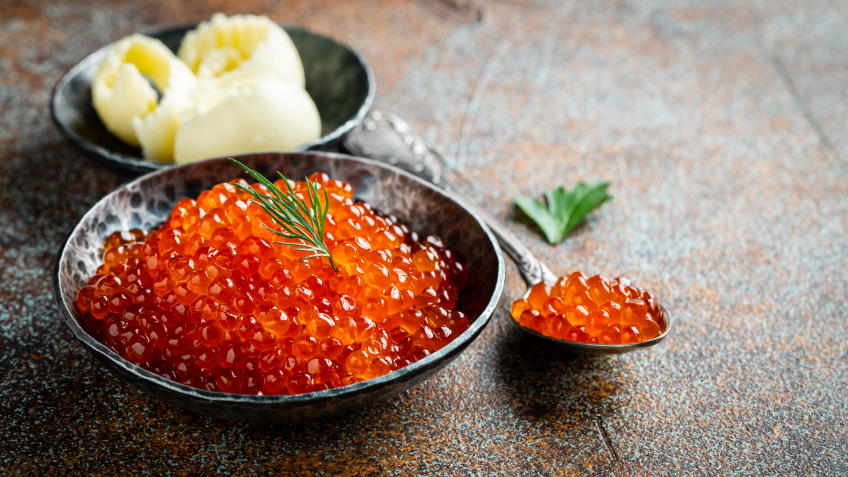


Fish roe, the tiny eggs harvested from various fish species, has gained attention as a possible superfood in recent years. You might have seen these bright orange or black pearls topping sushi rolls or served as expensive caviar.
But does this delicacy really deserve superfood status?
The short answer is yes—fish roe qualifies as a superfood based on its dense concentration of essential nutrients, including complete protein, omega-3 fatty acids, vitamin B12, vitamin D, choline, and selenium.
A single serving can deliver several hundred percent of your daily vitamin B12 needs and over 1000 milligrams of omega-3s, which exceed standard recommendations for heart health.
However, before you start adding fish roe to every meal, you should understand both the benefits and the drawbacks.
This article will walk you through what fish roe actually is, examine its nutritional profile, explore the science-backed health benefits, and help you make informed decisions about whether this nutrient-dense food belongs in your diet.
What Is Fish Roe?
 Fish roe refers to the fully ripened egg masses found inside female fish and certain marine animals. These eggs come in different sizes, colors, and textures depending on the species.
They serve as a nutrient-dense ingredient in cuisines worldwide.
Types and Sources of Roe
You can find roe from dozens of fish species, each offering unique characteristics. Salmon roe, called ikura in Japanese cuisine, features large, bright orange eggs with a delicate pop.
Flying fish roe, known as tobiko, appears smaller with a distinctive crunch and comes in orange, red, or even green varieties.
Capelin roe, or masago, gives you tiny yellow-orange eggs often used as a more affordable alternative to tobiko.
Cod roe appears in two main forms: tarako (salted cod roe) and mentaiko (spicy cod roe), both popular in Japanese cooking.
Sturgeon produces the eggs used for traditional caviar. Sea urchin roe, called uni, offers a creamy texture unlike other types.
Bottarga consists of dried and cured fish roe, typically from mullet or tuna, and appears as a solid block you can grate over dishes.
Caviar vs. Fish Roe Explained
True caviar comes only from sturgeon eggs that have been salt-cured. All caviar is fish roe, but not all fish roe qualifies as caviar.
The high price of sturgeon caviar reflects the species’ long maturation period and declining populations.
Red caviar refers to salted salmon roe, though it technically isn’t caviar by strict definition.
You’ll find this term used commonly in Russian and Japanese markets. Other fish eggs maintain their species-specific names or simply get called roe or fish eggs when served.
Culinary Uses Around the World
You can enjoy roe as both a cooked ingredient and a raw delicacy. In Japanese cuisine, ikura tops sushi rice, while tobiko and masago appear in maki rolls and as garnishes.
Tarako and mentaiko mix into pasta dishes or spread on rice. Mediterranean cooks grate bottarga over pasta or vegetables for a salty, umami punch.
Scandinavian tables feature roe spreads on crackers and bread. Russian cuisine serves caviar with blinis and sour cream.
You’ll find roe adding briny flavor, visual appeal, and textural contrast across global dishes. The eggs work as garnishes, mix into sauces, or stand alone as a featured ingredient.
Nutritional Benefits of Fish Roe
 Fish roe stands out as a nutritionally dense food that provides concentrated amounts of protein, omega-3 fatty acids, and essential vitamins and minerals.
Each small serving delivers nutrients that support multiple body systems and functions.
High-Quality Protein and Essential Amino Acids
Fish roe provides complete protein that contains all nine essential amino acids your body cannot make on its own. A single ounce of fish roe gives you about 6 to 7 grams of this high-quality protein.
This complete protein profile means your body gets the building blocks it needs for muscle repair, hormone production, and enzyme function. The protein in fish roe is highly bioavailable, so your body can easily absorb and use it.
The essential amino acids in fish roe support tissue growth and immune function. Unlike plant proteins that often lack one or more essential amino acids, fish roe provides them all in one compact source.
Omega-3 Fatty Acids: DHA and EPA
Fish roe contains exceptionally high levels of omega-3 fatty acids, particularly DHA (docosahexaenoic acid) and EPA (eicosapentaenoic acid).
A single ounce can provide 1,000 to 1,500 mg of these omega-3s, which often exceeds daily recommended amounts for heart health.
DHA serves as a structural component of your brain and retina. It maintains cell membrane fluidity in your brain, which is necessary for proper signal transmission.
EPA works to reduce inflammation throughout your body and supports cardiovascular function.
Fish roe also contains choline and phospholipids that work together with omega-3s. Choline supports brain development, memory, and liver function.
Phospholipids help your body absorb and use the omega-3 fatty acids more effectively.
Rich Source of Vitamins and Minerals
Fish roe delivers substantial amounts of vitamins and minerals that are hard to find in other foods. Vitamin B12 content is particularly high, with one ounce providing over 100% of your daily needs.
This vitamin is essential for red blood cell formation and neurological function. Vitamin D is another standout nutrient in fish roe, offering 40 to 60% of your daily value per ounce.
Few foods naturally contain vitamin D in meaningful amounts. The mineral content includes selenium, a powerful antioxidant that protects cells from damage.
Fish roe also provides zinc, iron, phosphorus, calcium, and iodine in varying amounts. Selenium supports thyroid function and immune health.
Iron helps carry oxygen in your blood, while phosphorus and calcium support bone strength.
Fish Roe as a Superfood: Evidence-Based Health Benefits
 Fish roe provides high concentrations of omega-3 fatty acids (EPA and DHA), complete proteins, and essential vitamins that support multiple body systems.
These nutrients work together to protect your heart, enhance brain function, and strengthen your bones and immune defenses.
Cardiovascular and Heart Health
The omega-3 fatty acids in fish roe, specifically EPA and DHA, directly benefit your cardiovascular system. These fats help reduce inflammation in your blood vessels and lower triglyceride levels.
Regular consumption of omega-3s can decrease your risk of heart disease. Some varieties of fish roe contain over 1000 milligrams of omega-3 fatty acids per ounce, which exceeds the daily recommendations for heart health.
Fish roe also provides choline, a nutrient that helps maintain healthy cholesterol metabolism. The combination of omega-3s and choline supports proper blood flow and helps regulate blood pressure.
Brain and Cognitive Function
DHA, one of the main omega-3s in fish roe, is a primary structural component of your brain tissue. Your brain needs DHA to maintain cell membrane integrity and support communication between neurons.
Fish roe supports brain development in children and helps maintain cognitive function as you age. The high concentration of omega-3s may improve memory, focus, and mental clarity.
These same nutrients also support eye health since DHA is found in high concentrations in your retina. Choline in fish roe converts to acetylcholine, a neurotransmitter essential for memory and learning.
The complete protein profile provides amino acids like lysine that your brain needs for neurotransmitter production.
Bone and Immune System Support
Fish roe delivers vitamin D and selenium, two nutrients critical for bone density and immune function. Vitamin D helps your body absorb calcium and supports bone mineralization.
The vitamin B12 content in fish roe strengthens your immune system by supporting white blood cell production. This vitamin also plays a role in maintaining bone marrow health, where immune cells are formed.
Selenium acts as an antioxidant that protects your immune cells from oxidative damage. The iodine in fish roe supports thyroid function, which regulates metabolism and indirectly affects bone health.
Together, these minerals and vitamins create a strong foundation for your body’s defense and structural systems.
Potential Downsides and Dietary Considerations
 Fish roe contains high sodium levels and cholesterol that can affect your health. You also need to watch for heavy metals and potential allergic reactions.
Sodium Content and Blood Pressure
Salted roe can contain 300-500 milligrams of sodium per ounce. This amount represents about 20% of the recommended daily limit of 2,300 milligrams.
If you have high blood pressure or are watching your sodium intake, you need to be careful with fish roe consumption. The salt used in processing and preserving roe significantly increases its sodium content.
Fresh roe generally contains less sodium than cured or processed varieties.
High-sodium foods affect your body by:
- Causing your body to retain water
- Increasing blood volume
- Raising blood pressure levels
You can reduce sodium exposure by choosing fresh roe over salted versions. You should also account for the sodium in roe when planning your daily meals.
Cholesterol, Heavy Metals, and Allergens
Fish roe contains approximately 300-400 milligrams of cholesterol per 100 grams. This puts it among the higher-cholesterol foods you can eat.
If you have high cholesterol or heart disease, you should limit your roe consumption. Ocean fish can accumulate mercury and other heavy metals in their eggs.
Larger fish species typically carry higher contamination levels. You should choose roe from smaller fish species like salmon or trout to minimize exposure.
Fish roe can trigger severe allergic reactions in people with seafood allergies. The proteins in fish eggs differ from fish flesh, but cross-reactivity occurs in many cases.
You must avoid roe completely if you have a diagnosed seafood allergy.
Varieties and Choosing Quality Fish Roe
 Fish roe comes in many types, each with distinct flavors, textures, and price points. Knowing the differences between varieties and how to spot quality products helps you make better choices for both taste and sustainability.
Popular Types: Salmon, Capelin, Sturgeon, and More
Salmon roe, also called ikura or red caviar, features large, bright orange eggs with a mild, slightly sweet taste. The eggs pop easily in your mouth and work well in sushi, on toast, or as a garnish.
You can find salmon roe at most grocery stores at reasonable prices.
Sturgeon roe is the only fish egg legally called caviar in many countries. This luxury option has small, delicate eggs that range from black to golden brown.
The flavor is buttery and complex. Prices can reach hundreds of dollars per ounce.
Capelin roe, sold as masago, consists of tiny orange or red eggs smaller than a grain of sand. It has a mild, slightly smoky flavor and crunchy texture.
Masago appears frequently in sushi rolls and costs much less than other varieties.
Tobiko comes from flying fish roe and has slightly larger eggs than masago. The natural color is orange, but you often see it dyed green, black, or red.
It has a subtle smoky taste and a satisfying crunch.
Other notable varieties include uni (sea urchin roe with a creamy, ocean-forward taste). There’s also bottarga, which is salted, dried fish roe from mullet or tuna.
Sustainable Roe Harvesting and Sourcing
Fresh, high-quality roe shows vibrant color without dullness or discoloration. The eggs should look glossy and separate easily rather than appearing mushy or clumped together.
Avoid roe with an overly fishy or sour smell.
Look for roe from fisheries certified by the Marine Stewardship Council or Aquaculture Stewardship Council. These labels indicate the product comes from well-managed fish populations.
Wild-caught salmon roe from Alaska and farmed sturgeon caviar from responsible producers offer more sustainable options than wild sturgeon caviar, which comes from endangered species.
Check the ingredient list for additives. Quality roe contains only fish eggs and salt.
Buy from reputable seafood markets or specialty stores that can tell you where and how the roe was harvested.
How to Incorporate Fish Roe Into Your Diet Safely
 Fish roe requires proper handling and smart serving choices to maximize its nutritional benefits while avoiding potential risks. Start with small portions of 1-2 ounces and choose high-quality sources from reputable suppliers.
Serving Suggestions and Culinary Tips
You can add salmon eggs directly to sushi rolls, poke bowls, or rice dishes for a burst of flavor and nutrition. Spread fresh roe on crackers or toast points as an appetizer.
Mixing roe into scrambled eggs gives a protein boost at breakfast. Try sprinkling tobiko or masago over salads to add texture and omega-3s.
Fold roe into cream cheese or sour cream for a spread on bagels or vegetables. For a simple approach, place a small spoonful on cucumber slices or use it to top deviled eggs.
Dried roe works well when grated over pasta dishes or mixed into rice for added umami flavor. Heat can destroy some of the nutritional benefits of fish roe, so eat it raw or lightly warmed when possible.
Start with milder varieties like masago if you’re new to fish roe. Then, if you like, try stronger-flavored options.
Proper Storage and Handling
Keep fresh fish roe refrigerated at 32-39°F. Consume it within 2-3 days of opening.
Store unopened containers in the coldest part of your refrigerator. Avoid placing them in the door, since temperature changes there more often.
You can freeze fish roe for up to 3 months. Just be aware this might slightly change the texture—some people find it less appealing after thawing.
Thaw frozen roe overnight in the refrigerator. Never thaw at room temperature, as that’s not safe.
Before eating, check for any off smells or discoloration. Spoiled roe can cause food poisoning, so when in doubt, it’s better to discard it.
Always purchase from trusted sources that follow proper food safety standards. Pregnant women should avoid raw or unpasteurized fish roe due to bacteria risks.
Wash your hands and utensils thoroughly before and after handling roe. Use clean spoons when serving to keep the rest of the product safe.
Keep roe away from other raw foods in your refrigerator. This helps reduce the risk of cross-contamination.