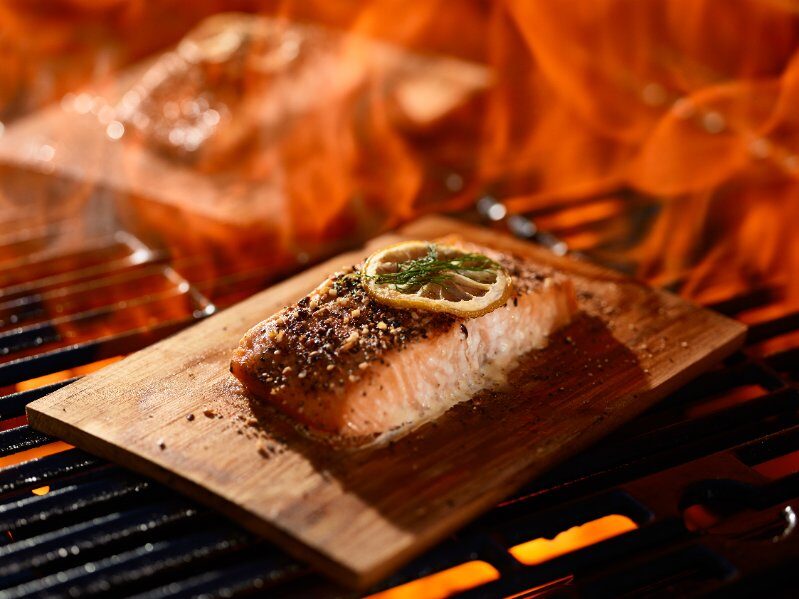


Cedar plank grilling brings a smoky, sweet note to your food and always looks great at a backyard gathering. This approach, rooted in Native American traditions from the Pacific Northwest, is now a favorite among home cooks searching for new ways to prepare fish, vegetables, and meats.
But as it becomes more popular, it’s worth asking if this method actually fits with your health goals.
Cedar plank grilling can be a healthy cooking method when you stick to proper safety guidelines, since it keeps food moist and flavorful without needing extra oils or fats.
The cedar wood gives off natural flavors while soaking up some excess fat. Still, it’s important to weigh both the benefits and the possible risks before you get started.
This guide covers what you’ll need to know about cedar plank grilling and health. You’ll see the differences in cedar woods, how the method stacks up against other grilling techniques, and what steps help you grill safely while making the most of the advantages.
Understanding Cedar Plank Grilling

Cedar plank grilling uses wood planks to add flavor and help food stay moist. This method has roots in Native American cooking and is now common in home grilling.
What Is Cedar Plank Grilling?
Plank grilling means you place food on a cedar wood plank and cook it over heat. You’ll need to soak the plank in water first—this keeps it from burning and helps create steam as you cook.
As the cedar heats, it releases oils and compounds like cedrol and thujone. These give food a smoky, slightly sweet flavor. The plank also acts as a barrier, so food isn’t exposed directly to the heat.
The steam from the soaked plank keeps food tender and helps prevent it from drying out. Some excess fat and oil are absorbed into the wood during cooking.
You’ll put the soaked plank right on the grill grates, then set your food on top. This indirect heat method often leads to more even cooking.
Popular Foods Cooked on Cedar Planks
Fish is probably the top pick for cedar plank grilling. Salmon, in particular, works well because its flavor stands up to the cedar’s smokiness. Trout, halibut, and cod also come out moist and tasty on planks.
Vegetables like asparagus, bell peppers, zucchini, and mushrooms take on extra depth from the cedar without being overwhelmed. The wood’s subtle flavor can be a nice touch.
Meats such as chicken, pork chops, and even steak can be cooked on cedar planks. The plank keeps them juicy and adds a unique woodsy note. Some folks even try grilling fruits—peaches or pineapple, for example—for an interesting dessert.
Types of Cedar Used for Grilling
 Not every cedar is safe for cooking. Western red cedar is the main choice for grilling planks, while white cedar types offer a milder flavor. Some cedar species contain harmful chemicals and shouldn’t be used with food at all.
Western Red Cedar: The Preferred Choice
Western red cedar is most often used for grilling planks. It comes from trees native to the Pacific Northwest and British Columbia, and it’s considered food-grade and safe for cooking.
This wood contains natural oils that create a smoky, slightly sweet flavor as it heats. The flavors are strong enough to notice, but not overwhelming. Western red cedar is especially good with salmon, other fish, and vegetables.
This cedar is naturally resistant to rot and insects, so it holds up well under grilling conditions. You’ll find Western red cedar planks at most grocery or grilling stores, and they’re usually not expensive compared to other specialty woods.
White Cedar and Northern White Cedar
Eastern white cedar and northern white cedar are other options for grilling. These trees grow in the eastern U.S. and Canada, and they have lower levels of thuja, a natural chemical, than some other cedars.
White cedar gives a milder, lighter smoke flavor than Western red cedar. This can be a good pick if you want less intensity. As long as the wood is untreated, these varieties are considered safe for food contact.
White cedar planks aren’t as widely available as Western red cedar. If you do spot them, check that they’re labeled food-grade and untreated.
Unsafe and Non-Food Grade Cedar Species
Some cedar species aren’t safe for grilling at all. Any cedar treated with chemicals, pesticides, or preservatives should be avoided, since these can release toxic fumes when heated.
Aromatic cedar, which is often used for closets, is also unsafe for grilling. It contains high levels of oils and compounds that are toxic when heated near food. Cedar from lumber yards may be treated with chemicals like arsenic or chromium.
Always choose cedar planks labeled for grilling or marked food-grade. Regular construction lumber isn’t safe for cooking, even if it’s cedar. Double-check packaging to be sure the wood is untreated and meant for food contact.
Health Benefits of Cedar Plank Grilling

Cedar plank grilling brings a few health advantages compared to standard grilling. The method keeps food moist, reduces the need for added fats, and helps protect nutrients in your food.
Flavor Enhancement and Moisture Retention
Grilling planks release natural oils, like cedrol and thujaplicin, which add a smoky, sweet note to food. These flavors soak in as the food cooks, creating a distinct taste.
The plank acts as a buffer from direct heat, helping food hold onto its natural juices. Fish like salmon stays tender and moist thanks to the moisture retained by the cedar.
You don’t need to add butter or oil to prevent dryness—the wood does that job. That means better-tasting food without extra calories from fats.
Lower Fat Cooking and Nutritional Value
Cedar plank cooking usually requires little or no added oil. The plank keeps food from sticking, so there’s no need for sprays or butter, and excess fat drips away as you cook.
Indirect heat from grilling planks helps preserve vitamins and minerals. Direct flames can destroy some nutrients, but the plank shields food from that intensity. This is especially useful for vegetables and fish.
Foods cooked on cedar planks are often lower in calories because you’re not adding extra fats, and the wood absorbs some fat from meats. For anyone watching fat intake or following a heart-healthy diet, this method can be a smart choice.
Potential Health Risks and Safety Concerns
 Cedar planks can release chemical compounds during cooking and may harbor bacteria if not used carefully. Knowing these risks helps you grill more safely.
Chemical Compounds and Leaching
Cedar wood contains oils and resins that give food its smoky flavor, but these can also leach into food as the plank heats. Western red cedar, the most common grilling type, contains plicatic acid and other volatile oils.
These chemicals are generally safe in small amounts, but it’s important to use food-grade planks. Avoid construction-grade cedar, which might be treated with chemicals, pesticides, or preservatives that become toxic when heated.
Soaking your plank for at least 30 minutes before grilling helps reduce chemical exposure and keeps the plank from smoking too much. Choose planks labeled as untreated and food-safe to avoid harmful additives.
Bacterial Contamination and Allergic Reactions
If not cleaned or stored well, cedar planks can trap bacteria between uses. The wood’s porous surface is tough to sanitize completely. Most experts suggest using each plank only once to avoid bacterial growth or cross-contamination.
Some people may react to cedar wood with skin irritation, breathing issues, or digestive trouble. If you have wood allergies or sensitivities, try a small amount of cedar-grilled food first to check your reaction.
Handle raw food on cedar planks with care. Bacteria from meat or fish can seep into the wood. Never reuse a plank that’s touched raw protein unless you’ve sanitized it thoroughly—though, honestly, replacing it is usually safer.
Choosing and Preparing Safe Grilling Planks
 Not all cedar planks are created equal, and picking the right one matters for your health. Food-grade cedar planks are specially processed for cooking, while untreated lumber from hardware stores might contain harmful chemicals or oils.
Food-Grade Cedar Planks vs. Untreated Lumber
Look for planks labeled “food-grade” or “grilling-grade” when shopping. These are usually made from Western red cedar and processed to be safe for direct food contact.
Never use cedar from hardware stores or lumber yards unless it’s clearly food-grade. Regular untreated lumber may have pesticides, mold treatments, or other chemicals that can transfer to your food. Pressure-treated or chemically infused cedar is especially risky at high temperatures.
Eastern white cedar contains oils that can be toxic if eaten. Alaska yellow cedar has a strong, bitter flavor and high oil content that can even be a fire hazard. Western red cedar is the recommended option, since it’s naturally resistant to rot and insects without chemical treatments.
Revolutionize your grilling journey with these premium Grilling Cedar Planks.These textured grilling planks designed to deliver an abundance of smoke and flavor.Tailored for salmon, fish, meat, and veggies, these planks seamlessly infuse a luxurious smokiness into your culinary creations.
Experience a hassle-free cooking process with the swift soaking and effortless usage of these planks.Elevate your grilling expertise and relish the delectable results that are sure to leave your taste buds craving for more.
Transform every meal into a flavorful masterpiece with these game-changing Grilling Cedar Planks.
Soaking and Preparation Techniques
Soak your food-grade cedar planks in water for at least 30 minutes—an hour is even better. This step keeps the plank from catching fire and helps it create steam during cooking.
Use a large container and enough water to fully submerge the plank. Some people add wine, beer, or fruit juice to the soaking water for extra flavor. After soaking, let the plank drip dry for a few minutes before putting it on the grill.
Preheat the plank on medium-high for 2–3 minutes per side, just until it starts to smoke lightly. This toasting gives a flavorful surface without burning. Always keep a fire extinguisher or bowl of water nearby, and don’t leave the grill unattended.
Best Practices for Healthy Cedar Plank Grilling
 Good grilling technique and safe plank handling help you get the most from cedar plank grilling. The right cooking temperature helps prevent harmful compounds, and smart plank management keeps food safe from contamination.
Optimal Cooking Methods and Temperatures
Start by soaking your cedar plank in water for at least one to two hours before grilling. This step prevents the wood from catching fire and helps it release moisture during cooking.
Preheat your grill to medium heat—aim for 350-400°F. At this range, food cooks evenly without forming the harmful compounds that sometimes develop at higher temperatures.
High heat can produce carcinogenic substances like PAHs and HCAs, so it’s best to avoid it. Once the plank begins to smoke lightly, place your food on top.
Fish should reach an internal temperature of 145°F. For chicken, cook to 165°F; pork needs to hit 145°F, then rest for three minutes.
Keep the grill lid closed to maintain even heat and draw out that cedar aroma. Watch the plank closely and keep a spray bottle of water nearby in case any flames pop up.
Never leave your grill unattended while cedar plank grilling. It’s a simple precaution, but it really matters.
Reusing and Disposing of Cedar Planks
You can reuse cedar planks if you clean them thoroughly after each use. Scrub the plank with soap and hot water.
Sanitize it with a mixture of equal parts water and white vinegar. Make sure the plank is completely dry before storing it in a cool, dry place.
Inspect each plank before reusing. Look for cracks, splinters, or charred spots.
If you notice significant wear or damage, it’s best to replace the plank. Most cedar planks hold up for two or three uses before they’re ready to retire.
Avoid reusing planks that cooked raw meat or fish for other foods like vegetables. This helps prevent cross-contamination and unwanted flavors.
It’s a good idea to keep separate planks for different foods when possible. That way, you maintain both safety and taste.
When a plank has reached the end of its life, toss it in your regular trash or compost bin if it’s untreated wood. Cedar breaks down naturally over time.
Don’t burn old planks in fire pits or fireplaces. Burning treated wood can release harmful chemicals, so disposal is safer.