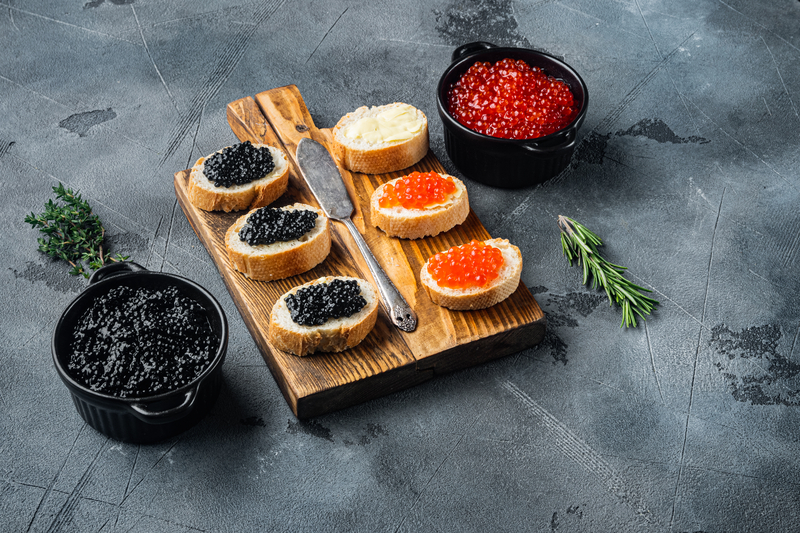


Yes, caviar is good for you in moderation. It’s packed with omega-3 fatty acids, vitamin B12, selenium, and protein—even in small servings.
Caviar might be pricey, but there’s more to it than luxury. Each bite delivers nutrients that support your heart, brain, skin, and immune system.
Just one ounce gives you over 200% of your daily vitamin B12 and more omega-3s than many other seafoods. So, if you’re thinking about adding caviar to your diet, it’s worth knowing what you’re getting into.
This article covers caviar’s nutritional profile, how it compares to other seafood, and what you should consider before making it part of your meals.
What Is Caviar?

Caviar is salt-cured fish eggs from sturgeon and a few other fish species. Whether roe qualifies as true caviar depends on the fish, processing, and quality standards.
Types of Caviar: Sturgeon vs. Roe
True caviar comes only from sturgeon—think osetra, beluga, kaluga, sevruga, sterlet, and hackleback. Each has its own color, size, and flavor.
Sturgeon caviar ranges from pale green to black. The eggs are pearl-like and pop pleasantly when you bite them.
You’ll notice a salty, oceanic flavor that changes depending on the sturgeon. In contrast, other fish eggs are just roe—salmon roe, for instance, is sometimes called “red caviar,” but that’s mostly marketing.
The real distinction is the source fish and traditional methods. Sturgeon caviar stands out for its higher price and luxury status.
The eggs are usually smaller and more delicate than other roe. True caviar also follows strict standards for salt and processing.
How Caviar Is Harvested and Prepared
Harvesting caviar means removing eggs from mature female sturgeon. While wild sturgeon were once the norm, most caviar now comes from aquaculture to protect wild stocks.
After harvest, the eggs are carefully screened and cleaned. Processors grade them for size, color, firmness, and flavor.
Only the best eggs become premium caviar. Salt is added—usually 3-5% by weight—to cure the eggs and enhance flavor.
This curing step is essential for taste and shelf life. The finished caviar is firm yet a bit slimy, holding its shape on crackers or toast.
Caviar Nutrition Facts

Caviar delivers a surprising punch of nutrients in tiny servings. Even a single ounce provides high levels of essential vitamins and minerals.
Macronutrient Profile
One ounce (28 grams) of caviar has about 75 calories. That same serving gives you 7 grams of protein for tissue repair and growth.
The fat content is 5 grams per ounce, mostly from omega-3s like EPA and DHA. These fats are vital for heart and brain health.
Carbohydrates are minimal—just 1 gram per serving. Sodium, though, is fairly high at 18% of your daily intake, so watch that if you’re sensitive to salt.
Caviar’s protein is complete, with all essential amino acids. That makes it a top-quality protein despite the small amount.
Key Vitamins and Minerals in Caviar
Vitamin B12 is caviar’s standout nutrient. One ounce covers 236% of your daily requirement, supporting your nervous system and red blood cell production.
Selenium comes in at 34% of your daily value per ounce. Your immune system relies on selenium to work properly.
Iron provides 19% of your daily needs, helping your blood transport oxygen. Caviar also offers smaller amounts of calcium, vitamin A, vitamin D, and vitamin E.
These nutrients add up, even in modest amounts. Magnesium and zinc also show up, supporting enzymes and wound healing.
Health Benefits of Eating Caviar

Caviar delivers concentrated omega-3s, vitamin B12, and selenium. These nutrients protect your heart, boost brain function, and strengthen your immune system.
Heart and Cardiovascular Health
Omega-3s in caviar directly support your cardiovascular system. One ounce contains about 1,880 mg of EPA and DHA—far above the daily recommended 250 mg.
These fats lower triglycerides and help relax blood vessels, which can reduce blood pressure. They also raise HDL (good) cholesterol, helping clear harmful cholesterol from arteries.
Omega-3s prevent blood platelets from clumping, lowering your risk for clots, stroke, or heart attack. Studies indicate these effects don’t interfere with standard heart meds.
Brain and Mental Health
Your brain needs omega-3s, especially DHA, to keep cell membranes healthy. Caviar’s DHA content helps reduce inflammation in brain tissue.
Research links low omega-3s to depression. Some studies suggest 1-2 grams daily can have antidepressant effects, and caviar’s EPA-DHA combo may help regulate mood.
Omega-3s also protect memory as you age by reducing brain inflammation. They’re important for cell communication and overall cognitive health.
Immune System Support
Caviar’s omega-3s and selenium both support immunity. One ounce covers a third of your daily selenium, which helps produce antibodies and activate immune cells.
Omega-3s restore protective barriers in your skin, gut, and lungs, blocking harmful bacteria. They also lower inflammation and help repair white blood cells.
Selenium boosts macrophage activity—these immune cells remove harmful substances. It also regulates immune response speed, helping you fight infections more efficiently.
Caviar and Skin Health

Caviar’s nutrients can benefit your skin, whether eaten or applied topically. Omega-3s, vitamins, and proteins support collagen production and moisture retention.
Anti-Aging and Collagen Synthesis
Collagen production drops as you age. Caviar contains amino acids and peptides that support collagen building in skin cells.
Its omega-3s protect against oxidative stress, slowing signs of aging. Vitamins A and E in caviar also fight skin-damaging free radicals.
Vitamin D and B vitamins support healthy skin cell function. Caviar proteins break down into peptides your body uses for new collagen and elastin—though eating enough caviar for anti-aging would be expensive.
Skin Hydration and Wound Healing
Caviar’s fatty acids strengthen your skin barrier, reducing water loss and improving hydration. Omega-3s help maintain the lipid layer that keeps moisture in.
The proteins provide amino acids for tissue repair. Some studies suggest omega-3s influence adipocytes and adiponectin, both involved in inflammation and healing.
Zinc and selenium in caviar support immune response to skin injuries. Vitamin A helps regulate skin cell turnover, important for healing. Still, these nutrients are easier (and cheaper) to get from foods like fatty fish, eggs, or fortified products.
Comparing Caviar to Other Seafood

Caviar stands out for its nutrient density and unique composition. While fish fillets offer more protein per serving, caviar delivers more micronutrients and omega-3s per gram.
Nutrient Density and Unique Benefits
Caviar has higher levels of certain nutrients than most fish because it’s made of sturgeon eggs meant to support new life. Each egg is packed with vitamins, minerals, and fats.
One tablespoon of caviar provides more vitamin B12 than most fish and contains phospholipids and choline, which are less common in fish muscle. Its omega-3s are in forms your body can use right away.
Selenium, iron, and zinc are also more concentrated in caviar than in many seafoods. These minerals help with immunity, energy, and cellular health.
Key Takeaways
- Caviar provides high levels of omega-3s, vitamin B12, selenium, and protein in small servings.
- Its nutrients support heart, brain, immune, and skin health, but sodium content is significant.
- True caviar comes only from sturgeon and is distinct from other roe by quality and processing.
- Caviar is more nutrient-dense per gram than most seafood, but its cost and salt content limit regular consumption.
Caviar vs. Salmon, Oysters, and Other Fish
Caviar contains a higher concentration of omega-3 fatty acids than salmon, though salmon generally offers more protein per serving. However, caviar packs in more micronutrients per gram.
Oysters are mineral-rich like caviar, especially when it comes to zinc. Still, they’re lower in omega-3s, and while oysters provide vitamin D, caviar stands out for its B vitamin content.
Tuna is known for its lean protein, but it has less overall fat. The fats in caviar, on the other hand, include compounds that actually help with nutrient absorption—a detail that sometimes gets overlooked.
Fish fillets are best as the main protein source in a meal. Caviar works better as a nutrient-dense garnish, adding complexity to seafood dishes without replacing the protein itself.
Potential Downsides and Considerations

Caviar’s high sodium content and allergen potential are important for certain individuals. These issues don’t make caviar inherently unhealthy, but they do call for some caution if you’re thinking of adding it to your diet.
Sodium Content and Moderation
Because caviar is preserved in salt, its sodium content is significant. One tablespoon contains about 240 mg of sodium, which can add up quickly since caviar is rarely served in tiny portions.
If you eat an ounce, that’s nearly 420 mg of sodium—almost a fifth of the American Heart Association’s ideal daily limit of 1,500 mg for most adults. Even a small serving can take up a noticeable chunk of your recommended intake.
People with high blood pressure, heart disease, or kidney issues need to pay special attention. The salt in caviar can accumulate fast and may complicate managing these conditions. Eating caviar occasionally rather than regularly helps keep sodium levels reasonable while still letting you enjoy its unique nutritional profile.
Key Takeaways
- Caviar offers more omega-3s and micronutrients per gram than most other fish.
- Oysters and tuna provide different nutrient profiles but lack caviar’s fat and B vitamin content.
- Caviar’s high sodium content requires moderation, especially for those with cardiovascular or kidney concerns.
- Using caviar as a garnish, not a primary protein, maximizes its nutritional benefits without excess intake.
Can You Eat Caviar If You Have a Fish Allergy?

No, individuals with a fish allergy should avoid caviar. Caviar is derived from fish eggs and can provoke the same immune response as other seafood allergens.
Reactions may vary, from mild skin irritation to severe anaphylaxis. Even trace amounts could be risky for those with heightened sensitivity.
Food Safety Concerns With Caviar
Caviar is subject to the same raw seafood risks as other uncooked marine products. It needs constant refrigeration and should be eaten soon after opening.
Improper storage or handling increases the risk of bacterial contamination, much like what you’d see with raw oysters or sushi. Quality control and temperature monitoring are essential.
Precautions for Vulnerable Groups
Unpasteurized caviar is not recommended for pregnant individuals or those with compromised immune systems. Pasteurized options are generally safer, but not all caviar is processed this way.
Labels should specify whether the product is pasteurized. When in doubt, contacting the supplier for details on processing methods is advisable.
Key Takeaways
- Caviar can trigger severe reactions in people with fish allergies.
- Raw caviar requires strict cold storage to prevent bacterial contamination.
- Pregnant individuals and immunocompromised people should avoid unpasteurized caviar.
- Always verify pasteurization status and handling practices with suppliers.