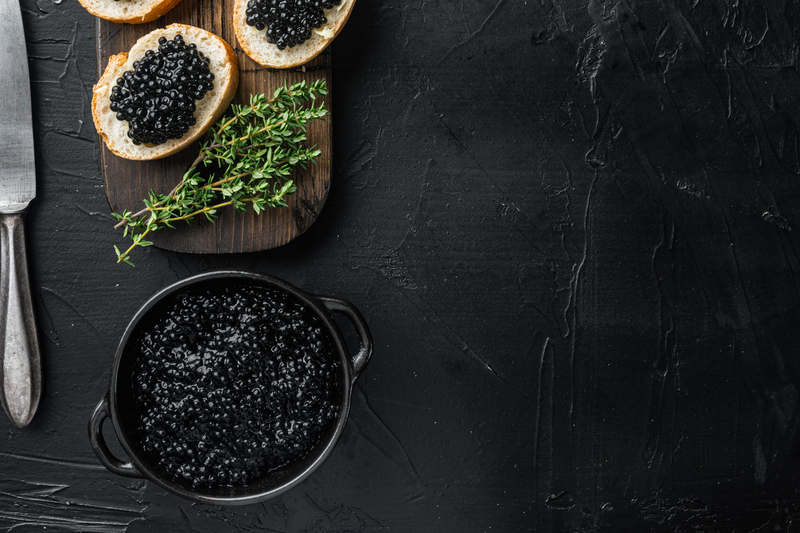


Caviar is often linked to luxury and fine dining, but what is it really? The answer might not be what you expect.
Caviar is fish eggs, specifically the roe from sturgeon fish. But here’s the catch—not all fish eggs can be called caviar.
This distinction is more than just semantics. The term caviar has a fairly strict meaning in the culinary world.
While every caviar is fish eggs, not every fish egg gets the caviar label. If you want to know what you’re actually getting in a restaurant or store, it helps to understand what sets caviar apart from regular roe.
This article breaks down where caviar comes from and which sturgeon species are involved. There’s also a bit about why the name is so tightly controlled.
We’ll touch on harvesting, processing, and how to spot the difference between genuine caviar and other fish eggs. It’s not always obvious at first glance.
Caviar Is Made Exclusively From the Roe of Sturgeon Fish

True caviar comes only from sturgeon, a large, ancient fish found in waters like the Caspian and Black Seas. The term means salt-cured eggs taken from female sturgeon.
Sometimes you’ll spot products labeled as caviar from salmon or trout. These are just fish roe, not true caviar.
The food industry draws a hard line here. In the United States, only eggs from sturgeon and paddlefish qualify as caviar by law.
This rule is in place because caviar has a reputation for luxury and sturgeon eggs are rare. It’s not just a marketing ploy; it’s a legal and culinary standard.
Several sturgeon species are used for caviar, including Beluga, Osetra, Sevruga, Siberian, and Kaluga. Each offers different flavors and textures.
The eggs are removed from the fish, separated from other tissue, and salted to cure them. That’s the basic process.
So when you buy caviar, you’re getting a product with a very specific definition. Other fish eggs might be tasty, but they aren’t caviar by traditional or legal standards.
Not All Fish Eggs Are Caviar; True Caviar Comes Only From Sturgeon Species
 It might seem like any fish eggs could be called caviar, but that’s not the case. True caviar is strictly from sturgeon eggs.
Food laws and culinary tradition reserve the word caviar for sturgeon. Other fish eggs are simply known as roe.
Salmon eggs or flying fish eggs, for example, are types of roe. Even if a label says “salmon caviar,” it’s not technically correct.
Real caviar comes from species like Beluga, Osetra, Sevruga, and Siberian sturgeon. The eggs are processed with salt, and the preparation method matters a lot.
When you’re paying for caviar, you’re paying for sturgeon eggs, period. The high price reflects both the rarity of the fish and the careful handling required.
If you want authentic caviar, check that the product specifies sturgeon as the source. Otherwise, you’re just buying roe under a fancier name.
Wild Sturgeon Roe From the Caspian and Black Seas Is the Traditional Source of Caviar
 When most people say “caviar,” they’re thinking of a specific kind of fish egg. Traditionally, caviar comes from wild sturgeon living in the Caspian and Black Seas.
This definition has held for centuries. The main sturgeon species for traditional caviar are Beluga, Osetra, and Sevruga.
These fish have been around for millions of years. Beluga sturgeon, the largest, produces the most expensive caviar available.
To make caviar, producers take the egg masses from freshly caught sturgeon. The eggs are separated from tissue and fat with a fine screen, then salted to preserve them and enhance their flavor.
Wild sturgeon populations have plummeted due to overfishing. This has made caviar from the Caspian and Black Seas increasingly rare.
Many producers now farm-raise sturgeon to keep up with demand. Still, when people refer to “real” caviar, they usually mean the traditional product from these historic waters.
Fish Roe From Other Species Is Generally Referred to as Fish Eggs or Roe, Not Caviar
 If you buy fish eggs from species other than sturgeon, you’re getting roe, not caviar. This isn’t just a technicality in the food industry.
Fish roe comes from many creatures—salmon, trout, herring, and lumpfish, to name a few.
Each type has its own flavor and texture. But the term “caviar” is legally reserved for salt-cured sturgeon eggs.
If you see “salmon caviar” or “trout caviar,” those names aren’t technically correct in most places. The right terms are salmon roe or trout roe.
This naming rule is there because sturgeon caviar has always held a special status. The priciest kinds come from rare sturgeon species like beluga.
Other fish eggs don’t go through the same traditional preparation. Still, fish roe can be enjoyed in many dishes and usually costs less than sturgeon caviar.
Just keep in mind that only sturgeon eggs get the caviar name, at least according to tradition and law.
Beluga, Osetra, and Sevruga Are the Three Main Types of Sturgeon Caviar
 When you’re shopping for sturgeon caviar, three classic types dominate the market. Each comes from a different sturgeon species and brings its own distinct qualities.
Beluga caviar features the largest eggs, with colors ranging from light gray to dark gray. It’s famous for its smooth, buttery taste and is considered the rarest and priciest.
Osetra caviar has medium-sized eggs, colored golden-brown to dark brown. Many appreciate its nutty, complex flavor. Price-wise, it sits between Beluga and Sevruga.
Sevruga caviar offers the smallest eggs of the trio, typically dark gray or black. It’s known for a strong, briny taste and is the most affordable of the three.
All originate from sturgeon found mainly in the Caspian Sea region. The differences in size, color, and flavor help you decide which suits your taste and budget best.
Caviar Eggs Vary in Size, Texture, and Color Depending on the Sturgeon Species
 The sturgeon species has a big impact on how caviar looks and feels. Each type produces eggs with unique characteristics that shape the tasting experience.
Beluga sturgeon gives the largest eggs, sometimes almost pea-sized. They’re delicate, with a buttery texture.
Osetra sturgeon makes medium-sized eggs that have a firmer bite and a nuttier taste. Sevruga’s eggs are smaller and tend to pop more easily on the tongue.
Color shifts with the species, too. You’ll see caviar in shades from light gray to deep black. Some have golden or brown tones, influenced by the sturgeon’s age, diet, and environment.
Texture isn’t consistent across the board. Some eggs are creamy and soft, while others are firmer and offer more resistance when bitten.
The firmness affects how the flavor comes through. Each sturgeon species creates caviar with its own combination of size, color, and texture, giving you a range of options to explore.
The Term “Caviar” Is Legally Protected in Some Countries to Mean Sturgeon Roe Only
 In many places, you can’t just label any fish eggs as “caviar.” The term is protected and reserved for sturgeon roe only.
If “caviar” appears on a label without another fish name, it must be from sturgeon. This legal protection helps prevent misleading labeling.
Eggs from salmon, trout, or other fish have to be labeled differently. You’ll often see “salmon roe” or “trout roe” instead. Sometimes “salmon caviar” pops up, but that’s not technically correct in countries with strict rules.
These regulations aren’t just about accuracy. They also help protect sturgeon species, which face conservation challenges. In regulated markets, you can trust that “caviar” means what it should.
Caviar Is Harvested From Female Sturgeons Before the Eggs Mature Inside Them
 Caviar comes from eggs inside female sturgeon fish. The timing of harvest is crucial.
Female sturgeons need between 8 and 20 years to develop eggs. This slow growth is a big reason for caviar’s high price.
The eggs are collected before the fish would naturally release them. Farmers or harvesters remove the egg sacks when the roe is at the right stage—not too early, not too late.
After extraction, the eggs are graded for quality and then salt-cured. This step preserves the eggs and brings out their unique flavor.
Harvesting at the right moment is essential. If the eggs are overripe, the quality drops. Too early, and the texture or taste just isn’t there.
Caviar Is Harvested from Female Sturgeons Before the Eggs Mature Inside Them
 Once fish eggs are harvested, they’re processed with salt to become caviar. This step shapes both the shelf life and the taste.
The most common method is called malossol, meaning “little salt” in Russian. It uses a light amount of salt, typically 4-6% by weight.
The salt preserves the eggs while keeping their natural flavor. Different salt levels produce different results.
Less salt means the caviar tastes more delicate and closer to its original character. More salt improves preservation but can mask the natural taste of the eggs.
After salting, producers drain excess moisture from the eggs. They pack the caviar into containers, where the eggs gradually absorb the salt solution.
This step makes the eggs swell slightly and removes any remaining air pockets. The temperature during processing matters as well.
Handlers must keep the eggs cold throughout every step to maintain quality and safety. Each decision about salt, timing, and temperature directly shapes what you experience when you eat the final product.
Sustainable Caviar Farms Focus on Sturgeon Health and Ethical Harvesting
 Sustainable caviar farms approach things differently than traditional operations. These farms prioritize the wellbeing of their sturgeon throughout the fish’s life.
They create controlled environments that replicate the natural habitats sturgeon need to thrive. Modern farms focus on animal welfare as much as caviar production.
You’ll notice these operations use breeding and harvesting methods that help maintain ecological balance. They work to preserve sturgeon species rather than deplete them.
Ethical farms now use non-lethal harvesting methods more often. These techniques let farmers collect eggs without killing the fish.
This approach supports long-term sustainability since the same sturgeon can produce caviar multiple times. Water quality is a major concern at eco-friendly farms.
These facilities maintain clean water systems to protect both the fish and surrounding ecosystems. Many farms follow certification standards that verify their ethical practices.
The shift toward sustainable farming helps protect wild sturgeon populations. These controlled environments produce high-quality caviar while keeping the fish healthy and reducing environmental impact.
What Is Caviar?
 Caviar refers to salt-cured fish eggs that come from sturgeon, a type of ancient fish. The term means different things depending on whether you’re talking about traditional or modern usage.
Traditional Definition of Caviar
True caviar comes exclusively from sturgeon fish. When you see authentic caviar, you’re looking at the processed eggs from female sturgeon that have been carefully harvested and cured with salt.
Sturgeon species that produce traditional caviar include Beluga, Osetra, Sevruga, Siberian, and Kaluga. These fish originally came from the Caspian and Black Seas, where wild sturgeon were caught for their valuable eggs.
The preparation process involves removing egg masses from freshly caught sturgeon and passing them through fine-mesh screens. This separates the individual eggs and removes any remaining tissue or fat.
Salt is added during this process to preserve the eggs and bring out their flavor. The curing method for high-quality caviar is called malossol, requiring skilled craftsmanship to get the salt levels right.
Modern Use of the Term
Today you’ll find the word caviar applied to eggs from many different fish species. This broader usage includes products like salmon roe, trout roe, and tobiko (flying fish eggs).
These non-sturgeon fish eggs are technically called roe, not true caviar. Retailers and restaurants often market them as caviar varieties to appeal to customers looking for similar products at lower prices.
The caviar industry has also changed through aquaculture. Most caviar you can buy now comes from farm-raised sturgeon rather than wild-caught fish.
This shift happened because wild sturgeon populations declined dramatically, making farmed caviar the primary source in today’s market.
Are All Fish Eggs Considered Caviar?
 Not all fish eggs qualify as caviar. True caviar comes only from sturgeon, while eggs from other fish are called roe.
Caviar vs Roe
The distinction between caviar and roe is specific and important. Caviar refers exclusively to salted eggs from sturgeon fish.
These include species like Beluga, Ossetra, and Sevruga sturgeon, traditionally found in the Caspian and Black Seas. All other fish eggs fall into the category of roe.
When you see salmon eggs, trout eggs, or flying fish eggs at the grocery store, these are roe products, not caviar. Some producers market these as “salmon caviar” or “trout caviar,” but this naming can be misleading.
The confusion often comes from marketing. Many companies use the term “caviar” loosely to make their products sound more luxurious.
However, in traditional culinary terms, only sturgeon eggs earn the caviar designation.
Labeling and Legal Standards
Different countries have their own rules about what gets labeled as caviar. In some places, only sturgeon eggs are allowed to bear the caviar name.
Elsewhere, you might see broader definitions, with terms like “salmon caviar” appearing on shelves. These distinctions aren’t just about language—they affect pricing too.
The price difference can be dramatic. Genuine sturgeon caviar is much more expensive, partly because sturgeon can take a decade or more to mature.
Some sturgeon don’t produce eggs until they’re 10 or even 20 years old. That kind of patience, understandably, drives up the cost.
When shopping, it’s worth checking the label closely. If the product is labeled simply as “caviar,” it should contain sturgeon eggs.
If the roe comes from another fish, that should be clearly stated in the product name. It’s a detail that can make all the difference for buyers who care about authenticity.