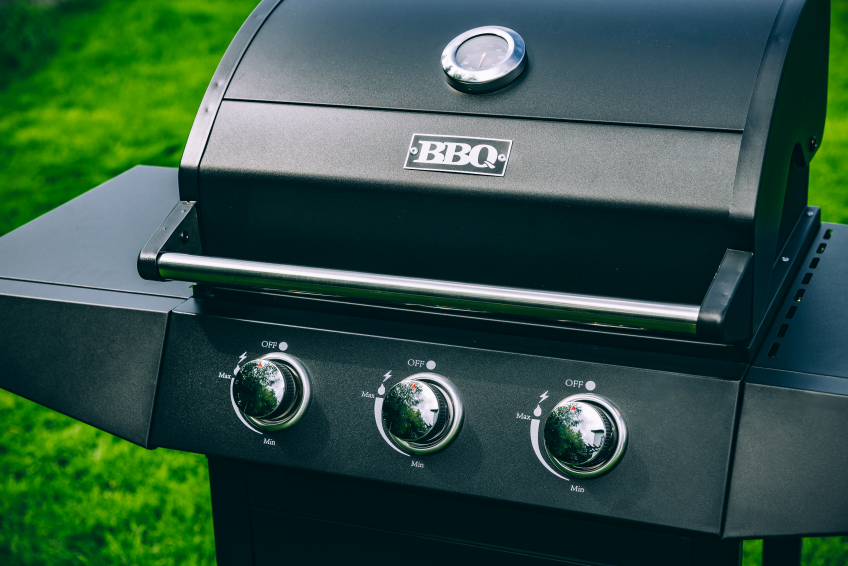

 Gas grills are a classic pick for outdoor cooking, but prices? They bounce from about $100 for a basic portable up to $5,000 or more if you want something fancy.
Most people will find a quality gas grill that works for them in the $200 to $1,500 range. Honestly, the sweet spot for features and value is usually somewhere between $500 and $800.
How much you should spend all comes down to how often you’ll actually grill, how many people you’re feeding, and which bells and whistles matter to you. If you’re not sure, it’s easy to go overboard—or too cheap.
What drives gas grill prices? It’s mostly size, materials, build quality, and whatever extras are tacked on. A small, basic grill for the occasional burger night is much cheaper than a big stainless steel beast with all the gadgets and multiple burners.
Let’s break down gas grill pricing by category and look at what really affects cost. We’ll touch on grill types, compare gas to other options, and dig into which features are actually worth paying for. There are also ongoing costs like propane, maintenance, and the occasional replacement part—so don’t forget to factor in the total cost of ownership.
Typical Gas Grill Price Ranges

Gas grill prices go from under $100 to well over $3,500. It mostly depends on size, features, and how solidly the thing is built. The market falls into four main categories, each matching different budgets and grilling styles.
Entry-Level Gas Grills
Entry-level gas grills usually run $100 to $300. These basic models come with two or three burners and a painted steel body. You’re looking at a smaller cooking surface—good for couples or a small family.
At this price, expect about 200 to 400 square inches of cooking space. Most entry-level grills skip the extras like side burners or built-in thermometers. The materials are lighter and probably won’t last as long as higher-end options.
Still, these grills get the job done for basic grilling. They’re fine if you don’t grill much or have limited space outside. Portable models for camping or tailgating often fall right in this range too.
Mid-Range Gas Grills
Mid-range grills cost $300 to $800. You’ll find lots of solid choices around $400 to $600. This price range hits a nice balance between features and durability for most home cooks.
Here, you get three or four burners and a much larger cooking area. Typical features include:
- Built-in temperature gauges
- Side tables for food prep
- Better heat distribution
- Some stainless steel parts
- Warming racks
Build quality is a step up—heavier materials, better welds, and parts that resist rust. Most mid-range grills land between 400 and 600 square inches, which is plenty for a family or small get-together.
High-End Gas Grills
High-end gas grills start at $800 and can climb past $3,500. These are the showstoppers: four or more burners, 600+ square inches of cooking space, and commercial-grade stainless steel.
Expect luxury touches like rotisserie burners, smoker boxes, infrared searing, and multiple cooking zones. The materials shrug off corrosion and keep looking sharp for years. Many high-end grills deliver precise temperature control and even heat across the board.
These big grills are built for crowds. You’re paying for performance, longevity, and usually a strong warranty. They’re for folks who grill all the time and want restaurant-quality results at home.
Cost Range for Portable Gas Grills
Portable gas grills usually cost $100 to $500. Tabletop models start around $100 to $150 and offer 150 to 250 square inches of space—ideal for camping or a tiny patio.
Mid-priced portables ($200 to $350) have extras like collapsible legs and sturdier burners. The premium portables, $400 to $500, sometimes squeeze in two burners and 300+ square inches of cooking area. They fold up but can cook almost like a full-size grill.
Factors That Affect Gas Grill Prices

Why do gas grills range from $100 to over $3,000? Construction details, cooking capacity, and add-ons are the big ones. But honestly, metal quality, size, and built-in features are the main drivers.
Size and Cooking Space
Cooking space is a huge factor. A 3-burner grill with about 450 square inches usually costs $200 to $500. Go up to four burners and 500–650 square inches, and you’re looking at $400 to $1,200. Five or six burners with 700+ square inches? That’ll be $1,000 to $2,500 or more.
More burners mean more heat zones and flexibility. You can sear steaks on one side and cook veggies gently on another. Warming racks add extra room for buns or keeping food hot.
Bigger grills use thicker, heavier materials to support the cooking surface. That adds to the cost but helps with stability and heat retention. It’s smart to match grill size to your family—oversized grills waste fuel and hog patio space.
Material and Construction Quality
Metal type is probably the biggest price factor. Cheap grills use painted steel or thin metal that rusts fast. Mid-range models mix in some stainless steel. The best grills use 304 stainless steel all over—firebox, burners, body, you name it.
Stainless steel grills are way more resistant to rust and can handle high heat. They cost more upfront but save you money in the long run since you’re not replacing parts every couple of years.
Firebox thickness matters too. Thick double walls hold heat in and protect burners from wind. Thin walls leak heat and lead to uneven cooking.
Burner quality is another piece of the puzzle. Cast stainless or infrared burners cost more but put out better heat and last longer. Cooking grates matter too—cast iron holds heat but needs oiling, while stainless grates are pricier but easier to care for.
Included Features and Accessories
Extras can add anywhere from $100 to $1,000 to your total. A side burner adds $80 to $200 and lets you cook sauces outside. Want an infrared or rotisserie burner? That’s another $150 to $300 for high-heat searing or roasting.
Built-in thermometers usually tack on $20 to $50. Digital LED knobs for grilling at night are about $50 to $100. Smoker boxes, which add wood-smoke flavor, run $30 to $80 if included.
| Feature | Typical Added Cost | What It Does |
|---|---|---|
| Side burner | $80-$200 | Cooks sides and sauces |
| Infrared burner | $150-$300 | High-heat searing zone |
| Rotisserie kit | $100-$250 | Slow-cooks whole chickens |
| Built-in thermometer | $20-$50 | Monitors cooking temperature |
| LED knobs | $50-$100 | Grilling visibility at night |
| Smoker box | $30-$80 | Adds wood-smoke flavor |
Other stuff like grill covers, rotisserie kits, and extended warranties can bump up your total. Some brands throw in accessories, others charge for every add-on. A rotisserie attachment with a motor can run $150 to $300 if you buy it separately, but it’s pretty handy for big cuts of meat.
Premium grills often bundle several features, which can be a better deal than buying them one at a time. It pays to check what’s included versus what’s extra when comparing models.
Comparing Gas Grills to Other Grill Types

Gas grills are all about convenience and easy temperature control. But other grill types bring their own perks—smoky flavor, lower prices, or just a different vibe. Each type has its own price points and quirks.
Gas Grills vs Charcoal Grills
Charcoal grills are usually cheaper than gas grills. Basic charcoal grills start at $50, while entry-level gas options kick off around $200. The trade-off? It’s convenience versus flavor, plain and simple.
Charcoal gives you that classic smoky taste gas can’t quite match. But it takes longer to get going and there’s more cleanup. You also need to keep buying charcoal, which adds up over time.
Gas grills heat up in about 10–15 minutes and give you precise control. Just turn a knob—no coal wrangling. Cleanup is easier too, since there’s no ash.
Charcoal grills can be tricky to keep at the right temp. Gas is way easier for beginners. If you love that old-school BBQ taste and don’t mind the hassle, charcoal could be for you. If you want fast, weeknight grilling, gas is probably the move.
Gas Grills vs Pellet Grills
Pellet grills range from $280 to $1,300 these days. That’s pretty close to what you’d pay for a mid-range or large gas grill. Pellet grills use wood pellets for fuel, which gives food a distinct wood-smoked flavor.
They work more like outdoor ovens, with digital controls to hold the temp steady. You can smoke, grill, roast, or even bake on them.
Gas grills heat up a bit faster. Pellet grills take 10–15 minutes to reach temp, but gas is ready just as fast and responds quicker to changes. Pellet grills need an outlet since the auger system runs on electricity.
Wood pellets cost more than propane over time. A 20-pound bag is $15 to $30 and lasts a few sessions. Pellet grills need more maintenance too—you’ll have to clean out ash and keep an eye on the auger.
Gas Grills vs Electric Grills
Electric grills are the cheapest route for a lot of people. Some start as low as $100. They’re great for apartments or anywhere gas and charcoal aren’t allowed.
Just plug them into a regular outlet and you’re set. They heat up fast and make zero smoke, so they’re perfect for balconies or even indoors. Temperature control is simple—just a dial or digital display.
The downside? They don’t get as hot as gas grills, so searing steaks can be tough. You also miss out on the flavor from gas or charcoal combustion.
Gas grills are better if you want real grilling power. They hit higher temps and work anywhere, no outlet needed. Electric is best for small spaces or if you’re stuck with strict rules.
High-End Grills: Luxury Models Compared
Luxury gas grills run between $2,000 and $5,000. They’re built with premium materials, usually heavy-gauge stainless steel.
High-end charcoal grills, especially ceramic ones, cost $800 to $3,000. Ceramic grills are known for holding heat and being versatile.
Premium pellet grills in this luxury bracket go for $1,300 to $2,500. They come with WiFi and advanced temperature controls.
High-end electric grills are pretty rare. The technology just isn’t there for top-tier performance, even if you pay a lot.
Luxury gas grills often have rotisserie burners, infrared searing stations, and multiple cooking zones. With good care, they’ll last decades.
Premium charcoal and ceramic grills are great for both low-and-slow smoking and high-heat searing.
Your choice? That depends on how you cook. Gas grills offer versatility and convenience, while ceramic grills are for those who love dialing in temperature and crave heat retention.
If you want wood-fired flavor and don’t want to fuss, premium pellet grills are the way to go.
Which Features Are Worth Paying For?

Some grill features just aren’t worth your money. Focus on things that actually make grilling better or keep your grill lasting longer.
Temperature Control Systems
Temperature control is what separates an okay grill from a great one. Look for grills with multiple burners you can adjust independently.
This way, you can set up different heat zones and cook more than one thing at once. Electric igniters are worth paying extra for—they’re just easier and more reliable than manual-light systems.
Battery-powered or direct electric igniters rarely fail if you keep them maintained. Heat zone separators help keep temperatures steady across the cooking surface.
Some mid-range and high-end grills have dividers between burners, which is handy if you’re cooking foods that need different temps. Built-in temperature gauges are standard, but quality varies a lot.
Good gauges give you more accurate readings. Digital displays are pricier but make monitoring temperature much easier.
Specialty Burners and Attachments
A side burner is one of those upgrades that’s actually useful. You can make sauces or sides without leaving your grill.
Standard side burners work fine, but infrared burner options bring more heat if you’re into serious searing. Rotisserie kits add flexibility, but only get one if you’ll use it.
A rotisserie burner and rotisserie attachment are great for whole chickens or large roasts. These setups usually cost $100-300 extra.
You can buy a rotisserie kit separately later if you’re on a budget. No need to rush—see what you really use first.
A smoker box is a cheap way to add wood chip flavor. Integrated smoker boxes are nice, but you can get a separate one for $20-40.
Warming rack space above the main grates keeps food warm without drying it out. Most mid-range grills have this, and it doesn’t add much to the price.
Construction Materials
Stainless steel construction is what really determines how long your grill lasts. Stainless steel grills stand up to rust and weather better than painted steel or aluminum.
But not all stainless steel is the same. 304-grade stainless steel is what you want for burners and grates—it handles heat and moisture without corroding.
Cheaper 430-grade stainless is fine for panels and shelves. Cast iron grates hold heat well and make nice sear marks, especially if they’re porcelain-coated to resist rust.
Stainless steel grates cost more but need less maintenance and last longer. Brass and stainless steel burners outlive aluminum or basic iron burners by a lot.
A high-end grill usually uses these premium materials throughout. Spending an extra $200-400 on better materials is worth it for the long haul.
Add-Ons and Storage Solutions
Built-in storage cabinets and side shelves make things easier, especially for stationary grills. Pull-out grease trays are a must for easy cleanup—don’t skip them.
Tool hooks are a small thing but super handy. Most grills have them, no matter the price.
LED-lit control knobs and grill lighting are cool for night grilling, but not really necessary. You can grab a clip-on grill light for $15-30 instead of paying hundreds more for built-in lighting.
Fuel gauges for propane tanks save you from running out mid-cook. Basic ones use weight, while fancier models have digital displays. A separate tank scale for $20-30 does the job just as well as a built-in gauge.
How to Choose the Right Gas Grill for Your Budget and Needs

Buying a gas grill isn’t just about the price tag. Think about how many people you cook for and how often you actually grill.
Set a budget that covers both the grill and what you’ll spend over time. It’s easy to forget about the little extras.
Assessing Your Grilling Needs
How many people do you usually cook for? A family of four needs about 400-500 square inches of cooking space.
If you’re the go-to host for big gatherings, look for at least 600 square inches. Also, how often do you plan to grill?
If you’re firing it up every week, get something durable with a solid ignition system. If you grill a few times a year, you can save money with a simpler model.
Don’t forget about space. Measure your patio or deck before you shop.
Portable grills are great for small balconies or tailgates. Built-ins are for people setting up a full outdoor kitchen.
Key features to match your needs:
- 2-3 burners for the basics
- 4-6 burners for more flexibility
- Side burners for sauces and sides
- Rotisserie kits for whole chickens or roasts
Setting a Realistic Budget
Entry-level grills cost $200-$500 and are fine for basic grilling. They usually use painted steel or porcelain-coated materials.
They’re okay for occasional use, but you might have to replace them sooner. Mid-range options ($500-$1,500) give you better construction and features like stainless steel parts and more burners.
If you grill regularly, this is probably the sweet spot for price and performance. Premium grills start at $1,500 and can go well over $5,000.
These come with heavy-gauge stainless steel, infrared burners, and advanced systems. Only spend this much if you’re serious about grilling and want something that feels commercial-grade.
Budget beyond the grill itself:
- Propane tanks: $50-$200
- Natural gas line installation: $200-$500
- Covers and accessories: $50-$150
- Annual maintenance: $30-$100
Evaluating Brands and Warranties
Stick with brands that offer good customer support and easy-to-find replacement parts. Weber, Napoleon, and Broil King have strong networks.
Newer brands might be cheaper but could leave you hanging for support. Warranty coverage tells you a lot about build quality.
Entry-level grills usually have 1-2 year warranties. Mid-range models go up to 3-5 years on big parts.
Premium brands sometimes offer 10-year or even lifetime warranties on burners and cookboxes. Check real customer reviews for durability—things like rust, burner life, and ignition issues.
Sometimes, it’s worth paying a bit more for a better warranty. It can save you money in the long run if you’re not replacing a cheap grill every few years.
Entry-level gas grills are suitable for basic grilling tasks like burgers, hot dogs, and simple barbecue recipes.
Look for models with a durable build, a decent cooking area, and easy-to-use controls.
Brands like Weber, Char-Broil, and Napoleon offer quality options in this price range.

Though under the $400 price tag it’s still is a high-quality outdoor cooking appliance designed for grilling enthusiasts.
When it comes to premium gas grills that deliver exceptional performance and an array of high-end features, the Weber Summit S-470 and the Napoleon Prestige PRO stand out as top contenders.

Its stainless steel construction ensures durability and a sleek appearance.

It’s a true powerhouse in the world of grilling.
Both grills offer premium performance, precision control, and luxurious design, making them ideal choices for those who demand the very best from their outdoor cooking experience.
Additional Costs of Gas Grill Ownership
 Buying the grill is just the beginning. Fuel, replacement parts, and accessories add up over time.
Fuel and Maintenance Expenses
Propane is the most common fuel and is pretty affordable. A standard 20-pound tank costs $15 to $25 to refill and lasts about 18 to 20 hours of cooking.
If you grill a lot, expect to spend $78 to $156 a year on propane. Natural gas grills hook up to your home’s line and cost even less to run, but installation can run $200 to $1,000.
Maintenance is another thing to budget for. Deep cleaning a few times a year with special products costs $10 to $30.
Grill covers are a good investment—$50 to $150 depending on size and quality. A decent cover keeps rust at bay and helps your grill last longer, especially if it’s stainless steel.
Accessory and Replacement Costs
Parts wear out, so plan for that. Burners last 3 to 5 years and cost $40 to $150 to replace.
Igniters, heat tents, and grates also need swapping every so often—budget $20 to $100 per part. When you first buy your grill, you’ll want to pick up some basics:
- Grilling tools (spatula, tongs, brushes): $30 to $80
- Propane tank gauge: $10 to $25
- Grill thermometer: $15 to $50
- Rotisserie kit: $50 to $200
- Side burner attachments: $100 to $300
If you go with propane, keep an extra tank handy. That’ll add another $40 to $60 upfront, but it’s worth it for peace of mind.
Long-Term Value and Resale
Gas grills lose value quickly in the first few years. It’s a bit like buying a car—depreciation hits hard early on.
For example, a $500 gas grill usually resells for just $150 to $250 after three years. High-end stainless steel models seem to hang onto their value a bit better than the cheaper ones.
If you take care of your gas grill, it might last anywhere from 5 to 15 years. Budget models, though, tend to give up after 3 to 5 years, while the pricier stainless steel ones can keep going for a decade or more.
So, a $1,000 grill that sticks around for 12 years ends up costing about $83 a year. On the flip side, a $300 grill that lasts 4 years works out to $75 a year—pretty similar, honestly.
Propane grills usually have better resale value than natural gas models. That’s probably because you don’t need special installation at the buyer’s place, which makes things a lot easier.