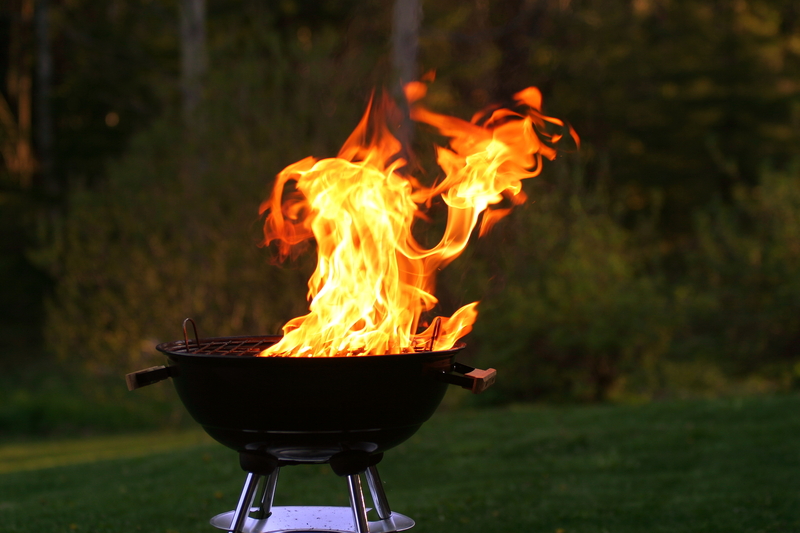

 When you buy a charcoal grill, you’re probably curious about how long it’ll actually last before you have to replace it.
Most charcoal grills stick around for 5 to 15 years—traditional models usually make it 10 to 15 years, while portable ones last closer to 5 to 10 years, assuming you take care of them.
The real lifespan depends on a bunch of things you can control. Materials, how often you fire it up, and where you stash it all matter more than you might think.
Regular maintenance goes a long way, but neglect can really shorten your grill’s life. If you want to get the most out of your investment, it’s worth knowing what helps or hurts your grill’s durability.
Typical Charcoal Grill Lifespan

Most charcoal grills last somewhere between 5 and 15 years, depending on how well they’re made and how you treat them. The type of grill and its materials really do make a difference.
Average Years by Charcoal Grill Type
Kettle-style charcoal grills usually last 10 to 15 years if you look after them. They’re simple, with fewer parts to break.
Portable charcoal grills don’t last quite as long—think 5 to 10 years. They’re lighter and easier to move, but that also means they’re not as tough.
Ceramic charcoal grills are in a league of their own and can last 15 to 20 years, sometimes even longer. Ceramic shrugs off rust and does fine with heat and weather.
Expected lifespan by grill type:
- Kettle grills: 10-15 years
- Portable grills: 5-10 years
- Ceramic grills: 15-20+ years
- Barrel grills: 8-12 years
How you use your grill matters too. If you’re grilling a few times a week, don’t expect it to last as long as if you only cook out once a month.
Premium vs. Standard Charcoal Grills
Premium charcoal grills use thicker steel and better materials, so they last longer. Some high-end models are built from 14-gauge steel or even cast aluminum.
Standard grills are usually made from 18-gauge steel or thinner stuff. They’re cheaper, but you’ll be replacing them sooner.
Premium models also have better paint or coatings—powder-coated or porcelain-enameled finishes resist rust much better than basic paint.
Key differences:
| Feature | Premium Grills | Standard Grills |
|---|---|---|
| Steel thickness | 14-gauge or better | 18-gauge or thinner |
| Average lifespan | 12-20 years | 5-10 years |
| Coating quality | Porcelain/powder-coat | Basic paint |
Investing in a quality grill can pay off with years of solid, reliable use. Premium grills also tend to come with longer warranties, which is always a little reassuring.
Charcoal Grill Lifespan Compared to Other Grills
Gas grills usually outlast charcoal grills by a few years. Most gas models go 10 to 15 years, partly because they don’t have to deal with ash or direct, intense heat the way charcoal grills do.
Electric grills sit somewhere in the middle, with lifespans of about 7 to 10 years. No ash to worry about, but electronics can be finicky.
Charcoal grills have their own challenges. Ash can trap moisture and speed up rust, and the firebox is in direct contact with blazing hot coals.
Grill type comparison:
- Charcoal: 5-15 years (premium models last longer)
- Gas: 10-15 years average
- Electric: 7-10 years typical
- Pellet: 10-15 years with maintenance
With the right care, a well-built charcoal grill can last as long as a gas grill. Brands like Weber and PK Grills have shown these grills can stick around for decades if you treat them right.
Key Factors That Influence How Long a Charcoal Grill Lasts

The materials your grill’s made from, how much weather exposure it gets, and how often you use it all play a big part in how long your charcoal grill lasts.
Knowing these things helps you make smarter choices when you’re buying and taking care of your grill.
Material Quality and Construction
Thicker, better materials mean your charcoal grill should last longer. Heavy-gauge steel grills usually go 10 to 15 years, but thin steel models might only make it 3 to 5 years.
It’s smart to look for at least 18-gauge steel. Thicker steel is less likely to warp or rust out.
The paint or coating matters, too. Heat-resistant paint keeps rust at bay. Powder-coated finishes will outlast basic spray paint every time.
Check out how the parts fit together. Welded joints are sturdier than bolts, and cheap grills often use thin bolts that get loose or wobbly over time.
Key material features to check:
- Steel thickness (18-gauge or thicker)
- Corrosion-resistant coating
- Welded construction joints
- Stainless steel components
Exposure to Weather and Environment
Weather is a grill’s enemy. Rain, snow, and humidity will rust out metal, and the sun can ruin paint and plastic.
If you leave your grill uncovered, expect it to die early. Moisture finds its way in and rusts everything from the grates to the firebox.
A sturdy grill cover is a must. Just make sure your grill is dry before you cover it, or you’re trapping moisture inside.
Storing your grill in a garage or shed during winter will add years to its life. If that’s not an option, at least keep it under a covered patio or use a waterproof tarp for extra protection.
Live near the coast? Salt in the air speeds up rust, so you’ll want to clean your grill more often if you’re close to the ocean.
Frequency and Intensity of Use
How often you grill has a bigger impact than you might think. If you’re out there several times a week, your grill will wear out faster than someone who only grills on weekends.
High-heat cooks are rough on metal parts. The firebox and grates expand and contract with the heat, which can lead to warping down the line.
Portable grills take a beating from being moved around. All that jostling loosens bolts and wears out the legs, so they usually last 5 to 10 years—less than stationary grills.
Overfilling with charcoal can also do damage. Stick to the manufacturer’s recommendations for charcoal amounts to keep things running smoothly.
Cleaning up after each use is key. Ash left behind holds moisture and rusts out the metal, so empty the ash catcher every time you grill.
Maintenance Practices to Extend Charcoal Grill Longevity

Cleaning, storing your grill right, and swapping out worn parts are the basics of keeping your grill going strong.
These habits help prevent rust, keep your grill working well, and let you catch problems before they get out of hand.
Cleaning and Ash Removal
Clean the grates after every cook. A quick brush while they’re still warm gets rid of stuck-on food and grease.
Don’t forget to empty the ash catcher after each session. Ash holds moisture and will eat away at your grill if you let it pile up.
Essential cleaning tasks include:
- Monthly wash of grates with warm soapy water
- Wipe down the exterior with a mild cleaner
- Remove grease from inside the bowl
- Clear air vents of any blockages
Once a month, give your grill a deeper clean if you’re grilling a lot. It helps prevent grease fires and keeps temperature control easier.
Protective Storage Techniques
A good grill cover is your first defense against bad weather. Heavy-duty vinyl or polyester with waterproof backing works best.
This iCOVER grill cover is designed specifically for charcoal kettle grills, such as the Weber 22″. It’s made from heavy-duty Oxford polyester with a waterproof PVC/vinyl coating, preventing rain from seeping through while also resisting sun damage and fading.
The cover typically features fastening straps and built-in handles to ensure a snug, secure fit in windy conditions, and it’s easy to maintain—just hose it off when needed.
Always let your grill cool and dry before covering it. Otherwise, you’re just locking in moisture and inviting rust. If you can, store your grill in a garage, shed, or at least under a covered patio. Indoor storage is the gold standard for grill longevity.
Keep your grill off the ground—use pallets or grill pads to boost air flow and stop moisture from collecting underneath.
Routine Inspection and Part Replacement
Give your grill a quick check every month. Look for rust, loose hardware, or anything that looks off.
If you spot a little rust, scrub it with steel wool and touch it up with high-temp paint. Deep rust or holes usually means it’s time to think about repairs or a new grill.
Key inspection points include:
- Tighten bolts, screws, and handles
- Check legs and welds for stability
- Test hinges and vents
- Inspect gaskets for cracks
If your grates are warped or just won’t come clean anymore, it’s time to replace them. Worn-out cooking surfaces mess with heat and can ruin your food.
Signs Your Charcoal Grill Needs Repair or Replacement

Knowing when your charcoal grill needs some love can keep things safe and your food tasting great. Watch for rust, cracks, or parts that just don’t work like they used to.
If your grill isn’t cooking evenly or pieces are falling apart, it’s probably time for a fix—or maybe even a new grill.
Rust, Corrosion, and Structural Damage
Rust is usually the first sign your grill’s on its way out. Surface rust on the outside? That can be cleaned up, but deep rust that eats through metal means it’s probably time for a new grill.
Take a close look at your grill grates for rust holes or pitting. If you spot small rust spots, you can scrub them off, but grates with several holes or flaking metal really should be replaced.
Check the firebox and bowl for rust damage. These parts hold hot coals and get blasted with heat every time you cook.
Rust holes in the firebox are a safety risk and let heat escape. Not a great combo.
Look for cracks in the grill body or lid. Cracks usually mean the metal’s getting tired from all those heating and cooling cycles.
Even small cracks will get bigger with time and mess with temperature control.
Keep an eye out for warped or bent parts. The lid should sit flat on the base—no weird gaps.
Warped metal messes with airflow and makes it hard to keep the temperature steady. Loose or wobbly legs are another red flag for stability issues.
Declining Cooking Performance
Uneven heating is a dead giveaway that something’s off. If one side cooks faster or you notice hot and cold spots, your grill’s struggling to spread heat evenly.
Your cooking times might creep up too. Food that used to take 15 minutes now takes 25 or 30 at the same settings? That’s a sign the grill’s losing efficiency.
If you can’t get your grill hot enough or keep the heat steady, temperature control is a problem. This usually happens when vents stick, seals fail, or the firebox is damaged.
Excessive flare-ups—like, way beyond the normal sizzle—mean grease is building up somewhere you can’t reach, or the grease management system is shot. Persistent flare-ups make it tough to cook and aren’t exactly safe.
Strange smells while cooking? That could be materials breaking down or old buildup burning off. If you get a metallic or chemical odor, the paint or coating on the grill body might be failing.
Component Failure Indicators
Air vents that stick or won’t adjust mess with your ability to control airflow and temperature. Vents should move easily and stay where you set them.
Stiff or broken vents really limit your cooking options. Not fun.
Ash catchers with rust holes or busted mechanisms make cleanup a pain and let ash blow everywhere. A working ash system is key for keeping your grill in shape between uses.
Handles and hinges that are loose or broken create safety issues when you’re dealing with hot parts. Wobbly handles make opening the lid risky, and busted hinges can stop the lid from working right.
The thermometer’s there for a reason. If your built-in thermometer starts giving weird readings or quits entirely, you can’t monitor your cooking conditions properly.
Grill wheels and casters matter for portability. Broken wheels make it a hassle—or impossible—to move your grill, especially if your patio isn’t perfectly flat.
Choosing a Long-Lasting Charcoal Grill

The materials and construction of your grill decide how many years you’ll get out of it. Brand reputation and warranty coverage also matter for protecting your investment.
Selecting Durable Materials and Designs
Go for grills with thick steel construction, like 18-gauge or heavier. Thicker metal stands up better to high heat and holds its shape over time.
The grate material really affects how long your grill lasts. Stainless steel grates fight rust better than chrome-plated ones.
Cast iron grates hold heat well, but you’ll need to season them regularly to keep rust away. It’s a bit of a trade-off.
Check the grill body’s paint or coating. High-temp, powder-coated finishes are your friend when it comes to rust and weather resistance.
Some high-end charcoal grills use porcelain-enamel coatings, which last a lot longer than standard paint. Worth considering if you want something that sticks around.
Take a look at the hinges, handles, and vents. Metal hardware lasts longer than plastic, and vents should open and close easily with a snug fit.
Kettle-style grills usually outlast lighter, portable models. Fewer parts, less to break. Barrel-style grills with heavy-duty construction can also be a solid, long-term investment.
Assessing Brand Reputation and Warranties
Stick with brands that have been around the block. Companies with decades in the grilling game usually have better quality control and customer service.
When reading reviews, focus on how grills hold up after a few years, not just first impressions. Feedback after three to five years is especially telling.
Compare warranties before you buy. A five-year (or longer) warranty shows the manufacturer actually believes in their product.
Check what the warranty covers—replacement parts and labor costs can make a big difference down the line.
See if you can get replacement parts easily. Brands that stock grates, ash catchers, and other bits let you fix things instead of tossing the whole grill. That can add years to your grill’s life.
Think about the price-to-quality ratio too. Spending a bit more on a tough grill up front usually saves you money compared to replacing a cheap one every couple of years.
Enhancing Charcoal Grill Longevity: Pro Tips for Outdoor Cooking

Protecting your grill through the seasons and swapping out worn parts can stretch its lifespan. These steps can help you avoid shelling out for a new grill sooner than you’d like.
Seasonal Care and Off-Season Storage
Clean your grill thoroughly before storing it for winter. Get rid of all ash, grease, and food bits from the grates and bowl.
A dirty grill just attracts moisture and speeds up rust. Not what you want during the off-season.
After cleaning, rub a thin layer of cooking oil on the grates. This gives them a little shield against rust while they’re sitting unused.
Check all metal surfaces for early rust and deal with it fast. Don’t let it get worse.
If you can, store your grill in a garage or shed. If that’s not possible, use a heavy-duty waterproof cover that fits well.
Make sure the grill’s dry before covering it—trapped moisture is a recipe for rust.
Take off loose parts like ash catchers and grates and store them indoors. It keeps them safe from cold and moisture.
Check on your grill about once a month during the off-season. Make sure the cover’s still secure and no water has snuck inside.
Upgrading Components for Long-Term Performance
Replace cooking grates when you start seeing rust or warping. Stainless steel or cast iron grates tend to hold up much better than the basic chrome-plated ones.
They also spread heat more evenly, which honestly just makes grilling less of a headache.
Take a look at your ash catcher every so often. If you spot holes or cracks, swap it out.
Once moisture sneaks in through a damaged ash catcher, rust can take over the bottom of your grill fast. New ash catchers are pretty affordable compared to buying a whole new grill.
Don’t forget about the nuts, bolts, and handles. Give them a quick check and tighten up anything that’s coming loose.
If you find rusted fasteners, replace them with stainless steel ones and you’ll save yourself trouble down the road.
It might seem minor, but these little upgrades really do help keep your grill sturdy.
Thinking about temperature control?
Swapping out basic vents for adjustable dampers is a solid move.
If your wooden handles are looking rough, upgrade to heat-resistant ones. These fixes don’t cost much, but they can stretch your grill’s lifespan way further.
Three Top Charcoal Grill Models to Consider

When it comes to charcoal grills, trusted brands with a long-standing reputation for durability and performance make all the difference.
Charcoal grilling not only enhances your meals with rich, smoky flavors but also allows you to balance taste and health.
Here are three top-notch charcoal grill options to consider:
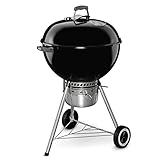 The Weber Original Kettle Premium Charcoal Grill is a classic choice that combines timeless design, durability, and exceptional performance.
This iconic kettle grill offers even heat distribution and a spacious 22-inch cooking surface, making it great for family meals and small gatherings.
It features a built-in thermometer for accurate temperature control, a hinged cooking grate for easy charcoal access, and a one-touch cleaning system for simple maintenance.
Made from durable, rust-resistant porcelain-enameled steel, it’s a reliable choice for grillers of all skill levels seeking flavorful results.
 The Kamado Joe Classic II 18-Inch Ceramic Charcoal Grill is a premium, versatile grill designed for those who take their outdoor cooking seriously.
It features a durable ceramic build that delivers excellent heat retention and distribution for grilling, smoking, and baking.
Its 250-square-inch cooking surface provides ample space, while the Divide & Conquer multi-level system and Air Lift Hinge add flexibility and ease of use.
Built with weather-resistant, high-quality materials, it’s a versatile and long-lasting grill suited for both beginners and experienced grillers seeking exceptional flavor and performance.
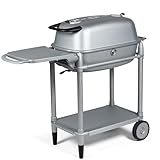 The PK Grills PK300 Portable Charcoal BBQ Grill is a rugged and versatile option for grillers who value performance and portability.
Made from durable cast aluminum, the PK300-SCX delivers excellent heat retention and even cooking for consistently great results.
Its compact, portable design makes it ideal for backyard grilling as well as camping or tailgating, while the 300-square-inch cooking surface offers plenty of room for multiple foods.
Featuring a unique capsule shape for both direct and indirect cooking and built to withstand the elements, this American-made grill is a versatile, long-lasting option for quality, performance, and dependable grilling anywhere.