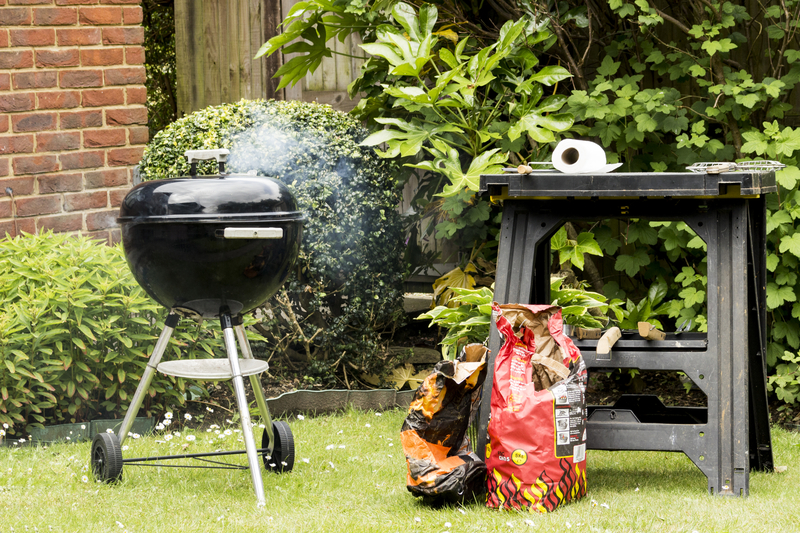

 Figuring out how many bags of charcoal to buy can feel like guesswork, but it doesn’t have to be.
Most grillers need one 15-20 pound bag of charcoal for 3-4 grilling sessions, though this varies based on your grill size, cooking method, and whether you’re using lump charcoal or briquettes.
Understanding these variables will save you from running out mid-cookout or wasting money on excess fuel.
Your charcoal needs change dramatically depending on what you’re cooking. A quick sear of burgers requires far less fuel than smoking a brisket for 12 hours, and the difference can mean using anywhere from a few cups to an entire bag in one session.
This guide breaks down exactly how to calculate your charcoal requirements based on grill dimensions, cooking techniques, and food types. You’ll learn how different charcoal varieties burn at different rates, which setup methods maximize efficiency, and how proper storage extends your fuel’s lifespan.
Understanding How Many Bags of Charcoal You Need
 The amount of charcoal you need depends on your grill size, cooking method, and session length. A standard 20-pound bag serves most cookouts on medium-sized grills, while larger grills or extended smoking sessions require multiple bags.
Why the Right Charcoal Amount Matters
Using the correct charcoal quantity prevents wasted fuel and money while ensuring your food cooks properly. Too little charcoal means your grill won’t reach the target temperature or maintain heat long enough to finish cooking. Too much charcoal burns unnecessarily, forcing you to discard unused fuel or deal with excessive heat you can’t control.
Temperature control becomes easier when you start with the right amount. Briquettes peak at 1000°F while lump charcoal reaches 1400°F at the coal surface, affecting how much you need for specific cooking styles. Your charcoal expenses add up quickly if you consistently overload your grill, especially during frequent grilling sessions throughout the season.
Quick Reference: Charcoal Quantity Per Grill Type
| Grill Diameter | Burgers/Hot Dogs (1 hour) | Roasting (2-3 hours) | Low & Slow Smoking (8-12 hours) |
|---|---|---|---|
| 14-18 inches | 2-3 lbs (briquettes) | 4-5 lbs | 10-15 lbs |
| 20-22 inches | 3-4 lbs | 5-6 lbs | 15-20 lbs |
| 24+ inches | 5-6 lbs | 8-10 lbs | 20-30 lbs |
A standard 20-pound bag covers three to five typical grilling sessions on a 22-inch grill. Vertical smokers like the Weber Smokey Mountain hold approximately 15-18 pounds of charcoal when fully loaded for extended cooks. Kamado grills use less fuel due to their efficient ceramic design, typically consuming 40% less charcoal than traditional kettle grills for the same cooking time.
Types of Charcoal and Their Impact on Usage
 The type of charcoal you select directly affects how much fuel you’ll need and how often you’ll refill during cooking. Lump charcoal burns hotter but faster, while briquettes offer steady, prolonged heat at lower temperatures.
Differences Between Lump Charcoal and Briquettes
Lump charcoal is made by burning wood in oxygen-free environments until all chemicals are removed, leaving pure carbon pieces in irregular shapes. Briquettes consist of compressed sawdust mixed with chemical binders and fillers, formed into uniform blocks.
Lump charcoal ignites faster and reaches higher temperatures than briquettes. It burns out quicker, requiring more frequent additions to maintain cooking temperatures. The irregular sizes create uneven heat zones across your grill surface.
Briquettes burn longer and maintain consistent temperatures throughout the cooking process. They produce more ash than lump charcoal, making cleanup more intensive. The chemical additives in briquettes can create noticeable odors during ignition.
Choosing Lump Wood Charcoal for Various Setups
Use lump wood charcoal when you need high-heat searing for steaks or burgers that cook in under 15 minutes. Fill your chimney completely for fast, hot grilling sessions.
Lump charcoal works well in smaller grills where you can monitor fuel levels closely. You’ll need approximately 50% more lump charcoal compared to briquettes for extended cooking sessions.
The minimal ash production makes lump charcoal ideal for grills with limited airflow or small ash collection areas. Keep extra fuel ready since you’ll add charcoal 2-3 times during longer cooks.
When to Use Charcoal Briquettes
Select briquettes for low-and-slow cooking methods like smoking brisket or roasting prime rib over 4-8 hours. Their uniform size allows accurate measurement using a chimney starter.
Briquettes cost less per pound than lump charcoal and deliver predictable burn times. A full chimney of briquettes typically lasts 60-90 minutes at medium heat, while half a chimney works for delicate foods like fish.
Use briquettes when cooking multiple batches of food, as their steady burn eliminates temperature fluctuations between rounds. Fill your charcoal pan with a single layer for standard grilling or bank them to one side for two-zone setups.
Key Factors That Determine Charcoal Quantity
 The amount of charcoal you need depends on your grill’s dimensions, the temperature you want to reach, what you’re cooking, and whether you’re using direct or indirect heat. Each factor directly affects how many bags you’ll purchase and how much charcoal you’ll pour into your grill.
Grill Size and Design Considerations
Your grill’s diameter and depth determine the base charcoal amount you need. A standard 22-inch kettle grill requires about 30-40 briquettes for a single layer, while a 26-inch model needs 50-60 briquettes for the same coverage.
Larger barrel grills and offset smokers can require two to three times more charcoal than compact portable units. The grill’s wall thickness matters because well-insulated grills with thick walls retain heat better and burn through less fuel during extended cooking sessions.
Grill design affects airflow and heat distribution. Models with adjustable vents give you better temperature control, which means you can use less charcoal while maintaining consistent heat. Poor ventilation systems waste charcoal by creating uneven burning patterns.
Desired Cooking Temperature
High-heat grilling at 450-550°F requires more charcoal than low-temperature cooking at 225-250°F. For searing steaks, you need approximately 50-75 briquettes in a standard grill to reach these peak temperatures.
Low and slow cooking uses fewer briquettes at one time but burns them over longer periods. A 12-hour smoke session typically consumes 80-100 briquettes total when added gradually, compared to 40-50 briquettes for a quick 30-minute high-heat cook.
Temperature control techniques like the two-zone method split your charcoal between hot and cool areas. This setup uses about 60% of the charcoal on the hot side and reserves the remaining 40% for the indirect zone.
Food Type and Amount
Thick cuts of meat require sustained heat over longer periods, increasing charcoal usage. A whole brisket or pork shoulder needs 3-4 pounds of charcoal for a complete cook, while thin chicken breasts only require 1-2 pounds.
The quantity of food on your grill affects heat retention. A full grill loaded with multiple items holds temperature better than cooking a single burger, which means you might use 10-15% less charcoal when grilling larger batches.
Delicate foods like fish and vegetables cook quickly at moderate temperatures of 350-400°F. These items need about 25-35 briquettes in a standard grill, significantly less than what dense proteins require.
How Cooking Method Changes Usage
Direct grilling spreads charcoal evenly across the grill bottom in a single or double layer. This method uses all the charcoal at once and works best for foods that cook in under 30 minutes.
Indirect cooking piles charcoal on one side only, using roughly half the amount that direct grilling requires at any given moment. You’ll add fresh briquettes every 45-60 minutes to maintain temperature throughout the session.
The snake method arranges unlit briquettes in a semicircle around the grill’s perimeter with lit coals at one end. This technique burns approximately 8-10 briquettes per hour and can run for 12-15 hours using about 100 total briquettes. Smoking with wood chunks added to charcoal doesn’t significantly change charcoal quantity but extends flavor development time.
How Much Charcoal to Use for Different Cooking Styles
 The amount of charcoal you need depends on whether you’re using direct heat for searing, indirect heat for larger cuts, or low-and-slow methods for smoking. Each technique requires a specific charcoal setup to maintain proper temperatures.
Direct Grilling: High Heat and Fast Cooking
Direct grilling requires 2-3 layers of charcoal spread evenly across the bottom of your grill. This setup creates temperatures between 450°F and 550°F, ideal for steaks, burgers, and vegetables.
For a standard 22-inch grill, use approximately 50-60 briquettes or 4-6 cups of lump charcoal. Small grills need 30-40 briquettes, while larger 26-inch models require 80-100 briquettes to cover the cooking area adequately.
Arrange the lit coals in a single even layer for consistent heat across the entire cooking surface. Foods cook in 10-20 minutes at these temperatures, so you won’t need to add more charcoal during the session.
Indirect Grilling: Lower Heat for Thicker Foods
A two-zone grill setup divides your charcoal into two piles on opposite sides of the grill, leaving the center empty. This configuration creates a cooler zone in the middle where food cooks without direct flame contact.
Use 25-30 briquettes per side for medium grills, totaling 50-60 briquettes for the entire setup. The indirect zone maintains temperatures between 300°F and 400°F, suitable for whole chickens, pork chops, and thick steaks.
Place a drip pan filled with water in the center to catch drippings and maintain moisture. Add 8-10 fresh briquettes to each side every 45-60 minutes when cooking foods that need more than an hour.
How Much Charcoal to Use When Smoking
Smoking requires 4 cups of unlit charcoal as a base layer with 15-20 lit briquettes placed on top using the minion method. This arrangement creates temperatures between 225°F and 275°F that last 4-6 hours without refueling.
For extended smoking sessions beyond 6 hours, start with 8-10 cups of unlit charcoal in the base layer. The lit coals gradually ignite the unlit ones, providing steady heat and even heat distribution throughout the cook.
Add wood chunks directly onto the coals for smoke flavor rather than mixing them into the charcoal pile. Monitor vent positions to control airflow: open vents increase temperature by 25-50°F, while closing them reduces heat output.
Charcoal Setup Methods and Advanced Techniques
 How you arrange charcoal affects burn time, temperature control, and whether you’ll need to refuel mid-cook. Different placement methods serve specific cooking styles, from quick searing to all-day smoking.
Using a Charcoal Chimney for Accurate Measurement
A charcoal chimney provides the most reliable way to measure fuel for your grill. This cylindrical metal container holds a consistent volume of charcoal each time you fill it, eliminating the guesswork of counting pieces or estimating portions of a bag.
Fill the chimney completely for high-heat cooking like burgers or steaks. Half-full works for fish or vegetables that need gentler temperatures. You can use chimney fractions as your standard unit of measurement instead of counting individual briquettes or lumps.
The chimney also lights charcoal faster than traditional methods. Place crumpled newspaper or a fire starter under the chimney, and your coals will be ready in 15-20 minutes. Once the top coals show gray ash, pour them into your grill according to your chosen setup method.
2-Zone and Charcoal Ring Techniques
The 2-zone setup banks all lit charcoal to one side of your grill, creating a hot direct-heat zone and a cooler indirect zone. This arrangement lets you sear meat over high heat, then move it to the empty side to finish cooking without burning.
Place your charcoal against one wall of the grill for the direct zone. The opposite side receives no coals but still provides radiant heat for slower cooking. This method works well for thick cuts that need a crust plus gentle interior cooking.
A charcoal ring confines fuel to a circular pattern in the center of your grill. This creates even heat distribution for rotisserie cooking or when you need uniform temperature across the entire grate. Commercial charcoal baskets serve the same purpose while making ash cleanup simpler.
Minion and Snake Methods for Smoking
The minion method involves lighting a small number of coals and placing them on top of unlit charcoal. The lit pieces gradually ignite the cold fuel below, extending your burn time to 8-12 hours without adding more charcoal.
Start with a full charcoal basket or pan of unlit briquettes. Add 10-20 lit coals on top, and they’ll slowly burn downward through the pile. This technique maintains steady temperatures between 225-275°F for smoking brisket or pork shoulder.
The snake method arranges unlit briquettes in a C-shape or semicircle around your grill’s perimeter. Light one end of the charcoal snake, and it burns progressively along the curve like a fuse. Each segment of the snake provides 30-60 minutes of heat, giving you 6-8 hours of consistent cooking temperature for ribs or whole chickens.
Tips for Efficient Charcoal Usage and Storage
 Getting the most from your charcoal means knowing how to reuse partially burned pieces and making real-time adjustments while cooking. Proper storage practices protect your investment and keep fuel ready for your next grilling session.
Reusing Charcoal and Reducing Waste
You can reuse charcoal pieces that haven’t fully burned during your cooking session. After grilling, close all vents on your grill to starve the fire of oxygen and extinguish the coals naturally.
Wait at least 24 hours before handling any charcoal to ensure complete cooling. Remove ash from the remaining pieces by shaking or brushing them off, since ash absorbs moisture and can cause mold growth.
Store these leftover pieces in a sealed metal container separate from fresh charcoal. When you’re ready to grill again, mix the used pieces with new charcoal at roughly a 1:3 ratio to maintain consistent ignition and heat output.
Lump charcoal breaks down more during use than briquettes, leaving fewer reusable pieces. Briquettes tend to hold their shape better and provide more opportunities for reuse.
Never store partially used charcoal in paper bags or cardboard boxes. Transfer it to an airtight container immediately after it cools to prevent moisture absorption from the air.
Monitoring and Adjusting Charcoal During Cooking
Check your charcoal bed every 30-45 minutes during long cooking sessions to maintain target temperatures. Add 6-10 fresh briquettes or equivalent lump charcoal when the temperature drops by 25°F below your desired range.
Adjust your grill’s bottom and top vents to control airflow rather than adding more charcoal unnecessarily. Opening vents wider increases oxygen flow and raises temperature, while closing them partially reduces heat.
Push charcoal closer together to concentrate heat for searing, or spread pieces farther apart for lower, more even cooking temperatures. Use long-handled tongs to move hot coals safely without losing heat by removing the grill lid for extended periods.
Gray ash coating on briquettes indicates they’re ready for cooking, while lump charcoal should glow red with minimal flame. Remove excess ash buildup during cooking by gently tapping the charcoal grate, which allows better airflow and prevents temperature drops.
Conclusion: Estimating Charcoal Doesn’t Have to Be Complicated
 Determining how many bags of charcoal you need ultimately comes down to your grill size, cooking style, and the type of charcoal you use. For most backyard grillers, a standard 15–20 pound bag will cover three to five typical grilling sessions, while longer cooks like smoking brisket may use most or all of a bag in a single day.
By understanding how factors like temperature, cooking method, and fuel type affect burn rate, you can plan your charcoal usage much more accurately. Techniques like two-zone setups, the Minion method, and chimney starters also help you stretch your fuel further while maintaining better temperature control.
With a little planning and the right storage habits, you’ll waste less charcoal, avoid mid-cook fuel shortages, and get more consistent grilling results. In the end, learning to estimate charcoal properly makes grilling more efficient, more predictable, and far more enjoyable.