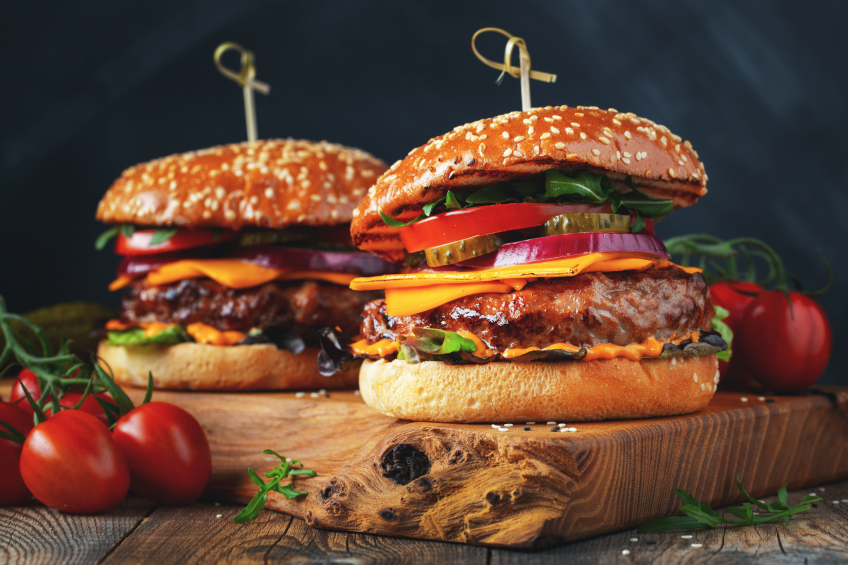

 Grilling burgers perfectly comes down to timing and temperature.
For a 6-ounce, ½-inch thick burger, you should grill for 8 to 11 minutes total on both sides, depending on your preferred doneness.
Medium-rare burgers need about 4 minutes per side, while well-done burgers require at least 10 minutes total.
Getting your timing right makes the difference between a juicy burger and a dried-out patty. Your burger’s thickness, grill temperature, and desired internal temperature all affect how long you need to cook each side. Understanding these factors helps you avoid undercooking or overcooking your burgers.
This guide breaks down the exact timing for each doneness level and shows you how to adjust for different burger sizes. You’ll learn which internal temperatures to aim for, the best grilling practices to follow, and expert tips that ensure consistent results every time you fire up your grill.
Key Factors Affecting Grilling Time
 Several variables determine how long your burgers need on the grill. Patty thickness, fat content, grill temperature, and equipment type all affect cooking duration.
Patty Thickness and Size
Patty thickness directly controls cooking time more than any other factor. A standard 1-inch thick patty requires 2 to 4.5 minutes per side depending on desired doneness, while thinner patties cook faster and thicker ones need additional time.
Quarter-pound burgers shaped to 3/4-inch thickness cook 30 to 45 seconds faster per side than 1-inch patties. If you form patties thicker than 1 inch, add 1 to 2 minutes per side to reach the same internal temperature.
Inconsistent patty size creates uneven cooking results. Shape all your patties to the same diameter and thickness to ensure they finish at the same time. Making a slight indent in the center of each patty prevents bulging during cooking and maintains uniform thickness.
Fat Content and Patty Composition
Fat content changes both cooking speed and moisture retention. 80/20 ground beef (80% lean, 20% fat) provides the best balance of flavor and juiciness while cooking at a moderate rate.
Leaner meat like 90/10 ground beef cooks faster and dries out more quickly. These patties need about 30 seconds less per side than 80/20 blends. Higher fat content slows cooking slightly as fat takes longer to render, but the extra moisture prevents overcooking.
Ground turkey and chicken cook faster than beef at the same thickness. These leaner proteins require careful monitoring and must reach 165°F for food safety.
Grill Temperature and Heat Zones
Medium-high heat between 450°F and 500°F creates the ideal cooking environment for burgers. This temperature range produces a flavorful crust while cooking the interior properly.
A preheated grill is essential for accurate timing. Heat your grill for 10 to 15 minutes before adding patties to establish stable temperature zones. Cold grates absorb heat from your burgers and extend cooking time unpredictably.
Lower temperatures below 400°F dry out burgers before developing a proper sear. Temperatures above 550°F char the exterior before the inside cooks through. Check your grill temperature with a surface thermometer before starting.
Grill Type and Preparation
Gas grills maintain consistent temperatures and allow precise heat control. They typically cook burgers according to standard timing charts when properly preheated.
Charcoal grills run hotter and create more temperature variation across the cooking surface. Burgers on charcoal may cook 30 seconds to 1 minute faster than gas-grilled burgers at comparable heat levels. Position coals to create hot and cooler zones for better control.
Weather conditions affect both grill types. Cold or windy days lower grill temperatures and add 1 to 2 minutes to total cooking time. Keep the lid closed between flips to maintain heat on cold days.
Grilling Time for Each Side by Doneness Level
 Burger cooking time depends on your preferred doneness level and requires specific timing for each side to achieve consistent results. A 1-inch thick burger needs 3-4 minutes per side for medium-rare, 4-5 minutes per side for medium, and 6-7 minutes per side for well-done.
Rare and Medium-Rare Burgers
Rare burgers cook for approximately 2-3 minutes per side and reach an internal temperature of 120-125°F. The center remains bright red and cool to the touch.
Medium-rare burgers require 3-4 minutes per side at medium-high heat. You should flip the burger only once to maintain moisture and develop a proper crust. The internal temperature reaches 130-135°F, leaving the center warm and pink.
These shorter grilling times work best for ¾ to 1-inch thick patties. If your burger is thicker than 1 inch, add 30-60 seconds per side. The USDA recommends ground beef reach 160°F for food safety, so rare and medium-rare burgers carry higher risk if the meat hasn’t been handled properly.
Medium and Medium-Well Burgers
Medium burgers need 4-5 minutes per side to reach 140-145°F internally. The center shows a slight pink color while the edges are fully cooked.
Medium-well burgers require 5-6 minutes per side for proper cooking. At 150-155°F internal temperature, only a thin line of pink remains in the center. Your burger will have a firmer texture compared to medium doneness.
You should avoid pressing down on burgers while grilling, as this squeezes out juices and reduces flavor. These cooking times apply to standard beef patties with 15-20% fat content on a grill preheated to 375-400°F.
Well-Done Burgers
Well-done burgers need 6-7 minutes per side to reach the USDA-recommended 160°F throughout. The meat shows no pink color and has a firm, fully cooked texture.
For thicker patties over 1 inch, extend the time to 7-8 minutes per side. You can reduce heat slightly after the initial sear to prevent burning the exterior before the center cooks through. Using a meat thermometer eliminates guesswork and ensures your burger reaches proper temperature.
Well-done burgers lose more moisture during extended cooking, so starting with higher-fat ground beef (20% fat) helps maintain juiciness. Let the burger rest for 3-5 minutes after removing from heat to allow juices to redistribute.
Essential Internal Temperatures for Burgers
 Getting the internal temperature right is the difference between a safe, juicy burger and one that’s either undercooked or dry. A meat thermometer inserted into the side of the patty gives you the most accurate reading.
Temperature Guidelines for Safety
The USDA recommends cooking ground beef to an internal temperature of 160°F to eliminate harmful bacteria like E. coli and Salmonella. Ground meat poses higher risks than whole cuts because bacteria on the surface gets mixed throughout during grinding.
You should always use an instant-read thermometer to verify your burger has reached a safe temperature. Insert the probe horizontally through the side of the patty to reach the center, where the meat stays coolest. Top-down insertion often gives false readings because the probe may not reach the middle.
Ground turkey and chicken burgers require the same 160°F minimum for safety. Only beef burgers can be safely consumed below this temperature if you accept the associated risks.
Target Temperatures by Doneness
Each level of doneness corresponds to a specific internal temperature that determines texture and appearance:
- Rare (125°F): Completely pink throughout with a soft, very juicy texture
- Medium-rare (135°F): Slight browning near the crust with a mostly pink center
- Medium (145°F): Pink center with brown outer portions
- Well-done (160°F): Fully browned throughout with no pink
These temperatures apply to 1-inch thick beef patties. Thicker patties may show more gradient from crust to center at the same internal temperature. Thinner patties cook faster and reach temperature more uniformly.
Resting and Carryover Cooking
Your burger’s internal temperature continues to rise 3-5°F after you remove it from the grill. This phenomenon, called carryover cooking, occurs as heat from the exterior migrates toward the cooler center.
Pull your burgers off the heat when they’re 3-5°F below your target temperature. Let them rest on a plate for 1-2 minutes before serving. This resting period also allows juices to redistribute throughout the meat instead of running out when you cut into it.
A burger pulled at 140°F will reach 145°F during rest, giving you a perfect medium doneness. Skip the rest, and you’ll end up with a burger that’s more done than you intended.
Best Practices for Grilling Burgers
 Success with grilling burgers depends on proper patty preparation, accurate temperature monitoring, and correct handling techniques during cooking.
Preparing and Shaping Burger Patties
Start with ground beef that contains 80% lean meat and 20% fat. This ratio provides enough fat to keep burgers juicy without excessive grease.
Handle the meat gently when forming patties. Overworking the ground beef creates dense, tough burgers. Shape each patty to about 1 inch thick with a diameter slightly larger than your buns, as burgers shrink during cooking.
Create a shallow indent in the center of each patty with your thumb. This dimple prevents the burger from puffing up into a dome shape on the grill. Season the patties with salt and pepper just before placing them on the grill, not earlier, since salt draws moisture out of the meat over time.
Let your shaped patties sit at room temperature for 10 to 15 minutes before grilling. Cold meat straight from the refrigerator cooks unevenly, leading to a burnt exterior and undercooked center.
Using a Meat Thermometer
Insert a meat thermometer horizontally into the side of the burger, pushing it to reach the center of the patty. This method gives you the most accurate reading of the internal temperature.
Check the temperature when you think the burger is close to done. For medium-rare, remove burgers at 135°F. For medium, aim for 145°F. Well-done burgers should reach 160°F.
A meat thermometer eliminates guesswork and prevents overcooking. The finger test, which involves pressing the burger to gauge doneness by firmness, requires practice and often leads to inconsistent results.
Digital instant-read thermometers provide readings in seconds and cost less than wasting expensive ground beef on overcooked burgers.
Flipping and Handling Techniques
Flip your burgers only once during cooking. Multiple flips slow down the cooking process and prevent proper crust formation.
Wait until the burger naturally releases from the grill grates before flipping, typically after 2 to 4 minutes depending on desired doneness. If the patty sticks, it needs more time to develop a proper sear.
Never press down on burgers with your spatula while they cook. This common mistake squeezes out juices and fat, resulting in dry burgers. Use a wide spatula to flip burgers in one smooth motion without breaking them apart.
Let grilled burgers rest for 2 to 3 minutes before serving. This resting period allows juices to redistribute throughout the meat for better texture and moisture.
Expert Tips for the Perfect Burger
 Mastering burger technique requires attention to timing and avoiding key mistakes that compromise texture and flavor. Season patties right before grilling to form a better sear and distribute moisture evenly throughout the meat.
Timing, Searing, and Flipping
You should flip your burger only once during cooking to develop a proper crust. Flipping multiple times prevents the Maillard reaction from creating that desirable caramelized exterior.
Wait until you see moisture beading on the top surface before flipping. This typically occurs after 3-4 minutes for a standard ¾-inch patty over medium-high heat. The burger should release easily from the grates when ready to flip.
Apply salt and pepper just before grilling rather than mixing the seasonings into the meat. This method helps create a rich, flavorful crust while keeping the interior tender and juicy. Seasoning too early can draw out moisture, increasing the risk of dry patties.
Proper seasoning is essential for a great burger. A simple blend of salt, freshly ground black pepper, and a touch of garlic powder is often all you need. Many cooks prefer kosher salt for its larger crystals, which distribute evenly and enhance the natural flavor of the beef without overpowering it.
Use a two-zone fire setup on your grill. Place patties over direct heat to sear, then move them to indirect heat to finish cooking through without burning the exterior.
Common Grilling Mistakes to Avoid
Pressing down on burgers with your spatula releases valuable juices and fat that keep the meat moist. This mistake results in dry, dense patties instead of juicy burgers.
Never work the meat too much when forming patties. Overhandling develops gluten strands and creates a tough texture. Form patties gently and create a small dimple in the center to prevent bulging during cooking.
Starting with a cold grill prevents proper searing. Preheat your grill for 10-15 minutes until it reaches 400-450°F for optimal results.
Avoid cutting into burgers to check doneness, as this releases juices. Use an instant-read thermometer inserted horizontally into the side of the patty instead. Choose patties of uniform thickness to ensure even cooking across all burgers.