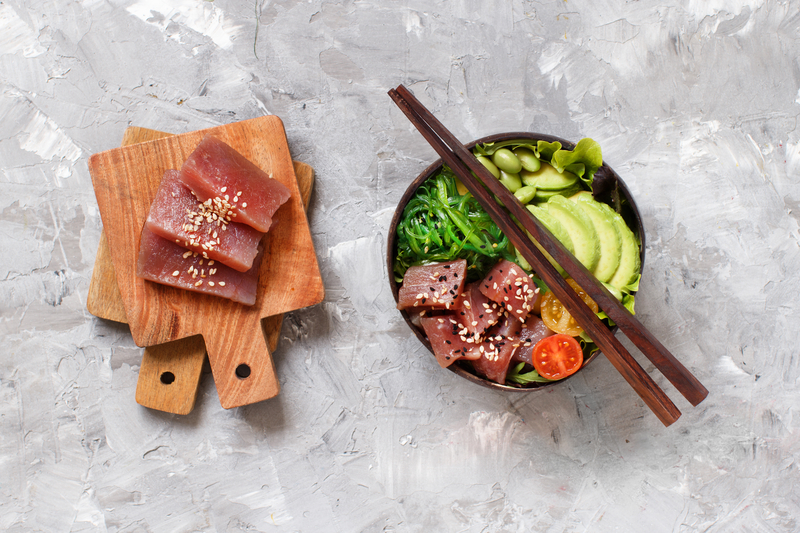

 If your poke bowl contains raw fish, eat it within 24 hours of refrigeration. You might stretch it to 48 hours, but after that, both safety and quality drop off fast.
Raw fish spoils much faster than most leftovers, even when stored properly. The short shelf life is a direct result of its delicate nature and vulnerability to bacteria.
The shelf life of your poke bowl comes down to its ingredients, storage method, and fridge temperature. Bowls with cooked proteins or just veggies will last longer than those with raw fish.
Proper storage, recognizing spoilage, and safe extension of shelf life are essential. Whether you made your poke at home or grabbed one from a restaurant, a few practical habits go a long way in keeping you safe and minimizing waste.
How Long Is a Poke Bowl Good For?

Raw fish poke bowls last up to 24 hours in the fridge, 48 hours at the absolute max. Bowls with cooked proteins can stay fresh for three to four days.
Shelf Life of Raw Poke
Poke bowls with fresh fish should be eaten within 24 hours for best results. The USDA says raw seafood is safe for up to two days when refrigerated, but that’s really pushing it.
After 48 hours, bacteria growth increases sharply. That’s when risk outweighs reward.
Critical storage rules for raw poke:
- Keep refrigerated at 40°F or below.
- Never leave at room temperature for more than two hours.
- Use airtight containers.
- If possible, place ice packs around the container to keep it cold.
Fresh poke, especially marinated fish, tastes best the same day. The longer it sits, the more texture and flavor degrade.
Freshness Timeline for Poke Bowls
Poke bowls are at risk when exposed to temperatures between 40°F and 140°F. Bacteria multiply very quickly in this range.
If you ordered delivery or brought a poke bowl home, aim to eat it by lunch the next day. The countdown starts at preparation, not when you refrigerate it.
Any time spent at room temperature counts toward that two-hour limit. If a bowl sat out overnight, toss it—no exceptions.
Cooked Ingredients vs. Raw Fish
Bowls with cooked proteins last longer than those with raw fish. Cooked fish and shrimp are good for three to four days in the fridge.
Storage times for common poke ingredients:
| Ingredient | Refrigerator Life |
|---|---|
| Raw fish | 24-48 hours |
| Cooked fish/shrimp | 3-4 days |
| Cooked chicken/beef | 3-4 days |
| Tofu | Up to 5 days |
| Cooked beets | Up to 5 days |
| Cooked rice | 3-4 days |
Storing each component separately in airtight containers helps preserve textures and flavors. This is especially useful for meal prep with cooked ingredients.
Plant-based choices like tofu and cooked beets allow for longer storage while keeping the poke bowl experience intact. When in doubt, it’s safer to discard questionable ingredients.
Factors Affecting Poke Bowl Freshness

The freshness of a poke bowl depends on ingredient quality, storage method, and the types of sauces used. Each of these factors can make a noticeable difference in how long your meal stays safe to eat.
Ingredient Quality and Type
Sushi-grade tuna and salmon are ideal for poke because they’re handled for raw consumption. Fresh fish should smell clean, not overly fishy, and have a bright, consistent color.
Vegetable choices matter too. Cucumber, avocado, and edamame outlast leafy greens. Rice poses its own risk, as it can harbor bacteria if not cooled and stored properly.
Ingredient Freshness Timeline:
- Raw fish: 1-2 days refrigerated
- Cooked rice: 3-4 days refrigerated
- Fresh vegetables: 2-3 days refrigerated
- Avocado (cut): 1-2 days refrigerated
Starting with high-quality ingredients is key to maximizing shelf life and food safety.
Temperature and Storage Conditions
Temperature control is essential. Your fridge should stay at or below 40°F (4°C) to keep bacteria at bay.
Don’t leave poke bowls at room temperature for more than 2 hours. On hot days above 90°F, that window drops to just 1 hour. Airtight containers help reduce contamination and prevent drying out.
Storing ingredients separately keeps textures intact. Place your poke bowl in the coldest part of the fridge—usually the back of the bottom shelf.
Sauce and Marinade Effects
Sauces and marinades influence shelf life in subtle ways. Soy sauce acts as a preservative, while citrus-based marinades can start “cooking” fish, ceviche-style.
Oil-based sauces help lock in moisture but can go rancid if stored too long. Creamy, mayo-based dressings spoil faster than simple soy-based ones. If you plan to store poke, keep sauces separate until serving.
Marinated fish doesn’t last longer than unmarinated—both are best within 1-2 days. Marinades can sometimes mask early spoilage, so always check fish for off smells or changes in texture.
Safe Storage Practices for Poke Bowls

Maintaining food safety with poke bowls means keeping them below 40°F, using airtight containers, and never leaving them out for more than two hours.
Refrigeration Guidelines
Keep your fridge at or below 40°F. It’s worth checking with a thermometer occasionally, since temperature swings can go unnoticed.
Store poke bowls on a shelf, not in the door, since the door is warmer and subject to frequent temperature changes. The back of the fridge is usually coldest.
Refrigerate poke within two hours of making or buying it. If it’s especially hot out, cut that to one hour.
Storage Timeline:
- Raw fish poke: 24 hours maximum
- Cooked protein poke: 48 hours maximum
Airtight and Separate Containers
Use airtight glass or BPA-free plastic containers to limit odor transfer and reduce bacterial exposure. Store rice, fish, and sauces separately whenever possible.
This approach keeps rice from getting soggy and helps preserve the texture of each ingredient. It also makes it easier to check each part for freshness and discard only what’s necessary.
Label containers with the date and time stored. It’s a simple habit that makes tracking freshness easier.
Room Temperature Considerations
Poke bowls shouldn’t sit out at room temperature for more than 1-2 hours, counting both prep and eating time. If you’re eating slowly, return portions to the fridge between servings.
If a bowl’s been left out overnight, don’t risk it. Harmful bacteria can grow even if everything looks and smells fine.
For outdoor events or warm weather, use ice packs or coolers to keep poke below 40°F. Swap out ice packs as they warm up to keep things safe.
Freezing and Reheating Poke

Freezing poke bowls isn’t recommended if you care about texture or quality. Reheating poke with raw fish is also a no-go, though rice is an exception.
Freezing Poke Bowls
Assembling a poke bowl and freezing it just doesn’t work. Freezing ruins the texture of raw fish, making it watery and mushy after thawing.
Ice crystals damage the fish’s cell structure, so you lose that clean, firm bite. If you absolutely must freeze leftover sushi-grade fish, do it unsauced and vacuum-sealed, but only use it cooked later—never eat it raw after freezing.
Other components don’t fare well either. Rice gets hard and grainy, cucumbers go limp, and avocado browns and loses its appeal.
Texture and Quality After Freezing
Freezing causes irreversible quality loss. Thawed raw fish becomes soft and leaks moisture, losing its signature bite.
Rice hardens due to starch crystallization, so it never regains its original texture. Sauces may separate, leaving you with an uneven, watery mess.
Cooked proteins like grilled chicken or tofu freeze better than raw fish, but even then, the result is rarely ideal.
Reheating Leftover Poke
Never reheat a poke bowl with raw fish in the microwave. Doing so cooks the fish, resulting in an unpleasant smell and a rubbery texture.
Microwaving raw fish can also create unsafe temperature conditions for bacterial growth. If the rice is cold and hard, there are a couple of safer ways to handle it.
The best method is to separate the fish and toppings from the rice. Microwave only the rice for 30 to 45 seconds until it softens, then let it cool a bit before returning the cold fish.
If you prefer not to use a microwave, let the entire poke bowl sit at room temperature for about 15 to 20 minutes. This takes the chill off the rice without warming the raw fish.
For poke bowls with cooked proteins, gentle reheating is possible. Use low microwave power and heat in 30-second intervals.
Stir between intervals to avoid overcooking the protein or drying out the rice. This approach usually preserves texture and flavor better.
How to Tell if a Poke Bowl Has Gone Bad

A poke bowl can spoil quickly, especially with raw fish and fresh vegetables. Recognizing the warning signs is crucial for safety and avoiding foodborne illness.
Visual and Smell Indicators
Fresh fish should look bright and glossy, never dull or gray. Salmon should be vibrant pink or orange, while tuna should show a deep red hue.
If your poke bowl gives off a strong fishy, sour, or ammonia-like odor, it’s time to toss it. A clean, mild ocean scent is what you want.
Vegetables should be crisp and colorful. Wilted greens, brown avocado, or slimy cucumber are clear indicators the bowl’s past its best.
The rice should be free of discoloration or visible mold spots. Any off-color or strange growth means it’s no longer safe.
Texture Changes in Fish and Ingredients
Raw fish should feel firm to the touch. If it’s mushy, sticky, or slimy, that’s a red flag—bacteria have likely started breaking down the proteins.
Rice should remain slightly sticky and separate. Hard, dried-out rice or rice that’s turned mushy signals it’s absorbed too much moisture or has been stored too long.
Vegetables should provide crunch and texture. Soggy seaweed salad, limp edamame, or mushy radishes all point to a poke bowl that’s been sitting too long.
Signs of Spoilage in Toppings
Avocado browning is just oxidation, but black spots or a rotten smell mean the bowl’s unsafe. Sesame seeds and nuts should be crunchy, not rancid.
Sauces and dressings may separate, which is normal, but visible mold or sour smells are not. Discard any bowl with suspicious sauces or curdled creamy dressings.
Pickled ginger and seaweed should keep their color and texture. If any topping shows spoilage, it’s safest to discard the whole bowl to prevent cross-contamination.
Health Risks and Food Safety Concerns

Raw fish in poke bowls brings specific health risks that shouldn’t be overlooked. Bacterial growth, improper storage, and natural seafood toxins are the main concerns.
Preventing Foodborne Illness
Bacterial contamination—think Salmonella, Listeria, Vibrio—is the most common threat with poke bowls. These pathogens multiply fast when fish is left at room temperature.
Always refrigerate poke bowls within two hours of preparation. Keep them at or below 40°F (4°C), ideally in the coldest part of your fridge.
Never leave poke bowls out on the counter or in a warm car. Raw fish is especially risky since surface bacteria aren’t killed by heat, making freshness at purchase critical.
Choose poke shops that display proper food safety certifications and keep fish on ice. It’s a simple step that can make a real difference.
Scombroid Poisoning and Other Risks
Scombroid poisoning can occur when tuna and similar fish are stored too warm, leading to high histamine levels. Symptoms like flushing and nausea can hit within minutes and can’t be avoided by refrigeration once histamine forms.
Ciguatera poisoning is less common but possible with certain reef fish. Mercury exposure is another consideration, especially if you eat ahi tuna poke frequently.
For most people, the risk from an occasional poke bowl is low. Eating it daily, though, could lead to gradual mercury accumulation—worth keeping in mind.
Safe Consumption Timelines
Poke bowls with raw fish are only safe for up to 24 hours in the fridge, counted from when the bowl was first made. For best quality and lowest risk, aim to eat within 12 hours.
Storage Timeline for Poke Bowls:
- 0-2 hours: Safe at room temperature; refrigerate by two hours
- 2-24 hours: Safe if refrigerated below 40°F in an airtight container
- After 24 hours: Unsafe, discard
Poke bowls with cooked proteins like grilled chicken or shrimp can last 48-72 hours, but the quality of vegetables and rice will decline before the protein spoils.
Maximizing Enjoyment and Reducing Waste

The best way to enjoy poke is fresh, with a bit of planning to minimize waste. Choosing quality ingredients and portioning carefully makes a difference.
Best Practices for Leftovers
If you can’t finish your poke, refrigerate leftovers right away. Separate the raw fish, rice, and vegetables into airtight containers when possible.
This prevents the fish from making everything else soggy and helps preserve texture. Keep leftovers for no more than 24 hours, and store the fish in the coldest part of your fridge.
Before eating, check for a clean, ocean-like smell and bright color. Any sliminess, white liquid, or off odors mean it’s time to throw the poke out.
Selecting Fresh and Safe Ingredients
Buy fish from trusted sources that store seafood properly. Ask when the fish arrived and pick the freshest available.
Only purchase what you’ll eat in a day or two. Smaller, more frequent purchases mean fresher poke and less waste.
Check sell-by dates on packaged items like seaweed and sauces, and store according to package directions. This helps maintain both quality and safety.
Making Poke Bowl Recipes at Home
For homemade poke bowls, begin by choosing a recipe that fits your group size. Most standard recipes are designed for two to four people, so scale up or down as needed.
Always cut the fish into cubes just before serving. Waiting until the last minute helps keep the texture and flavor at their best.
Rice, vegetables, and sauces can be prepped in advance, but keep the raw fish separate until you’re ready to eat. If you store the components individually, it makes things a lot easier later.
Prepared rice and chopped veggies will hold up in the fridge for about two days. When it’s time to eat, simply add the fresh fish on top.
Set up an assembly station so everyone can put together their own poke bowl. This not only gives people control over their choices, but it also keeps portions in check.
If there’s any leftover fresh fish, store it in an airtight container and place it in the coldest section of your refrigerator immediately.