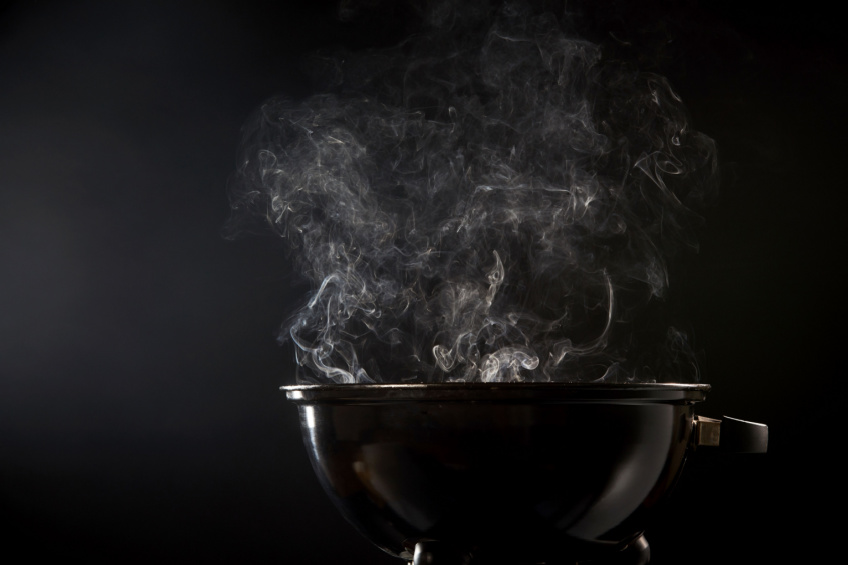

 Grilling enthusiasts and backyard cooks often wonder about the timeline for safely shutting down their equipment after a cookout. Understanding how long the cooling process takes helps you plan cleanup time and ensures you handle your grill safely.
A charcoal grill takes between 30 minutes to 48 hours to cool down completely, depending on the cooling method you use.
The time varies based on factors like the amount of charcoal burned, whether you actively extinguish the coals or let them burn out naturally, and your grill’s size and ventilation settings.
This guide covers the variables that affect cooling time, safety measures you need to take before starting the cooling process, and proven techniques to control how quickly your grill reaches a safe temperature. You’ll also learn maintenance steps that protect your equipment and extend its lifespan after each use.
How Long Does It Take to Cool Down a Charcoal Grill?
 A charcoal grill typically requires 30 to 60 minutes to cool down to safe handling temperatures, though complete ash formation takes 24 to 48 hours. The exact duration depends on several variables including charcoal quantity, grill size, and ambient conditions.
Typical Cooling Times Explained
Your charcoal grill reaches a safe surface temperature for handling within 30 to 60 minutes after closing all vents and cutting off oxygen supply. During this period, the exterior grates and lid cool enough to prevent burns, but the coals inside remain hot.
Complete extinguishment where coals turn to ash takes 24 to 48 hours when left naturally in a covered grill. This extended timeframe allows residual heat to dissipate fully without intervention.
Active cooling methods reduce these times significantly. Water dousing brings temperatures down in minutes, though this creates steam and thermal shock to your grill components. Spreading coals in a fireproof container accelerates cooling to approximately 15 to 20 minutes by increasing surface area exposure to air.
Key Factors That Influence Cooling Duration
The amount of charcoal used directly impacts cooling time—a full chimney takes longer than half-filled coals. Your grill’s size and material construction affect heat retention, with ceramic models holding temperatures longer than thin metal varieties.
Ambient temperature plays a role in heat dissipation rates. Grills cool faster in winter conditions compared to hot summer days.
Vent position determines oxygen availability to burning coals. Fully closed vents starve the fire and accelerate cooling, while open vents maintain combustion and extend heat duration. Wind exposure increases cooling speed by carrying heat away from the grill body.
Safe Temperature Benchmarks for Handling
Wait at least 30 minutes before touching any exterior grill surfaces with bare hands. Heat-resistant gloves rated for high temperatures provide protection during this initial cooling phase.
Your charcoal reaches safe disposal temperature when you can hold your hand 6 inches above the coals for 10 seconds without discomfort. Coals appear gray and produce no visible heat shimmer at this stage.
Internal grill temperatures should drop below 200°F before moving the unit or performing maintenance. Use a grill thermometer to verify safe temperatures rather than estimating by touch. Dispose of ash only after confirming complete cooling—pour water over suspected hot spots to eliminate fire hazards before transferring to sealed containers.
Why Properly Cooling Down a Charcoal Grill Matters
 Cooling your charcoal grill correctly prevents fire hazards, extends equipment lifespan, and maintains a clean grilling environment. These three factors directly impact both your immediate safety and long-term grilling experience.
Ensuring Safety and Preventing Accidents
Hot coals remain dangerous for several hours after you finish cooking, creating serious burn risks for anyone who comes near the grill. Children and pets face particular danger from residual heat that can cause severe injuries upon contact.
Improperly cooled charcoal can reignite unexpectedly, especially when exposed to wind or accidental disturbance. This rekindling creates fire hazards that threaten nearby structures, vegetation, and outdoor furniture. You need to wait at least 30 minutes before handling any grill components, even when wearing heat-resistant gloves.
Steam burns pose an additional risk when you attempt to cool coals too quickly with water. The sudden temperature change produces violent steam eruptions that can cause facial and hand injuries. Using long-handled tools keeps your hands and arms away from heat zones during the cooling process.
Protecting Grill Longevity and Performance
Rapid temperature changes cause metal components to warp and crack, reducing your grill’s structural integrity over time. The firebox, grates, and vents all suffer damage when exposed to thermal shock from improper cooling methods.
Residual heat trapped in a closed grill accelerates rust formation on interior surfaces. Opening vents during the cooling phase allows moisture to escape, preventing corrosion that weakens metal parts. This airflow management preserves the grill’s cooking performance for future use.
Ash buildup from incompletely cooled charcoal blocks air vents and creates hot spots during your next grilling session. Proper cooling allows complete combustion, making ash removal easier and preventing uneven heat distribution that affects food quality.
Environmental and Cleanliness Considerations
Disposing of hot ashes in trash receptacles or near combustible materials causes garbage fires that spread quickly. You must store cooled ashes in sealed metal containers designated specifically for this purpose.
Ash dispersal from premature disposal creates respiratory irritants and coats outdoor surfaces with fine particles. Waiting for complete cooling contains these particles and simplifies cleanup of your grilling area. Proper ash management also prevents soil contamination from heavy metals present in charcoal residue.
Water used to accelerate cooling generates runoff containing charcoal particles and chemical additives. This contaminated water affects lawn health and can enter storm drains, making dry cooling methods preferable for environmental protection.
Essential Safety Precautions Before Cooling Down
 Taking proper safety measures protects you from burns and prevents fire hazards when cooling down your charcoal grill. Heat-resistant gear, a clear workspace, and careful handling techniques form the foundation of safe grill management.
Wearing Protective Gear
Heat-resistant gloves rated for temperatures above 500°F are necessary when handling any part of a charcoal grill. Your hands need protection from radiant heat that extends several inches from hot surfaces and coals. Standard oven mitts don’t provide sufficient protection for charcoal grill temperatures.
Long-sleeved cotton clothing shields your arms from accidental contact with heated metal components. Synthetic fabrics can melt when exposed to high temperatures, potentially causing severe burns. Closed-toe shoes prevent injury if hot ash or coals accidentally fall during the cooling process.
Safety glasses protect your eyes from steam bursts if you use water-based cooling methods. Keep these items stored near your grill for quick access after each cooking session.
Clearing Flammable Items from the Area
Remove all flammable materials within a 10-foot radius of your grill before beginning the cooling process. Paper products, dry leaves, wooden deck furniture, and propane tanks pose fire risks when near hot coals. Even after cooking ends, charcoal can remain hot enough to ignite combustible materials for several hours.
Check underneath the grill for accumulated grease drippings that could ignite during cooling. Position a fireproof container at least 3 feet away from structures, vegetation, and vehicles before transferring any coals or ash.
Safe Handling of Hot Components
Wait at least 30 minutes before touching any grill component, even with protective gloves. Use long-handled tongs with heat-resistant grips to maintain 12-18 inches of distance between your body and hot coals. Open the grill lid slowly to allow built-up heat and steam to escape gradually rather than rushing toward your face.
Never move a hot grill from its location until coals are completely extinguished and ash has cooled. The internal temperature of charcoal remains high even when flames are no longer visible. Test the temperature by holding your gloved hand 6 inches above the coals for 5 seconds—if you feel intense heat, additional cooling time is required.
Effective Methods for Cooling Down a Charcoal Grill
 Controlling the cooling process requires managing oxygen supply, redistributing heat, and using moisture when appropriate. Each method affects cool-down time differently based on grill size and charcoal volume.
Oxygen Starvation: Closing Air Vents and Lid
Close both the top and bottom vents completely to cut off oxygen flow to the burning charcoal. This forces the coals to extinguish gradually instead of continuing to burn.
Lower the grill lid immediately after closing the vents to create a sealed environment. The lack of oxygen prevents combustion and allows the charcoal to die out naturally over the next 30-45 minutes.
This method prevents warping because it avoids rapid temperature changes that can damage the grill’s metal components. You must verify all vents are fully closed, as even small gaps allow enough airflow to keep coals burning for hours.
Wait at least 30 minutes before checking the temperature. The grill remains hot during this period even though active burning has stopped.
Spreading Out Charcoal for Faster Cooling
Use heat-resistant tongs or a fireproof poker to separate the remaining coals across the bottom of the grill. Spreading breaks up dense clusters where heat concentrates and slows the cooling process.
Position individual coals with at least 2 inches of space between them to maximize surface area exposure to air. Dispersed coals release heat more efficiently than grouped piles because each piece cools independently.
Transfer hot coals to a metal ash bucket if you need faster results. A fireproof container with adequate ventilation allows you to remove heat sources from the grill entirely while keeping them contained safely.
Using Water: Proper Technique and Cautions
Apply water only to completely extinguished coals that no longer glow red or emit smoke. Pour slowly from a safe distance to prevent steam burns and sudden ash clouds.
Fill a spray bottle with water for controlled application on stubborn hot spots. Light misting provides cooling without creating excessive steam or scattering ash throughout your outdoor space.
Never pour large amounts of water directly onto hot coals in a ceramic or porcelain grill, as thermal shock causes cracks and permanent damage. If you must use water, limit it to small quantities and ensure the coals show no visible heat before disposal.
Advanced Tips for Speeding Up the Cooling Process
 You can reduce cooling time from 45 minutes to under 20 minutes by using specialized equipment and strategic heat management techniques. The fastest results come from combining tools, creating barriers, and layering multiple cooling approaches.
Utilizing Grill Accessories and Tools
A metal ash scoop allows you to transfer hot coals directly into a fireproof charcoal chimney or disposal bin, removing the primary heat source immediately. Place the chimney on concrete or pavement rather than grass to prevent fire hazards while the coals extinguish.
Grill grates made from cast iron retain heat longer than stainless steel, so removing them with heavy-duty grill gloves speeds overall cooling by 5-10 minutes. A long-handled ash rake spreads remaining coals across the grill bottom, increasing surface area exposure to air and accelerating heat dissipation.
Key accessories for rapid cooling:
- Heat-resistant silicone basting brushes for controlled water application
- Infrared thermometer guns to monitor temperature without opening the lid
- Heavy-duty metal grill brushes to remove hot debris safely
Aluminum drip pans filled with cold water positioned beneath the grill absorb radiant heat through the bottom vents. Replace the water every 10 minutes as it heats up to maintain cooling efficiency.
Creating Heat Zones and Shields
Banking all remaining coals to one side of the grill creates a two-zone setup where the empty side cools 60% faster than distributed coals. This method works best when you need partial grill access for cleaning while waiting for complete cooling.
Position a fire-resistant welding blanket or metal shield between the coals and grill body to redirect heat upward through open vents rather than into the grill walls. The barrier prevents warping of the grill bottom from uneven cooling patterns.
Elevating the cooking grates on bricks or metal spacers increases airflow underneath, dropping temperatures 15-20% faster than standard positioning. Leave the lid propped open at a 45-degree angle using a heat-proof tool to release trapped heat while maintaining controlled ventilation.
Combining Multiple Cooling Methods Strategically
Start with closing the bottom damper completely while keeping the top vent fully open to create a vacuum that draws heat upward and out. After 5 minutes, reverse this by opening the bottom damper and closing the top halfway to introduce cool air from below.
Apply a fine mist of water from a pump sprayer at 3-minute intervals rather than dumping water, which creates dangerous steam. Pair this with spreading coals thin using tongs between each water application.
Run a portable battery-powered fan on low setting aimed at the open bottom vents to force air circulation without creating ash clouds. Add ice packs wrapped in aluminum foil to the grill’s exterior sidewalls for contact cooling while the internal methods work simultaneously.
Post-Cooling Steps and Grill Maintenance
 After your charcoal grill has cooled, you need to verify the temperature, remove ash safely, and clean the grill to keep it working properly for years.
Verifying The Grill is Fully Cool
Hold your hand 6 inches above the grill grates for 10 seconds. If you feel any warmth, the grill needs more time to cool.
Check the exterior surfaces, lid, and handles before touching them directly. Metal components can retain heat for 12 to 24 hours depending on how much charcoal you burned. Use an infrared thermometer to measure the grill’s surface temperature if you have one available.
The grill is safe to handle when all surfaces register below 100°F. Touch the ash collector or bottom bowl briefly with your fingertips as a final test. Never assume a charcoal grill is cool just because the coals look gray or white.
Safe Disposal of Used Charcoal Ash
Scoop ash into a metal container with a metal scoop or shovel. Plastic buckets will melt if any hot embers remain hidden in the ash.
Store the metal container outside on concrete or dirt, away from wooden decks, dry grass, or combustible materials. Keep the lid off the container for 48 hours to let any remaining heat escape. Ash can reignite if sealed too quickly.
Add the fully cooled ash to your compost pile or garden soil, as it contains potassium and raises pH levels. You can also dispose of it in your regular trash once you confirm it’s completely cold. Never dump ash in paper bags or cardboard boxes.
Cleaning and Storing the Grill Properly
Scrape the grates with a wire brush while they’re still slightly warm but safe to touch. Remove grease and food particles from both sides of the grates.
Wipe down the interior bowl with a damp cloth to remove ash residue that promotes rust. Empty the grease tray and wash it with dish soap and hot water. Check air vents for blockages and clear them with a small brush.
Apply a thin layer of cooking oil to the grates before storing to prevent rust. Cover your charcoal grill with a waterproof cover that allows some airflow to prevent moisture buildup. Store the grill in a dry location like a garage or covered patio when possible.