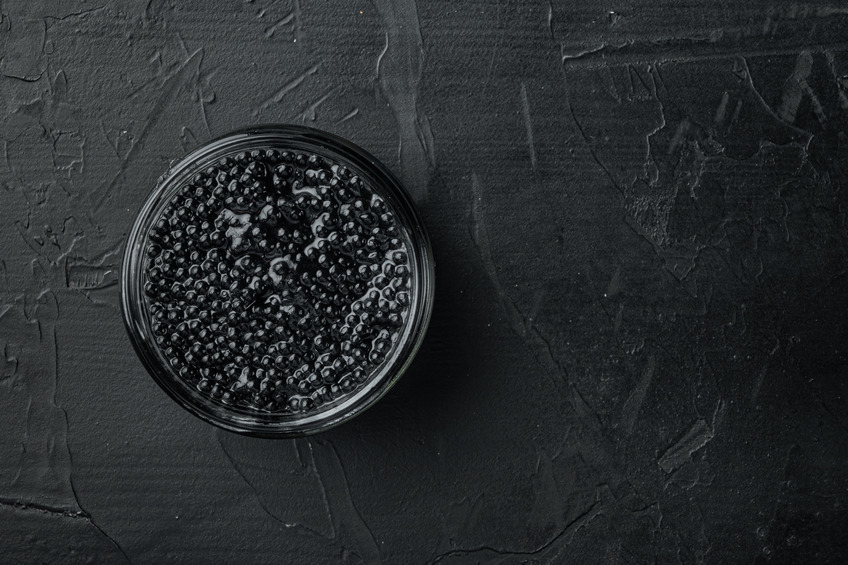

 Not all fish eggs become caviar.
Caviar is made from sturgeon roe that has been carefully harvested, cleaned, salted, and cured through a precise process that takes skill and patience.
This transformation from simple fish eggs to a luxury delicacy involves specific steps that protect the delicate eggs and develop their distinct flavor.
You might wonder what makes caviar different from the fish roe you see at sushi restaurants. The answer lies in both the source and the process.
True caviar comes only from sturgeon fish, while roe can come from any fish species. The method of turning sturgeon roe into caviar requires careful handling at every stage to maintain the eggs’ quality and texture.
Understanding Roe and Caviar
 Both roe and caviar are fish eggs, but they differ in their source and preparation. Caviar comes exclusively from sturgeon and undergoes a specific curing process, while roe refers to eggs from any fish species.
What Is Roe?
Roe is the general term for all fish eggs from any aquatic species. You can find roe from salmon, trout, herring, sea urchin, and many other fish.
These eggs can be prepared in different ways. Some roe is served raw, while other types are cooked or salted.
The eggs vary in size, color, and texture depending on the fish species. Salmon roe is bright orange and larger in size.
Herring roe is smaller and often comes in a pale yellow color. Each type of roe has its own distinct taste and texture that makes it unique.
What Is Caviar?
Caviar is salt-cured roe that comes only from sturgeon fish. This specific definition separates caviar from other types of fish eggs.
The sturgeon species used for caviar include Beluga, Osetra, Sevruga, and American Hackleback. True caviar must meet two requirements.
First, the eggs must come from sturgeon. Second, the eggs must be salt-cured through a specific preservation process.
The curing process involves carefully cleaning the eggs and treating them with salt. This method preserves the eggs while enhancing their flavor.
The amount of salt used affects the final taste and quality grade. In the end, it’s this balance that makes caviar stand out.
Difference Between Roe and Caviar
The main difference is the source: caviar comes only from sturgeon, while roe comes from any fish. This distinction affects both price and status in cooking.
All caviar is roe, but not all roe qualifies as caviar. Caviar commands higher prices due to its limited source and traditional preparation methods.
Other differences include preparation and use. Roe can be served fresh, cooked, or preserved in various ways.
Caviar follows strict processing standards that have been refined over centuries. The taste and texture also differ between types.
Caviar offers a smooth, buttery flavor with firm eggs. Other roe varieties have their own characteristics, from the pop of salmon roe to the creamy texture of sea urchin roe.
The Journey: From Roe to Caviar
 Transforming sturgeon eggs into caviar requires careful harvesting, thorough cleaning, and precise salt-curing techniques. Each step affects the final flavor and texture of the finished product.
Harvesting Sturgeon Roe
The process begins when sturgeon reach maturity, which can take anywhere from 7 to 20 years depending on the species. Beluga sturgeon, one of the most prized varieties, requires the longest maturation period.
Farmers or harvesters must time the extraction perfectly. They check the eggs regularly to ensure optimal size and firmness.
The roe must be harvested before the fish would naturally spawn, as eggs lose quality once the spawning process begins. During extraction, producers remove the egg sacs from the sturgeon carefully.
The quality of caviar depends heavily on how gently handlers treat the eggs during this stage. Any rupturing or bruising of the delicate sturgeon eggs will lower the final product’s value.
The timing matters because eggs at peak ripeness have the best flavor, texture, and appearance. Beluga sturgeon eggs are particularly delicate and require expert handling throughout the entire harvest.
Separation and Cleaning
After extraction, workers separate the individual eggs from the membrane that holds them together. This step requires specialized screens or sieves that allow the eggs to pass through while catching the connective tissue.
You need to work quickly but carefully during this phase. The eggs remain fragile and any rough handling can break them.
Workers often perform this separation by hand or with gentle rubbing motions across fine mesh screens. Once separated, the sturgeon roe gets rinsed in cool water to remove any remaining tissue, blood, or impurities.
The water temperature stays cold to preserve the eggs’ structure and prevent spoilage. Skilled workers inspect the eggs and remove any that are broken, discolored, or malformed.
This sorting ensures only the highest quality eggs move forward to the curing stage.
Salt-Curing and Malossol Method
Salt-curing transforms clean sturgeon eggs into finished caviar. The amount of salt used determines the final product’s flavor and shelf life.
Traditional caviar uses the malossol method, a Russian term meaning “little salt.” Malossol caviar contains less than 5% salt by weight.
This light salting preserves the eggs’ natural flavor and creamy texture. You’ll find that malossol caviar tastes more delicate and less briny than heavily salted roe.
The caviar master, called a master salter, decides exactly how much salt to add based on the eggs’ quality and size. Better quality eggs receive less salt because their natural flavor deserves to shine through.
The salted roe then rests for a specific period, allowing the salt to penetrate evenly. After curing, producers drain excess liquid and package the caviar.
The salt-cured roe must stay refrigerated at temperatures just above freezing. This cured roe represents the final product that reaches your table as authentic caviar.
Types and Varieties of Caviar
 Not all caviar is the same, and the type of fish that produces the roe determines its classification, quality, and price. True caviar comes only from sturgeon species, while other fish produce roe that serves as more affordable alternatives.
Sturgeon Caviar Varieties
True caviar comes from fish in the Acipenseridae family, which includes all sturgeon species. The most famous types are beluga caviar, osetra, and sevruga caviar, which traditionally came from wild sturgeon in the Caspian Sea and Black Sea.
Beluga caviar produces the largest pearls and is the rarest type. The eggs range from light gray to dark gray and offer a buttery, creamy flavor.
Kaluga caviar comes from a related species and closely resembles beluga in size and taste. Osetra sturgeon creates medium-sized pearls that vary from golden brown to dark brown.
The flavor is nutty and rich. Siberian sturgeon produces smaller, firmer eggs with a clean, mild taste.
Sevruga caviar features small, gray to black pearls with a strong, briny flavor. Other sturgeon varieties include sterlet, which produces very small eggs, and American hackleback, a native North American species that yields small black pearls at a lower price point.
Most premium caviar today comes from sustainable aquafarms rather than wild caviar, which is now heavily restricted to protect endangered sturgeon populations.
Non-Sturgeon Fish Roe and Caviar Substitutes
Fish roe from non-sturgeon species serves as caviar substitutes at more accessible prices. Paddlefish roe closely mimics sturgeon caviar with its gray to black color and similar texture, making it a popular American caviar option.
Salmon roe (also called ikura) produces large, bright orange pearls with a pop of flavor. Trout roe offers smaller orange eggs with a milder taste.
Both types are often marketed as red caviar. Tobiko (flying fish roe), masago (capelin roe), and lumpfish roe are common in Japanese cuisine and as garnishes.
Tobiko has a crunchy texture and comes in various colors. Masago is smaller and softer.
Lumpfish roe provides an inexpensive black caviar substitute but lacks the complexity of true sturgeon caviar.
Caviar Grades and Quality
Caviar grading measures the size, color, firmness, and flavor of the pearls. Larger eggs typically receive higher grades and command premium prices.
Premium caviar features uniform, intact pearls with a glossy appearance. Color affects grading differently for each caviar type.
Lighter-colored beluga and osetra eggs often rate higher, while sevruga maintains consistent dark coloring. Firmness matters because pearls should burst gently in your mouth without being mushy or too hard.
The malossol curing method uses minimal salt (3-5%) and indicates quality processing. You can identify fresh, high-grade caviar by its clean ocean scent and absence of fishy odors.
Quality, Taste, and Sensory Experience
 Caviar’s reputation as a luxury food stems from its complex sensory qualities and nutritional profile. The transformation from roe to caviar creates a product with distinct texture, flavor characteristics, and health benefits that set it apart from other foods.
Texture and Mouthfeel
The texture of caviar stands out as one of its most defining qualities. High-quality caviar beads should feel firm yet delicate, rolling individually on your tongue before releasing their contents.
When you bite down, each pearl should pop cleanly—never mushy, never tough. Premium caviar creates what experts sometimes call a “melting” sensation.
The bead slightly dissolves before it bursts, which points to careful curing and proper handling. Poor-quality caviar tends to feel sticky or clumped, often a sign of damage during processing or storage.
The size of the beads shifts the experience, too. Larger eggs from mature sturgeon usually command higher prices because they offer a more satisfying pop.
Smaller beads still deliver quality but create a different texture on your palate. Some enthusiasts even prefer the subtler sensation of smaller eggs.
Flavor and Aroma
Caviar taste delivers layers of flavor in every bite. There’s a buttery, clean profile with a gentle briny note that reflects the water where the sturgeon lived.
The salt level should enhance, not mask, the natural taste of the roe. Quality caviar brings out subtle mineral notes, creating depth without a fishy aftertaste.
Your caviar’s flavor depends on the sturgeon species, the fish’s diet, water quality, and the salting technique used. Each of these elements shapes the final taste.
The aroma should be fresh and oceanic. It shouldn’t smell strongly of fish or ammonia.
A pleasant sea-like scent signals proper handling from harvest to table. The lingering richness you taste after swallowing is what sets caviar apart from regular roe.
Nutritional Benefits
Caviar provides significant amounts of omega-3 fatty acids, which support heart and brain health. A single serving delivers these essential fats in a concentrated form that’s easy for your body to use.
You’ll get substantial vitamin B12 from caviar, which helps maintain healthy nerve cells and red blood cells. It also contains vitamins A, D, and E, along with minerals like selenium and iron.
The protein content in caviar is high-quality and easily digestible. You’re consuming amino acids your body needs for various functions.
Despite its rich taste, caviar is relatively low in calories compared to other indulgent foods. That balance makes it a unique luxury in the world of gourmet ingredients.
Serving and Enjoying Caviar
 The way you serve and present caviar affects both its flavor and your overall experience. Using the right serving methods, pairings, and utensils helps you get the most out of this delicacy.
Traditional Serving Methods
Caviar should always be served cold to preserve its texture and flavor. Keep it chilled at 28-32°F until you’re ready to serve.
The traditional Russian method uses blinis, small thin pancakes made from buckwheat flour. You can also serve caviar on lightly toasted bread points or plain crackers.
Many people add a small dollop of crème fraîche or sour cream to the blini before topping it with caviar. Place the caviar tin in a bowl of crushed ice to keep it cold throughout your meal.
Serve small portions—typically one to two ounces per person. Only remove what you’ll eat within 30 minutes, as caviar loses quality if left at room temperature.
Recommended Pairings
The classic pairing for caviar is ice-cold vodka or dry champagne. These drinks cleanse your palate between bites without overpowering the subtle flavors of the caviar.
Traditional accompaniments include:
- Minced hard-boiled eggs (whites and yolks separated)
- Finely chopped red onion or shallots
- Fresh lemon wedges
- Crème fraîche or sour cream
- Blinis or thin toast points
Avoid strong flavors that might compete with the caviar’s taste. Skip heavy sauces, vinegars, or spicy ingredients.
Keep your pairings simple to let the caviar stand out. Sometimes, less really is more with a delicacy like this.
Proper Utensils and Presentation
Never use metal spoons with caviar. Metal can react with the roe and create an unpleasant metallic taste.
Instead, use a caviar spoon made from mother-of-pearl, bone, gold, or even plastic.
These non-reactive materials protect the delicate flavor and don’t damage the eggs. Present caviar in its original tin when possible, or transfer it to a glass or crystal bowl.
Place the serving vessel on a bed of crushed ice. Provide separate small spoons for each guest and keep extra blinis warm on the side.
Preservation, Storage, and Shelf Life
 After curing, caviar requires careful storage to maintain its quality and safety. The shelf life depends on the curing method, with properly stored caviar lasting from a few days to several months.
Packaging and Storage Conditions
Caviar is packaged in vacuum-sealed containers—either glass jars or metal tins—to prevent oxygen exposure. You should store it at temperatures between 26°F and 36°F, which is colder than a standard refrigerator.
This temperature range keeps the caviar just above freezing without damaging the delicate eggs. The storage method you use affects how long your caviar stays fresh.
Malossol caviar, with less than 5% salt, needs consistent cold and will last about two months refrigerated, unopened. You can freeze caviar to extend its life beyond a year, though this may affect the texture and taste.
Semi-preserved caviar has higher salt content (around 8% or more) and often includes preservatives like sodium benzoate. This type is more shelf-stable and can sometimes be kept at room temperature.
Once you open any type of caviar, consume it within three days for the best quality. It’s a small window, but the freshness is worth it.
Shelf Life and Freshness
Unopened caviar usually stays fresh for about six months if you store it properly in your refrigerator. The shelf life depends on how it’s processed and the amount of salt used.
Malossol caviar, which contains less salt, doesn’t last as long as more heavily salted types. Heavily salted caviar tends to keep longer, though you might notice a difference in taste.
Once you open the container, caviar becomes much more perishable. It’s best to eat opened caviar within three days, even if you keep it chilled.
The eggs start to break down quickly after exposure to air. Their texture changes and off flavors can develop.
It’s wise to check the packaging date before buying. Caviar is at its best when eaten fresh, so it’s better not to store it for too long.