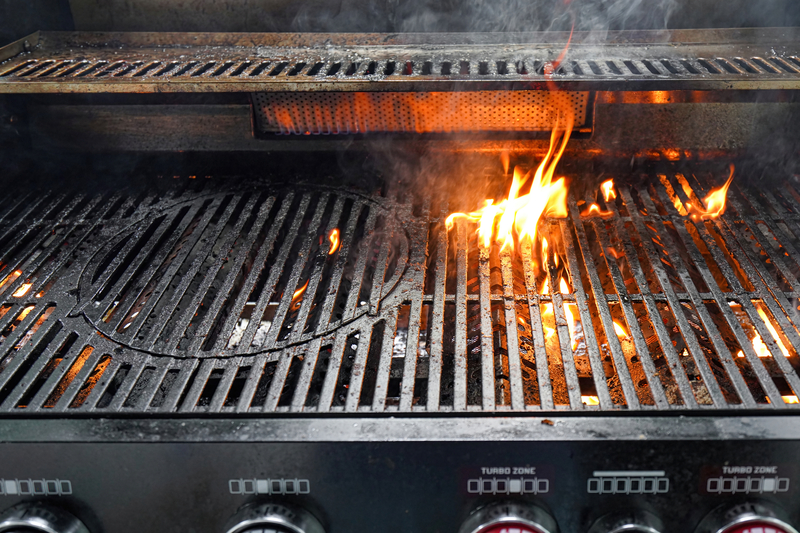

 Knowing when your grill is too hot can save your meal from turning into a charred disaster.
You can tell your grill is too hot if it exceeds your target temperature setting, produces large uneven flames, causes constant flare-ups, or burns food quickly on the outside while leaving it raw inside.
Your grill might also show physical signs like warped grates or melted knobs when it runs too hot.
Understanding how to check and control your grill’s temperature helps you cook food evenly and safely. You need to know what temperature ranges work best for different foods and how to test your grill’s heat accurately. Learning to spot the warning signs early prevents burned meals and potential damage to your grill.
This guide walks you through the key indicators of an overheating grill and teaches you practical ways to measure and manage heat levels. You’ll discover why grills overheat, how to fix common problems, and what steps you can take to maintain steady cooking temperatures every time you grill.
Recognizing When Your Grill Is Too Hot
 Knowing when your grill temperature has crossed the line from perfectly hot to dangerously hot protects your food and your cooking equipment. The difference between a great meal and burnt food often comes down to catching these warning signs early.
Key Signs of Excess Heat
Your grill is too hot when temperatures exceed 600°F for most cooking tasks. At this point, flames may shoot up through the grates, and you’ll notice intense heat radiating from the surface.
Temperature thresholds by heat level:
| Heat Level | Temperature Range | Risk Level |
|---|---|---|
| Medium | 350-450°F | Safe |
| High | 450-550°F | Caution needed |
| Too Hot | 600°F+ | Dangerous |
If you can’t hold your hand 5-6 inches above the grates for more than 1-2 seconds, your grill is running too hot. Built-in thermometers that push into the red zone also signal excess heat. The grill lid may feel uncomfortably hot to touch, even on the handle.
Visual and Physical Indicators
Flames that reach above the cooking grates indicate your grill too hot for safe cooking. You’ll see food charring within seconds of contact with the grates. The metal grates themselves may glow red in spots, especially with charcoal grills.
Excessive smoke in dark grey or black colors points to fat and food burning rather than cooking. Grease fires can start when drippings hit surfaces that are overheated. Your food will develop deep black grill marks almost immediately instead of the golden-brown marks you want.
Impact on Food Quality
Food cooked on a grill that’s too hot burns on the outside while staying raw inside. Steaks develop a charred crust in under a minute but remain cold at the center. Chicken skin blackens before the meat reaches safe internal temperatures.
Common problems from excess heat:
- Dried out, tough meat texture
- Bitter, acrid flavors from burnt surfaces
- Uneven heat distribution causing hot spots
- Vegetables that turn to ash on contact
- Flare-ups that coat food in soot
You’ll waste food and create potential health risks from carcinogens in heavily burnt areas. The intense heat also damages grill components faster, warping grates and degrading non-stick coatings.
Understanding Ideal Grill Temperature Ranges
 Knowing the right temperature range for your grill helps you cook food safely and get the results you want. Different heat zones work best for different types of food, and understanding these ranges will help you avoid burning or undercooking your meals.
Temperature Zones Explained
Grill temperature zones fall into three main categories. Low heat ranges from 200°F to 300°F and works best for slow-cooking large cuts of meat. This temperature allows connective tissues to break down slowly without drying out the food.
Medium heat sits between 300°F and 400°F. This zone handles most everyday grilling tasks like chicken breasts, burgers, and vegetables. You get enough heat to cook food through while still developing good flavor.
High heat runs from 400°F to 500°F. This range creates the char and sear you see on steaks and other quick-cooking foods. The intense heat triggers the Maillard reaction, which browns proteins and creates deeper flavors. Anything above 500°F enters the extreme zone where food often burns on the outside before cooking through.
Recommended Temperatures for Different Foods
Different foods need different grilling temperatures for best results. Beef steaks perform well at 450°F to 500°F for a good sear, reaching internal temperatures of 130°F for rare or 160°F for well done. Chicken needs 350°F to 450°F on the grill surface and must reach 165°F internally for safe eating.
Pork chops cook properly at 375°F to 450°F and should hit 145°F inside. Fish and seafood work best at 350°F to 400°F since they cook quickly and dry out easily. Vegetables need medium heat around 300°F to 400°F so their natural sugars caramelize without burning.
Using temperatures above these recommended ranges usually causes problems. The outside chars too fast while the inside stays raw.
Methods to Test Grill Temperature
 You can check your grill temperature using three main approaches: a thermometer for precise readings, the hand test for quick estimates, or surface temperature checks for grate-level measurements. Each method gives you different information about how hot your grill is running.
Using a Grill Thermometer
A grill thermometer gives you the most accurate temperature reading. Many grills come with a built-in temperature gauge on the lid, which shows you the internal temperature at a glance. However, these built-in gauges can sometimes be off by 50 degrees or more.
An instant-read thermometer provides more reliable results. You can insert it through the grill vents or place it directly on the cooking surface. Digital thermometers give you readings in seconds, while dial thermometers take a bit longer but still work well.
For the best accuracy, check the temperature at grate level where your food actually cooks. The lid thermometer reads the temperature at the top of the grill, which is often hotter than where your food sits. Keep your thermometer clean and test it regularly to make sure it still gives accurate readings.
The Hand Test Technique
The hand test lets you estimate grill temperature without any tools. Hold your hand palm-down about 3 inches above the cooking grate and count how many seconds you can keep it there before the heat becomes too uncomfortable.
Temperature Guide:
- 1-2 seconds = High heat (450-550°F)
- 3-4 seconds = Medium-high heat (350-450°F)
- 5-6 seconds = Medium heat (300-350°F)
- 7-8 seconds = Low heat (250-300°F)
Be careful when using this method. Pull your hand away as soon as it feels too hot. The hand test works best for quick checks when you need a general sense of temperature rather than exact numbers.
Checking Surface Temperature
Surface temperature tells you exactly how hot your grill grates are. Use an infrared surface thermometer by pointing it at the grates from a few inches away. This tool measures the actual cooking surface temperature in seconds without touching the grill.
You can also place a grill thermometer directly on the grates. Leave it there for a minute to get an accurate reading of the surface heat. This method shows you if you have hot spots or cool zones on your grill.
The grate temperature often differs from the air temperature inside your grill by 50-75 degrees. Checking surface temperature helps you know if your grates are hot enough to sear meat or if you need to adjust your burners.
Common Causes of an Overheating Grill
 Grills can overheat due to blockages in vents or burner tubes, damaged components, or faulty regulators. Identifying these issues helps you fix temperature problems before they ruin your food or damage your equipment.
Gas Grill Gets Too Hot on Low Setting
If your gas grill gets too hot on low setting, the problem often starts with the regulator. The regulator controls gas flow from the tank to the burners. When it malfunctions, it can’t properly reduce the flame when you turn the knobs down.
A stuck or faulty regulator valve is the most common culprit. This happens when the safety mechanism inside the regulator stays partially engaged. You might notice that even when you set all burners to low, your grill still reaches 500°F or higher.
To test this, turn off your grill completely and disconnect the propane tank. Wait five minutes, then reconnect the tank slowly. Turn on the gas very gently before lighting the grill. If temperatures still run too high on low settings, you need to replace the regulator.
Blocked Vents and Venturi Tubes
Blocked vents prevent proper air flow through your grill. The venturi tubes mix air with gas before it reaches the burners. When these tubes get clogged with spider webs, dirt, or grease, the air-to-gas ratio becomes incorrect.
This blockage creates a dangerous situation. Too much gas and not enough air causes larger flames and higher temperatures than your control knobs indicate. You’ll see yellow or orange flames instead of blue ones.
Check the venturi tubes at the base of each burner. Remove the tubes and look through them toward a light source. Clear any blockages with a venturi tube brush or pipe cleaner. Never use a toothpick or wooden stick, as pieces can break off inside.
Dirty or Corroded Burners
Corroded burners develop holes and cracks that release gas unevenly. These damaged spots create hot spots on your cooking surface. Grease and food debris also clog the burner ports where flames come out.
When ports get blocked, gas builds up pressure and exits through fewer holes. This makes flames shoot higher from open ports. The grill runs hotter in some areas while struggling to maintain temperature overall.
Remove your burners and inspect them for rust, holes, or bent metal. Clean the ports with a wire brush or straightened paper clip. Replace burners that show significant corrosion or damage, as cleaning won’t fix structural problems.
Troubleshooting and Fixing a Grill That Is Too Hot
 When your gas grill runs too hot even on low settings, you need to check three main areas: the regulator system, the burners, and the airflow controls. Each of these parts can cause temperature problems if they’re not working right.
Inspecting the Regulator and Gas Pressure
Your regulator controls how much gas flows from the tank to your burners. When it malfunctions, your grill can get stuck at high temperatures.
Start by turning off your grill and disconnecting the propane tank. Wait five minutes to let the system reset. Reconnect the tank, but this time turn the tank valve very slowly—only about a quarter turn per second until it’s fully open.
A stuck or damaged regulator won’t control gas flow properly. You can test this by turning all burners to low and using an instant-read thermometer to check if the temperature stays below 400°F. If your grill still heats past 500-600°F on the lowest setting, the regulator likely needs replacement.
Check the gas line for kinks or damage. A bent hose can create pressure problems that make your regulator work incorrectly. Replace any damaged parts before using your grill again.
Cleaning and Maintaining Burners
Dirty or clogged burners cause uneven heat distribution and can make your gas grill too hot in certain spots. Grease, food debris, and spider webs often block the small holes in your burner tubes.
Remove the cooking grates and examine each burner tube. Look for blocked ports or rust damage. Use a wire brush or a straightened paper clip to clear each hole. Never use toothpicks, as they can break off inside.
Clean the venturi tubes where air mixes with gas. These tubes sit at the base of each burner. Insects and debris can build nests here, which disrupts the air-to-gas ratio and causes your burners to run too hot.
Replace any burners that show significant rust or warping. Damaged burners can’t regulate flame height properly, making troubleshooting gas grill temperature issues nearly impossible.
Adjusting Airflow and Vents
Your grill’s airflow system controls how much oxygen reaches the flames. Too much air can make the fire burn hotter than your settings indicate.
Check if your burner air shutters are open too wide. These small adjustable openings sit at the base of each burner tube. Close them slightly by turning the collar or sliding the shutter. Make small adjustments and test the temperature after each change.
Inspect the lid and firebox for damage. Gaps or cracks let extra air inside, which increases temperatures. Use high-heat sealant to fix small cracks, or replace damaged parts.
Some grills have bottom vents that need adjustment. If yours does, partially close them to reduce airflow when cooking on low heat. This helps maintain steady, lower temperatures for slow cooking or warming food.
Tips for Preventing and Managing Excessive Grill Heat
 Keeping your grill at the right temperature requires routine care and smart cooking habits. Proper maintenance, accurate monitoring tools, and simple adjustments during cooking will help you avoid overheating problems.
Regular Maintenance and Cleaning
Clean your grill grates after each use to prevent grease buildup that can cause flare-ups and temperature spikes. Grease and food residue act as extra fuel, making your grill hotter than intended.
Check your burners and venturi tubes monthly for blockages from insects, grease, or debris. These obstructions can disrupt gas flow and create uneven heating patterns. Remove the burners and use a wire brush or pipe cleaner to clear any clogs.
Inspect your gas regulator regularly for signs of wear or malfunction. A faulty regulator can cause too much gas to flow to your burners, even on low settings. If your grill runs too hot consistently, the regulator may need replacement.
Clean the grease trap and drip pan frequently to prevent grease fires. These components catch excess fat and oils that drip from your food during cooking.
Monitoring Temperature Accurately
Use a reliable grill thermometer to track your actual cooking temperature. The built-in temperature gauge on your grill lid measures ambient air temperature, which runs 75 to 100 degrees lower than the temperature at the grill grate where your food cooks.
Place a probe thermometer directly on the grate surface to get accurate readings. This helps you understand the real grilling temperature your food experiences.
Check your temperature gauge before each grilling session. Built-in temperature gauges can lose accuracy over time and may need calibration or replacement.
Most gas grills max out around 600 to 700 degrees, regardless of BTU ratings. If your grill exceeds these temperatures on low settings, something needs fixing.
Practical Cooking Adjustments
Turn down your burners and give the grill 5 to 10 minutes to adjust before adding food. Temperature changes take time to stabilize throughout the cooking chamber.
Leave the lid open briefly if your grill gets too hot during cooking. This releases excess heat quickly without turning off your burners completely.
Move food to cooler zones on your grill if you notice hot spots or temperature spikes. Most grills have areas that run hotter than others.
Adjust your air vents on charcoal grills to control oxygen flow. Less oxygen means lower temperatures, while more oxygen increases heat.
Avoid overcrowding your cooking surface. Too much food at once traps heat and raises the overall grill temperature beyond your target range.