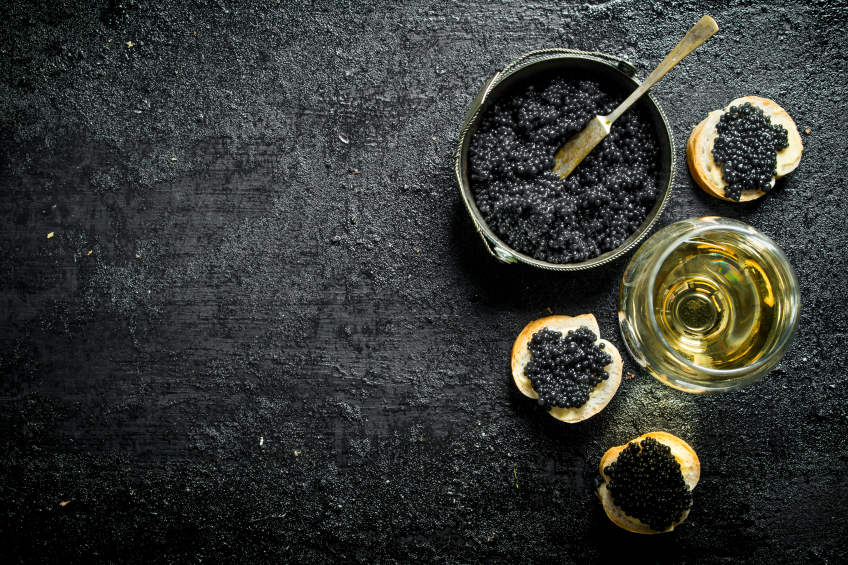

 Fish roe refers to the eggs found inside female fish and certain marine animals like sea urchins and shrimp.
While many people associate fish roe only with expensive caviar, it actually includes a wide variety of egg types from different species, ranging from affordable options like salmon roe to luxury sturgeon caviar.
These small spheres come in different colors, sizes, and textures depending on the fish they come from.
You might have seen fish roe as a topping on sushi or served at fancy restaurants.
This ingredient has been part of cuisines around the world for centuries.
From Japanese ikura to Greek tarama, different cultures have found unique ways to prepare and enjoy fish eggs.
The popularity of fish roe comes from its distinct taste and texture, which can range from mild and buttery to briny and bold.
Beyond its unique flavor, fish roe offers real nutritional benefits.
These tiny eggs are packed with omega-3 fatty acids, vitamin B12, and other important nutrients.
Whether you’re curious about trying fish roe for the first time or want to learn more about the different types available, understanding what makes each variety special can help you make better choices when buying and preparing this ingredient.
What Is Fish Roe?
 Fish roe refers to the fully ripe egg masses from female fish and certain marine animals.
Understanding the different types of roe and the terminology around them helps you appreciate this nutrient-rich food.
Definition and Terminology
Fish roe is the unfertilized egg mass found inside female fish ovaries or released externally by fish and marine animals like shrimp, scallops, sea urchins, and squid.
The eggs develop in the ovaries until they reach full maturity. When harvested, the egg sac is called a skein.
You can find roe used in cooking in two main ways.
As a cooked ingredient, it appears in various dishes across global cuisines. As a raw ingredient, it becomes delicacies you might recognize from sushi restaurants or fine dining establishments.
The term “roe” serves as the general name for all fish eggs, regardless of which species they come from.
This includes eggs from salmon, trout, cod, herring, capelin, flying fish, and many other species.
Difference Between Roe and Caviar
All caviar is roe, but not all roe is caviar.
This distinction matters when you’re shopping or dining out.
Caviar specifically refers to salt-cured roe from sturgeon fish in the Acipenseridae family.
This includes Beluga, Osetra, and Sevruga sturgeon. True caviar comes only from these species and is legally protected under this definition in many countries.
Roe encompasses eggs from any fish or marine animal.
Salmon roe, trout roe, and flying fish roe all fall under this broader category.
You might see labels like “salmon caviar” in stores, but purists and regulatory bodies call this salmon roe to distinguish it from genuine sturgeon caviar.
Sturgeon caviar costs more because sturgeon are slow-growing, ancient fish that face overfishing challenges.
This rarity makes sturgeon roe valuable enough to earn the nickname “black gold.”
Hard Roe vs. Soft Roe
The term “hard roe” describes the egg masses from female fish.
This is what most people mean when they say fish roe. Hard roe contains the actual eggs you see as individual spheres in dishes.
Soft roe, also called milt, is completely different.
It refers to the sperm-filled reproductive glands of male fish. While less common in Western cuisine, soft roe is eaten in various cultures and has a creamy, soft texture rather than the firm, popping consistency of eggs.
Both types are considered food delicacies.
Hard roe gets salted or smoked for preservation and flavor. Soft roe is often cooked or used fresh in traditional recipes from European and Asian cuisines.
Popular Types of Fish Roe
 Fish roe comes in many varieties, each with distinct flavors, textures, and colors.
The most common types range from bright orange salmon roe to small, crunchy tobiko and luxury sturgeon caviar.
Salmon Roe (Ikura)
Salmon roe, known as ikura in Japanese cuisine, features large, bright orange eggs that are almost transparent.
Each egg measures about 5-8 millimeters in diameter. The eggs pop in your mouth with a satisfying burst of flavor.
You’ll find ikura has a mild, slightly sweet taste with a briny finish.
The texture is soft and delicate compared to other roe types. This red caviar goes through a curing process using salt, soy sauce, sake, or rice wine.
Ikura became popular in Japanese sushi restaurants during the 1980s.
Today you can enjoy it on sushi rolls, in gunkan-style sushi, or served over rice as ikuradon. The eggs are removed from their membrane sac before curing, creating individual spheres that glisten on your plate.
Sturgeon Roe and Caviar
Sturgeon caviar represents the most prized type of fish roe in the world.
Three main varieties dominate the market: Beluga, Osetra, and Siberian sturgeon caviar.
Beluga caviar has the largest beads, ranging from light to dark gray with a buttery, delicate flavor.
A beluga sturgeon can take up to 25 years to mature before producing roe.
Osetra caviar features medium-sized eggs in colors from olive green to dark brown, sometimes with a golden hue.
The flavor is briny, buttery, and nutty. Siberian sturgeon caviar appears dark brown to black with an earthy, sweet taste.
Most sturgeon species are now critically endangered due to overfishing.
Sustainable aqua farms have become the primary source for caviar production. These farms provide consistent quality and ethical harvesting methods.
Black caviar from sturgeon should always have clear labeling showing the specific sturgeon species used.
Tobiko and Masago
Tobiko is flying fish roe with naturally bright orange eggs smaller than salmon roe but larger than masago.
The eggs have a distinctive crunchy texture and a salty, smoky, slightly sweet flavor.
You’ll often see tobiko in different colors—red, black, green from wasabi, or yellow from yuzu.
Masago comes from capelin fish and has even smaller, pale-colored beads.
Producers frequently dye masago red, black, green, or yellow to enhance its appearance. Masago costs less than tobiko and has a milder flavor with less crunch.
Both types work well as sushi garnishes.
You’ll find tobiko on gunkan sushi or sprinkled on rolls. Masago typically tops sushi rolls or gets mixed into spicy sauces.
Some sellers incorrectly label masago as tobiko, so check your source carefully.
Other Varieties: Herring, Trout, Cod, and Lumpfish
Herring roe, called kazunoko in Japanese, appears as a cluster of tiny yellow eggs.
It has a firm, crunchy texture and mild flavor. Trout roe looks similar to salmon roe but smaller, with a bright orange or red color and delicate taste.
Cod roe and pollock roe share similar characteristics since the fish are closely related.
Tarako refers to salted pollock or cod roe with a light pink color and tender texture.
When marinated with spices, particularly chili peppers, it becomes mentaiko.
Both types work well as toppings for rice dishes or cooked into pasta sauces.
Lumpfish roe serves as an affordable alternative to sturgeon caviar.
The small black or red eggs have a salty taste and firm texture. You’ll find lumpfish roe used as a garnish or spread on crackers and blinis.
Nutritional Value and Health Benefits
 Fish roe contains high amounts of protein, omega-3 fatty acids, and essential vitamins and minerals.
A 100-gram serving provides around 143-250 calories depending on the type, with substantial amounts of vitamin B12, vitamin D, and selenium.
Omega-3 Fatty Acids and EPA
Fish roe ranks among the best natural sources of omega-3 fatty acids.
A single ounce can contain over 1,000 milligrams of omega-3s, which exceeds daily recommendations for heart health.
The omega-3s in fish roe come primarily as EPA and DHA. These are the most bioavailable forms your body can use.
Research shows that salmon roe contains EPA and DHA equivalent to more than 30% of its total fatty acids.
These omega-3 fatty acids have anti-inflammatory properties.
Higher blood levels of omega-3s correlate with reduced cardiovascular risk according to multiple studies.
Your body uses EPA and DHA for brain function, heart health, and reducing inflammation throughout your system.
Essential Vitamins and Minerals
Fish roe delivers exceptional amounts of vitamin B12.
A 100-gram serving provides 20 micrograms, which equals 333% of your daily needs.
This makes it one of the best B12 sources available alongside organ meats and shellfish.
You also get 58% of your daily vitamin D from the same serving.
Fish roe provides vitamin D3, the more bioavailable form compared to the synthetic D2 found in fortified foods.
Vitamin D supports your immune system and helps reduce infection risk.
Selenium content reaches 65.5 micrograms per 100 grams, covering 94% of daily requirements.
Other minerals include magnesium (75% DV), iron (66% DV), and calcium (27.5% DV).
The choline content is particularly notable at 247.5 milligrams per 100 grams.
Potential Health Advantages
The astaxanthin in fish roe gives it a bright orange color and provides antioxidant benefits.
This compound may increase your skin’s UV resistance and protect against sun damage for up to 1.5 hours of exposure.
Your cognitive function may benefit from the high omega-3 content.
DHA is crucial for brain health and DNA synthesis.
The combination of B vitamins, omega-3s, and vitamin D supports nervous system function.
Fish roe’s protein quality is high, with all essential amino acids present.
The amino acid lysine appears in particularly high amounts at 6,213 milligrams per 100 grams.
Lysine plays a role in protein synthesis, immune health, and mineral absorption.
How Fish Roe Is Harvested and Processed
 The journey from fish to finished roe requires careful timing, skilled handling, and precise preservation methods.
Each step affects the final product’s taste, texture, and shelf life.
Harvesting and Handling Techniques
Harvesting starts when female fish reach peak ripeness, just before they would naturally spawn. Commercial operations use various methods depending on species and sustainability goals.
Traditional harvesting involves removing the egg sac from the fish after harvest. Modern sturgeon farms often use gentle massage techniques to extract eggs without harming the fish, so the same fish can produce roe repeatedly.
The egg sac is removed and processed within hours to maintain freshness. Workers gently rub the sac over a mesh screen called a riddle, separating eggs from the membrane.
This step requires a delicate touch—too much pressure breaks the eggs, too little leaves membrane attached. Cold water rinses help remove any leftover tissue or impurities.
Sustainable fishing practices focus on timing harvests to avoid disrupting wild populations. Some operations now work with fish farms that raise species specifically for roe production, easing pressure on wild stocks.
Salting, Smoking, and Preservation
Salt preservation turns fresh roe into a stable product with deeper flavors. The malossol method uses minimal salt, usually 3-5% by weight, to enhance natural taste without overpowering it.
This technique creates premium products but requires constant refrigeration. The sodium content depends on curing methods, with lightly salted roe containing less than heavily brined types.
Some roe is brined instead, soaking in salt water for set periods. Mediterranean bottarga, made from mullet or tuna roe, is heavily salted and pressed into dense blocks, then dried for weeks.
The result is a firm product you can grate over pasta. Smoking adds another preservation layer and a distinct flavor.
Cold smoking keeps the delicate texture, while hot smoking makes firmer eggs. Japanese producers often use soy sauce and sake in their cures for products like mentaiko and tarako.
Quality, Grading, and Storage
Quality grading looks at egg size, color uniformity, firmness, and flavor. Premium grades feature intact eggs with consistent appearance and a clean ocean taste.
Lower grades might have broken eggs or uneven coloring but are still safe and flavorful. Fresh roe should smell clean and briny, never fishy or sour.
Test quality by gently pressing an egg between your fingers—it should resist slightly before popping. Store unopened containers at 28-32°F in the coldest part of your refrigerator.
Once opened, consume within 2-3 days for best freshness. Traditional servers use a mother-of-pearl spoon instead of metal, since metal can create off flavors.
Wood, bone, or plastic spoons work too. Keep roe containers nested in ice during service to maintain temperature.
Culinary Uses and Preparation Methods
 Fish roe appears in cuisines worldwide, from Japanese sushi bars to Mediterranean mezze platters. You can prepare it by frying, poaching, sautéing, or serving raw, each method bringing out different qualities.
Roe in Sushi and Japanese Cuisine
Uni, the creamy sea urchin roe, sits atop nigiri as one of sushi’s most prized ingredients. Its buttery texture and ocean-forward taste make it a delicacy at higher-end establishments.
Ikura, the bright orange salmon roe, bursts with a pop of briny flavor. It’s often served as gunkan-maki (battleship sushi) or scattered over rice bowls.
Masago, the smaller capelin roe, adds a crunchy texture to rolls and is sometimes colored orange, red, or wasabi green. Mentaiko is spicy cod roe marinated in chili peppers and seasonings.
You can eat mentaiko raw with rice, grilled, or mixed into pasta dishes. Japanese cuisine also features tobiko (flying fish roe) and kazunoko (herring roe), each with unique textures.
Traditional and Modern Dishes
Tarama, the cured carp or cod roe, is the base of taramasalata, a Greek dip blended with olive oil, lemon juice, and bread or potatoes. This creamy spread pairs well with pita or vegetables.
Ikra refers to caviar in Russian cuisine, often served on blini with sour cream. Spot prawn roe and flounder roe appear in regional dishes across coastal communities.
Some chefs pan-fry flounder roe with butter and herbs, while others poach it gently. Modern restaurants incorporate roe into pasta sauces, use it as a garnish, or cure it with salt and spices.
You’ll also find roe in fusion cuisine, where chefs blend traditional and contemporary techniques. There’s a lot of experimentation in this area.
Home Cooking with Fish Roe
Pan-frying works well for larger roe sacs. Heat butter in a skillet, season your roe, and cook for about 5 minutes per side until opaque.
For poaching, place the roe in melted butter over medium heat and cook for 8-10 minutes, flipping occasionally. This gentle method helps keep the eggs tender.
To fry roe with a crispy coating, dip it in milk with salt and pepper, then coat in a cornmeal and flour mixture. Fry in oil over medium-high heat for 2-3 minutes per side until golden brown.
Serve with sautéed onions, garlic, and lemon juice. You can also spread prepared roe on toast, mix it into scrambled eggs, or use it as a topping for baked potatoes.
Store fresh roe in your refrigerator and use within a day or two for best quality. It’s best not to wait too long.
Buying, Serving, and Storing Fish Roe
 Selecting quality roe starts with knowing what to look for at the market. Proper serving techniques and storage methods help you get the best flavor and shelf life from your purchase.
Tips for Selecting Quality Roe
Look for roe with bright, vibrant color that matches the fish species. Fresh roe should have intact eggs that look firm and uniform in size.
Avoid any product with discoloration, brown spots, or pooling liquid. Check the smell before buying—fresh roe has a clean, slightly briny ocean scent.
Any sour, fishy, or ammonia-like odors mean the roe is past its prime. Buy from reputable sellers who maintain proper refrigeration.
Ask when the roe arrived and how it was transported. The product should be displayed on ice or in a cold case.
Consider sustainable fishing practices when making your choice. Look for certifications or labels that indicate responsible harvesting.
Some fish populations are better managed than others. Choosing sustainably sourced roe helps protect ocean ecosystems.
Serving Suggestions and Etiquette
Serve fish roe chilled directly from the refrigerator. Place the container on a bed of crushed ice to keep it cold during your meal.
Use a mother-of-pearl spoon or other non-metallic utensil when serving roe. Metal spoons can react with the roe and create off-flavors that mask the delicate taste.
Ceramic, glass, or wooden spoons work well too. Keep portions small, as roe is rich and flavorful—a teaspoon or two per person is usually enough.
Pair it with simple accompaniments like toast points, blinis, or crackers. Add a dollop of crème fraîche if desired.
Be mindful of sodium content when planning your meal. Many types of roe are salted or cured, so you rarely need to add extra seasoning.
Storage Guidelines and Shelf Life
Store fresh fish roe at 28°F to 32°F in the coldest part of your refrigerator. This temperature range is just above freezing and slows bacterial growth.
Keep roe away from foods with strong odors, as it absorbs smells easily. Use airtight containers to minimize oxygen exposure.
If you bought roe in original packaging, keep it sealed until you’re ready to use it. Once opened, consume salmon roe within 3-4 days and sturgeon caviar within 2-3 days.
Freezing roe extends shelf life but changes texture. The eggs may become softer or burst more easily after thawing.
Freeze only fresh, high-quality roe in vacuum-sealed bags or airtight containers at 0°F or below. Thaw slowly in the refrigerator overnight and eat within 1-2 days.
Discard roe immediately if you notice sour smells, excessive mushiness, sliminess, or unusual discoloration. These are clear signs of spoilage and potential food safety risks.
Frequently Asked Questions
 Fish roe raises common questions about terminology, taste differences, purchasing options, culinary uses, pricing factors, and proper storage methods.
What is the difference between fish roe and caviar?
Fish roe refers to the eggs from any type of fish or certain marine animals. Caviar is a specific type of roe that comes only from sturgeon fish.
All caviar is fish roe, but not all fish roe qualifies as caviar. True caviar must come from sturgeon species like Beluga, Ossetra, or Sevruga.
When you see salmon eggs or flying fish roe labeled as “caviar,” that’s technically incorrect marketing language. The curing process also differs between traditional caviar and other types of roe.
Sturgeon caviar typically uses only salt for preservation. Other fish roes often involve additional ingredients like soy sauce, dashi, or spices during curing.
How does the taste of fish roe vary between species?
Each type of fish roe offers distinct flavors and textures depending on the source fish. Salmon roe delivers a rich, savory taste with a satisfying pop when bitten.
The eggs are larger and more delicate than most other varieties. Pollock roe has a creamy texture with spicy notes when prepared as mentaiko.
Flying fish roe provides a mild, slightly sweet flavor with a firm crunch. Capelin roe tastes more briny and has a softer texture than flying fish roe.
Herring roe stands out with its crystalline crunch and strong oceanic flavor. Sturgeon caviar offers buttery, nutty notes that range from mild to intense depending on the species.
The size of the eggs also affects the eating experience. Larger eggs provide more pronounced pops, while smaller eggs create a different mouth feel.
Where can I purchase high-quality fish roe?
You can find fish roe at Japanese grocery stores, Asian markets, and specialty seafood shops. Many high-end supermarkets carry familiar varieties like salmon roe and flying fish roe in their refrigerated seafood sections.
Online retailers often have the broadest selection, including rare and premium types. It’s worth checking vendors that focus on seafood and use reliable cold-chain shipping.
Fresh fish markets near the coast sometimes stock local roe at better prices than you’d see inland. For sturgeon caviar, it’s important to buy from reputable dealers who can verify source and quality.
These specialty purveyors typically provide certificates of authenticity and details about the sturgeon species and harvest location.
How is fish roe typically used in Japanese cuisine?
Japanese cuisine uses fish roe in a surprising number of ways. Ikura is often placed on sushi rice as nigiri or fills rice bowls as ikura don.
The eggs are cured in soy sauce, sake, and dashi, building up layers of flavor. Mentaiko gets stuffed into rice balls or mixed into pasta dishes, and sometimes appears as a topping for rice.
It’s even spread on toast or used as a filling for onigiri at convenience stores across Japan. The spicy roe pops up in modern fusion dishes that blend Japanese and Western styles.
Tobiko is mainly used as a garnish on sushi rolls and adds both color and a little crunch to various dishes. Chefs might use it to coat the outside of inside-out rolls or sprinkle it on poke bowls.
Kazunoko shows up during New Year celebrations as part of osechi dishes, which symbolize prosperity and fertility.
What are the factors that influence the price of fish roe?
The source fish makes the biggest difference in price. Sturgeon caviar is much more expensive than salmon or flying fish roe, since sturgeon can take up to 20 years to mature.
The rarity of the sturgeon species also pushes prices higher. Harvesting methods matter as well; wild-caught roe usually costs more than farmed options.
The curing process and the skill required to prepare roe properly add to the cost. Storage and handling also play a role, since roe needs careful temperature control from harvest to sale.
Import fees and regulations can increase expenses when roe is brought in from abroad. The size and quality of the eggs themselves count too—larger, more uniform eggs tend to fetch higher prices.
What is the correct way to store fish roe to maintain its freshness?
Fish roe should be kept refrigerated at temperatures between 28°F and 32°F. The coldest part of your refrigerator, usually at the back of the bottom shelf, is best for storage.
Unopened containers belong there until you’re ready to use them. Freezing isn’t recommended unless the manufacturer specifically states it’s safe, as it may damage the delicate egg membranes.
Once opened, roe should be eaten within three to five days. It’s best to keep it in its original packaging, or transfer it to an airtight container if needed.
To help preserve quality, place a piece of plastic wrap directly on the surface of the roe before sealing the container. This can help prevent it from absorbing other odors in the fridge.
Always use clean utensils when serving roe to avoid contamination. For high-quality caviar, avoid metal spoons, as they can alter the taste.
Mother-of-pearl, bone, or plastic utensils are preferred. Before serving, check for any off odors or discoloration, as these can signal spoilage.