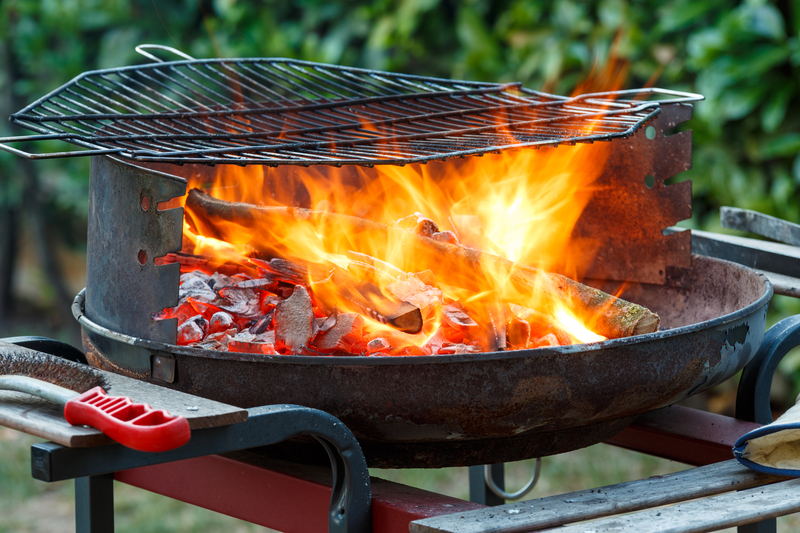


Wood grilling does taste better than other methods because burning wood releases natural flavor compounds that seep into your food, creating a rich smoky taste that gas and even charcoal can’t fully match.
When wood burns, it breaks down and sends tiny particles into the air that stick to the surface of whatever you’re cooking. This process adds layers of flavor that go beyond simple char marks or heat.
The difference comes down to chemistry and technique. Different types of wood create different flavors.
The way you manage your fire affects how your food turns out. Understanding what makes wood grilling special helps you decide if it’s worth the extra effort compared to more convenient options.
This guide covers the science behind wood-grilled flavor, the types of wood you can use, and how to get the best results. You’ll pick up practical techniques for controlling heat, managing smoke, and choosing between wood and other fuel sources for your next cookout.
Why Wood-Grilled Food Tastes Different
 Wood-grilled food gets its unique taste from smoke compounds that penetrate the surface, chemical reactions triggered by high heat, and specific molecules released when wood burns.
These factors work together to create flavors you just can’t get from gas or electric grills.
The Influence of Smoke Flavor
When you grill with wood, the smoke wraps around your food and leaves behind a distinctive taste. This smoky flavor comes from burning hardwood, which releases tiny particles that stick to the fats and proteins in your meat or vegetables.
The smoke penetrates the outer layer of your food during cooking. Different woods create different smoke profiles—hickory gives you a strong, bold taste while fruitwoods like cherry or apple add a milder, slightly sweet note.
The intensity of the smoke flavor depends on how long your food stays on the grill and how much smoke the wood produces. Seasoned, dry wood burns cleaner and creates better-tasting smoke than wet or green wood, which can make your food taste bitter.
Impact of Maillard Reaction and Caramelization
Wood grills reach higher temperatures than many other cooking methods, often exceeding 700°F. This intense heat triggers the Maillard reaction, a chemical process where amino acids and sugars in your food combine to form new flavor compounds.
The Maillard reaction creates the brown, crispy crust on your steak or the charred edges on your vegetables. These crusty parts taste savory and complex, adding depth that you won’t get from gentler cooking methods.
Caramelization happens alongside the Maillard reaction when sugars in your food break down under high heat. This process produces sweet, nutty, and toasted notes.
The uneven heat from wood creates spots of intense caramelization, giving your food varied textures and concentrated flavor pockets.
Flavor Compounds in Wood Smoke
Wood smoke contains hundreds of chemical compounds that affect how your food tastes. The three main groups are phenols, carbonyls, and organic acids.
Phenols give smoke its signature woody and slightly sweet character. Guaiacol and syringol are two key phenols that create that recognizable grilled taste.
Carbonyls add complexity with nutty, buttery, and caramel-like notes. These compounds form when lignin in the wood breaks down during burning.
Organic acids contribute tangy and sharp flavors that balance the richness of grilled meats. These acids also help preserve food and add to the overall flavor profile.
Types of Wood and Their Effects on Flavor
 Wood selection directly shapes the taste of your grilled food. Each wood type releases different compounds when burned, creating flavors that range from mild and sweet to strong and earthy.
Flavor Profiles of Popular Woods
Hickory delivers a strong, bold, bacon-like flavor that works well with pork ribs and beef brisket. This wood is a staple in Southern barbecue, but you need to use it carefully because too much can make your food taste bitter.
Applewood produces a mild, sweet, and fruity smoke. You can use it with pork, poultry, and fish without overpowering the natural flavors of these meats.
It’s one of the most versatile options for beginners.
Cherrywood offers a sweet, slightly tart flavor and gives meat a reddish-brown color. It pairs well with pork, chicken, beef, and lamb.
Many pitmasters choose cherry for ribs and pork shoulder.
Oak provides a medium-strength, earthy smoke that works with almost any meat. It burns steadily and creates balanced flavor without being too aggressive.
Mesquite burns hot and produces an intense, earthy taste. Use it for shorter cooking times with steaks or chicken rather than long smokes where it can become overpowering.
Difference Between Seasoned, Green, and Kiln-Dried Wood
Seasoned hardwood has been dried naturally for six months to a year. This wood produces clean, flavorful smoke because most of the moisture has evaporated.
It lights easily and burns at consistent temperatures.
Green wood still contains high moisture content. When you burn it, the wood creates acrid, bitter smoke that ruins your food’s taste.
The excess moisture also causes temperature fluctuations in your grill.
Kiln-dried wood has been dried in a heated chamber to remove moisture quickly. It ignites faster than seasoned wood and produces very little creosote.
However, some people find the flavor less complex than naturally seasoned wood.
Always check that your wood feels light and dry. Wet or freshly cut wood will steam rather than smoke properly.
Choosing the Best Cooking Wood
Match wood strength to meat type. Use mild woods like apple and cherry for delicate meats such as fish and chicken.
Save stronger woods like hickory and oak for beef and pork that can handle bolder flavors.
Consider your cooking time. Wood chunks work better for long smokes because they burn slowly.
Wood chips suit shorter grilling sessions but need frequent replacement.
Buy cooking wood from reliable sources that sell products specifically for food. Never use treated lumber, painted wood, or construction scraps.
These materials release toxic chemicals when burned.
Start with small amounts of wood. You can always add more smoke, but you can’t remove it once the flavor becomes too strong.
Test different combinations until you find what you like best.
Techniques for Grilling With Wood

Grilling with wood requires different approaches than gas or charcoal cooking.
You need to understand heat management, wood selection, and how to combine different fuel sources for the best results.
Direct and Indirect Grilling Methods
Direct grilling places food right over the wood fire. This method works best for quick-cooking items like steaks, burgers, and chicken breasts.
You get a strong sear and heavy smoke flavor because the food sits directly above the flames.
The wood needs to burn down to hot coals before you start cooking. Wait until the flames die down and you see glowing embers with a light ash coating.
Indirect grilling positions food away from the heat source. You build your wood fire on one side of the grill and place food on the other side.
This technique suits larger cuts like whole chickens, pork shoulders, and briskets that need longer cooking times.
Your grill acts like an oven with indirect heat. The temperature stays lower and more stable, typically between 225°F and 350°F.
Close the lid to trap smoke and heat around the food.
Using Wood Chips and Chunks
Wood chips are small pieces that ignite quickly and burn fast. They work well for shorter cooking sessions under 30 minutes.
Chunks are larger and burn slower, making them better for extended grilling or smoking food.
You don’t need to soak wood chips despite common advice. Wet wood creates steam instead of smoke and delays burning.
Dry chips produce cleaner smoke and better flavor.
Place chips or chunks directly on hot coals or in a smoker box. Add them gradually throughout cooking to maintain consistent smoke.
Too much smoke at once creates bitter flavors.
Combining Wood With Charcoal
Mixing wood with lump charcoal gives you better temperature control. The charcoal provides steady, reliable heat while the wood adds smoke flavor.
This combination works especially well for beginners learning wood grilling techniques.
Start your lump charcoal first and let it ash over. Add wood chunks once the charcoal reaches your target temperature.
Use a 70-30 or 80-20 ratio of charcoal to wood for most cooking.
This method lets you adjust smoke intensity by adding more or fewer wood pieces. You get the authentic wood-grilled taste without struggling to maintain consistent heat.
Wood vs. Charcoal and Gas Grills
 Wood grills create different flavors than charcoal or gas options. Each fuel type affects how your food cooks.
The fuel you choose changes both the taste of grilled food and how evenly heat spreads across your cooking surface.
Flavor and Aroma Differences
Wood grilling gives your food a strong smoky taste that comes from burning firewood. As wood burns, it releases compounds that your food absorbs.
Different woods create different flavors—hickory gives a bold taste while oak provides a milder flavor.
Charcoal grilling offers a lighter smoky flavor than wood. Charcoal burns cleaner and makes less smoke, but it still adds that classic grilled taste you expect from outdoor cooking.
You can add wood chunks to your charcoal for more smoke flavor.
Gas grills don’t add much flavor on their own. Propane and natural gas have no taste.
The grilled flavor from gas grills comes mostly from fat dripping onto burners and turning into vapor.
You can use smoker boxes with wood chips on gas grills, but the flavor won’t be as strong because most smoke escapes through loose-fitting lids.
Heat Distribution and Cooking Performance
Wood and charcoal grills can reach temperatures over 1,000°F, which lets you sear steaks properly. This high heat creates a crispy crust through a process called the Maillard reaction.
You control the heat by moving coals and wood around to create hot and cool zones.
Gas grills offer even heat distribution across the cooking surface, but most don’t get hot enough for proper searing.
Most gas grills max out at lower temperatures, which browns your food but doesn’t create that restaurant-quality sear.
Gas grills heat food indirectly, making them better for gentle cooking than high-heat searing.
Factors That Influence Flavor When Grilling With Wood
 The type of wood matters, but how you use it makes just as much difference in the final taste of your food. Moisture content, fat drippings, and the foods you’re cooking all change the flavor profile in specific ways.
Moisture Content and Wood Preparation
Wood with too much moisture?
That’s a recipe for thick, white smoke—definitely not the clean blue smoke you’re aiming for. Wet wood leaves your food with a bitter, almost acrid flavor that no one really wants.
Dry wood, on the other hand, burns cleaner. It releases those natural compounds that make each wood type taste unique.
Seasoned wood should have a moisture content somewhere between 15 and 20%. Go above that, and you’ll spend more time waiting for the fire to catch, since all that extra water has to evaporate before you get any real smoke.
If you’re not sure about the moisture level, try banging two pieces together. Dry wood gives a sharp, hollow sound. Wet wood? You’ll hear a dull thud.
Fresh-cut, or green, wood isn’t ready right away. It needs at least six months—sometimes a year—to properly dry out. Store it somewhere covered, with plenty of airflow, so it doesn’t get moldy but still loses moisture.
Some folks soak wood chips before grilling, hoping for more smoke. Really, all that does is make steam and slow things down. Pre-soaking only helps if your chips would burn up in seconds on high heat.
Rendered Fat and Grill Marks
When fat drips onto hot wood or coals, it sizzles and vaporizes, sending up a cloud of flavor. That rich, savory taste? It’s partly from those fat vapors rising back up and settling on your meat.
There’s also the Maillard reaction, which kicks in when the surface of your meat hits temps above 300°F. That’s where those brown, complex flavors come from—the crust everyone chases after on a good steak.
Grill marks aren’t just for show. They’re actually spots of intense caramelization and char, loaded with flavor compounds.
Fattier cuts like ribeye or pork shoulder drip more, which means even more smoke and deeper, richer flavor. It’s hard to beat that.
Grilling Vegetables and Delicate Foods
Vegetables are a different story on the grill. They don’t have fat or much protein, so they soak up smoke fast—and can turn unpleasantly bitter if you overdo it.
Milder woods like apple, maple, or alder are usually a better fit for veggies. Mesquite or hickory can just overpower them.
The sugars in vegetables caramelize quickly, giving you that sweet char with only a few minutes over the heat. Thin slices of zucchini or bell pepper really only need about 3 to 5 minutes per side for good grill marks and a hint of smoke.
Fish and other delicate proteins are in the same boat. They can get lost under heavy smoke, so stick with lighter woods for those, too.
Tips for Achieving the Best Wood-Grilled Results
 Getting the most out of wood grilling? It pretty much comes down to your wood choices and how you manage smoke. Nail those, and you’re halfway there.
Selecting and Storing Cooking Wood
Hardwoods like oak, hickory, maple, and fruitwoods—think apple or cherry—are the usual go-tos for grilling. Softwoods, like pine or cedar, are a no-go; they’re full of resins that taste weird and can be unhealthy to breathe in.
Your wood needs to be seasoned and dry. Fresh or green wood just puts out too much smoke and messes with the flavor. Seasoned wood, with moisture under 20%, burns so much cleaner.
Keep your wood somewhere dry and covered. Good airflow is key. Don’t let it sit on the ground—moisture and mold are the enemy. Leave some space between pieces so air can move around.
Each wood brings its own thing to the table. Oak is that classic, medium smoke that goes with almost anything. Hickory packs a punch, great for red meat. Fruitwoods are sweeter and milder, perfect for poultry or pork.
For grilling, split your wood into chunks about 2 to 4 inches. Too small, and they burn up fast. Too big, and you’ll be waiting forever for them to heat up.
Controlling Smoke and Avoiding Bitterness
Thin, blue-gray smoke means your fire’s burning clean and will actually give your food that nice, subtle flavor you want. If you see thick, white smoke billowing out, that’s a red flag—it’s incomplete combustion and it’ll make everything taste harsh and bitter.
Start with just a little wood and see how things go. It’s tempting to toss in a big pile, but honestly, that’s how you end up smothering the fire and getting that nasty smoke.
Keep an eye on your airflow to manage smoke quality. More oxygen means a hotter, cleaner fire, and the smoke will be way better for flavor.
Only restrict the airflow if you actually need to lower the temperature—don’t do it just to chase more smoke. That trick backfires.
Let the wood burn down to glowing coals before you throw food on the grill. That way, you’re cooking with heat and just a touch of light smoke, not choking everything in a cloud from burning wood.