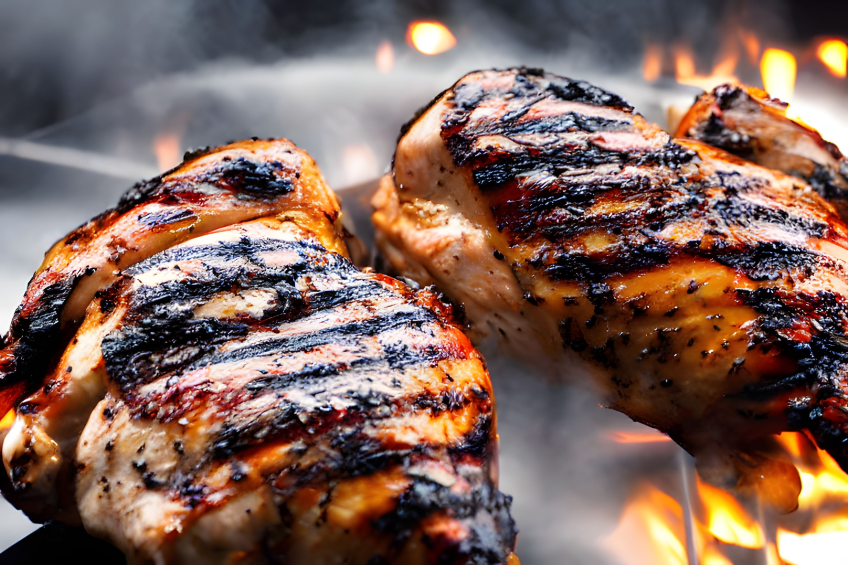

 Many people believe food tastes better when cooked on a charcoal grill, and they’re not wrong.
Charcoal grills produce a distinct smoky flavor that comes from smoke and high-heat chemical reactions that other grills can’t fully replicate.
When charcoal burns, it releases flavor compounds that get absorbed into your food, while the intense heat creates a caramelized crust through a process called the Maillard reaction.
The difference between charcoal and other grilling methods comes down to how each fuel source burns. Gas and electric grills create clean heat with little to no smoke, which means they miss out on the aromatic compounds that give charcoal-grilled food its signature taste. Charcoal burns wood-derived material that produces complex flavors your food absorbs during cooking.
This article explores what makes charcoal grilling unique, from the science of smoke and heat to practical techniques you can use. You’ll learn how different types of charcoal affect flavor, what foods work best on charcoal grills, and what you should know about potential health concerns.
Why Does Food Taste Better on a Charcoal Grill?
 Charcoal grilling creates distinct flavors through chemical reactions, smoke infusion, and high-temperature cooking that gas grills cannot replicate.
The Unique Flavor of Charcoal-Grilled Food
When you cook on a charcoal grill, the Maillard reaction occurs between amino acids and reducing sugars at high temperatures, producing complex flavor compounds and browning. This chemical process creates savory, rich tastes that define charcoal-grilled food.
The charcoal itself burns at temperatures between 500°F and 600°F, which sears food quickly and locks in natural juices. This intense heat creates a caramelized crust on the surface of your meat and vegetables.
Charcoal produces volatile compounds including phenolic compounds, aldehydes, and terpenes during combustion. These compounds get absorbed directly into your food’s surface, adding depth that you cannot achieve through other cooking methods. The type of charcoal you use matters—lump charcoal burns hotter with minimal ash, while hardwood charcoal provides more intense heat than softwood varieties.
Smoky Aroma and Taste
Smoke delivers the signature flavor profile that makes charcoal grilling distinctive. When fat and juices drip onto hot charcoal, they vaporize and rise back up as smoke, coating your food with aromatic compounds.
Charcoal grills produce both hot and cold smoke simultaneously during the cooking process. Hot smoke develops at higher temperatures and contributes to searing, while cold smoke adds subtle flavors over longer cooking periods.
The smoky aroma you smell comes from phenols in the smoke that bond with proteins in your food. Different wood types in charcoal create varied flavor notes—mesquite offers strong, savory qualities while apple wood provides milder, sweeter characteristics. You control smoke intensity by adjusting your grill’s vents to regulate airflow and combustion rates.
The Experience of Charcoal Grilling
Cooking over an open flame engages multiple senses beyond just taste. You see the glowing coals, hear the sizzle of food making contact with hot grates, and smell the smoke as it develops.
The radiant heat from charcoal cooks food through conduction, convection, and radiation simultaneously. This triple heat transfer method creates textures and flavors that electric or gas heat sources cannot match.
Your grilling technique directly impacts the final taste—temperature control, timing, and food placement all affect how much char and smoke flavor your food absorbs. Managing these variables requires attention and skill, which makes the resulting meal more satisfying.
The Science Behind Charcoal Grilling Flavor

Charcoal grilling creates distinct flavors through chemical reactions at high temperatures and smoke compounds that bond to food surfaces. Fat drippings and protein breakdown work together to build complex taste profiles.
The Maillard Reaction and Caramelization
The Maillard reaction occurs when you heat amino acids and sugars together above 284°F, creating hundreds of flavor compounds that give grilled food its savory, browned crust. This process differs from caramelization, which starts at 320°F and breaks down sugars into sweet and nutty notes. Charcoal grills reach temperatures between 300-500°F in direct-heat zones, allowing both reactions to happen simultaneously on your food’s surface.
The radiant heat from charcoal creates temperature variations across the grill surface, producing different levels of browning and crust development. These reactions form the base layer of flavor before smoke compounds add their contribution. The initial searing also dries the outer surface quickly, which helps lock moisture inside while building texture contrast.
Role of Smoke Compounds
Burning charcoal releases guaiacol and syringol through lignin pyrolysis, the thermal breakdown of wood-based materials. Guaiacol produces bacon-like smokiness at detection thresholds as low as 0.3 μg/L, while syringol adds sweet, woody notes. Food absorbs 42% more volatile aromatics from charcoal smoke compared to gas grill emissions.
When fat drips onto hot coals, it vaporizes and creates secondary smoke containing additional carbonyls and aromatic molecules. Wet food surfaces capture smoke particles three times more effectively than dry ones. Porous cuts like brisket absorb approximately 40% more smoke compounds than dense, lean cuts because guaiacol and syringol dissolve in fat and penetrate marbled tissue.
Impact of Fat and Amino Acids
Fat drippings create flames that briefly spike temperatures above 500°F, accelerating browning reactions and forming polycyclic aromatic hydrocarbons (PAHs) and heterocyclic amines (HCAs). While these compounds contribute to grilled food flavor profiles, controlling airflow limits their formation. The amino acids in protein break down under direct heat, releasing savory compounds that combine with smoke molecules adhering to the meat’s surface.
Marbled cuts develop deeper flavors because fat-soluble smoke compounds penetrate throughout the tissue rather than staying on the surface. Your choice of meat cut directly affects how much smoke flavor the final product contains, with fattier options providing more pathways for aromatic absorption.
Charcoal vs Gas and Electric Grills: Flavor Comparisons
 The type of grill you use directly impacts the flavor of your food, with charcoal producing the most smoke and distinct taste while gas and electric grills offer cleaner but milder flavors.
Flavor Differences: Charcoal vs Gas Grills
Charcoal grills create authentic smoky flavor through burning briquettes or lump charcoal, which produces real smoke that infuses into your food. When fat and juices drip onto hot coals, they vaporize and create additional flavor compounds that coat the meat.
Gas grills generate some smokiness when drippings hit the heat bars or flavorizer bars, but the effect is minimal compared to charcoal. For foods that cook quickly at high heat—like burgers, chicken breasts, and steaks—the flavor difference between charcoal vs gas is often indistinguishable.
The gap becomes noticeable during longer cooking sessions. Charcoal grills excel at low-and-slow cooking methods where smoke has more time to penetrate the meat. You can add wood chunks directly onto the coals to enhance the smoky profile, while gas grills require a smoker box that rarely produces the same intensity of smoke since they lack the airtight environment needed to trap it effectively.
Charcoal vs Electric Grills
Electric grills provide the least authentic grilled flavor of all grill types. They heat food through electric elements without creating any smoke, relying solely on the Maillard reaction from direct heat contact with the grates.
Your food will still develop char marks and some caramelization on an electric grill, but it won’t have the smoky notes that define traditional grilling. These grills work best for apartment balconies or areas where open flames aren’t allowed, prioritizing convenience over flavor complexity.
The contrast with charcoal is stark—you’re comparing smoke-free cooking to a fuel source designed to generate maximum smoke and reach temperatures exceeding 1200°F.
How Temperature Control Affects Taste
Temperature control fundamentally shapes how flavor develops on grilled food. Gas grills let you adjust heat instantly with control knobs, maintaining consistent temperatures between 225°F and 600°F for even cooking and predictable results.
Charcoal requires manual adjustment through damper positioning and fuel arrangement, making it harder to hold steady temperatures. This variability can actually benefit flavor development—the fluctuating heat creates different levels of char and caramelization on various parts of the meat.
Gas grilling gives you precision but limits your temperature ceiling. Charcoal’s ability to reach extreme temperatures produces better searing and crust formation, which locks in juices and creates more complex flavor through enhanced browning reactions on the meat’s surface.
Types of Charcoal and Wood: Their Influence on Taste
 The fuel you choose directly affects the flavor compounds that enter your food. Different charcoal types produce varying heat levels and smoke characteristics, while wood additions create distinct aromatic profiles.
Lump Charcoal vs Briquettes
Lump charcoal consists of pure carbonized hardwood pieces that burn hotter than briquettes, reaching temperatures between 800°F and 1,000°F. This natural fuel lights faster and produces minimal ash, making cleanup easier after grilling.
Charcoal briquettes are manufactured from compressed wood byproducts, coal dust, and binding agents. They burn at lower, more consistent temperatures around 600°F to 800°F and last longer than lump charcoal. The additives in briquettes can sometimes impart chemical flavors to food, particularly during the initial burn period.
Lump charcoal creates less smoke during cooking and leaves behind a cleaner taste. Briquettes provide better temperature stability for extended cooking sessions but require more time to reach cooking temperature.
Wood Chips and Their Flavors
Wood chips add aromatic smoke to your charcoal bbq when placed directly on hot coals. Soaking chips in water for 30 minutes before use extends their burn time and creates more sustained smoke production.
Different wood species contain unique combinations of lignin, cellulose, and volatile compounds. These organic materials break down at high temperatures and release flavor molecules that penetrate meat surfaces. Hardwoods produce cleaner smoke than softwoods, which contain resin that creates bitter tastes.
Popular Woods: Hickory, Mesquite, Oak, Apple
Hickory delivers a strong, bacon-like flavor with sweet undertones that pairs well with pork and beef. This wood burns steadily and produces heavy smoke.
Mesquite creates an intense, earthy taste with slight bitterness. Mesquite burns extremely hot and works best for quick-cooking items like steaks or vegetables. Extended exposure to mesquite smoke can overpower delicate foods.
Oak provides a medium smoke intensity with mild flavor notes. You can use oak with any meat type since it doesn’t dominate other seasonings or natural meat flavors.
Apple generates light, sweet, fruity smoke ideal for poultry and pork. This wood produces subtle flavors that enhance rather than mask the natural taste of your ingredients.
Key Grilling Techniques for Optimal Flavor
 Mastering specific techniques on a charcoal grill directly impacts the taste of your food through controlled heat application, chemical reactions on the meat’s surface, and strategic smoke exposure.
Searing and Caramelization Techniques
Searing meat requires temperatures between 500°F and 600°F to trigger the Maillard reaction, which creates flavor compounds through the interaction of amino acids and sugars. Place your steak directly over hot coals for 2-3 minutes per side without moving it to develop a proper crust.
The surface moisture must evaporate before browning begins, so pat your meat dry before placing it on the grates. For optimal results, oil the food rather than the grates to prevent sticking while promoting even caramelization.
Temperature consistency matters more than peak heat. Use a chimney starter to ensure all charcoal reaches the same temperature before spreading it across the grill bed. The crust formation seals in juices while adding textural contrast to the finished product.
Direct vs Indirect Grilling
Direct grilling positions food immediately above the coals, suitable for cuts under one inch thick that cook in less than 20 minutes. Indirect grilling places food away from the heat source, creating an oven-like environment for thicker cuts and whole poultry.
Set up a two-zone fire by banking all coals on one side of the grill. This configuration gives you a hot zone for searing and a cooler zone for finishing thicker items without burning the exterior.
Three-zone setups add a medium-heat area in the center by spreading coals in graduated layers. Move food between zones as needed to control cooking speed and prevent flare-ups from dripping fat.
Achieving Perfect Smoke and Heat Balance
Control airflow through bottom vents and lid dampers to regulate both temperature and smoke production. Fully open vents increase oxygen flow, raising heat and reducing smoke density. Partially closed vents lower temperatures while producing thicker smoke.
Add wood chips or small chunks directly onto hot charcoal to generate smoke without significantly altering temperature. Hardwoods like oak and hickory produce strong smoke flavors, while fruitwoods create milder profiles.
Monitor your grill temperature with a thermometer rather than relying on hand tests. Maintain temperatures between 225°F and 275°F for low-and-slow cooking, or 400°F to 450°F for standard grilling. Adjust coal quantity and vent positions simultaneously to hit your target range and hold it steady throughout the cooking process.
How Food Type and Preparation Affect Charcoal-Grilled Taste
 Different foods absorb smoke and heat at varying rates, while preparation methods like marinades and rubs alter how your taste buds perceive flavors from the grill. The chemical composition of ingredients determines whether charcoal grilling enhances or diminishes their natural qualities.
Best Foods for Charcoal Grilling: Meat Cuts and Vegetables
Large cuts of meat benefit most from charcoal grilling because their thickness allows time for smoke penetration without overcooking. Grilled steak develops a better crust on charcoal due to higher heat output compared to gas grills, with ribeye and strip steaks performing particularly well at temperatures between 450°F and 550°F.
Grilled chicken requires different handling based on size. A whole chicken needs indirect heat zones to cook evenly, while breasts and thighs can go directly over coals. Dark meat absorbs more smoke flavor than white meat because of its higher fat content.
Grilled vegetables work best when they have enough natural sugars to caramelize. Bell peppers, onions, zucchini, and eggplant develop char marks that add bitterness to balance their sweetness. Root vegetables like carrots and potatoes need partial cooking before grilling to prevent burning on the outside while remaining raw inside.
Fatty fish like salmon handles charcoal heat better than lean fish because oils protect the flesh from drying out. Shellfish such as shrimp cook quickly at 2-3 minutes per side, requiring careful attention to prevent rubbery texture.
Role of Marinades, Rubs, and Seasoning
Marinades containing acid break down proteins in meat, allowing deeper smoke penetration during grilling. Citrus-based mixtures work in 2-4 hours, while vinegar or wine marinades need 4-8 hours for optimal effect.
Oil-based marinades create a barrier that can reduce smoke absorption but prevent sticking to grates. You should pat meat dry before grilling if maximum smoke flavor is your goal.
Marinades and rubs containing sugar caramelize quickly on charcoal grills, forming a dark crust at temperatures above 300°F. This process happens faster on charcoal than gas because of direct radiant heat from coals.
Dry rubs penetrate only the meat’s surface but create concentrated flavor pockets. Salt in seasoning draws moisture to the surface, which then evaporates to form a dry exterior that browns more effectively. Pepper and other spices in rubs can burn at high heat, producing bitter notes that some people find unpleasant.
Taste Profiles: Sweet, Savory, Bitter, and Sour
Charcoal grilling intensifies sweet flavors through caramelization, converting natural sugars into hundreds of new compounds. Corn, peaches, and pineapple develop pronounced sweetness when grilled because heat concentrates their sugar content as moisture evaporates.
Savory tastes strengthen on charcoal grills through the Maillard reaction, which creates glutamates and other umami compounds at temperatures above 285°F. Red meat produces more savory depth than poultry because it contains higher concentrations of glutamic acid.
Bitter flavors emerge from charred areas where proteins and sugars burn. A thin layer of char adds complexity, but excessive blackening creates acrid compounds that overwhelm other tastes. Vegetables naturally high in alkaloids, like radicchio, become more bitter when grilled.
Sour components in marinades or ingredients like tomatoes become less pronounced during grilling as heat breaks down citric and acetic acids. Your taste buds perceive less acidity in grilled foods compared to raw versions of the same ingredients.
Potential Downsides and Health Considerations
 Charcoal grilling produces chemical compounds that can increase cancer risk, but specific preparation methods significantly reduce these dangers.
Formation of PAHs and HCAs
Polycyclic aromatic hydrocarbons (PAHs) form when meat juices and fat drip onto hot coals, creating flames and smoke that deposit these carcinogens back onto your food. Charcoal creates more smoke than gas grills, which increases PAH formation during cooking.
Heterocyclic amines (HCAs) develop when you cook muscle meats at high temperatures. The amino acids in meat react with creatine to form these compounds, which appear as black char marks on beef, pork, lamb, chicken, turkey, and fish. Both PAHs and HCAs are classified as carcinogens that can alter human DNA.
The World Health Organization identifies processed meats like hot dogs and sausages as Group 1 carcinogens. Red meat consumption also correlates with increased colorectal cancer risk, and these dangers intensify when you grill these foods at high heat for extended periods.
Mitigating Risks When Charcoal Grilling
Marinating your meat for at least 30 minutes before grilling reduces HCA formation more effectively than lowering cooking temperature alone. Use marinades made with vinegar, oil, wine, or lemon juice combined with herbs and spices.
Select lean cuts and trim visible fat to minimize dripping that creates PAH-containing smoke. Grill at lower temperatures by moving coals to the side while keeping meat in the center, and flip your meat continuously rather than letting one side overcook.
Pre-cook meat in your oven or microwave to reduce grill time, then finish on the charcoal for flavor. Cut away any charred portions before serving since these contain the highest concentrations of HCAs. Add grilled vegetables and fruits to your meals—these don’t form carcinogens and may provide cancer-fighting nutrients.
Popular Charcoal Grills and Accessories
 The right equipment makes charcoal grilling more efficient and enjoyable. Quality grills and basic tools help you control temperature and cook food evenly.
Choosing the Right Charcoal Grill
The Weber Original Kettle remains the most tested and recommended option for most people, with prices starting around $150 for the standard model. Its porcelain-enameled steel construction retains heat effectively while staying light enough to move around your patio.
The Weber Original Kettle Premium adds an improved ash catch system that makes cleanup faster and less messy. Both models come in 18-inch, 22-inch, and 26-inch sizes, with the 22-inch version providing 363 square inches of cooking space for 15 to 20 burgers.
Kettle-style charcoal grills offer dome-shaped lids that don’t touch food at the edges like rectangular models do. This design lets you place coals in different configurations for direct grilling or indirect smoking.
Look for adjustable vents on both the top and bottom of your charcoal BBQ. These controls let you regulate airflow to maintain steady temperatures for different cooking methods. Multiple vents give you finer control over heat levels.
Essential Accessories for Charcoal Grilling
A chimney starter lights charcoal without lighter fluid and gets coals ready in 15 to 20 minutes. You fill the top with charcoal, place crumpled newspaper underneath, and light it from the bottom.
Upgraded stainless steel grates distribute heat more evenly than standard grates and resist rust better. Many recipe blog writers recommend these for easier cleaning and better sear marks.
A smoker box holds wood chips that add flavor during cooking. You place it directly on the coals to create smoke for indirect cooking methods. Digital probe thermometers track internal meat temperatures without opening the lid and losing heat.
Long-handled tongs and spatulas keep your hands away from heat. Heat-resistant gloves protect you when adjusting vents or moving hot grates during cooking.