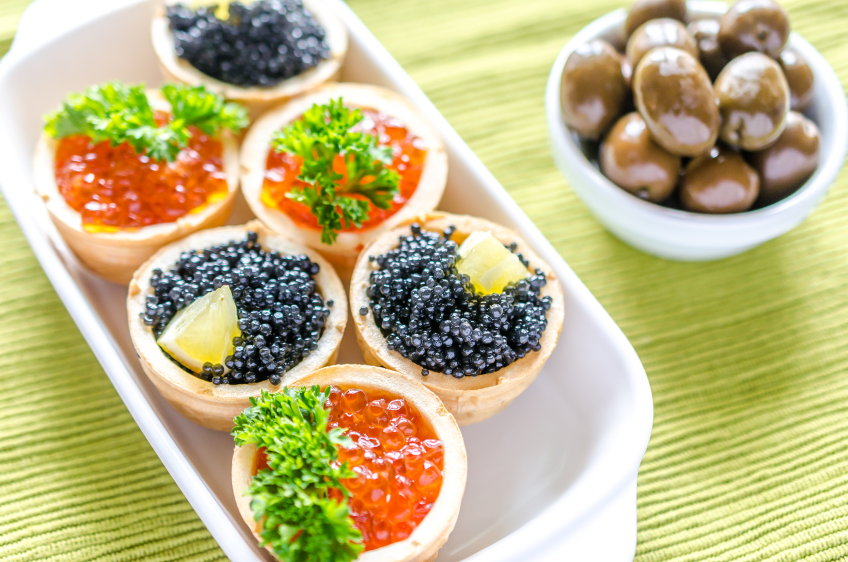


Caviar can taste surprisingly clean, smooth, and subtly complex—far more than just “salty” or “fishy.” High-quality caviar brings a buttery richness and a gentle hint of the ocean, never overwhelming or aggressive.
Whether it actually tastes good? That depends on your palate and, honestly, the quality of what you try. Some people love it, others don’t see the appeal at all.
If you haven’t tasted caviar before, it’s fair to question if the luxury status matches the experience. The flavor is delicate, refined, and the texture offers a soft pop that releases a savory, lingering taste.
Some types lean creamy and nutty, while others are brinier and a bit more intense. It’s a spectrum, not a single note.
This guide covers what caviar is, how the types compare, and what shapes its flavor from farm to table. You’ll also see how texture matters, the right way to taste, and whether this delicacy is worth it for your own palate.
What Is Caviar?
 Caviar is unfertilized fish eggs from specific species, with genuine caviar sourced only from sturgeon. The distinction between true caviar and regular roe comes down to source fish and processing methods.
Defining Caviar and Roe
Caviar is a kind of roe, but not all roe is caviar. Roe means unfertilized eggs from any fish, like the orange eggs you see on sushi—those aren’t caviar.
The eggs are harvested, processed, and lightly salted before serving. Usually, caviar is served chilled on ice, and metal spoons are avoided because they can affect taste; mother-of-pearl is the classic choice.
Fish roe comes in a range of colors—black, red, orange, even white. Each color signals a different fish source, with its own flavor profile.
Sturgeon Origins and Caviar Authenticity
True caviar must come from sturgeon. Classic sturgeon types include Beluga, Osetra, Sevruga, Sterlet, and Kaluga.
Sturgeon are ancient, slow-growing fish—Beluga can take up to 20 years to mature. Most wild sturgeon are from the Caspian Sea, but many are now farmed elsewhere too.
Salmon roe, trout roe, and others are sometimes called “red caviar,” but technically, they’re not caviar. They’re still valued and tasty, just not in the same category.
Why Caviar Is Considered a Luxury Food
Caviar’s high price comes from the years it takes sturgeon to mature and the labor-intensive harvesting. Quality control is strict, and supply is limited while demand is high.
Some sturgeon species are endangered, which restricts legal imports—Beluga caviar from the Caspian Sea, for example, can’t be imported into the US. Rarity keeps prices up.
Almas caviar, from white sturgeon aged 60-100 years, sells for over $35,000 per kilogram. It’s among the world’s most expensive foods.
What Does Caviar Taste Like?

Caviar offers a complex blend of flavors well beyond simple saltiness. Expect ocean-fresh notes, creamy textures, subtle nuttiness, and a clean finish that lingers.
Core Caviar Flavor Profile
The flavor starts with a clean, oceanic quality—never fishy or harsh. Place the pearls on your tongue and you’ll get a cool, smooth sensation, followed by a gentle pop that releases mild, refined saltiness.
Flavor varies by sturgeon species. Ossetra is rich and earthy, White Sturgeon is often described as “sea butter,” and Kaluga Hybrid is smooth and creamy.
Texture is key. You don’t chew caviar; instead, press the pearls gently against your palate and let them melt. This slow release brings out layers of flavor.
The Role of Salt and Brininess
Salt is used to preserve caviar and shape its taste. The best caviar uses just enough salt to highlight the natural flavors, not overwhelm them.
The brininess should remind you of fresh ocean air, not seawater. The curing method matters—”Malossol” means “little salt” in Russian, and it’s the gold standard for top caviar.
Expensive caviar usually has a more balanced salt profile than cheaper options. When done right, salt brings out umami and depth, never masking the roe’s character.
Buttery and Nutty Notes
Many caviar types have a buttery quality, especially White Sturgeon and Kaluga. This gives a rich, smooth mouthfeel.
Nutty undertones show up in varieties like Ossetra. Sometimes there’s a hint of sweetness mixed in, which adds depth.
These flavors develop as the caviar sits on your tongue, emerging after the initial pop and saltiness. This is where caviar earns its luxury reputation.
Aroma and Aftertaste
Fresh caviar should smell clean and slightly briny, like a sea breeze—never fishy or metallic. If it does, it’s likely old or mishandled.
The aftertaste is soft and umami-rich, lingering pleasantly with subtle buttery or creamy notes. The best caviar leaves a refined finish that makes you want another taste.
Serving temperature matters. Too warm and the aroma or aftertaste can get off; properly chilled, everything stays crisp and delicate.
Caviar Texture and the Tasting Experience

Caviar’s texture is as important as its flavor. The feel of the pearls on your tongue and their appearance define the premium experience.
Mouthfeel and the Iconic Pop
Good caviar feels cool and smooth, never mushy or hard. Quality roe has a firm shell that gives gently when pressed to the roof of your mouth.
The pop is a soft, gentle burst—not a crunch. It releases the briny liquid inside with just a bit of pressure.
Don’t chew caviar; let it rest and press lightly. This slow release is essential to the experience.
The pearls should be separate, not clumped. High-end caviar keeps each egg distinct until you’re ready to taste.
Visual and Sensory Appeal
Premium caviar looks glossy and slightly translucent. The pearls should catch the light and appear moist, not oily.
Color varies by type, from golden to dark gray or black. Size can impress visually, but consistency and uniformity matter more than just big eggs.
Traditionally, you use a mother-of-pearl or bone spoon—never metal. Presentation, like serving on ice in the tin, elevates the ritual and adds to the sensory experience.
Types and Varieties of Caviar

Caviar comes from several fish species, each offering a distinct flavor, texture, and appearance. While sturgeon caviar remains the classic symbol of luxury, salmon and trout roe provide more affordable alternatives with their own unique appeal.
Sturgeon Caviar Varieties
As the traditional luxury option, sturgeon caviar stands apart for its refinement and rarity. The three most famous varieties come from specific sturgeon species, each prized for its distinctive characteristics.
- Beluga caviar features the largest eggs, light to dark gray. Its flavor is smooth, buttery, and delicate, with very little saltiness. This rarity makes it extremely expensive and highly sought after.
- Osetra caviar has medium-sized eggs, gold to dark brown. The taste is nutty, rich, and more complex, with a firmer texture and a distinct pop.
- Sevruga caviar comes from smaller sturgeon, producing small, dark gray eggs. It’s more briny and assertive than beluga or osetra, and also more affordable.
- Kaluga caviar is large and buttery, similar to beluga but less intense.
- Sterlet caviar is rare, with small, delicate eggs and a refined flavor.
Red and Salmon Roe
Red caviar, mainly from salmon, looks quite different from black caviar. The bright orange eggs are larger and have a unique flavor profile.
Salmon roe pops with a burst of briny, slightly sweet flavor. It’s more pronounced than sturgeon caviar, with a juicy, soft texture rather than firm.
Red caviar is much less expensive than sturgeon varieties. It’s common in Japanese cuisine and pairs well with cream cheese or mild crackers. You’ll see it in grocery stores far more often than black caviar.
Key Takeaways
- Authentic caviar comes exclusively from sturgeon, with distinct flavor and texture profiles by species.
- High-quality caviar tastes clean, subtly briny, and often features buttery or nutty notes without being fishy.
- Texture and proper serving methods are essential for the full caviar experience.
- Sturgeon caviar is rare and expensive, while salmon roe offers a more accessible alternative with different characteristics.
- Temperature, freshness, and presentation all significantly impact the taste and enjoyment of caviar.
Trout and Other Fish Roe
Trout roe is a notable alternative to sturgeon caviar. The eggs are small, with colors ranging from golden yellow to deep orange.
The flavor is mild, slightly sweet, and less salty than salmon roe. The texture is delicate, and the eggs pop easily—almost too easily, sometimes.
Trout roe is often used as a garnish for appetizers or salads. It adds color and a subtle burst of flavor.
Other options include paddlefish roe, which produces small black eggs similar to sevruga. Whitefish roe, known for its golden color and mild taste, is also popular.
These alternatives offer the caviar experience at lower prices. Each brings its own unique flavor and texture.
What Affects the Taste of Caviar?

Caviar taste is shaped by several factors, including sturgeon species, farming conditions, salt curing, and preservation methods. These variables determine the final flavor profile.
Species and Farming Conditions
Each sturgeon species produces caviar with its own flavor notes. Beluga is smooth and creamy, almost buttery. Ossetra is nuttier and more complex—sometimes there’s even a hint of earthiness.
Kaluga caviar is milder and balanced, making it approachable for beginners. The water quality matters too; clean, temperature-controlled environments yield purer flavors.
Historically, wild sturgeon had distinct tastes shaped by their habitats. Most premium caviar now comes from farms that monitor water, diet, and fish health closely.
The sturgeon’s diet directly impacts roe flavor. High-quality feed leads to better taste and texture, while poor farming can result in off-flavors or inconsistent batches.
Salt Curing and Malossol Method
Salt is essential for preserving caviar and defining its taste. The malossol method uses less than 5% salt by weight, preserving freshness and letting the natural roe flavor stand out.
There’s a noticeable difference between malossol and heavily salted caviar. Malossol is cleaner and more delicate, while too much salt can overpower the roe.
Getting the salt balance right takes skill. Too little, and the caviar spoils; too much, and the subtlety is lost.
Freshness and Pasteurization
Fresh caviar is best within a few months of harvest. It should have a clean, ocean-like aroma—never fishy.
Pasteurized caviar is heat-treated for longer shelf life. This process changes the texture, making the pearls firmer, and the flavor loses some complexity.
Pasteurized caviar can be stored at room temperature before opening. Fresh caviar always needs refrigeration. Most experts still prefer fresh caviar for its superior qualities.
How to Taste and Serve Caviar

Proper technique and tools are crucial for experiencing caviar’s true flavor and texture. Cold temperatures and non-metallic utensils make a real difference.
Proper Tasting Techniques
Place a small amount on the back of your hand, right between thumb and index finger. Let it warm for a moment—just enough to release aroma and oils.
When tasting, press the eggs gently against your palate with your tongue. Don’t chew immediately; let the pearls burst slowly to appreciate the full flavor.
Take breaks between tastings to reset your palate. Plain crackers or water work well. Pay attention to how the flavor evolves from start to finish.
Best Utensils: Pearl and Mother of Pearl Spoons
Never use metal spoons with caviar—metal can create a bitter, metallic taste. That ruins the whole experience.
Mother of pearl is traditional and doesn’t interfere with the roe’s flavor. Pearl spoons work too, keeping the taste pure.
Spoons made from bone, horn, or wood are also good choices. These materials don’t alter the flavor.
Serving Temperature and Pairings
Caviar should be served very cold, ideally between 28°F and 32°F. Place the tin in crushed ice and open it just before serving.
Warmed caviar loses its firmness and flavor. For drinks, chilled vodka or dry champagne are classic choices—vodka cleanses the palate, while champagne complements the saltiness.
Sweet or heavy wines are best avoided, as they can overpower the subtle flavors.
Key Takeaways
- Trout, paddlefish, and whitefish roe offer affordable caviar alternatives with distinct flavors and textures.
- Caviar taste depends on species, farming conditions, salt curing, and freshness.
- The malossol method preserves caviar’s natural flavor by using minimal salt.
- Proper tasting requires non-metallic spoons, cold temperatures, and careful technique.
- Fresh caviar is preferred for its superior taste and texture, while pasteurized caviar allows longer storage.
Classic Accompaniments

Blinis are the traditional base for caviar, offering a soft, slightly sweet platform that highlights the roe’s texture. Their warmth and pillowy consistency create a gentle contrast with the chilled caviar.
Crème fraîche introduces a tangy note and a creamy mouthfeel that works well with the salinity of the eggs. Spread it thinly underneath the caviar to avoid overpowering the delicate flavors.
Toast points—just triangles of lightly toasted bread—serve as a neutral, crisp support. They don’t distract from the main event, which is exactly the point.
Other commonly used accompaniments include:
- Chopped hard-boiled eggs
- Finely diced onions
- Fresh lemon wedges
- Unsalted butter on warm toast
It’s best to keep things minimal here. Overcomplicating the plate risks losing what makes caviar special in the first place.
Some connoisseurs even skip accompaniments altogether, opting to taste caviar on its own for maximum purity.
Key Takeaways
- Blinis, toast points, and crème fraîche are standard caviar accompaniments.
- Simple additions like eggs, onions, and lemon can enhance but shouldn’t overshadow.
- Minimalism is key; avoid masking caviar’s natural flavor.
- Many experts recommend tasting caviar plain for full appreciation.