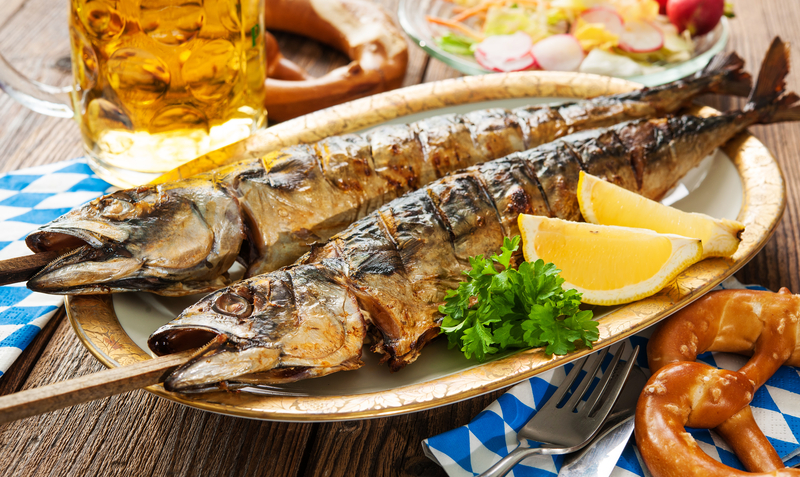


When grilling fish, the decision to flip the fillet depends on the type of fish and the grilling method used. Some fish are firm enough to handle direct heat and turning on the grill.
Sturdy fish such as salmon, tuna, and swordfish can be flipped without falling apart during grilling. More delicate fish like tilapia or cod often require special tools or alternative grilling techniques to prevent sticking and breaking
Most fish fillets should be flipped once during grilling to promote even cooking and better texture when the fish can structurally handle it.
Understanding when to flip fish on the grill, how to prevent fish from sticking, and which grilling techniques work best for different fish types is essential, as proper grill preparation and correct technique are key to achieving optimal results.
Do You Flip Fish When Grilling? The Essential Answer

Flip thick, sturdy fish fillets once during grilling for even cooking. Delicate or thin fillets often cook best without flipping.
Why Flipping Matters
Flipping fish ensures both sides cook evenly. Without flipping, the side closest to the heat may overcook while the other side remains undercooked.
- Prevents undercooked areas
- Reduces the risk of overcooked, dry sections
- Promotes uniform texture
Thick cuts like salmon, tuna, and swordfish benefit most from flipping. These fish require consistent heat exposure to reach an internal temperature of 145°F.
When Flipping Is Not Necessary
Do not flip delicate fish with low fat content and fragile texture. Sole, flounder, and trout break apart easily when turned.
Thin fillets under 1 inch thick often cook through from bottom heat alone, especially with a closed grill lid. Pan-seared fish also does not require flipping, as high heat forms a crust while cooking the interior.
Fish baskets or aluminum foil support fragile fish and eliminate the need to flip. These tools prevent sticking and maintain the fish’s structure.
Benefits and Drawbacks of Flipping
- Ensures even browning
- Promotes consistent internal temperature
- Improves texture control for thick cuts
- Increases risk of breaking or sticking
- Can cause loss of delicate flesh
- May disrupt crust formation on the first side
Flip cuts thicker than 1 inch. Avoid flipping delicate or thin fillets.
Use a wide spatula and flip only when the fish releases naturally from the grates. Sticking indicates more cooking time is needed on that side.
Key Takeaways
- Flip thick, sturdy fish (salmon, tuna, swordfish) once for even cooking
- Do not flip delicate fish and fillets under 1 inch thick
- Wait for natural release from grates before flipping, usually after 3–4 minutes
- Use fish baskets or a closed grill lid for fragile fish
Key Factors That Influence Flipping Fish

The need to flip fish depends on fillet thickness, fish texture, and cooking timing. Each factor directly affects handling on the grill.
Fish Thickness: Thicker vs. Thinner Fillets
Thicker fillets over 1 inch require flipping for even cooking. Flip once, halfway through, using the guideline of 8–10 minutes per inch of thickness.
Thin fillets under 3/4 inch often cook through without flipping. Grill these skin-side down with the lid closed.
Measure thickness at the fillet’s thickest point. For uneven fillets, position the thickest part over the hottest grill area.
Fish Texture: Delicate vs. Firm Types
Firm fish like salmon, swordfish, tuna, and mahi-mahi tolerate flipping. Their dense muscle fibers and natural oils maintain structure on the grill.
Delicate fish such as cod, tilapia, sole, and flounder break apart when flipped. Use a grill basket, cedar plank, or foil packet for these types.
Medium-firm fish like halibut, snapper, and sea bass can be flipped if skin-on and handled carefully.
Timing: When to Flip Fish for Best Results
Flip fish only when it releases naturally from the grates. If resistance is felt, wait 30–60 seconds more.
Flip when opacity reaches halfway up the fillet side. For a 1-inch fillet, this occurs after 4–5 minutes over medium-high heat (400–450°F).
The second side requires less time, usually 2–3 minutes. Fish is done at 145°F and flakes easily with a fork.
Preparing the Grill and Fish for Flipping

Successful fish flipping requires a preheated grill, well-oiled surfaces, and careful handling. Preparation determines if the fish releases cleanly or sticks.
How to Preheat the Grill Properly
Preheat the grill on high for 10–15 minutes to reach 400–450°F. This temperature creates a sear that prevents sticking.
High heat causes proteins to coagulate, forming a crust that releases from the grates. Place fish only on a hot, clean grill.
Scrape grates with a grill brush before and after preheating. Hot grates clean more effectively and reduce sticking risk.
Oiling the Grill Grates and the Fish
Oil both the grill grates and the fish for maximum non-stick protection. After preheating and cleaning, apply oil using a paper towel and tongs.
Use high-smoke-point oil such as canola, grapeseed, or avocado. Wipe oil across the hot grates in long strokes.
Pat fish dry before oiling. Brush all sides of the fish lightly with oil, then season as desired.
Avoiding Common Sticking Issues
Fish sticks if flipped before the crust forms. Wait for natural release before flipping.
Test readiness by sliding a spatula under the fish. If resistance is felt, wait another 30–60 seconds.
Use a thin, flexible fish spatula. Skin-on fillets provide extra support and reduce the risk of breaking.
Flipping Techniques for Perfectly Grilled Fish
 Proper tools and technique prevent sticking and breaking during flipping. A thin, slotted spatula and controlled movement are essential.
Choosing and Using the Right Tools
A fish spatula is ideal for flipping fish on the grill. Its thin, flexible blade slides under fillets without tearing.
The blade should be at least 5–6 inches wide. An offset handle improves leverage and control.
If a fish spatula is unavailable, use two standard metal spatulas for support. Avoid thick burger flippers.
Step-by-Step Fish Flipping Method
Flip only when the fish releases naturally from the grates. For a 1-inch fillet, this takes 4–6 minutes on a hot grill.
Approach the fillet from the side with the spatula parallel to the grates. Slide the blade under the fish in one motion.
Lift the fillet 2–3 inches, then rotate 180 degrees to flip. Place it on a clean, hot spot on the grill.
Cook the second side for about half the time of the first. The fish is done at 145°F and flakes easily.
Key Takeaways
- Use a thin, slotted fish spatula with an offset handle for control
- Flip only when a crust forms and the fish releases naturally from the grates
- Slide the spatula fully under the fillet and flip with a smooth 180-degree motion
- Place flipped fish on a clean, hot part of the grill and cook the second side for less time
Alternative Methods: Grilling Fish Without Flipping

Grill fish without flipping by using tools and techniques that protect delicate fillets and ensure even cooking. These methods suit thin or fragile fish.
Using a Grill Basket
A grill basket encloses fish between two hinged metal grates. Place seasoned fish inside, close the basket, and set it on the grill.
Flip the entire basket when needed, avoiding direct handling of the fish. This method prevents breaking and sticking.
Oil both the basket and the fish before cooking. Choose baskets with long handles and adjustable grids for various fish sizes.
Cedar Plank, Foil Packets, and Grill Mats: Direct Methods for Grilling Fish
 Cedar planks, foil packets, and grill mats allow for controlled, effective grilling of fish without direct contact with grill grates.
Cedar planks impart a smoky flavor while shielding fish from direct heat. Soak the plank in water for at least one hour before use.
Place the fish on the soaked plank and set it on the grill. The fish cooks from the bottom and surrounding hot air, eliminating the need to flip.
Foil packets provide a gentle, steaming environment. Wrap fish with vegetables, herbs, and a small amount of liquid in heavy-duty foil.
Seal the packet and place it on the grill. This method keeps fish moist and prevents it from touching the grates.
Grill mats are thin, non-stick sheets made from heat-resistant materials. They are placed directly on grill grates to prevent sticking.
Delicate fish such as tilapia or sole benefit from grill mats, as they do not require flipping. The fish retains grill marks and flavor while staying intact.
Expert Tips for Grilling Different Types of Fish

Grilling methods should be matched to fish texture and thickness to avoid breakage and ensure even cooking.
Best Fish to Flip on the Grill
Thick, firm fish such as salmon, tuna, swordfish, mahi-mahi, and halibut are suitable for flipping. Their dense flesh and higher fat content help maintain structure during grilling.
These fish are typically at least one inch thick. Flip once during cooking, usually at the halfway point.
For example, a one-inch salmon fillet should be cooked for four minutes on the first side, then flipped and cooked for another three to four minutes.
Fish steaks with bones, such as tuna or salmon, are also appropriate for flipping. The bone provides structural support and reduces the risk of breakage.
Leaving the skin on adds a protective layer and further eases the flipping process.
Handling Delicate and Flaky Fish
Thin, delicate fish such as tilapia, sole, flounder, and trout should not be flipped. Their soft flesh is prone to breaking apart.
Cook these fish flesh-side down for two to three minutes until a golden crust forms. The top will finish cooking from ambient heat.
If the top requires more cooking, close the grill lid for one to two minutes. Use a large, thin metal spatula to remove the fish, supporting the entire fillet.
Oil grill grates thoroughly before cooking to reduce sticking. This step is essential to prevent fillet breakage in flaky fish.
Key Takeaways
- Use cedar planks, foil packets, or grill mats to protect fish and enhance flavor during grilling.
- Flip only thick, firm fish such as salmon or tuna to maintain structural integrity.
- Cook delicate fish on one side and avoid flipping to prevent breakage.
- Use a thin metal spatula and oil grates well to reduce sticking and preserve fillet shape.
Avoiding Overcrowding for Even Cooking

Leave at least 2 inches between each piece of fish on the grill. This spacing prevents steam buildup and allows proper searing.
Crowded fish cook unevenly and do not develop a proper char. Overcrowding also lowers the grill temperature, extending cooking time and increasing the risk of sticking.
Cook fish in batches if necessary to maintain adequate space. Each piece requires heat circulation on all sides for uniform results.
Arrange thicker pieces near the grill center, where heat is strongest. Place thinner pieces at the edges to accommodate varying cooking times.
Key Takeaways
- Leave 2 inches of space between fish to ensure even heat circulation.
- Cook in batches to avoid overcrowding and temperature drops.
- Place thicker fish at the grill center and thinner pieces at the edges.
- Monitor cooking times to prevent overcooking or sticking.