

Yes, grill grates make a noticeable difference in grilling results. The material and design directly influence browning, cleanup, and how long your grates actually last.
Choosing the right grate material for your cooking style improves both performance and the overall grilling experience. Cast iron, stainless steel, and porcelain-coated options all have unique strengths in heat retention, durability, and upkeep.
Understanding these differences lets you select grates that truly fit how you grill. Below, you’ll find a breakdown of how grate types perform, what they need in terms of care, and which options work best for specific grilling preferences.
How Grill Grates Influence Your Grilling Results
 Grill grates control heat transfer and determine whether you get deep sear marks or pale, unevenly cooked food. Material and design impact heat retention, browning, and texture across everything you cook.
Heat Retention and Distribution
Cast iron grates retain heat longer than most alternatives. Even when you drop a cold steak on them, they stay hot and keep cooking temperatures steady.
Stainless steel heats up fast but cools down quickly, sometimes creating hot and cool spots. Thicker grates, regardless of material, usually offer more even heat than thin ones.
Porcelain-coated grates balance moderate heat retention with easier cleanup. That coating helps spread heat and shields the metal underneath. In the end, how well your grate distributes heat really determines if your burgers cook evenly or not.
Achieving Sear Marks and Grill Marks
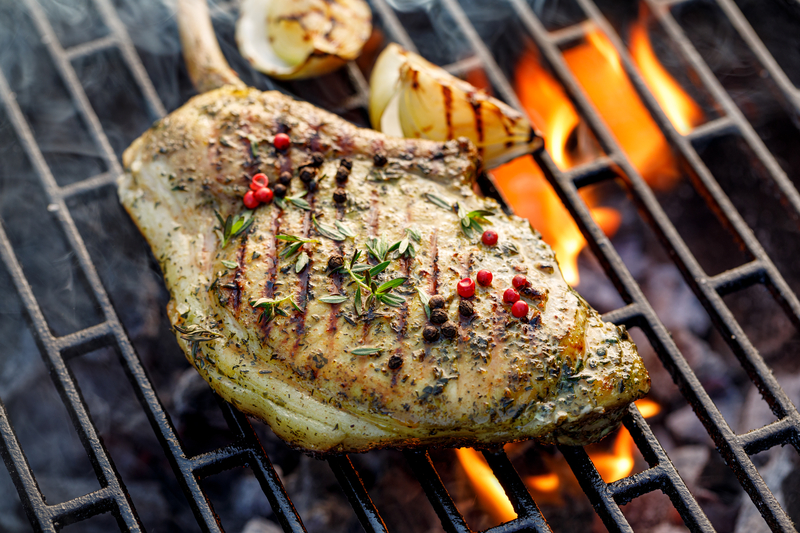
Cast iron creates the deepest, most dramatic grill marks, thanks to its ability to get—and stay—very hot. Those classic brown lines? That’s cast iron doing its thing.
Rod-style grates with thick, round bars focus heat into narrow lines for bold marks, but leave more of the surface untouched. Flattop or wider bars give lighter marks but better overall browning.
Stainless steel can deliver decent sear marks if you preheat it well. Not quite as intense as cast iron, but still respectable. Bar spacing also matters—closer bars mean more browning, wider spacing means more grill marks.
Impact on Even Cooking and Food Texture
Grate design affects whether food cooks evenly edge to edge. Grates with good heat retention prevent temperature drops when you load them up, so everything finishes at the same time.
More surface contact between food and grate means more crust and better browning. Closely spaced bars keep small items from falling through and support delicate foods like fish.
Warped or damaged grates create hot spots and cold zones, leading to charred and undercooked sections. A flat, well-maintained grate is essential for consistent results.
Types of Grill Grates and Their Characteristics

Grate material affects cooking performance, maintenance, and lifespan. Cast iron maximizes heat retention, stainless steel resists rust, and porcelain-coated grates simplify cleaning.
Cast Iron Grill Grates
Cast iron grates hold heat better than anything else. Even with cold food, they stay hot enough to sear properly.
They deliver deep, defined grill marks and maintain steady temperatures due to their weight. But they do need regular care.
Key features of cast iron grates:
- Excellent heat retention
- Produces restaurant-quality sear marks
- Requires frequent seasoning with oil
- Rusts if not dried and oiled after use
- Lasts 10–15 years if well maintained
Seasoning is non-negotiable with cast iron. Coat with oil and heat before and after use, or rust will show up fast.
Stainless Steel Grill Grates
Stainless steel grates don’t rust easily, even in wet climates. You can leave them outdoors without much worry.
They require less maintenance—no seasoning, just a quick scrub. Lightweight design makes removal and cleaning simple.
However, they don’t hold heat like cast iron, so sear marks can be less pronounced on thick cuts.
Stainless steel advantages:
- High rust resistance
- No seasoning required
- Lightweight and easy to clean
- Lasts 15–20 years
- Works for everyday grilling
Choose stainless steel if you want durability with minimal fuss.
Porcelain-Coated Grill Grates
Porcelain-coated grates have a slick, glassy finish over metal. That coating means food releases easily, no seasoning needed.
The porcelain shields the metal from rust and makes cleanup faster. But the coating can chip if you’re rough with metal tools or drop the grate.
Once the coating chips, rust sets in on the exposed metal. Handle with care.
Important facts about porcelain grill grates:
- Ready to use, no seasoning needed
- Natural non-stick performance
- Requires gentle cleaning
- Lasts 5–10 years before coating wears out
- Irreparable once chipped
Porcelain-coated cast iron gives you the heat retention of cast iron and easier cleaning. Lighter metals under porcelain are common in standard models.
Comparing Other Grill Grate Materials
Chrome-plated grates are budget-friendly but rarely last more than 2–3 years. The thin chrome wears off under regular use and high heat.
Ceramic grates hold heat well, similar to cast iron, but they’re fragile and expensive. They can crack if dropped or exposed to sudden temperature swings.
Material comparison by priority:
| Material | Heat Retention | Rust Resistance | Maintenance Level | Typical Lifespan |
|---|---|---|---|---|
| Cast Iron | Excellent | Poor | High | 10-15 years |
| Stainless Steel | Good | Excellent | Low | 15-20 years |
| Porcelain-Coated | Good | Very Good | Medium | 5-10 years |
| Chrome-Plated | Fair | Poor | Low | 2-3 years |
Rod-style grates give you distinct grill marks but let small foods fall through. Mesh or grid designs offer more surface contact and keep vegetables from slipping between bars. Bar spacing affects both results and cleaning ease.
Pros and Cons of Different Grill Grate Materials

Grate material impacts grill lifespan, heat retention, and ease of cooking. Cast iron, stainless steel, and porcelain-coated grates each have clear strengths and drawbacks for grilling.
Durability and Longevity
Cast iron lasts for years if you season and dry it after every use. It can crack if dropped and rusts quickly without oiling.
Stainless steel resists rust and often comes with long warranties. It won’t break if dropped, but can warp with extreme heat and show stubborn discoloration.
Porcelain-coated grates are affordable and low-maintenance at first. The coating chips with metal tools or harsh brushes, and once it’s gone, rust takes over quickly.
Chrome-plated grates have the shortest lifespan, with thin rods that warp under high heat.
Heat Performance and Maintenance
Cast iron holds heat longer than anything else, making it ideal for deep sear marks. It takes 10–15 minutes to preheat and needs oiling after cleaning.
Stainless steel heats up fast but loses heat quickly. It’s best for fast, high-heat grilling. Food can stick unless you oil the surface before cooking.
Porcelain-coated grates offer a non-stick surface and moderate heat retention. The coating needs gentle cleaning—no abrasive tools or dishwashers. High heat can damage the porcelain.
Cooking Versatility and Food Safety
Cast iron is great for low-and-slow cooking, especially for fish or thin cuts. It distributes heat evenly and needs seasoning for a non-stick surface.
Stainless steel suits high-heat grilling but can struggle with delicate proteins. It doesn’t hold heat as well for even cooking, but works for thick steaks or burgers.
Porcelain-coated grates work for general grilling at moderate temperatures. The smooth surface helps prevent bacteria buildup, but chipping exposes metal that can rust and contaminate food.
Selecting the Best Grill Grate for Your Needs

Grate material and design should match your typical foods and cooking methods. Knowing how each performs with your favorite ingredients helps you choose the right option for your grilling habits.
Key Takeaways
- Grill grate material and design directly affect heat retention, searing, and food safety.
- Cast iron excels at heat retention and sear marks but requires regular seasoning and care.
- Stainless steel offers superior rust resistance and easy maintenance, with a long lifespan.
- Porcelain-coated grates simplify cleaning but need gentle handling to prevent chipping.
- Choose grate material based on your grilling style and maintenance preferences for optimal results.
Matching Grate Materials to Cooking Styles
Cast iron grates deliver the strongest sear marks for steaks, burgers, and thick chops. The material retains heat well and produces deep browning on meat.
However, you’ll need to season cast iron with oil after each use to keep rust at bay. It’s a bit of a hassle, but some say it’s worth it for the results.
Stainless steel grates are a solid choice if you grill often but don’t want extra maintenance. These resist rust naturally and clean up fast with a grill brush.
They’re good when you cook different foods in one session. Not everyone loves the look, but the convenience is hard to beat.
Porcelain-coated grates land somewhere between cast iron and stainless steel. The coating gives you non-stick performance without the hassle of seasoning.
But don’t use metal scrapers—those can chip the coating and expose the metal underneath. Stick with softer brushes to keep the surface intact.
Choosing Based on Meat, Vegetables, or Delicate Foods
For each food type, certain grill grate materials work best. Here’s a quick breakdown:
| Food Type | Best Material | Why It Works |
|---|---|---|
| Thick steaks | Cast iron | Maximum heat retention creates perfect sear |
| Burgers and chicken | Cast iron or porcelain | Even heat distribution prevents sticking |
| Fish fillets | Porcelain-coated | Non-stick surface releases delicate flesh |
| Vegetables | Stainless steel | Easy cleaning removes small stuck pieces |
| Mixed foods | Stainless steel | Handles different temperatures without maintenance |
Rod-style grates with wide spacing suit large meat cuts but let small veggies slip through. Grid-style grates with tighter gaps are better for asparagus, sliced peppers, or anything that might fall.

Consistent grill grate maintenance protects your investment and keeps cooking results up to standard. Regular cleaning, seasoning, and rust prevention are essential for long-term performance.
Seasoning and Protecting Your Grill Grate
Seasoning builds a natural non-stick layer and shields against rust. This process is important for both cast iron and stainless steel grates.
Before each grilling session, apply a thin coat of high-smoke-point oil—canola, peanut, or avocado are good options. Use a silicone brush or a paper towel with tongs to spread oil evenly across warm grates.
For cast iron, seasoning is especially critical. Heat the oiled grates for about 15 minutes to bond the oil to the surface, and repeat after deep cleans.
Stainless steel doesn’t demand as much seasoning, but a light oil coating after use still helps. It’s a small step that can make cleaning easier later.
Store your grill with a grill cover to shield seasoned surfaces from weather. A fitted, waterproof cover keeps moisture out and helps maintain the protective oil layer.
Recommended Cleaning Tools and Techniques
Choose cleaning tools that work without harming your grates. Your approach should match the material.
| Tool Type | Best For | What to Avoid |
|---|---|---|
| Brass brush | Stainless steel grates | Wire brushes with loose bristles |
| Nylon brush | All grate types | Steel wool on stainless steel |
| Bristle-free scraper | Cast iron and porcelain | Harsh chemical cleaners |
Clean grates after every session while they’re still warm. Residue comes off easier at this stage.
Use a brass brush for stainless steel—it’s sturdy enough to remove buildup but won’t scratch. Never use wire brush tools with loose bristles, as they can leave dangerous fragments in your food.
Avoid steel wool on stainless steel; it scratches the protective layer. For deep cleans, soak grates in warm soapy water for 20–30 minutes, scrub with a nylon brush, rinse, and dry thoroughly before oiling.
Preventing Rust and Maximizing Lifespan
Even rust-resistant grates need protection from moisture and weather. Dry grates completely after washing—any leftover water leads to rust, especially on cast iron.
Apply oil right after drying to seal the surface. Always keep your grill covered when not in use, as rain and humidity can break down protective coatings and cause corrosion.
Check under your grill cover for trapped condensation.
Replace grates if you see:
- Deep rust that won’t scrub off
- Cracks or warped sections
- Permanent food sticking despite proper oiling
- Flaking or peeling coating on porcelain grates
Never pour cold water on hot grates—this temperature shock can weaken the metal. Let grates cool a bit before cleaning, but don’t wait until they’re stone cold.
For long-term storage, keep grates in a dry spot and wrap them in cloth or paper. Consistent grill grate maintenance can add years to their lifespan.
Enhancing Your Grilling Experience with Accessories

Accessories make a noticeable difference in grilling results. Simple additions like grill mats or wood chips offer more control over delicate foods and flavor profiles.
Popular Grill Accessories for Better Results
Grill mats sit directly on grates, creating a non-stick surface for delicate foods. You can cook fish, asparagus, shrimp, or chopped vegetables without losing pieces through the grates.
The flat mat surface even works for eggs or small items that usually fall. Temperature gauges help you monitor internal grill heat—digital thermometers clip to grates and show real-time readings, so you don’t have to guess.
Grill baskets keep small vegetables and seafood contained but still let smoke and flames reach the food. The perforated design allows for tossing and even cooking without chasing pieces around the grill.
Key Takeaways
- Match grill grate material to your cooking style and food type for optimal results.
- Season and oil grates regularly to prevent rust and sticking, especially with cast iron.
- Use appropriate cleaning tools for each grate material to avoid damage.
- Protect grates from moisture and replace when rust or damage becomes severe.
- Accessories like grill mats, thermometers, and baskets improve control and cooking consistency.
Using Wood Chips for Added Flavor
Wood chips produce an authentic smoky flavor on grilled dishes. To use them, soak the chips for about 30 minutes.
After soaking, put the chips in a smoker box or wrap them in foil with a few holes poked through. As they heat up, the chips smolder and infuse your food with smoke.
Wood selection matters. Hickory creates a strong, bacon-like profile, best for pork or beef.
Mesquite delivers a bold, earthy smoke—ideal for red meats. If you want something milder, apple and cherry woods give a subtle sweetness that suits chicken or fish.
On a gas grill, place the chips over the main burner. With charcoal, just scatter them on the coals.
They usually start smoking in under 10 minutes and continue for up to 45 minutes. For longer cooks, toss in fresh chips every hour or so.
Key Takeaways
- Soak wood chips and heat them in a smoker box or foil to add smoke flavor.
- Choose wood type based on desired flavor intensity and food pairing.
- Place chips directly over heat for best smoke production.
- Replenish chips during long grilling sessions to maintain smoke.
Grill Grate Alternatives

Grill Pans
Another alternative to grill grates is a grill pan. Grill pans are made of cast iron or other materials that can withstand high temperatures. They have raised ridges that mimic the grill marks of a traditional grill grate.
Grill pans are great for cooking smaller items, such as shrimp or sliced vegetables, that might fall through the grates of a traditional grill. They can also be used indoors on a stovetop or in the oven.
One downside of using a grill pan is that it can be more difficult to clean than a grill grate or a grill mat. It also does not allow for the same level of smoky flavor that can be achieved with a traditional grill.
The Lodge Cast Iron Square Grill Pan is a popular and highly regarded kitchen tool for indoor grilling.It’s a versatile and reliable tool for indoor grilling, offering excellent heat retention, durability, and ease of use.
Overall, grill grate alternatives can be a great option for those who want to grill without traditional grates.
Grill Mats
Grill mats are a popular alternative to grill grates. They are made of a non-stick material that can withstand high temperatures and prevent food from sticking to the grill. Grill mats are easy to clean and can be reused multiple times.
One advantage of using a grill mat is that it prevents flare-ups and keeps the grill clean. It also allows for more delicate foods, such as fish or vegetables, to be grilled without falling apart. Grillaholics Heavy Duty Grill Mats are designed to make grilling easier while protecting your grill grates from mess and wear.
The non-stick, heat-resistant mats prevent food from falling through and simplify cleanup. Durable and reusable, they work on most grills and can be cut to size.
However, some grillers may find that the grill marks are not as prominent when using a grill mat.Overall, grill grate alternatives can be a great option for those who want to grill without traditional grates.
Each alternative has its own advantages and disadvantages, and it ultimately depends on personal preference and the type of food being cooked.