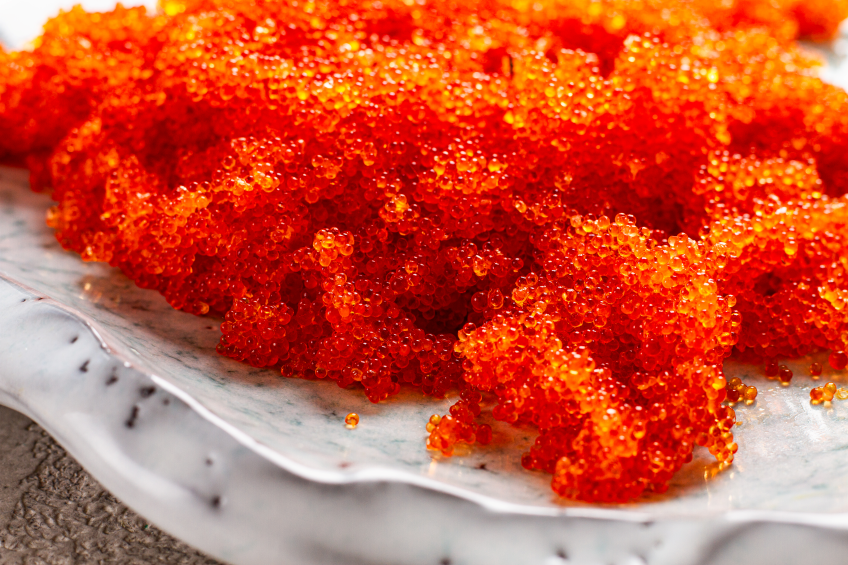

 Fish roe, prized as caviar and other delicacies, has traditionally required killing the fish to extract the eggs. This practice raises questions about sustainability and animal welfare, especially as demand for these luxury products continues to grow.
Many people wonder if there’s a better way to enjoy this food without harming the fish that produce it.
The answer is yes—you can get fish roe without killing the fish through modern humane harvesting methods.
Techniques like gentle massage (called stripping), hormone therapy, and minimally invasive surgical procedures now allow farmers to extract eggs while keeping the fish alive.
These approaches are changing how the caviar industry operates and offer a more ethical alternative to traditional methods.
Understanding these no-kill techniques helps you make informed choices about the roe products you buy. This article explores how traditional harvesting compares to modern methods, what makes caviar farming sustainable, and what challenges the industry faces as it moves toward more humane practices.
You’ll learn about the science behind these innovations and how they’re shaping the future of roe production.
Understanding Fish Roe and Caviar
 Fish roe refers to the egg masses from various fish species, while caviar specifically comes from sturgeon. The distinction between these terms matters when discussing harvesting methods and whether fish must be killed in the process.
Definition of Roe and Fish Eggs
Roe is the fully ripe egg mass found inside the ovaries of fish and certain marine animals like shrimp and sea urchins. These unfertilized eggs can be harvested as an internal egg mass or collected as external egg masses after spawning.
When you see fish eggs at restaurants or stores, they’ve usually been salt-cured to preserve them. This curing process transforms the raw eggs into a food product that can be stored and enjoyed.
Fish roe comes in different sizes, colors, and textures depending on the species. You can find roe from many types of fish.
Salmon roe features large, bright orange eggs. Trout roe is smaller with a golden color.
Flying fish roe, called tobiko, appears in many sushi dishes.
What Makes Caviar Unique
Caviar is a specific type of roe that comes only from fish in the Acipenseridae family, known as sturgeon. The eggs must be from sturgeon species to be called true caviar.
Sturgeon caviar has been prized for centuries as a luxury food. The eggs are typically black, gray, or golden and have a delicate texture.
Popular sturgeon species for caviar include Acipenser baerii (Siberian sturgeon), beluga, and osetra. The price and prestige of caviar far exceed other types of roe.
Traditional caviar production often involved killing the fish to extract the eggs, which raised concerns about sturgeon populations.
Major Species Used for Roe
Sturgeon Species produce the most valuable roe. Acipenser baerii provides Siberian caviar, while other sturgeon species yield beluga and osetra caviar.
These fish can take 7-20 years to mature before producing eggs.
Salmon provides one of the most common types of roe you’ll encounter. The large, red-orange eggs are popular in Japanese cuisine and as a garnish.
Other Popular Species include:
- Trout – smaller golden eggs
- Paddlefish – sometimes called American caviar
- Lumpfish – often used as an affordable caviar alternative
- Flying fish – tiny, crunchy eggs used in sushi
Each species produces roe with distinct characteristics in size, color, flavor, and texture.
Traditional Roe and Caviar Harvesting
 For most of caviar’s history, obtaining roe meant killing the fish. The classic method involves sacrificing sturgeon to extract their eggs, a process that has shaped caviar production for centuries but raises serious concerns about fish populations and animal welfare.
Classic Method of Roe Extraction
The traditional caviar harvesting method requires killing the sturgeon before removing the roe. Farmers wait until the eggs reach full maturity, which can take 5 to 15 years depending on the species.
Once ready, the fish is killed and the roe sacks are extracted from inside the body. Workers then rub the roe sacks across screens to separate individual eggs from the membrane.
The eggs get sorted, cleaned, and salted to create the final caviar product. This process has remained largely unchanged for generations.
The method works because it provides complete access to all the eggs at once. You get maximum yield from each fish, and the extraction process is straightforward compared to newer techniques.
Implications for Fish Welfare
Traditional harvesting kills the fish, which means each sturgeon produces caviar only once. This creates major problems for sturgeon populations worldwide.
Many sturgeon species now face extinction because of overfishing and unsustainable harvesting practices. The demand for caviar pushed wild sturgeon numbers to critically low levels.
When you kill fish before they can reproduce multiple times, populations cannot recover naturally. This practice contributed directly to the severe decline of these ancient fish species.
Beyond population concerns, the traditional method offers no consideration for individual fish welfare. The sturgeon’s life ends solely to harvest its eggs, even though the fish could potentially live for decades and produce roe multiple times.
Quality and Flavor Considerations
The quality of traditionally harvested caviar depends on the fish’s condition at the time of death. Stress and poor handling before harvesting can negatively affect the roe’s taste and texture.
The eggs must be extracted soon after the fish dies to maintain freshness and prevent spoilage. Traditional methods allow processors to inspect the entire roe supply at once.
You can grade and sort eggs immediately based on size, color, and firmness. The timing of harvest directly impacts flavor, as eggs taken at peak maturity offer the best taste profile.
Modern No-Kill Roe Harvesting Methods
 Two main techniques allow caviar producers to extract sturgeon roe without killing the fish: ovarian massage and surgical methods. These approaches can reduce production costs and protect endangered sturgeon populations while maintaining caviar quality.
Ovarian Massage Technique
The Vivace method uses gentle massage to extract roe from live female sturgeon. You apply pressure to the fish’s abdomen during the spawning period, which causes the eggs to release naturally through the fish’s opening.
This process requires precise timing. The fish must be ready to spawn for the massage to work effectively.
After extraction, the roe needs an immediate bath in a calcium-based solution. This step helps the eggs maintain their structure and texture since they weren’t naturally released in water.
The same sturgeon can be harvested multiple times throughout her life using this method. A healthy female can produce quality roe every two to three years instead of being killed after one harvest.
Catheterization and Surgical Approaches
The C-section method involves making a small incision in the sturgeon’s belly to remove the eggs. Farmers then stitch and bandage the fish so she can heal and continue producing roe in future years.
This surgical technique has existed since Roman times but was only recently applied to sturgeon farming. The procedure requires skilled workers and proper medical care for the fish during recovery.
Some facilities use catheterization to remove eggs through the fish’s natural opening. This method is less invasive than surgery but may not work for all sturgeon species like Acipenser baerii.
Both approaches allow productive females to live their full lifespan, which can exceed 100 years in some species.
Comparing Non-Lethal and Lethal Methods
Traditional harvesting kills the fish to access the roe directly from the ovaries. This method has been standard because it produces consistent quality and allows farmers to inspect the eggs before processing.
No-kill methods offer several advantages:
- Same fish produces multiple harvests over decades
- Reduces need for 10+ year grow-out periods for new fish
- Protects endangered sturgeon populations
- Lowers long-term production costs
No-kill caviar requires additional processing steps. The calcium bath treatment and careful extraction timing can affect the final product’s texture and taste compared to traditional methods.
Many sustainable caviar farms now use these techniques for species that were once critically endangered. The choice between methods often depends on the desired caviar grade and the specific sturgeon species being farmed.
Sustainable Caviar Farming and Ethical Practices
 Sustainable caviar farming protects sturgeon populations through controlled aquaculture environments, humane harvesting methods, and strict welfare standards. These farms prioritize fish health and environmental responsibility while producing high-quality caviar.
Principles of Sustainable Caviar Production
Sustainable caviar farms operate as closed-loop systems where sturgeon from the Acipenseridae family are raised in controlled environments. These facilities carefully monitor water quality, maintain optimal temperatures, and provide balanced diets to ensure healthy fish development.
The farming process differs significantly from traditional methods. Instead of depleting wild populations through overfishing, caviar farming creates a stable supply without harming natural ecosystems.
Farms track each sturgeon throughout its life, from hatching to maturity, which takes 5 to 15 years depending on the species. Sustainable caviar operations use two main harvesting techniques.
The catheter method involves a small incision and specialized tool to extract mature eggs, allowing the incision to heal quickly. Ovarian massage relies on skilled technicians applying gentle external pressure to release eggs naturally.
Both methods allow sturgeon to produce caviar multiple times throughout their lifespan, typically every 1 to 2 years. This approach reduces pressure on wild sturgeon populations and provides consumers with traceable, ethically sourced products.
Sturgeon Care and Welfare Standards
Your caviar farm must meet specific requirements to ensure sturgeon welfare. Water quality testing happens regularly to maintain proper pH levels, temperature, and oxygen content.
Sturgeon receive veterinary care when needed and are monitored daily for signs of stress or illness. The fish need adequate space to swim and grow naturally.
Sustainable farms provide enriching environments that replicate natural habitats while protecting sturgeon from predators and environmental threats. During harvesting, stress minimization is critical.
Trained professionals handle fish carefully and complete procedures quickly to reduce discomfort. The facilities maintain calm environments with appropriate lighting and minimal noise.
Key welfare components include:
- Regular health assessments and veterinary oversight
- Proper nutrition matching natural dietary needs
- Clean water systems with filtration and circulation
- Appropriate stocking densities to prevent overcrowding
Certifications and Consumer Guidance
When you’re shopping for sustainable caviar, it’s important to look for certifications that actually mean something. The Aquaculture Stewardship Council (ASC) certifies farms that meet strict environmental and social standards.
The Convention on International Trade in Endangered Species (CITES) regulates sturgeon trade to protect endangered species. These certifications aren’t just for show—they reflect real efforts to address overfishing and habitat loss.
You can find certified sustainable caviar at specialty food stores or through online retailers. Some reputable producers also sell directly, which can be a good way to get more information about the product’s origin.
Always check product labels for certification marks and farm origin details. Sometimes, the difference is right there on the packaging, but it never hurts to ask for more information if you’re unsure.
Sustainable caviar does tend to cost a bit more, mostly because of higher infrastructure and operational costs. That price difference reflects investments in humane harvesting and long-term sturgeon care.
By choosing these options, you’re supporting conservation and helping ensure sturgeon populations stick around for future generations. It’s not just about luxury—there’s a bigger picture here.
Before you buy, ask retailers about harvesting methods and farm practices. The best sellers are usually transparent and can explain their sustainability commitments in detail.
Species and Challenges in No-Kill Roe Harvesting
 No-kill roe extraction presents unique challenges, depending on the species. Sturgeon, for instance, adapt better to these methods than most other commercially viable fish.
Success with no-kill techniques really hinges on the species and whether the resulting product meets what consumers expect. That’s not always a simple equation.
Sturgeon Versus Other Fish Roe
Sturgeon are the main focus of no-kill harvesting because they live longer and can yield roe multiple times. Compare that to salmon—salmon die after spawning, making no-kill methods almost impossible for them.
Sturgeon eggs develop in cycles, so farmers can extract mature roe every year or two using catheterization or massage. This biological advantage is hard to replicate in other species.
Salmon roe, for example, comes from fish that are semelparous—they spawn once and then die. For these species, traditional harvesting remains the only practical approach. The expertise and infrastructure built for sturgeon just don’t translate to salmon or similar fish.
Specifics of Siberian Sturgeon
Siberian sturgeon (Acipenser baerii) is now a go-to for sustainable caviar farming. This species matures faster than others, often reaching reproductive age in just 5-8 years, compared to the 15 years needed for Beluga sturgeon.
Siberian sturgeon also adapt well to farm life, tolerating a range of water conditions and staying healthy in controlled settings. Their eggs produce caviar with a mild, buttery flavor that many find appealing.
The size of Siberian sturgeon is another advantage—they’re large enough for good roe yields, but still manageable in a farm environment. Massage or catheterization procedures tend to be easier with these medium-sized fish.
Taste, Texture, and Market Acceptance
No-kill caviar quality depends on the same factors as traditional caviar: species, water quality, and processing. If handled well, sustainably harvested roe keeps its flavor and texture.
There were initial doubts about whether no-kill caviar could match traditional products. Testing, however, shows that quality can be on par when producers stick to strict protocols. Timing and immediate processing are critical to preserve the eggs’ characteristics.
Market acceptance is growing as buyers learn more about sustainable options. While no-kill caviar might be pricier, many consumers see value in supporting ethical practices. Certifications from organizations like the ASC help buyers spot genuine sustainable products.
Future Innovations and Industry Impact
 The caviar industry is in the middle of a shift, with new technologies and farming methods making it possible to harvest roe without killing fish. These changes are altering production and opening doors for more sustainable fishing worldwide.
Ongoing Research and Techniques
Researchers and caviar experts are focused on refining methods to extract roe from sturgeon. Ovarian massage and catheterization are being improved to minimize stress on the fish.
Some labs are testing ultrasound technology to check egg readiness without disturbing the sturgeon. New hormone treatments are also in development to help control egg production timing, making harvests more predictable for farms.
Facilities are experimenting with endoscopic cameras for minimal invasion during monitoring. The vivace method, involving a small surgical opening that heals quickly, is getting attention as another no-kill option.
Environmental and Economic Impact
No-kill methods help protect wild sturgeon by reducing the need for fishing in natural habitats. Sustainable caviar farming in controlled settings supports biodiversity and preserves water ecosystems.
These closed-loop systems also help cut down on pollution and water waste compared to traditional practices. The economic upside is notable—producers and local communities benefit when farms can harvest roe from the same fish for years.
Initial setup costs are higher, but the ability to harvest repeatedly makes the investment worthwhile in the long run. As more farmers adopt sustainable techniques, you can expect prices to become more competitive and the market to stabilize.
Potential for Wider Adoption
The success of no-kill caviar is nudging other parts of the aquaculture industry to consider similar approaches. Fish roe from species like lumpfish, herring, and trout might be harvested with adapted versions of these methods.
This could push sustainable fishing practices beyond just sturgeon. It’s not a sweeping change yet, but the momentum is there.
Certifications from organizations such as the Aquaculture Stewardship Council are making it easier to spot products from ethical sources. As interest increases, more caviar production facilities around the world are shifting toward humane techniques.
Smaller operations are teaming up with established caviar farms to learn best practices and get access to technology. There’s a sense of collaboration that wasn’t always present in the industry.
Government regulations are shifting too, supporting sustainable caviar farming through grants and updated policies. These changes offer incentives for producers to adopt no-kill methods.
Ultimately, this helps protect endangered sturgeon species, though the impact will depend on how widely these methods are embraced.