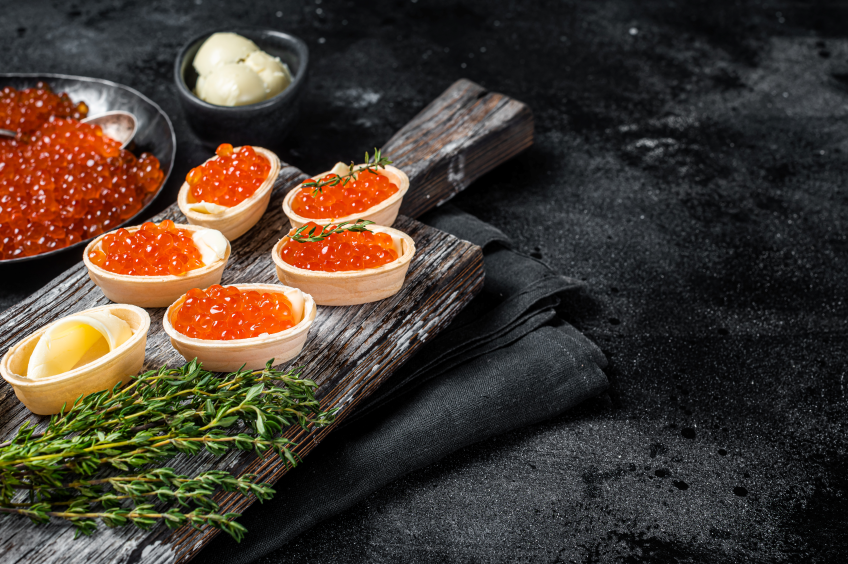

 Fish roe—those tiny eggs from fish like salmon and sturgeon—packs a punch of protein, omega-3 fatty acids, and important vitamins. Many people enjoy it as caviar or on sushi, but it’s natural to wonder if eating it regularly could cause problems for your health.
Yes, you can eat too much fish roe because it contains high levels of sodium and cholesterol, which can increase your risk of high blood pressure and heart disease when consumed in large amounts.
A single serving can have more than 2,399 mg of sodium, which exceeds the daily recommended amount for most people.
Understanding how much fish roe is safe to eat helps you enjoy its nutritional benefits without putting your health at risk. This guide will explain what fish roe is, its nutritional value, and how to include it in your diet safely.
What Is Fish Roe?
 Fish roe refers to the fully mature egg masses found inside female fish. These eggs come from many different fish species and serve as a nutrient-rich food source enjoyed across cultures worldwide.
Common Types of Fish Roe
You can find fish roe from dozens of fish species, each with unique characteristics. Salmon roe, also called ikura, features large, bright orange eggs with a mild, buttery taste.
These salmon eggs pop in your mouth and are popular in Japanese cuisine. Tobiko comes from flying fish and appears as tiny, crunchy eggs in orange, red, or black colors.
Masago, from capelin fish, looks similar to tobiko but costs less and has a milder flavor. Both are common toppings for sushi rolls.
Cod roe comes in firm sacs and has a creamy texture when cooked. You can buy it fresh, smoked, or salted.
Other accessible options include herring roe, trout roe, and lumpfish roe, which ranges from black to red in color.
How Fish Roe Is Prepared
Fish roe preparation varies based on the type and intended use. Some roe gets eaten raw, while other types require cooking or curing.
Salted roe undergoes a curing process with salt to preserve it and enhance its flavor. You can purchase fresh roe still in its egg sac or as individual separated eggs.
Cooks often add raw roe directly to dishes like sushi or use it as a garnish. Some preparations involve smoking, drying, or cooking the roe before serving.
Fish Eggs vs Fish Roe vs Caviar
Fish eggs and fish roe mean the same thing—the reproductive cells from female fish. The term roe specifically describes these eggs when they’re still inside the fish or after harvesting.
Caviar represents a specific type of fish roe. True caviar comes only from sturgeon eggs that have been salt-cured. This includes varieties like beluga, osetra, and sevruga.
Caviar has a refined texture and commands premium prices. Not all fish roe qualifies as caviar.
The food industry sometimes uses “caviar” loosely to describe other fish eggs, but authentic caviar must come from sturgeon.
Your salmon roe or tobiko are fish roe, but they aren’t technically caviar.
Nutritional Profile of Fish Roe
 Fish roe delivers concentrated nutrition in small servings, packing high-quality protein, omega-3 fatty acids, and essential vitamins and minerals into each tablespoon.
A typical 100-gram serving contains about 143 calories with a nutrient-dense mix that supports multiple body functions.
High-Quality Protein Content
Fish roe provides complete protein with all essential amino acids your body needs. In a 3-ounce serving, you get approximately 43% of your daily protein requirements.
The protein in fish roe is highly digestible, meaning your body can easily break it down and use it. This protein content supports muscle maintenance, tissue repair, and immune function.
The amino acid profile is particularly valuable because fish roe contains protein in forms your body can readily absorb and utilize.
Omega-3 Fatty Acids (EPA and DHA)
Fish roe contains about 2.4 grams of omega-3 fatty acids per 100 grams. These are primarily EPA and DHA, the two most beneficial forms of omega-3s for your health.
A 3-ounce serving provides roughly 3 grams of total omega-3s. EPA and DHA support heart health and provide anti-inflammatory benefits throughout your body.
These fatty acids are harder to obtain from plant sources, making fish roe a valuable direct source. Your brain, eyes, and cardiovascular system all benefit from regular intake of EPA and DHA.
Essential Vitamins and Minerals
Fish roe stands out for its exceptional vitamin B12 content, delivering 409% of your daily value in just 3 ounces. This vitamin is critical for nerve function and red blood cell formation.
You also get significant amounts of vitamin D, which supports bone health and immune function. Fish roe contains selenium and phosphorus, two minerals that protect cells and strengthen bones.
A 100-gram serving provides 299 IU of vitamin A, 80 mg of vitamin B-9, and 16 mg of vitamin C.
Healthy Fats and Antioxidant Properties
The fat content in fish roe consists mainly of healthy fats that your body needs. About 38% of the calories in cooked fish roe come from fat, much of it from beneficial omega-3s.
These healthy fats carry antioxidant properties that help reduce inflammation in your body. The combination of selenium and omega-3s works together to protect your cells from damage.
Fish roe’s nutrient density score of 50 out of 100 reflects how many essential nutrients you receive per calorie consumed.
Health Benefits of Including Fish Roe in Your Diet
 Fish roe delivers concentrated amounts of omega-3 fatty acids, vitamin B12, and selenium that support multiple body systems. These nutrients work together to protect your heart, brain, and immune function.
Cardiovascular Health and Heart Disease Prevention
Fish roe contains high levels of omega-3 fatty acids, particularly EPA and DHA, which directly benefit your cardiovascular health. These fatty acids help reduce inflammation in your blood vessels and lower triglyceride levels in your bloodstream.
Your risk of heart disease decreases when you consume adequate omega-3s. Studies show these compounds help prevent irregular heartbeats and reduce the formation of blood clots.
They also help maintain healthy blood pressure levels. A single ounce of fish roe can provide over 1000 milligrams of omega-3 fatty acids.
This amount exceeds the daily recommended intake for heart health. The anti-inflammatory properties of these omega-3s protect your arteries from damage and reduce plaque buildup.
Cognitive Function and Neurological Support
DHA, a specific type of omega-3 found in fish roe, makes up a large portion of your brain tissue. Your brain needs DHA to maintain cell membrane structure and support communication between neurons.
Fish roe also provides vitamin B12, which protects your nerve cells and helps produce neurotransmitters. Without enough B12, you may experience memory problems and mental fog.
The combination of DHA and B12 in fish roe supports both short-term cognitive function and long-term brain health. Regular consumption of these nutrients may help protect against age-related cognitive decline.
The anti-inflammatory effects of omega-3s also reduce brain inflammation linked to neurological conditions.
Immune System and Cellular Health
Selenium in fish roe acts as a powerful antioxidant that protects your cells from damage. This mineral helps your body produce enzymes that fight free radicals and reduce oxidative stress.
Your immune system relies on selenium to function properly. It supports the production of white blood cells and helps regulate immune responses.
Fish roe provides selenium alongside vitamin D and zinc, creating a combination that strengthens your body’s defense systems. The protein content in fish roe supplies amino acids your body needs for tissue repair and cell regeneration.
These building blocks help maintain healthy skin, organs, and immune cells throughout your body.
Can You Eat Too Much Fish Roe?
 Yes, you can eat too much fish roe. The main concerns are its high sodium content and cholesterol levels, which can cause health problems when consumed in excess.
Recommended Serving Sizes
A standard serving of fish roe is about one tablespoon, which contains roughly 20-50 calories depending on the type. This small portion provides significant nutritional value without overloading you with sodium or cholesterol.
For salmon roe specifically, one tablespoon contains approximately 240 mg of sodium and 94 mg of dietary cholesterol. Since the daily recommended sodium limit is 2,300 mg for most adults, just a few tablespoons can add up quickly.
You should measure your portions carefully. A 100-gram serving of fish roe contains around 22 grams of protein, which is beneficial, but it also packs considerable amounts of sodium.
Keeping portions small helps you get the nutritional benefits without the drawbacks.
Frequency and Moderation
You should not eat fish roe every day. Daily consumption leads to excessive intake of sodium and cholesterol, which increases your risk of high blood pressure, stroke, and heart disease.
Eating fish roe 2-3 times per week is a reasonable frequency for most people. This allows you to enjoy its nutritional benefits, including vitamin B12 and omega-3 fatty acids, without accumulating too much sodium in your diet.
The sodium content in fish roe is a serious consideration for food safety and health. Consuming more than your daily sodium requirement of 2,300 mg raises your blood pressure and puts strain on your cardiovascular system.
Space out your fish roe consumption throughout the week rather than eating it in consecutive meals.
Considerations for Specific Populations
People with high blood pressure or heart disease should limit fish roe consumption significantly or avoid it entirely. The high sodium content can worsen these conditions and interfere with blood pressure management.
If you have high cholesterol, you need to be cautious with fish roe. While dietary cholesterol affects people differently, those already managing cholesterol levels should consult their doctor before adding fish roe to their regular diet.
Pregnant women should verify the source and handling of fish roe before consumption. Proper food safety practices are critical since improperly handled roe can contain harmful bacteria.
Children can eat fish roe in smaller portions adjusted for their lower caloric needs and sodium limits.
Potential Risks and Side Effects of Overconsumption
 Fish roe contains high levels of sodium and cholesterol that can affect your cardiovascular health when eaten in large amounts. You also need to consider food safety concerns related to raw or improperly prepared fish eggs.
Sodium Content and Blood Pressure
Fish roe is known for its extremely high sodium levels. A single tablespoon of caviar contains about 240 milligrams of sodium, and other types of fish roe aren’t much different.
Eating fish roe regularly can contribute a significant amount of sodium to your diet. This extra sodium may raise your blood pressure.
High blood pressure adds strain to your heart and blood vessels. Over time, this can increase the risk of heart disease and stroke.
If you already have high blood pressure or heart issues, you’ll want to be mindful of sodium intake. The American Heart Association suggests limiting sodium to 2,300 milligrams per day, and ideally aiming for 1,500 milligrams for most adults.
Just a few servings of fish roe can take up a large portion of that daily limit. It’s surprisingly easy to go over without realizing.
Anyone who eats fish roe often should keep an eye on their total sodium from all sources. Check labels, watch serving sizes, and try to stay within healthy limits.
Cholesterol Levels and Heart Health
Fish roe also contains a lot of dietary cholesterol. Depending on the type, a single ounce can have anywhere from 160 to 400 milligrams.
The body does need some cholesterol for basic functions. Still, too much cholesterol—especially if you’re eating it often—could raise your LDL cholesterol.
High LDL cholesterol is a known risk factor for heart disease. If you already have high cholesterol or cardiovascular concerns, limiting fish roe is a good idea.
Even for healthy adults, it’s probably best not to eat fish roe every day or in large portions. Moderation makes sense here.
Food Safety and Parasite Risks
There are food safety concerns with raw or undercooked fish roe. Fish eggs can carry parasites like roundworms and tapeworms, which may cause digestive problems or nausea.
Pregnant women, young children, older adults, and those with weakened immune systems face higher risks if they eat contaminated fish roe. Care is especially important for these groups.
Properly processed and pasteurized roe has much lower risks. Always buy from trusted sources that follow food safety standards.
Store fish roe at the right temperature and pay attention to expiration dates. It’s a small step, but it matters.
How to Choose and Safely Enjoy Fish Roe
 Choosing quality fish roe really starts with careful selection and proper handling. Safe storage and sustainable sourcing help protect your health and support ocean ecosystems.
Selecting High-Quality Fish Roe
Fresh fish roe should look bright and glossy, not cloudy or dull. Salmon roe and ikura should be plump, translucent, and show an orange-red color.
Tobiko (flying fish roe) is usually bright orange, red, or sometimes black. Masago (capelin roe) is smaller and more orange than tobiko.
The smell should be clean and ocean-fresh. If there’s a fishy or ammonia-like odor, that’s a sign of spoilage.
Eggs should feel firm and intact instead of mushy or broken. When you press gently on good roe, the eggs should pop in your mouth.
Buy from reputable sellers who can verify where the roe came from. Ask when it arrived and how it’s been stored.
It’s best to avoid roe from unknown sources, especially risky varieties like pufferfish roe, which can be toxic unless prepared by licensed experts.
Storage and Proper Handling
Store unopened fish roe in the coldest part of your fridge, ideally at 28-32°F. Once opened, eat caviar and other fish roe within 2-3 days for best quality.
Keep the container tightly sealed to avoid oxidation and odor absorption. Never leave fish roe at room temperature for more than 30 minutes.
Use clean utensils when serving to reduce the risk of bacterial contamination. Metal spoons can affect the taste of caviar, so mother-of-pearl or plastic utensils are better choices.
Some types of fish roe can be frozen for up to three months, though freezing may change the texture. Salmon roe generally freezes better than more delicate caviar.
If you freeze roe, thaw it slowly in the fridge overnight. That helps preserve its quality.
Sustainable and Ethical Sourcing
Look for certifications from groups such as the Marine Stewardship Council (MSC) or Aquaculture Stewardship Council (ASC). These labels suggest the fish roe comes from well-managed fisheries or responsible farms.
Wild-caught salmon roe from Alaska often carries sustainability certifications, thanks to strict fishing regulations. It’s worth checking for these when shopping.
Farmed caviar from sturgeon offers a more sustainable option than wild-caught varieties. Many wild sturgeon species are endangered, so farming helps reduce pressure on their populations.
White sturgeon and Siberian sturgeon farms, for example, can produce quality caviar without harming wild stocks. That seems like a reasonable compromise.
It’s a good idea to research the supplier’s sourcing practices before you buy. Responsible vendors are transparent about their fishing methods and can trace products back to specific fisheries.
Avoid fish roe products with vague origin information. Suspiciously low prices may also signal overfished or poorly managed sources.