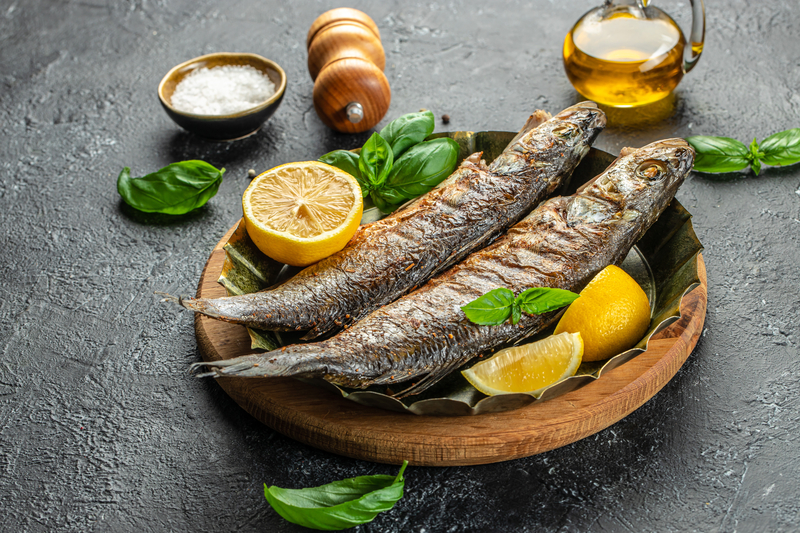


Grilled fish can be an effective food choice for weight loss when prepared properly and included as part of a balanced diet. Fish provides high-quality protein that helps you feel full longer while keeping calories relatively low compared to many other protein sources.
Grilled fish supports weight loss by delivering lean protein, omega-3 fatty acids, and essential nutrients without the extra calories that come from frying or heavy sauces.
A typical serving of grilled fish contains between 100 and 200 calories while providing 20 to 25 grams of protein, making it a smart option when you’re trying to reduce your overall calorie intake.
The way you prepare your fish matters just as much as the type you choose. This article will explain which fish varieties work best for weight loss, how grilling compares to other cooking methods, what nutritional benefits you can expect, and which grilling techniques help you avoid adding unnecessary calories. You’ll also learn about potential concerns like mercury levels and harmful compounds that can form during high-heat cooking.
How Grilled Fish Supports Weight Loss
 Grilled fish creates favorable conditions for weight loss through three key mechanisms: its high protein content promotes fullness and reduces overall calorie intake, its nutrient profile supports metabolic efficiency, and its omega-3 fatty acids help optimize fat metabolism while reducing inflammation.
Protein and Satiety Benefits
A 3-ounce serving of grilled fish delivers 20-23 grams of protein while containing just 100-200 calories. This high protein-to-calorie ratio makes fish one of the most efficient foods for creating satiety without excess energy intake.
The protein in fish takes longer to digest than carbohydrates, which extends the feeling of fullness between meals. When you eat grilled fish, your stomach empties more slowly, reducing hunger signals and decreasing the likelihood of snacking.
Studies show that high protein meals lead to reduced calorie consumption at subsequent meals. The satiety from fish protein helps you maintain a calorie deficit without experiencing constant hunger, which is essential for sustainable weight loss.
Metabolism and Calorie Burning
Your body burns more calories digesting protein than it does processing carbohydrates or fats. This thermic effect of protein means that approximately 25-30% of the calories from fish protein are used during digestion itself.
Grilled fish preparation preserves the protein structure while adding minimal extra calories. Unlike fried or breaded fish, grilling maintains the metabolic advantages without the added fats that can slow digestion.
The combination of lean protein and minimal cooking fats makes grilled fish an optimal choice for maintaining muscle mass during weight loss. Preserving muscle tissue keeps your resting metabolic rate higher, allowing you to burn more calories throughout the day.
Role of Healthy Fats and Omega-3s
Fish contains omega-3 fatty acids, specifically EPA and DHA, which play distinct roles in weight management. These healthy fats help regulate hunger hormones and may improve your body’s ability to use insulin effectively.
EPA and DHA can reduce inflammation throughout your body, including in fat tissue. Lower inflammation levels are associated with improved metabolic function and easier fat loss.
The omega-3s in fish don’t contribute to fat storage the way saturated fats do. Instead, they support cellular function and may help your body mobilize stored fat for energy. Fatty fish like salmon provide higher amounts of these beneficial fats, while lean options like cod and tilapia offer omega-3s in smaller quantities but with fewer total calories.
Key Nutritional Benefits of Grilled Fish

Grilled fish provides high-quality protein, essential fatty acids, and multiple vitamins and minerals that support weight loss and overall health. The grilling method preserves these nutrients while keeping calorie counts low.
Essential Vitamins and Minerals
Grilled fish delivers several vitamins and minerals your body needs for proper function. Most fish varieties contain vitamin D, which plays a role in weight regulation and bone health. A 3-ounce serving of salmon provides up to 570 IU of vitamin D.
Vitamin B12 is abundant in fish and supports energy production and nervous system function. Fish also contains other B vitamins, including B6 and niacin, which help convert food into energy. You’ll find selenium in most fish types, an antioxidant mineral that supports immune function and reduces oxidative stress.
Phosphorus works with calcium to build strong bones and teeth. Fish provides magnesium for muscle function and potassium for blood pressure regulation. Some fish varieties also contain iron, though in smaller amounts than red meat.
Low-Calorie, Lean Protein Source
Grilled fish ranks among the best lean protein sources for weight loss. A 3-ounce serving typically contains 120-180 calories with 20-25 grams of protein and only 1-3 grams of fat.
The high protein content helps you feel full longer and reduces hunger between meals. Protein also requires more energy to digest than carbohydrates or fat, slightly increasing your metabolism. When you eat enough protein, you maintain muscle mass during weight loss, which keeps your metabolism running efficiently.
Grilling adds no extra calories compared to frying, which requires added oils. The cooking method allows excess fat to drip away from the fish. Lean fish options like cod, tilapia, and halibut contain less than 3 grams of fat per serving, while fattier fish like salmon still remain relatively low in calories.
Heart and Brain Health Impact
The omega-3 fatty acids in fish, particularly EPA and DHA, support both heart health and brain function. These fatty acids reduce inflammation throughout your body, which can interfere with weight loss efforts.
For heart health, omega-3s help lower triglyceride levels and reduce blood pressure. They decrease the risk of irregular heartbeats and slow the buildup of plaque in arteries. Regular fish consumption is linked to lower rates of heart disease.
Omega-3s support brain health by maintaining cell membrane structure and promoting communication between brain cells. They may improve insulin sensitivity, making it easier for your body to regulate blood sugar levels. This improved insulin response can reduce fat storage and support steady energy levels throughout the day.
Choosing the Best Fish for Weight Loss
 Not all fish offer the same benefits for weight loss, so selecting the right varieties matters for your goals. The protein content, calorie density, and omega-3 levels vary significantly between species, while mercury exposure requires careful consideration.
Lean vs. Fatty Fish
Lean fish delivers high protein with minimal calories and fat. Cod, tilapia, and halibut provide 20-25 grams of protein per serving while keeping calories under 120. These options work well when you need to maximize protein intake without adding extra fat to your daily totals.
Fatty fish contains more calories but provides omega-3 fatty acids that may support fat burning and reduce inflammation. Salmon, mackerel, and sardines offer these beneficial fats while still providing substantial protein. The omega-3s in fatty fish can help reduce abdominal fat and improve metabolic function.
Both types support weight loss effectively. Choose lean fish when managing calorie intake strictly, and select fatty fish when you want anti-inflammatory benefits alongside your protein needs.
Top Fish Varieties for Grilling
Standing out with approximately 22 grams of protein and rich omega-3 content per 3-ounce serving, Salmon has a firm texture that holds up well on the grill without falling apart.
Offering lean protein with low calories, particularly in canned light or skipjack varieties, Tuna also shines as fresh steaks that grill quickly and stay moist when not overcooked.
Delivering a mild flavor with roughly 70–90 calories per serving, Cod is a lean option that requires careful grilling to prevent drying out, making it ideal for weight management.
Providing omega-3s with strong flavors that pair well with simple seasonings, Sardines and Mackerel are smaller fish that grill whole and offer calcium from their edible bones.
Combining lean protein with a meaty texture, Halibut contains about 100 calories per 3-ounce portion and grills well, satisfying hunger effectively.
Managing Mercury and Toxins
Mercury accumulates in larger, longer-lived fish species. You need to balance nutritional benefits against potential mercury exposure based on the fish you select.
Lower mercury options include sardines, salmon, cod, tilapia, and light tuna. These species accumulate less mercury due to their size and position in the food chain. Skipjack tuna, sold as canned light tuna, contains significantly less mercury than albacore or bigeye varieties.
Higher mercury fish such as shark, swordfish, king mackerel, and tilefish should be limited or avoided, especially if you eat fish frequently. Even popular fish like tuna varies in mercury content based on the species.
Pregnant women, nursing mothers, and young children should stick to lower-mercury options and limit intake of higher-risk species. For general weight loss purposes, rotating between different types of fish reduces exposure to any single contaminant while providing varied nutrients.
Healthy Grilling Techniques for Weight Loss
 Grilling reduces fat content naturally while preserving nutrients, making it one of the best cooking methods for weight loss. The process allows excess fat to drip away from food, and using simple flavor enhancers like herbs and citrus keeps calories low without sacrificing taste.
How Grilling Reduces Calories
When you grill fish, the high heat causes fat to melt and drip away from the food through the grill grates. This process removes excess calories that would otherwise remain in your meal. A typical 3-ounce serving of grilled cod contains only 70-90 calories, compared to the same portion pan-fried in butter which can exceed 150 calories.
The direct heat from grilling also creates a crispy exterior without requiring added fats or oils. You can achieve a smoky flavor and appealing texture using minimal oil for preparation. This makes grilled food significantly lower in calories than fried or sautéed options.
The cooking method preserves protein content while reducing overall fat. Your body gets the nutrients it needs without unnecessary calories that can slow weight loss progress.
Marinades and Flavor Enhancers
Simple marinades using olive oil, lemon juice, and garlic create flavorful fish without adding significant calories. A basic marinade of 1 tablespoon olive oil, 2 tablespoons lemon juice, and minced garlic adds roughly 120 calories to an entire fish portion, which you can split across multiple servings. The acidity from lemon juice also helps tenderize the fish while adding bright flavor.
Fresh herbs and spices provide intense flavor without calories. Dill, parsley, paprika, and black pepper enhance taste while supporting your weight loss goals. You can apply dry rubs before grilling or brush on marinades during cooking.
Avoid sugar-based marinades and heavy sauces that can add 100-200 calories per serving. Instead, focus on acid-based marinades that penetrate the fish and create depth of flavor. Let your fish marinate for 15-30 minutes before grilling for best results.
Healthy Grilling vs. Other Cooking Methods
Grilling outperforms frying for weight loss because it eliminates the need for cooking fats. Deep-frying fish can add 200-300 extra calories per serving from absorbed oil. Pan-searing requires less fat than frying but still needs oil in the pan, adding 40-120 calories depending on the amount used.
Baking and steaming are comparable to grilling for calorie content, but grilling provides a distinct smoky flavor that makes meals more satisfying. The charred exterior and moist interior create texture variety that helps you feel more satisfied with your meal. This satisfaction can reduce cravings and prevent overeating later.
When comparing grilling for weight loss to other methods, grilling requires minimal equipment cleanup and allows you to cook multiple portions at once. The high heat also cooks fish quickly, typically in 8-12 minutes total, preserving moisture and nutrients that can be lost through longer cooking methods.
Diet-Friendly Sides and Serving Ideas
 Pairing grilled fish with the right sides keeps your meals low in calories while providing essential nutrients. The best combinations include non-starchy vegetables, light grains, and fresh salads that complement fish without adding excessive calories.
Best Vegetables to Pair with Grilled Fish
Non-starchy vegetables are your best options when serving grilled fish for weight loss. Bell peppers, whether grilled or raw in salads, add color and vitamin C with only 30 calories per cup. Leafy greens like spinach provide iron and fiber at just 7 calories per cup, making them an ideal base for fish dishes.
Broccoli and cauliflower are excellent choices that contain 30-35 calories per cup and offer filling fiber. You can grill these vegetables alongside your fish or steam them with garlic and lemon. Asparagus works well grilled with minimal oil, providing only 27 calories per cup while adding texture to your plate.
Zucchini, tomatoes, and green beans round out your vegetable options. These can be grilled, roasted, or sautéed with herbs instead of butter or oil to keep calories minimal while maximizing flavor and nutrient density.
Incorporating Grilled Fish into a Low-Calorie Diet
A low-calorie diet typically includes meals between 300-500 calories, and grilled fish fits this framework easily. A 4-ounce serving of grilled salmon contains approximately 200 calories, leaving room for vegetables and a small portion of complex carbohydrates.
Build your meals by starting with 4-6 ounces of grilled fish as your protein base. Add 2-3 cups of non-starchy vegetables and optionally include a half-cup portion of quinoa, brown rice, or sweet potato for sustained energy. This combination typically totals 350-450 calories while keeping you satisfied.
You can eat grilled fish 3-4 times per week as part of your diet plan without monotony. Rotate between different fish types like cod, tilapia, mahi-mahi, and salmon, and vary your vegetable combinations and seasonings to maintain interest in your meals.
Sample Meal and Diet Plans
A balanced day might include grilled tilapia with spinach and bell peppers for lunch (320 calories) and grilled salmon with broccoli and cauliflower rice for dinner (380 calories). These meals provide adequate protein while staying within typical calorie targets.
For a weekly rotation, plan Monday with grilled cod and asparagus, Wednesday with grilled salmon and mixed greens, and Friday with grilled halibut and roasted vegetables. This variety ensures you get different nutrients while maintaining calorie control.
| Meal Component | Portion | Calories |
|---|---|---|
| Grilled fish | 5 oz | 150-200 |
| Mixed vegetables | 2 cups | 50-80 |
| Quinoa (optional) | ½ cup | 110 |
| Total | 310-390 |
Potential Drawbacks and Considerations
 While grilled fish offers many weight loss benefits, certain risks and preparation factors can affect your results. Mercury content in some fish species and the importance of proper portion sizes require attention for safe, effective weight loss.
Possible Risks of Grilled Fish Consumption
Some fish varieties contain high levels of mercury, which can harm your nervous system with frequent consumption. Shark, swordfish, king mackerel, and tilefish should be limited or avoided in your diet. You should choose low-mercury options like salmon, tilapia, cod, and sardines instead.
Grilled food can form harmful compounds called heterocyclic amines (HCAs) and polycyclic aromatic hydrocarbons (PAHs) when cooked at very high temperatures. These substances form when fish is charred or cooked over direct flames for extended periods. You can reduce these compounds by marinating your fish before grilling, keeping cooking temperatures moderate, and avoiding blackened or heavily charred portions.
Some farmed fish may contain contaminants like PCBs and dioxins depending on their feed and environment. Wild-caught fish typically have lower contaminant levels, though they may cost more.
Portion Control and Balanced Diet
A standard serving of grilled fish should be 3 to 4 ounces, roughly the size of your palm or a deck of cards. Eating larger portion sizes adds extra calories that can slow your weight loss progress, even though fish is lean protein.
You need to pair grilled fish with vegetables, whole grains, and healthy fats to create balanced meals that support weight loss. Eating only fish without other nutrients can leave you hungry and lacking essential vitamins. Including foods that improve insulin sensitivity, like leafy greens and quinoa, helps your body process nutrients more efficiently.
Avoid pairing your grilled fish with processed meats, high-calorie sauces, or fried sides, as these additions eliminate the weight loss benefits. Simple seasonings like lemon, herbs, and olive oil keep your meals healthy while adding flavor.