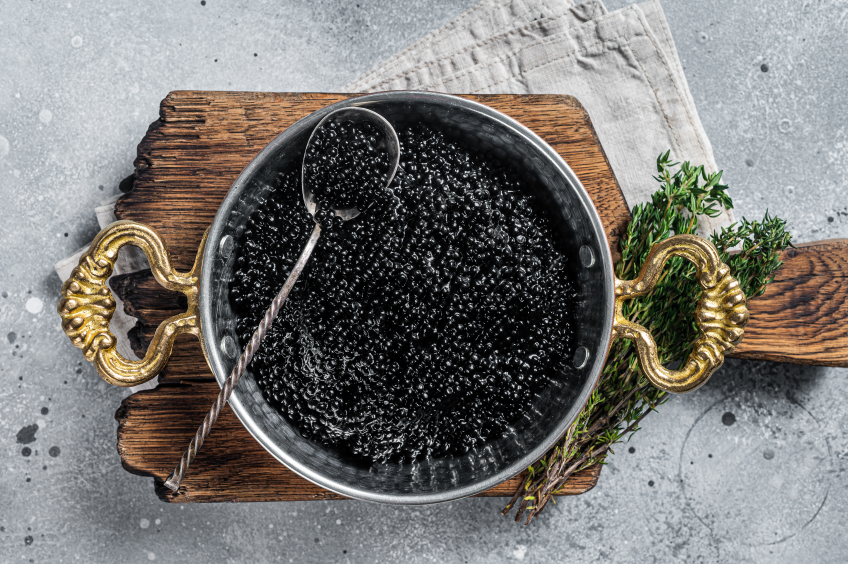

 Black roe stands out as one of the ocean’s most prized foods.
Black roe refers to the salt-cured eggs harvested from sturgeon and other fish species, with the highest quality varieties known as caviar commanding premium prices in fine dining establishments worldwide.
This delicacy has been valued for centuries and continues to represent luxury on modern tables.
The small, dark pearls offer a unique taste experience that combines subtle ocean flavors with a delicate texture. You might have seen black roe topping sushi or served at elegant events. The cost and rarity of true sturgeon caviar make it special, but other types of black fish eggs also provide enjoyable options at different price points.
Understanding black roe means learning about where it comes from, how producers harvest and prepare it, and why some varieties cost more than others. You’ll discover the differences between various types, learn proper serving methods, and gain insight into the efforts to protect sturgeon populations for future generations.
What Is Black Roe?
 Black roe refers to the dark-colored eggs harvested from fish, most notably from sturgeon species found in the Caspian and Black Sea regions. The term encompasses both true sturgeon caviar and other dark-hued fish eggs that share similar appearance but differ in source and quality.
Definition and Origin of Black Roe
Black roe consists of unfertilized fish eggs that display dark coloration ranging from deep grey to jet black. True black caviar comes exclusively from sturgeon, particularly species native to the Caspian Sea and Black Sea near Iran and Russia. The word “caviar” derives from the Persian term “Khaviar,” meaning “egg carrier.”
You’ll find that sturgeon roe commands the highest prices due to its rarity and the specific conditions required for its production. The eggs undergo careful harvesting and processing to preserve their delicate membranes and distinct flavor profile. Black roe from sturgeon earned the nickname “black gold” in culinary circles because of its premium status and historical scarcity.
Other fish species also produce dark-colored roe, though these varieties fall under the category of caviar substitutes rather than true caviar.
How Black Roe Differs from Other Fish Roe
Black roe distinguishes itself from other fish roe through three primary characteristics. First, true black caviar comes only from sturgeon, while other roe varieties originate from salmon, trout, cod, whitefish, and various sea creatures. Second, the geographic origin matters significantly, as authentic black sturgeon caviar predominantly comes from specific regions around the Caspian and Black Seas.
Third, the color and size set black roe apart. While salmon roe appears bright orange and tobiko shows red hues, black roe displays darker tones. The eggs typically measure larger than many other roe types and possess a firmer texture.
The flavor profile also creates distinction. Black sturgeon caviar offers a complex, buttery taste with subtle brine notes, whereas other roe varieties like ikura or red caviar deliver bolder, more pronounced flavors.
Symbolism and Cultural Significance
Black roe represents luxury and sophistication in global cuisine. You’ll encounter it at high-end restaurants and special occasions where it serves as a symbol of wealth and refined taste. In Russian culinary tradition, all fish eggs carry the name “икра” (ikra), though “чёрная икра” (chyornaya ikra) or “black caviar” holds the most prestigious position.
The delicacy’s rarity and labor-intensive harvesting process contribute to its elevated status. Throughout history, black roe has appeared at royal banquets and diplomatic events, cementing its association with exclusivity. Different cultures incorporate black roe into traditional celebrations and ceremonial meals, viewing it as both a delicacy and a marker of abundance.
The World of Sturgeon and Caviar

Sturgeon fish produce the most valued caviar in the world, with specific species determining the quality, flavor, and price of the final product. These ancient fish inhabit specific waters across the globe, and their roe undergoes careful processing that balances centuries-old techniques with modern quality standards.
Key Sturgeon Species for Caviar Production
Beluga sturgeon (Huso huso), also called river beluga, produces the most expensive caviar. This species yields large, light-colored eggs with a delicate, buttery taste. Beluga caviar can cost up to $3,500 per kilogram on the global market.
Osetra sturgeon provides eggs that range from golden to dark brown. Russian osetra and golden osetra are highly prized varieties known for their nutty, complex flavor profile. The eggs are medium-sized and firm, making osetra caviar a popular choice among connoisseurs.
Sevruga produces smaller eggs with a more intense, briny flavor. Sevruga caviar typically costs less than beluga or osetra but remains a luxury product valued for its distinctive taste.
Siberian sturgeon has become important for caviar farming due to its adaptability to different environments. Siberian sturgeon caviar offers a clean, mild flavor at a more accessible price point than wild-caught varieties.
White sturgeon from North America produces white sturgeon caviar, which has gained recognition as a sustainable alternative to Caspian varieties.
Habitat: Caspian Sea, Black Sea, and Beyond
The Caspian Sea historically served as the primary source for premium sturgeon caviar. This landlocked body of water between Europe and Asia provided ideal conditions for beluga, osetra, and sevruga populations. Wild sturgeon thrived in these mineral-rich waters for millions of years.
The Black Sea region also supported significant sturgeon populations, particularly in the Azov Sea, a smaller body of water connected to the Black Sea. These waters produced caviar with distinct characteristics based on the local environment and food sources.
Today, wild sturgeon populations have declined sharply due to overfishing and habitat loss. Most caviar now comes from aquaculture facilities located around the world, including Europe, North America, China, and the Middle East. These farms recreate the water conditions sturgeon need to produce high-quality roe.
Traditional and Modern Caviar Production
Traditional caviar production begins with careful timing. You harvest roe from female sturgeon at peak maturity, which can take 7 to 20 years depending on the species. Workers remove the egg sacs, then separate and rinse the individual eggs.
The roe goes through a screening process to remove membranes and damaged eggs. A master grader evaluates the eggs based on size, color, firmness, and taste. This expert determines the quality grade and salt content needed.
Salt preservation follows strict ratios, typically 3 to 5 percent salt by weight. The salting process, called malossol (meaning “little salt” in Russian), enhances flavor while preserving the eggs. Too much salt masks the natural taste; too little shortens shelf life.
Modern facilities maintain this traditional approach but add strict hygiene controls and temperature monitoring. Sustainable farms use ultrasound technology to check egg development without harming the fish, allowing for live-harvest methods that keep sturgeon alive for multiple harvests.
Types of Black Roe and Premium Caviar
 Black caviar comes from different sturgeon species, each producing eggs with distinct characteristics in flavor, texture, and appearance. Beluga commands the highest prices due to its rarity and large pearl size, while Osetra offers complexity, Sevruga provides intensity, and Kaluga delivers affordability without sacrificing quality.
Beluga Caviar: The King of Black Roe
Beluga caviar comes from the beluga sturgeon, which lives in the Caspian Sea and can take up to 20 years to mature. This extended maturation period contributes to its premium status and high cost.
The eggs range from light gray to dark gray and measure 3.0 to 3.5 millimeters in diameter. You’ll notice a delicate, buttery flavor with a smooth, creamy texture that distinguishes beluga from other varieties.
Beluga sturgeon are critically endangered, making this caviar rare and heavily regulated. Russian caviar from wild beluga sturgeon is now largely unavailable due to trade restrictions.
Most beluga caviar today comes from sustainable aquaculture farms. You can expect to pay several hundred dollars per ounce for genuine beluga sturgeon caviar.
Osetra and Golden Osetra
Osetra caviar comes from the osetra sturgeon, which matures in 8 to 12 years. The eggs measure 2.5 to 3.0 millimeters and range from dark brown to golden amber.
You’ll taste nutty, briny notes with a firm texture that pops when you bite into it. Golden osetra represents the highest grade of osetra caviar, featuring lighter-colored eggs that are more rare and expensive.
The sturgeon’s diet affects the final color and flavor profile. Golden osetra develops its distinctive color naturally and offers a refined, slightly sweet taste.
This variety provides excellent value compared to beluga while maintaining premium quality. You can identify authentic osetra by its medium-sized pearls and distinctive amber to brown coloring.
Sevruga and Sterlet Caviar
Sevruga caviar comes from the smallest of the three traditional Caspian sturgeon species. The sevruga sturgeon matures faster than beluga or osetra, typically reaching maturity in 7 years.
The eggs are smaller, measuring 2.0 to 2.5 millimeters, with a dark gray to black color. You’ll experience a more pronounced, intense oceanic flavor compared to beluga or osetra.
Sterlet caviar comes from an even smaller sturgeon species that produces tiny, delicate eggs. The pearls are firm with a crisp texture and strong, distinctive taste.
Both varieties appeal to those who prefer bold, briny flavors. Sevruga offers more affordability while delivering authentic sturgeon roe characteristics that experienced caviar consumers appreciate.
Kaluga and White Sturgeon Caviar
Kaluga caviar comes from the kaluga sturgeon, often called the “river beluga” due to its similar size and egg characteristics. The eggs measure 2.8 to 3.2 millimeters with colors ranging from dark green to light brown.
You’ll find kaluga offers a comparable experience to beluga at a lower price point. The flavor profile includes buttery notes with a clean finish and smooth texture.
White sturgeon caviar comes from the species native to California. This variety produces medium to large eggs with colors from dark gray to golden brown.
The eggs deliver a rich, nutty flavor with a creamy texture. White sturgeon caviar represents a sustainable domestic option that meets high quality standards.
Both varieties demonstrate that premium caviar extends beyond traditional Caspian sources. You benefit from sustainable farming practices that ensure consistent quality and availability.
Other Notable Fish Roe Delicacies

Beyond black roe and traditional sturgeon caviar, you can find diverse fish roe varieties with distinct flavors, textures, and culinary applications. These alternatives range from bright orange salmon eggs to salt-cured Mediterranean preparations.
Salmon Roe (Ikura) and Red Caviar
Salmon roe consists of large, translucent eggs that measure 5-7mm in diameter. You’ll recognize ikura, the Japanese term for salmon roe, by its bright orange-red color and distinctive pop when you bite into it.
The eggs have a briny, mild flavor with a subtle sweetness. When you eat ikura, you experience a burst of liquid with each egg that releases its rich, oceanic taste.
Common uses include:
- Sushi and sashimi toppings
- Rice bowl garnishes (donburi)
- Canapés and hors d’oeuvres
- Pasta dishes
Red caviar refers to cured salmon or trout roe popular in Russian and Eastern European cuisines. You’ll find it less expensive than sturgeon caviar while still providing a luxurious texture and appearance.
Mullet Roe and Bottarga
Mullet roe undergoes a traditional Mediterranean preservation process to create bottarga. Producers salt-cure the entire roe sac, then press and dry it until it achieves a firm, dense texture similar to hardened sausage.
You can identify bottarga by its amber to dark brown color and its coating of beeswax that protects it during aging. The curing process takes several weeks and concentrates the flavors significantly.
Bottarga delivers an intense, salty taste with umami depth. You’ll notice its silky texture when you grate or slice it thin. Italian and Sardinian cuisines prize this ingredient for its ability to add complexity to simple dishes.
You typically use bottarga grated over pasta, shaved onto salads, or sliced thin with olive oil and bread. A small amount provides substantial flavor due to its concentrated nature.
Herring Roe and Cod Roe Spread
Herring roe appears as small, delicate eggs that you find fresh or preserved in various preparations. In Japanese cuisine, you know it as kazunoko, where it’s served as a crunchy, golden delicacy during celebrations.
The texture of herring roe is notably firm and crunchy compared to softer roe varieties. You experience a mild, slightly sweet flavor with less brininess than other fish eggs.
Cod roe spread, known as taramasalata in Greek cuisine, transforms cured cod roe into a creamy preparation. You blend the roe with olive oil, lemon juice, and bread or potatoes to create a smooth paste.
This spread has a pale pink color and mild fish flavor. You serve it as a dip with pita bread or vegetables, making it an accessible introduction to fish roe for those new to the delicacy.
Tobiko and Other Alternative Roes
Tobiko comes from flying fish and measures 0.5-0.8mm in diameter, making it smaller than salmon roe. You’ll recognize its natural orange-red color, though producers often add ingredients like wasabi, squid ink, or yuzu to create green, black, or yellow varieties.
These tiny eggs provide a distinctive crunchy texture and mild smoky flavor. You commonly encounter tobiko as a sushi roll coating or garnish in Japanese restaurants.
Other notable alternative roes include:
- Masago – Capelin roe, smaller and less expensive than tobiko
- Trout roe – Similar to salmon roe but smaller with a milder taste
- Whitefish roe – Golden eggs popular in Scandinavian and Eastern European cuisines
You can use these alternatives to add texture, color, and flavor to dishes without the cost of traditional caviar. Each variety offers unique characteristics that suit different culinary applications and preferences.
Caviar Harvesting, Processing, and Storage

Caviar production involves extracting roe from mature sturgeon, preserving it through precise salting techniques, and maintaining strict temperature controls to ensure quality and freshness.
Traditional and Modern Harvesting Methods
Sturgeon farming has largely replaced wild harvesting to protect endangered species populations. Female sturgeon require 7 to 10 years to reach maturity before harvesting can occur.
Specialists use ultrasound technology to determine when the eggs are ready without harming the fish. Traditional harvesting methods involve extracting the roe after the fish is processed, while some modern farms use non-lethal “milking” techniques that allow the sturgeon to survive and produce roe multiple times.
The extraction process requires skilled workers who carefully remove the egg sacs. Farmers monitor water quality, temperature, and nutrition throughout the sturgeon’s life to ensure healthy roe development. This controlled environment approach maintains consistency in caviar production while reducing pressure on wild populations.
The Art and Science of Malossol Curing
Malossol, meaning “little salt” in Russian, is the preferred method for curing high-quality caviar. After extraction, workers screen the roe by hand using specialized sieves to remove connective tissue and impurities.
The eggs must be handled delicately to preserve their structure and texture. Salt serves two purposes: it enhances the natural flavor of the roe and acts as a preservative. The amount of salt applied typically ranges from 3 to 5 percent of the roe’s weight.
Too much salt masks the delicate taste, while too little reduces shelf life. Master curers adjust salt levels based on the specific sturgeon species and egg size. This step requires years of experience to achieve the proper balance between preservation and flavor.
Guidelines for Caviar Storage and Freshness
Caviar must be stored at 28 to 32 degrees Fahrenheit, just above freezing. You should keep unopened containers in the coldest part of your refrigerator, typically the back of the bottom shelf.
Once opened, caviar remains fresh for 2 to 3 days when properly sealed and refrigerated. Airtight containers prevent oxidation and maintain the eggs’ moisture content. Never freeze caviar, as this damages the delicate membrane structure and creates a mushy texture.
Some producers pasteurize their caviar to extend shelf life to several months, though this process alters the texture slightly. Unpasteurized caviar offers superior taste but requires faster consumption. Always check the production date and consume caviar within the recommended timeframe for optimal flavor and safety.
Sustainability, Conservation, and the Future of Black Roe
 Wild sturgeon populations face critical decline, driving the shift to aquaculture-based caviar production. Your choices as a consumer directly influence conservation efforts and the future availability of this delicacy.
Impact of Overfishing and Habitat Loss
Overfishing has pushed sturgeons to become the most endangered group of species according to the International Union for Conservation of Nature. The high market value of caviar, which can exceed $10,000 per kilogram for beluga varieties, created strong economic incentives for both legal and illegal fishing. Sturgeons’ biological characteristics make them particularly vulnerable: they take 10-20 years to reach sexual maturity in natural environments, grow slowly, and reproduce infrequently.
Habitat destruction compounds these pressures. Damming, dredging, and river channelization disrupt spawning grounds and juvenile rearing areas in rivers across North America, Europe, and Asia. Pollution and climate change further degrade the freshwater and coastal environments sturgeons need to survive.
Most wild populations now require strict conservation measures. Many EU countries have banned sturgeon fishing entirely, while only limited legal fisheries operate in Russia, Canada, and the United States. All sturgeon species are protected under CITES regulations.
Rise of Farmed Caviar and Aquaculture
Sturgeon aquaculture emerged in the late 1990s as wild populations collapsed. Farmed caviar now dominates global production, with China leading as the primary producer and exporter, followed by Italy, France, the United States, and Iran.
You can find farmed caviar from several species in aquaculture. Acipenser baerii (Siberian sturgeon) accounts for 31% of production, followed by Acipenser gueldenstaedtii (Russian sturgeon) and various hybrids. These species were selected based on shorter maturation times and adaptability to farming conditions.
Aquaculture reduces pressure on wild populations while meeting market demand. Modern farms implement water recycling systems, with some operations reusing over 99% of daily water consumption. These facilities also support conservation efforts by maintaining genetic diversity and contributing to population restoration programs.
The industry has expanded beyond caviar-only production. Farms now valorize sturgeon meat and by-products, including skin, cartilage, and organs, creating additional revenue streams while reducing waste.
Sustainable Choices for Consumers
You should verify CITES certification when purchasing caviar. This documentation confirms the product comes from legal, regulated sources rather than poached wild sturgeons. Look for labels identifying the species, origin, and whether the caviar is farmed or wild-caught.
Farmed caviar from responsible aquaculture operations represents your most sustainable option. Choose producers who demonstrate transparent practices, including water management systems, ethical rearing conditions, and waste reduction protocols.
Price reflects sustainability practices and species rarity. While expensive caviar from beluga sturgeon remains available from aquaculture, you can find quality alternatives from faster-maturing species like Siberian or Russian sturgeon at lower price points. These options reduce farming duration and resource use while delivering comparable flavor profiles.
Your purchasing decisions support either conservation or exploitation. By selecting certified farmed caviar from transparent producers, you contribute to sturgeon population recovery and sustainable industry growth.
Serving, Pairing, and Enjoying Black Roe
 Black roe requires specific serving temperatures and accompaniments to preserve its delicate texture and briny flavor. Premium black caviar pairs best with neutral-tasting foods and beverages that complement rather than overpower its subtle notes.
Traditional Serving Techniques and Accompaniments
You should serve black caviar chilled at 28-32°F using non-metallic utensils. Metal spoons can oxidize the roe and create unwanted metallic flavors. Mother-of-pearl, bone, or plastic spoons work best.
Traditional accompaniments include blinis (small buckwheat pancakes), toast points, or plain crackers. You can add crème fraîche or sour cream as a neutral base that enhances the roe’s texture. Minced hard-boiled eggs, finely chopped onions, and capers serve as classic garnishes.
Let the roe reach room temperature for 10-15 minutes before serving to allow its flavors to fully develop. Serve small portions of 1-2 ounces per person, as black caviar’s rich taste makes it a delicacy meant for savoring rather than consuming in large quantities.
Gourmet Pairings and Modern Culinary Uses
You can pair black caviar with dry champagne, vodka, or white wines like Chablis that won’t compete with its flavor profile. The clean, crisp notes in these beverages cleanse your palate between bites.
Modern chefs use black roe as a garnish for sushi, scrambled eggs, oysters, and pasta dishes. A small spoonful adds visual appeal and a burst of salinity. You can incorporate it into cream-based sauces or top deviled eggs for elevated presentations.
Black caviar works well with smoked fish, particularly when paired with sturgeon meat from the same species. Italian caviar from Adriatic sturgeon and American caviar from domestic farms offer versatile options for both traditional and contemporary preparations.
Selecting and Purchasing Quality Black Roe
You should look for firm, intact eggs with a glossy appearance and no oil separation. Fresh black caviar has a clean, oceanic aroma without any fishy smell. Avoid roe that appears mushy or has excessive liquid in the container.
Purchase from reputable specialty grocers, fishmongers, or online seafood purveyors who can verify the roe’s origin and handling. American caviar producers offer sustainable options with quality comparable to imported varieties. Italian caviar from established farms provides another reliable source.
Check the packaging date and consume within 3-5 days of opening. Store unopened containers in the coldest part of your refrigerator. Expect to pay $50-150 per ounce for quality black caviar, though prices vary based on sturgeon species and grade.
Frequently Asked Questions
Caviar pricing depends on sturgeon species rarity, with Beluga commanding the highest prices due to its scarcity and 20-year maturation period. The health benefits of caviar include high omega-3 content and essential vitamins, while processing methods determine final quality grades.
What factors contribute to the high cost of caviar?
The rarity of sturgeon species drives caviar prices upward significantly. Sturgeon take 7 to 20 years to reach maturity before producing roe, which makes production extremely time-intensive.
Harvesting methods also affect cost. Wild sturgeon populations have declined dramatically, making farmed caviar the primary source, which requires substantial investment in sustainable aquaculture facilities.
Geographic origin and quality grading add to the price. Caspian and Black Sea regions historically produced the most prized caviar, though modern sustainable farms now operate globally to meet demand.
Which type of caviar is considered the pinnacle of luxury?
Beluga caviar represents the highest tier of luxury caviar. This roe comes from the Beluga sturgeon, which can take up to 20 years to mature and produce eggs.
The eggs are the largest among caviar varieties, measuring 3.5 millimeters or more in diameter. Beluga caviar has a delicate, buttery flavor with a smooth texture that distinguishes it from other types.
How does Beluga caviar differ from other kinds of caviar?
Beluga caviar features larger, more delicate eggs than other caviar types. The color ranges from light gray to nearly black, with lighter shades typically commanding higher prices.
The flavor profile is milder and creamier compared to other sturgeon roes. Osetra caviar, by contrast, has a nuttier taste and smaller eggs, while Sevruga offers a more intense, brinier flavor with the smallest egg size.
The texture of Beluga eggs is softer and more fragile. You’ll notice they pop gently on your palate rather than providing the firmer resistance found in other caviar varieties.
What are the health benefits associated with consuming caviar?
Caviar contains high levels of omega-3 fatty acids, which support heart and brain health. These essential fats help reduce inflammation and may lower your risk of cardiovascular disease.
The roe provides substantial amounts of vitamin B12, which supports nerve function and red blood cell formation. You’ll also find vitamins A, D, and E in caviar, along with minerals like selenium and iron.
Caviar is a complete protein source with all essential amino acids your body needs. Despite its nutritional density, it’s relatively low in calories when consumed in typical serving sizes.
What determines the price range for different types of black caviar?
Species rarity establishes the baseline price for black caviar. Beluga commands the highest prices, followed by Kaluga, Osetra, and Sevruga, based on their maturation periods and availability.
Egg size, color, and firmness influence quality grading. Larger eggs with uniform color and intact membranes receive premium classifications and higher price points.
Production methods affect cost structures. Wild-harvested caviar is virtually unavailable due to conservation efforts, making sustainable farmed caviar the market standard at varied price points.
How is sturgeon roe classified and processed to become high-quality caviar?
Harvesting timing determines initial quality, as sturgeon must reach full maturity for optimal roe development. Farmers monitor fish carefully to extract eggs at peak ripeness for the best flavor and texture.
The roe undergoes immediate cleaning and screening after extraction. Experts separate eggs by size and remove any damaged or inferior specimens to maintain quality standards.
Salt curing follows a precise ratio based on egg quality, typically 3-5% salt by weight. Master curers taste and adjust salt levels for each batch, then age the caviar for several weeks to develop its characteristic flavor profile before packaging.